Types of Grey Wash Parquet Flooring
Parquet flooring remains a top choice for modern interiors, combining timeless elegance with exceptional durability. Among the most sought-after variations is grey wash parquet flooring, celebrated for its ability to blend contemporary sophistication with rustic charm. The grey wash technique involves applying a translucent grey stain or finish that enhances the wood’s natural grain while creating a soft, weathered, or vintage aesthetic.
This versatile flooring option complements a wide range of interior styles—from minimalist Scandinavian to industrial lofts and traditional country homes. Below is a detailed breakdown of the most popular types of grey wash parquet flooring available today, each offering unique visual appeal, durability, and design characteristics.
Grey Washed Oak Parquet
One of the most popular and widely available options, grey washed oak parquet showcases the rich, pronounced grain of oak wood enhanced by a soft grey finish.
Advantages
- Exceptional durability and hardness
- Beautiful grain contrast with the grey wash
- Resists wear in high-traffic areas
- Available in multiple grey shades (light, medium, charcoal)
Considerations
- Premium pricing for wide-plank options
- May show dust and pet hair more easily
Best for: Living rooms, hallways, kitchens, and modern open-plan spaces
Grey Ash Wash Parquet
Featuring a naturally light tone and straight, linear grain, grey ash wash parquet offers a clean, airy appearance with a contemporary edge.
Advantages
- Light and spacious visual effect
- High resistance to scratches and dents
- Ideal for brightening smaller or low-light rooms
- Excellent for both residential and commercial use
Considerations
- May require more frequent cleaning to maintain brightness
- Fewer tonal variations compared to oak or hickory
Best for: Modern apartments, offices, bathrooms (with proper sealing), and minimalist interiors
Grey Washed Cherry Parquet
This luxurious option combines the warm undertones of cherry wood with a subtle grey wash, resulting in a rich, sophisticated hue with depth and character.
Advantages
- Warm, inviting appearance with subtle red-brown undertones
- Develops a beautiful patina over time
- Unique color depth not found in cooler grey woods
- Excellent for creating cozy, elegant spaces
Considerations
- Softer than oak or hickory—more prone to minor dents
- Higher cost due to material rarity
Best for: Bedrooms, dining rooms, and luxury interiors where warmth and elegance are desired
Grey Wash Hickory Parquet
Hickory's bold grain, knots, and natural color variations are dramatically highlighted by a grey wash, creating a rustic yet refined look.
Advantages
- Extremely durable and impact-resistant
- Unique, dynamic appearance with natural character marks
- Perfect for country, farmhouse, or industrial styles
- Age-resistant and long-lasting
Considerations
- Bold grain may not suit ultra-minimalist designs
- Can be more expensive due to processing complexity
Best for: Rustic homes, cabins, kitchens, and high-moisture areas (when properly sealed)
Grey Wash Bamboo Parquet
An eco-friendly alternative, grey wash bamboo parquet features a grass-like grain pattern and impressive sustainability credentials.
Advantages
- Highly sustainable and rapidly renewable resource
- Natural hardness comparable to oak
- Unique vertical or horizontal grain patterns
- Modern, clean aesthetic suitable for contemporary spaces
Considerations
- Quality varies significantly between manufacturers
- May be sensitive to excessive moisture if not sealed properly
Best for: Eco-conscious homes, modern lofts, offices, and urban dwellings
| Wood Type | Durability | Color Tone | Style Suitability | Best Rooms |
|---|---|---|---|---|
| Grey Washed Oak | Excellent | Cool to neutral grey | Modern, transitional, industrial | Living room, hallway, kitchen |
| Grey Ash Wash | Very Good | Light, airy grey | Minimalist, Scandinavian, contemporary | Bathroom, office, apartment |
| Grey Washed Cherry | Good | Warm grey with red undertones | Luxury, traditional, cozy interiors | Bedroom, dining room, study |
| Grey Wash Hickory | Excellent | Rustic, variable grey tones | Farmhouse, country, industrial | Kitchen, cabin, entryway |
| Grey Wash Bamboo | Very Good | Clean, uniform grey | Eco-modern, urban, minimalist | Office, loft, living area |
Expert Tip: To maintain the beauty of grey wash parquet flooring, use pH-neutral cleaners and avoid excessive water. Regular maintenance with a microfiber mop and occasional re-coating (for oiled finishes) will preserve the finish and extend the floor’s lifespan.
Design of Grey Wash Parquet Floor
Grey wash parquet flooring has become a staple in modern interior design, prized for its elegant neutrality and timeless charm. By applying a translucent grey stain or wash to natural wood, this flooring technique preserves the grain, texture, and organic beauty of the material while introducing a contemporary, muted color palette. The result is a sophisticated surface that seamlessly integrates into a wide range of decor styles—from minimalist lofts to rustic farmhouse interiors.
The versatility of grey wash parquet lies not only in its color but also in the variety of intricate patterns available. Each design brings a unique character to a space, influencing the room’s visual flow, perceived size, and overall ambiance. Below is a comprehensive overview of the most popular grey wash parquet designs, their characteristics, and ideal applications.
Classic Herringbone Design
The herringbone pattern is one of the most iconic parquet designs, instantly recognizable by its V-shaped, zigzag arrangement of rectangular wood blocks. In grey wash finishes, this layout gains a refined subtlety that enhances spatial depth without overwhelming the senses.
Each piece is laid at a 90-degree angle to its neighbor, creating a dynamic, interlocking rhythm across the floor. This design works exceptionally well in both large open-plan areas and smaller rooms, as the pattern draws the eye forward, elongating the space.
- Best for: Living rooms, dining areas, entryways
- Style compatibility: Traditional, transitional, modern, Scandinavian
- Visual effect: Adds movement and elegance; enhances room dimensions
Chevron Parquet Design

While often confused with herringbone, the chevron pattern is distinct in that each plank is cut at a precise angle (typically 45 or 60 degrees) and joined at the ends to form a continuous zigzag with sharp, clean lines. Unlike herringbone, where rectangular blocks butt against each other, chevron creates a seamless, pointed wave effect.
Grey washed chevron floors exude luxury and precision, making them a favorite in high-end residential and boutique commercial spaces. The uniformity of the angled cuts gives the floor a tailored, architectural quality that commands attention.
- Best for: Foyers, master bedrooms, upscale offices
- Style compatibility: Contemporary, Art Deco, luxury modern
- Visual effect: Bold and directional; creates a sense of order and sophistication
Grid or Square Design
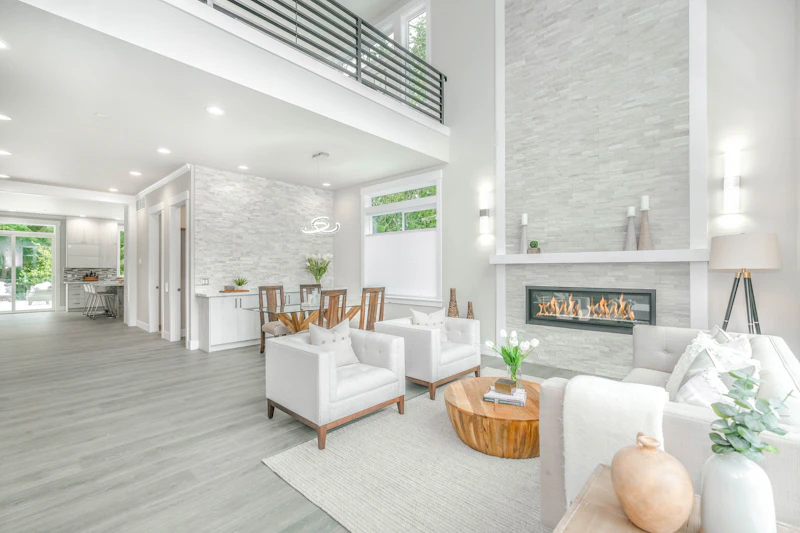
The grid or square pattern is a more understated alternative to the intricate herringbone and chevron styles. It consists of uniformly sized square or rectangular tiles arranged in a straight, aligned grid, creating a clean, orderly appearance.
When finished with a grey wash, this design emphasizes the natural texture of the wood while maintaining a calm, neutral aesthetic. Its simplicity makes it highly adaptable and ideal for spaces where durability and ease of maintenance are priorities.
- Best for: Kitchens, hallways, home offices, industrial lofts
- Style compatibility: Minimalist, industrial, Japandi, mid-century modern
- Visual effect: Calming and balanced; promotes a sense of openness
Basketweave Design

The basketweave pattern mimics the interlaced look of woven fabric, alternating between pairs of planks laid perpendicular to one another to form a checkerboard-like texture with added depth. This design adds visual interest without being overly dramatic.
In a grey wash finish, the basketweave softens the contrast between light and dark tones, resulting in a harmonious, tactile surface. It’s an excellent choice for adding character to formal dining rooms or boutique retail environments.
- Best for: Dining rooms, boutiques, hotel lobbies
- Style compatibility: Traditional, eclectic, vintage-modern fusion
- Visual effect: Textural and inviting; adds subtle complexity
Random Geometric Design

For those seeking a truly unique and artistic floor, the random geometric design breaks away from traditional symmetry. It incorporates a mix of shapes—such as triangles, diamonds, hexagons, and trapezoids—arranged in an intentionally irregular yet cohesive layout.
When treated with a grey wash, these bold forms are unified under a single tonal family, grounding the design and preventing it from feeling chaotic. This style is perfect for creative spaces, galleries, or modern homes where individuality is celebrated.
- Best for: Art studios, statement rooms, modern lofts, designer homes
- Style compatibility: Avant-garde, modern eclectic, artistic interiors
- Visual effect: Dynamic and expressive; serves as a focal point
| Design Type | Installation Complexity | Cost Level | Best Room Size | Durability |
|---|---|---|---|---|
| Herringbone | High | $$$ | Medium to Large | High |
| Chevron | Very High | $$$$ | Medium to Large | High |
| Grid/Square | Low | $$ | All Sizes | Very High |
| Basketweave | Moderate | $$$ | Small to Medium | Moderate |
| Random Geometric | Very High | $$$$ | Medium to Large | Moderate |
Pro Tip: When selecting a grey wash parquet design, consider the room’s lighting and size. Lighter grey tones and simpler patterns like grid layouts work well in small or dimly lit spaces, while darker greys and complex patterns like chevron or random geometric designs are best suited for larger, well-lit areas to avoid overwhelming the space.
Note: Professional installation is highly recommended for intricate patterns like chevron and random geometric layouts. Precision cutting and alignment are crucial to achieving a seamless finish. Additionally, always request a sample board to view the grey wash in your actual lighting conditions before committing to a full installation.
Specification & Maintenance of Grey Wash Parquet Flooring
Grey wash parquet flooring combines timeless elegance with modern aesthetics, making it a popular choice for both residential and commercial interiors. Proper care and maintenance are essential not only to preserve its visual appeal but also to extend its lifespan and structural integrity. This guide provides a comprehensive overview of regular, intensive, and preventive maintenance practices tailored specifically for grey wash parquet floors, ensuring they remain beautiful and functional for years to come.
What Is Grey Wash Parquet?
Grey wash parquet refers to a type of engineered or solid hardwood flooring that features a light, weathered finish achieved through a bleaching or staining process. The "wash" effect creates a soft, matte appearance with subtle grain definition, offering a contemporary yet rustic charm.
- Typically made from oak, walnut, or maple with a diluted grey stain
- Available in herringbone, chevron, or straight plank patterns
- Finished with UV-cured lacquer or oil-based sealants for protection
- Sensitive to moisture and UV exposure due to its light coloration
Note: The porous nature of the finish makes proper cleaning and sealing crucial.
Key Maintenance Benefits
Consistent upkeep ensures your grey wash parquet floor maintains its value and performance over time.
- Preserves the delicate grey hue from yellowing or darkening
- Prevents surface scratches and scuff marks common in high-traffic areas
- Minimizes warping, cupping, or gapping caused by humidity fluctuations
- Reduces long-term repair costs by addressing issues early
Pro insight: Well-maintained parquet can last 25+ years with refinishing every 5–7 years.
Regular Maintenance: Daily & Weekly Care
Establishing a consistent cleaning routine is the foundation of preserving your grey wash parquet floor. Daily and weekly maintenance prevents buildup of abrasive particles and maintains the floor’s luster without damaging the delicate finish.
- Daily sweeping or dry mopping: Use a microfiber or electrostatic mop to capture dust, pet hair, and fine debris. Avoid traditional brooms with stiff bristles that may scratch the surface.
- Vacuuming with caution: If using a vacuum, select one without a beater bar or rotating brush. Strong suction can loosen edges on floating installations. Use a hardwood floor attachment for best results.
- Weekly damp mopping: Lightly dampen a microfiber mop with a pH-neutral, hardwood-specific cleaner. Never use excessive water—wring the mop thoroughly to avoid moisture penetration.
- Cleaning products to avoid: Steer clear of vinegar, ammonia, steam mops, or abrasive cleaners, as these can strip the finish and cause discoloration over time.
Best Practice: Clean spills immediately with a dry or slightly damp cloth. Grey finishes show water marks and mineral deposits more prominently than darker woods.
Intensive Maintenance: Deep Care & Restoration
Every 3–6 months, conduct a thorough inspection and perform deeper maintenance tasks to address wear and restore the floor’s original beauty. This level of care is especially important in homes with pets, children, or heavy foot traffic.
- Inspect for damage: Look for loose boards, deep scratches, or signs of wear, particularly near entryways and under furniture. Floating floors may require re-securing at the seams.
- Spot repair techniques: Minor scratches can be treated with touch-up pens or wax fillers matching the grey wash tone. For deeper gouges, professional repair or board replacement may be necessary.
- Board replacement: In glued or nailed systems, individual planks can often be removed and replaced. Floating floors may require disassembling adjacent rows, so consider professional help for complex patterns like herringbone.
- Refinishing every 5–7 years: Light sanding followed by reapplication of a compatible sealant (oil or lacquer) rejuvenates the surface. This process restores color clarity and adds a new protective layer.
Expert Tip: Always test refinishing products on a hidden area first. Some grey washes are semi-transparent and may react unpredictably to sanding or new sealers.
Preventive Maintenance: Protecting Your Investment
Prevention is the most effective strategy for maintaining the pristine condition of grey wash parquet. These proactive measures reduce wear, prevent damage, and stabilize the floor’s environment.
- Use entrance mats: Place high-quality doormats at all entry points to trap dirt, grit, and moisture before they reach the floor. Choose mats with non-slip backing that won’t discolor or damage the finish.
- Felt pads on furniture: Apply self-adhesive felt pads to all furniture legs, including chairs, tables, and cabinets. Replace them annually or when worn.
- Avoid high heels and pet claws: Sharp heels can dent the wood, while untrimmed pet nails cause fine scratches. Encourage indoor shoe policies and regular pet grooming.
- Control humidity and temperature: Maintain indoor humidity between 30% and 50% and temperatures between 60–75°F (15–24°C). Use a hygrometer to monitor levels and deploy humidifiers in winter or dehumidifiers in summer as needed.
- Limit direct sunlight: Prolonged UV exposure can fade or yellow the grey wash. Use curtains, blinds, or UV-protective window films to minimize sun damage.
| Maintenance Task | Frequency | Recommended Tools/Products | Purpose |
|---|---|---|---|
| Sweeping or dry mopping | Daily | Microfiber mop, soft-bristle broom | Remove abrasive particles |
| Damp mopping | Weekly | pH-neutral hardwood cleaner, wrung-out microfiber mop | Clean without moisture damage |
| Deep inspection | Every 3–6 months | Flashlight, magnifying glass | Identify early signs of wear |
| Refinishing | Every 5–7 years | Professional sanding, compatible sealer | Restore appearance and protection |
| Humidity monitoring | Continuous | Hygrometer, humidifier/dehumidifier | Prevent warping and gapping |
Additional Tips for Long-Term Success
- Rotate rugs and furniture: Periodically move area rugs and furniture to ensure even exposure and prevent uneven fading.
- Use floor protectors under appliances: Heavy appliances like refrigerators should have protective pads and be moved carefully to avoid dragging.
- Train household members: Educate family or staff on proper care techniques to maintain consistency in maintenance.
- Professional inspections: Schedule a professional assessment every 2–3 years to evaluate structural integrity and finish condition.
- Warranty compliance: Follow manufacturer guidelines to maintain warranty coverage, especially regarding cleaning products and environmental conditions.
Final Recommendation: Grey wash parquet flooring is a premium investment that rewards thoughtful care. By combining daily diligence with periodic deep maintenance and environmental control, you can preserve its sophisticated look and structural resilience for decades. When in doubt, consult a certified wood flooring professional before attempting major repairs or refinishing.
How to Choose the Perfect Grey Wash Parquet Floor
Selecting the ideal grey wash parquet floor is a pivotal decision that can dramatically influence the ambiance, style, and functionality of your space. With a wide range of wood types, grey tones, patterns, and finishes available, making the right choice requires careful consideration. This comprehensive guide breaks down the essential factors to help you select a grey wash parquet floor that complements your interior design, suits your lifestyle, and stands the test of time.
Important Note: Grey wash flooring combines the timeless elegance of parquet with the modern appeal of grey tones. Because the final appearance can vary based on lighting, wood grain, and finish, always request physical samples before making a final decision.
1. Selecting the Right Wood Species
The type of wood used as the base for your grey wash parquet flooring plays a crucial role in determining its visual character, durability, and overall performance. While the grey wash treatment provides a unifying tone, the underlying wood grain and natural color influence the final aesthetic.
- European Oak: The most popular choice for grey wash flooring due to its tight, straight grain and exceptional durability. Oak provides a clean, modern, and classic look that suits both traditional and contemporary interiors. Its strength makes it ideal for high-traffic areas like living rooms and hallways.
- American White Oak: Offers a slightly lighter base than European oak, allowing the grey wash to appear brighter and more airy. It’s excellent for Scandinavian or minimalist designs where a soft, natural feel is desired.
- Cherry Wood: Known for its warm undertones and rich, reddish-brown hues, cherry wood creates a softer, more luxurious appearance when treated with a grey wash. The result is a sophisticated, inviting floor with subtle warmth—perfect for bedrooms or formal living spaces.
- Hickory: Features bold, dramatic grain patterns and high natural variation. A grey wash on hickory delivers a rustic, dynamic, and organic look, ideal for farmhouse, industrial, or country-style interiors. Its extreme hardness also makes it highly resistant to dents and wear.
- Maple: Has a fine, even grain and light color, which allows the grey wash to appear crisp and uniform. Maple is a great option for modern spaces seeking a sleek, minimalist aesthetic, though it may show scratches more easily than oak or hickory.
2. Choosing the Right Shade of Grey
The shade of grey in your wash treatment significantly impacts the mood and perceived size of a room. Grey ranges from cool, ash-toned hues to warm, charcoal-infused tones, and each creates a different atmosphere.
- Light Grey Wash: Ideal for small or dimly lit rooms, as it reflects natural light and creates an open, airy, and serene environment. Works beautifully in Scandinavian, coastal, or minimalist interiors. Pairs well with white, soft pastels, and natural wood accents.
- Mid-Grey Wash: Offers a balanced, versatile tone that adapts well to various decor styles. It provides depth without overwhelming the space and is excellent for living rooms, kitchens, and open-plan areas.
- Dark Grey Wash: Adds drama, sophistication, and a sense of intimacy. Best suited for larger rooms with ample natural light to prevent the space from feeling too enclosed. Complements bold colors, metallic finishes, and modern furniture.
- Warm vs. Cool Grey: Consider the undertones. Warm greys (with brown or beige hints) create a cozy, inviting feel, while cool greys (with blue or purple undertones) offer a crisp, contemporary look. Test samples under your room’s lighting to see how the undertones appear throughout the day.
3. Selecting the Parquet Pattern
The pattern of your parquet flooring not only defines the visual flow of the room but also influences the perceived size and style of the space. The complexity of the pattern should align with the room’s dimensions and intended use.
- Grid or Basketweave: Simple, geometric patterns that work well in smaller rooms or more traditional settings. They provide visual interest without overwhelming the space and are relatively easier to install.
- Herringbone: A timeless, elegant pattern that adds movement and luxury. Best suited for larger rooms, as it draws the eye and creates a sense of elongation. Requires precise installation and more material due to cutting waste.
- Chevron: Similar to herringbone but with a sharper, more dramatic V-shape. Offers a high-end, designer look and is ideal for statement spaces like foyers or master bedrooms. More complex and costly to install than herringbone.
- Block or Panel Patterns: Larger, modular designs that create a contemporary, architectural feel. Great for modern lofts or open-concept living areas.
Design Tip: In small or narrow rooms, lay the parquet pattern parallel to the longest wall to create the illusion of width. For square or large rooms, diagonal layouts can add dynamic visual interest.
4. Evaluating the Finish
The finish not only affects the floor’s appearance but also its durability, maintenance needs, and resistance to wear. Choose a finish that aligns with your lifestyle and aesthetic preferences.
- Matte Finish: Offers a natural, understated look that mimics the feel of raw, oiled wood. Excellent at hiding dust, footprints, and minor scratches, making it ideal for homes with children or pets. Provides a soft, elegant sheen without glare.
- Satin Finish: A balanced option with a subtle sheen that enhances the wood’s grain while remaining practical. Resists smudges better than glossy finishes and is a popular choice for most residential applications.
- Glossy Finish: Maximizes light reflection and highlights the beauty of the wood grain, creating a luxurious, polished look. However, it shows dust, scratches, and water marks more easily and requires more frequent cleaning.
- Oiled vs. Lacquered: Oiled finishes penetrate the wood, enhancing its natural texture and allowing for easier localized repairs. Lacquered (or varnished) finishes form a protective surface layer, offering superior resistance to moisture and stains but may require full refinishing if damaged.
| Factor | Best For | Avoid If | Top Recommendations |
|---|---|---|---|
| Wood Type – Oak | High-traffic areas, modern interiors | Seeking ultra-warm tones | European or White Oak with light grey wash |
| Shade – Light Grey | Small rooms, bright spaces | Wanting dramatic contrast | Matte finish for soft, airy feel |
| Pattern – Herringbone | Large rooms, luxury aesthetics | Budget or DIY installation | Professional installation recommended |
| Finish – Matte | Families, low-maintenance needs | Desiring high shine | Oiled matte for natural texture |
| Wood Type – Hickory | Rustic, industrial, or farmhouse styles | Prefer uniform grain | Dark grey wash with satin finish |
Final Tips for Making the Right Choice
- Always view large floor samples in your actual space to assess how natural and artificial light affects the color and finish.
- Consider underfloor heating compatibility—oiled finishes are often more stable with radiant heat systems.
- Factor in long-term maintenance: matte and oiled finishes are generally easier to maintain and repair.
- Consult with a flooring specialist to understand installation complexity, especially for intricate patterns.
- Think about future resale value—neutral grey tones and classic patterns like herringbone tend to have broad appeal.
Pro Tip: Pair your grey wash parquet floor with complementary wall colors and furnishings. Cool greys work well with whites and blues, while warm greys harmonize with beige, cream, and wood-toned furniture. Adding textured rugs and layered lighting enhances the floor’s elegance.
Choosing a grey wash parquet floor is an investment in both beauty and functionality. By carefully considering the wood species, grey tone, pattern, and finish, you can create a stunning, cohesive look that reflects your personal style and enhances your home’s atmosphere. When in doubt, prioritize durability and timeless design to ensure your floor remains a highlight of your space for years to come.
Frequently Asked Questions About Grey Wash Parquet Floors
Q1: Is grey wash good for parquet floors?A1: Yes, a grey wash finish is an excellent choice for parquet flooring. It enhances the natural beauty of the wood by highlighting its grain patterns, knots, and unique textures, giving the floor a sophisticated, modern, and slightly rustic aesthetic. Beyond its visual appeal, a grey wash also acts as a protective sealant that helps preserve the wood from everyday wear and environmental factors.
This type of finish penetrates the wood rather than sitting on top like traditional stains, allowing the floor to breathe while maintaining durability. It's especially popular in contemporary and Scandinavian-inspired interiors due to its soft, neutral tone that complements various décor styles.
Q2: How to avoid scratches on a grey wash parquet floor?A2: Protecting your grey wash parquet floor from scratches is essential to maintain its elegant appearance. Here are several effective strategies:
- Use doormats: Place high-quality doormats at all entry points to trap dirt, sand, and grit that can scratch the surface.
- Place area rugs: Use rugs in high-traffic areas like hallways, entryways, and living rooms to reduce direct foot traffic and abrasion.
- Apply furniture pads: Attach felt or rubber pads to the bottom of chairs, tables, and other furniture to prevent scuffing when moved.
- Regular cleaning: Sweep or vacuum daily with a soft-bristle attachment to remove debris that could act as abrasives.
- Footwear policy: Discourage walking on the floor with high heels, cleats, or outdoor shoes, as these can cause deep scratches or dents.
By combining preventive measures with consistent maintenance, you can significantly extend the life and beauty of your parquet flooring.
Q3: Can water damage a grey wash parquet floor?A3: Yes, excessive moisture can damage grey wash parquet floors. While the wash provides a degree of protection, wood is naturally hygroscopic—meaning it absorbs and releases moisture from the air. Prolonged exposure to water or high humidity can lead to:
- Warping: Boards may cup, crown, or twist due to uneven swelling.
- Cracking: As wood dries too quickly after absorbing moisture, it can develop fine cracks.
- Delamination: In engineered parquet, layers may separate if water penetrates the core.
- Discoloration: Water stains can appear as dark spots or cause the grey wash to fade unevenly.
To prevent water damage, maintain indoor humidity between 30% and 50%, promptly wipe up spills, and avoid wet mopping. Use only damp mops with manufacturer-approved cleaning solutions designed for finished wood floors.
Q4: Is it possible to change the shade of a grey washed parquet floor?A4: Yes, the color tone of a grey wash parquet floor can be altered, offering flexibility for updating your interior design. Since grey wash is typically a semi-transparent finish, applying a new coat—either lighter or darker—can refresh or transform the floor’s appearance.
The process generally involves:
- Cleaning: Thoroughly clean the floor to remove dirt and residues.
- Light sanding (if needed): For deeper color changes, a professional may lightly sand the surface to ensure better adhesion.
- Reapplication: Apply the new shade of grey wash evenly using a brush or cloth, following the wood grain.
This refinishing option is more eco-friendly and cost-effective than replacing the floor. However, it's recommended to consult a flooring specialist to ensure compatibility and achieve a uniform finish, especially in older or heavily used areas.
Q5: Are grey wash parquet floors hard to maintain?A5: No, grey wash parquet floors are relatively easy to maintain with a simple, consistent care routine. Their sealed surface resists stains and wear better than untreated wood, making them suitable for homes and light commercial spaces.
Recommended maintenance schedule:
- Daily: Sweep or vacuum with a soft attachment to remove dust and grit.
- Weekly: Damp mop using a nearly dry microfiber mop and a pH-neutral wood floor cleaner—never soak the floor.
- Seasonally: Inspect for wear and consider a light buffing or reapplication of finish in high-traffic zones.
- Every few years: Professional refinishing can restore luster and deepen the color, extending the floor’s lifespan to decades.
With proper care, grey wash parquet floors remain beautiful, durable, and timeless, adding value and elegance to any space.