If you’ve noticed tiny flying insects hovering around your kitchen sink, houseplants, or fruit bowl, you’re likely dealing with gnats. These persistent pests are more than just a nuisance—they signal underlying moisture or sanitation issues in your home. While small in size, gnats can multiply quickly and become overwhelming if not addressed promptly. Understanding why they’re here and how to eliminate them is essential for reclaiming a clean, comfortable living space.
What Are Gnats and Why Are They in My House?
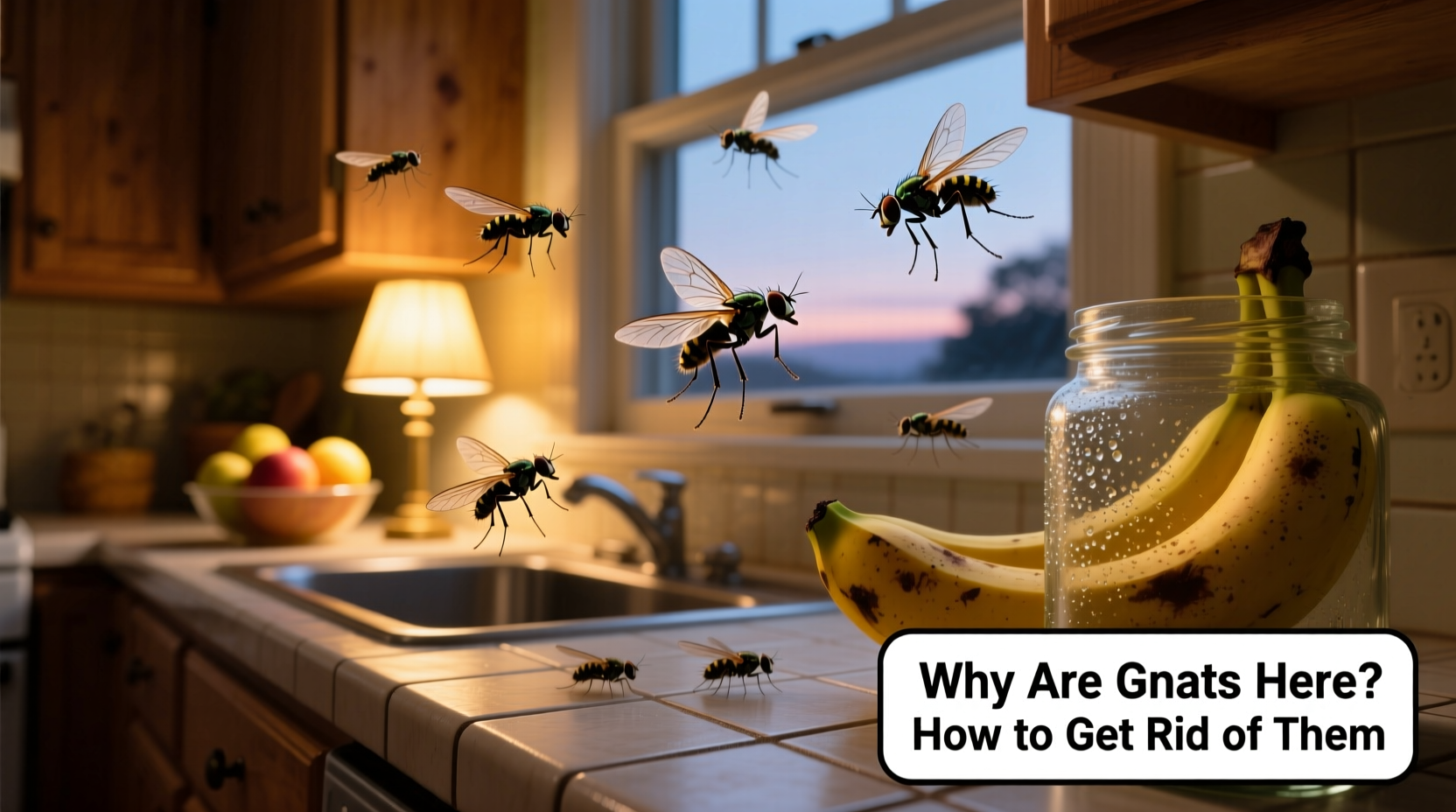
Gnats are small, delicate-looking flies that typically measure 1–5 millimeters in length. The most common indoor species include fungus gnats, drain flies, and fruit flies. Though often used interchangeably, these are different types with distinct habits:
- Fungus gnats thrive in damp soil and feed on organic matter and plant roots.
- Fruit flies are attracted to fermenting fruits, vegetables, and sugary spills.
- Drain flies breed in the slimy buildup inside drains and pipes.
The presence of gnats indicates access to moisture, decaying organic material, or standing water—conditions commonly found in kitchens, bathrooms, and near houseplants. Even a neglected wine glass or overwatered peace lily can become a breeding ground.
“Gnats aren’t random invaders—they’re drawn to environments where food and moisture coexist. Eliminating their breeding sites is the fastest way to stop an infestation.” — Dr. Lena Peterson, Urban EntomologistTip: Check under refrigerator drip trays, inside trash cans, and behind appliances—common overlooked spots where moisture accumulates.
Step-by-Step Guide to Getting Rid of Gnats
Eradicating gnats requires targeting both adult flies and their larvae. Follow this timeline-based approach for effective results:
- Day 1–2: Identify the Source
Walk through each room and observe where gnats cluster. Common hotspots:- Kitchen counters with ripe fruit
- Overwatered potted plants
- Clogged sink or shower drains
- Recycling bins with sugary residue
- Day 3: Remove Attractants
Discard overripe produce, clean spills, empty trash, and ensure no standing water remains in sinks or pet bowls. Store fruits like bananas and tomatoes in the refrigerator or sealed containers. - Day 4: Treat Breeding Grounds
For houseplants, let the top 1–2 inches of soil dry out between waterings. Consider repotting with fresh, sterile potting mix if larvae are suspected. For drains, pour ½ cup of baking soda followed by 1 cup of vinegar. Let it fizz for 10 minutes, then flush with boiling water. - Day 5–7: Deploy Traps
Use homemade or commercial traps to capture adult gnats. Effective options include apple cider vinegar traps, sticky cards, or red wine baits. - Day 8–14: Monitor and Repeat
Continue trapping and inspect areas daily. If activity persists, repeat drain treatment or isolate affected plants.
Effective Gnat Traps You Can Make at Home
Homemade traps are low-cost, non-toxic, and highly effective. Here are three reliable methods:
| Trap Type | Ingredients | How It Works |
|---|---|---|
| Apple Cider Vinegar Trap | Apple cider vinegar, dish soap, small bowl | Pour ½ cup vinegar into a bowl, add 5 drops of dish soap. The scent attracts gnats; the soap breaks surface tension, causing them to drown. |
| Paper Funnel Trap | Bottle, vinegar, banana peel, paper cone | Place bait in a bottle, insert a paper funnel (pointed end down). Gnats enter but can’t escape. |
| Red Wine Trap | Leftover red wine, dish soap, shallow dish | Like vinegar, red wine ferments and lures fruit flies. Add soap to prevent escape. |
Prevention Checklist: Keep Gnats From Returning
Eliminating current gnats is only half the battle. Prevent recurrence with consistent habits:
- ✅ Empty trash and recycling bins weekly, especially during warm months
- ✅ Rinse jars, bottles, and containers before storing or recycling
- ✅ Water houseplants only when the topsoil is dry
- ✅ Clean sink and shower drains monthly with baking soda and vinegar
- ✅ Store produce in the fridge or airtight containers
- ✅ Use a fan near indoor plants to discourage humidity buildup
- ✅ Seal cracks around windows and doors where gnats may enter
Real Example: How One Homeowner Fixed a Persistent Gnat Problem
Sarah, a homeowner in Portland, struggled with gnats every spring. Despite cleaning her kitchen daily, the tiny flies kept returning. After placing vinegar traps, she noticed most were catching near her favorite spider plant. Upon inspection, she realized she had been watering it every other day—far too often. She allowed the soil to dry completely, repotted with fresh mix, and placed sand on the surface to deter egg-laying. Within two weeks, the gnats disappeared. Sarah now checks her plant moisture with a wooden skewer and avoids misting during cooler months.
This case illustrates a common oversight: even diligent cleaning won’t help if the root cause—damp soil—is ignored.
Frequently Asked Questions
How long do gnats live in a house?
Adult gnats typically live 7–10 days, but females can lay up to 300 eggs in moist environments. Without intervention, new generations emerge every 4–5 days, leading to ongoing infestations.
Can gnats harm my houseplants?
Fungus gnat larvae feed on organic matter and young root hairs. In large numbers, they can damage seedlings and weaken plants, making them more susceptible to disease. Mature plants usually survive but may show stunted growth.
Are store-bought gnat killers safe to use indoors?
Many aerosol sprays contain pyrethrins, which are generally safe when used as directed. However, they only kill adults on contact and don’t address larvae. For long-term control, combine chemical options with environmental fixes like drying soil and cleaning drains.
Final Steps for a Gnat-Free Home
Gnats are not a sign of poor hygiene alone—they exploit any environment with moisture and organic decay. The key to eliminating them lies in disrupting their life cycle by removing breeding grounds and using targeted traps. Most infestations can be resolved within two weeks with consistent effort.
Start today: inspect your drains, check your houseplants, and set up a simple vinegar trap. Small actions yield fast results. Once gnats are gone, maintain preventive habits to keep your home inhospitable to future invaders.
💬 Have a gnat-fighting tip that worked for you? Share your experience in the comments and help others create cleaner, gnat-free homes!








