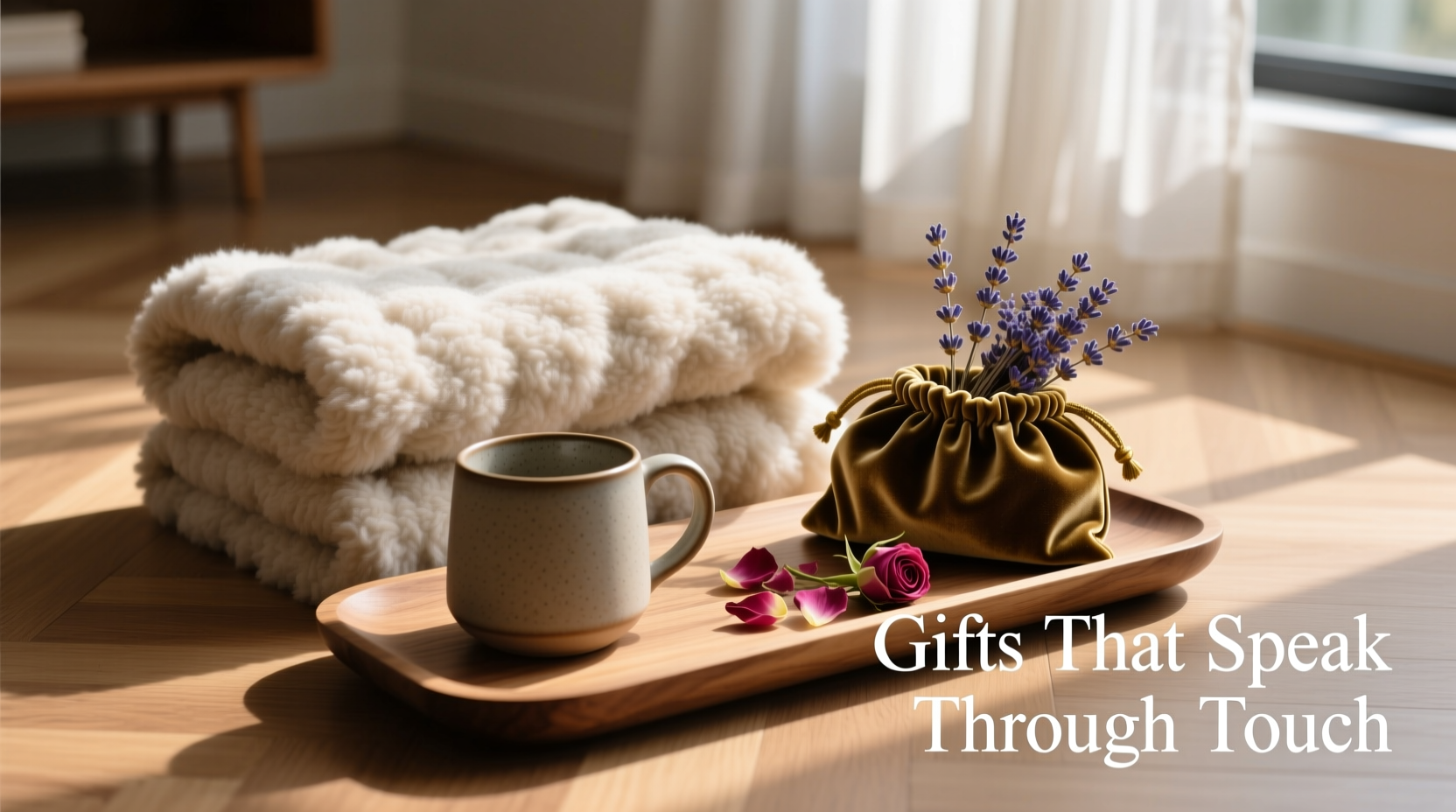
In a world saturated with digital noise and visual overload, reconnecting through the sense of touch offers a rare form of comfort and grounding. Gifts that engage tactile sensation go beyond aesthetics—they provide warmth, texture, weight, and emotional resonance. Whether you're shopping for someone experiencing stress, recovering from illness, or simply seeking deeper sensory well-being, focusing on touch-centered luxury can make your gift profoundly personal and restorative.
Unlike visual or auditory stimuli, touch directly influences the nervous system. Research shows that gentle pressure, soft textures, and rhythmic sensations can reduce cortisol levels and stimulate the release of oxytocin, the “bonding hormone.” This makes tactile gifts not just indulgent but therapeutic. The most thoughtful options combine high-quality materials, intentional design, and sensory depth to create moments of calm and connection.
Why Touch Matters in Gifting
The skin is the body’s largest organ, and its nerve endings respond powerfully to temperature, texture, and pressure. A well-chosen tactile gift can evoke safety, comfort, and mindfulness. Consider how a weighted blanket mimics a hug, or how silk pajamas glide against the skin like liquid. These experiences aren’t merely pleasurable—they signal safety to the brain, which is especially valuable in times of anxiety or transition.
Luxury tactile gifts stand out because they prioritize craftsmanship and material integrity. They avoid synthetic shortcuts in favor of natural fibers, balanced weight distribution, and ergonomic design. When selecting such gifts, focus on how the item feels during use, not just how it looks in a photo.
“Touch is our first language. A truly comforting object doesn’t just look good—it speaks to the body before the mind has time to catch up.” — Dr. Lena Torres, Sensory Wellness Researcher, Institute for Embodied Cognition
Top Luxurious Gift Ideas That Engage the Sense of Touch
Curating a gift around touch means prioritizing materials and design that deliver consistent sensory satisfaction. Below are some of the most effective categories, each offering distinct tactile benefits.
1. Weighted Blankets with Natural Fillings
These blankets apply gentle, even pressure across the body, simulating deep-touch pressure therapy. High-end versions use glass beads or organic buckwheat hulls encased in cotton, bamboo, or merino wool. The outer fabric should be breathable and soft to the touch—avoid polyester blends that trap heat.
Tip: Choose a blanket weighing approximately 10% of the recipient’s body weight for optimal comfort and effectiveness.2. Silk Sleep Sets (Pajamas & Pillowcases)
Silk provides a cool, smooth glide against the skin, reducing friction and irritation. Mulberry silk, in particular, is durable, hypoallergenic, and temperature-regulating. A full sleep set—including top, bottom, and pillowcase—creates a cohesive sensory ritual at bedtime.
3. Heated Massage Cushions with Memory Foam
Combining warmth, vibration, and contouring support, these cushions offer immediate physical relief. Look for models with adjustable heat settings and removable, washable covers made from soft velvet or micro-suede.
4. Hand-Carved Wooden Massagers
Crafted from sandalwood, olive, or walnut, these tools feel substantial in the hand and warm naturally with use. Ideal for facial rolling or muscle relief, their grain and weight provide a grounding sensory experience.
5. Cashmere Throws with Hand-Finished Edges
A premium cashmere throw should feel weightless yet deeply insulating. The best ones are hand-combed and woven slowly to preserve fiber softness. Drape one over a reading chair or bed for instant tactile luxury.
Material Guide: What Feels Best—and Why
Not all soft materials are created equal. The following table compares common luxury fabrics based on tactile performance, care needs, and sensory impact.
| Material | Tactile Quality | Temperature Response | Care Level | Best For |
|---|---|---|---|---|
| Mulberry Silk | Smooth, cool glide | Cool in summer, warm in winter | Hand-wash only | Sleepwear, scarves, pillowcases |
| Merino Wool | Soft, slightly springy | Excellent insulation, moisture-wicking | Machine wash (gentle) | Throws, socks, loungewear |
| Cashmere | Plush, airy softness | Warm without heaviness | Delicate; dry clean or hand-wash | Blankets, sweaters, wraps |
| Bamboo Viscose | Buttery, silky | Cool and breathable | Machine washable | Bed sheets, robes, blankets |
| Organic Cotton (Turkish or Pima) | Soft with slight texture | Neutral, adapts to environment | Easy care | Towels, robes, loungewear |
Creating a Sensory Self-Care Ritual: A Step-by-Step Guide
A single luxurious item is powerful, but combining multiple tactile elements into a routine amplifies their effect. Follow this sequence to design a personalized sensory ritual.
- Begin with warmth: Heat a neck wrap filled with flaxseed and lavender in the microwave for 2 minutes. The warmth relaxes muscles while the weight grounds the nervous system.
- Layer in softness: Wrap yourself in a cashmere or bamboo-blend robe. Notice how the fabric moves across your skin—slow down to absorb the sensation.
- Add rhythmic pressure: Use a handheld wooden massager on your shoulders or jaw. Focus on slow, deliberate strokes to enhance mindfulness.
- Engage the hands: Incorporate a textured worry stone or fidget ring. The repetitive motion calms racing thoughts.
- Conclude with coverage: Drape a weighted blanket over your lap or torso. Sit quietly for 10–15 minutes, allowing the combined sensations to integrate.
This ritual takes less than 20 minutes but leverages multiple touch pathways—pressure, temperature, texture, and movement—for cumulative calming effects.
Real Example: A Gift That Transformed a Friend’s Recovery
Sophie, a graphic designer, suffered from long-term back pain after a car accident. Her friend gifted her a curated tactile care kit: a 15-pound bamboo-cotton weighted blanket, a sandalwood face roller, and a pair of silk-lined gloves designed for sensitive skin. At first skeptical, Sophie began using the blanket each evening while working at her desk. Within two weeks, she reported improved focus and reduced muscle tension. She later wrote, “The gloves surprised me the most—the way they slide on without pulling at my skin makes putting on lotion feel like a ceremony, not a chore.”
This example illustrates how layered tactile inputs can address both physical discomfort and emotional fatigue. The key was not just luxury, but functional design aligned with sensory needs.
Checklist: Choosing the Right Tactile Gift
- ✅ Identify the recipient’s primary need: relaxation, pain relief, sensory sensitivity, or sleep support.
- ✅ Prioritize natural, breathable materials over synthetics.
- ✅ Test weight and drape—if possible—before purchasing. Heavy doesn’t always mean better.
- ✅ Consider maintenance: Can the item be easily cleaned? Is care complicated?
- ✅ Think about integration: Will this fit into the person’s daily routine?
- ✅ Opt for timeless design over trendy styles to ensure lasting use.
Frequently Asked Questions
Can tactile gifts help with anxiety?
Yes. Deep pressure stimulation from weighted items, repetitive motions from fidget tools, and smooth textures like silk activate the parasympathetic nervous system, helping to reduce anxiety symptoms. Consistent use can improve emotional regulation over time.
Are there hypoallergenic options for sensitive skin?
Absolutely. Organic cotton, bamboo viscose, and certified mulberry silk are naturally resistant to dust mites and mildew. Avoid wool if the recipient has known sensitivities, and always check for OEKO-TEX certification to ensure no harmful dyes or chemicals.
How do I present a tactile gift meaningfully?
Pair the item with a handwritten note describing how it should be used. For example: “Wrap yourself in this when you need a quiet moment. It’s like a pause button for your day.” This frames the gift as an experience, not just an object.
Final Thoughts: The Lasting Impact of Thoughtful Touch
In an age where convenience often trumps presence, a gift rooted in the sense of touch stands apart. It invites slowness. It honors the body. It says, “I see you, and I want you to feel cared for.” Whether it’s the weight of a blanket, the glide of silk, or the warmth of carved wood, these sensations linger in memory far longer than any digital notification.
💬 What tactile experience brings you the most comfort? Share your favorite texture, material, or self-care ritual in the comments—your insight might inspire someone else’s next meaningful gift.