At first glance, a tissue box might seem like an insignificant object—functional, disposable, easily overlooked. But in recent years, this humble household item has become a canvas for cultural expression, minimalist ideals, and even lifestyle branding. The debate between French and Scandinavian tissue box designs isn’t just about aesthetics; it reflects deeper philosophies about living, beauty, and intentionality. So, does the style really matter, or is it all just marketing hype? The answer lies somewhere in between.
The Design Philosophy Behind Each Style
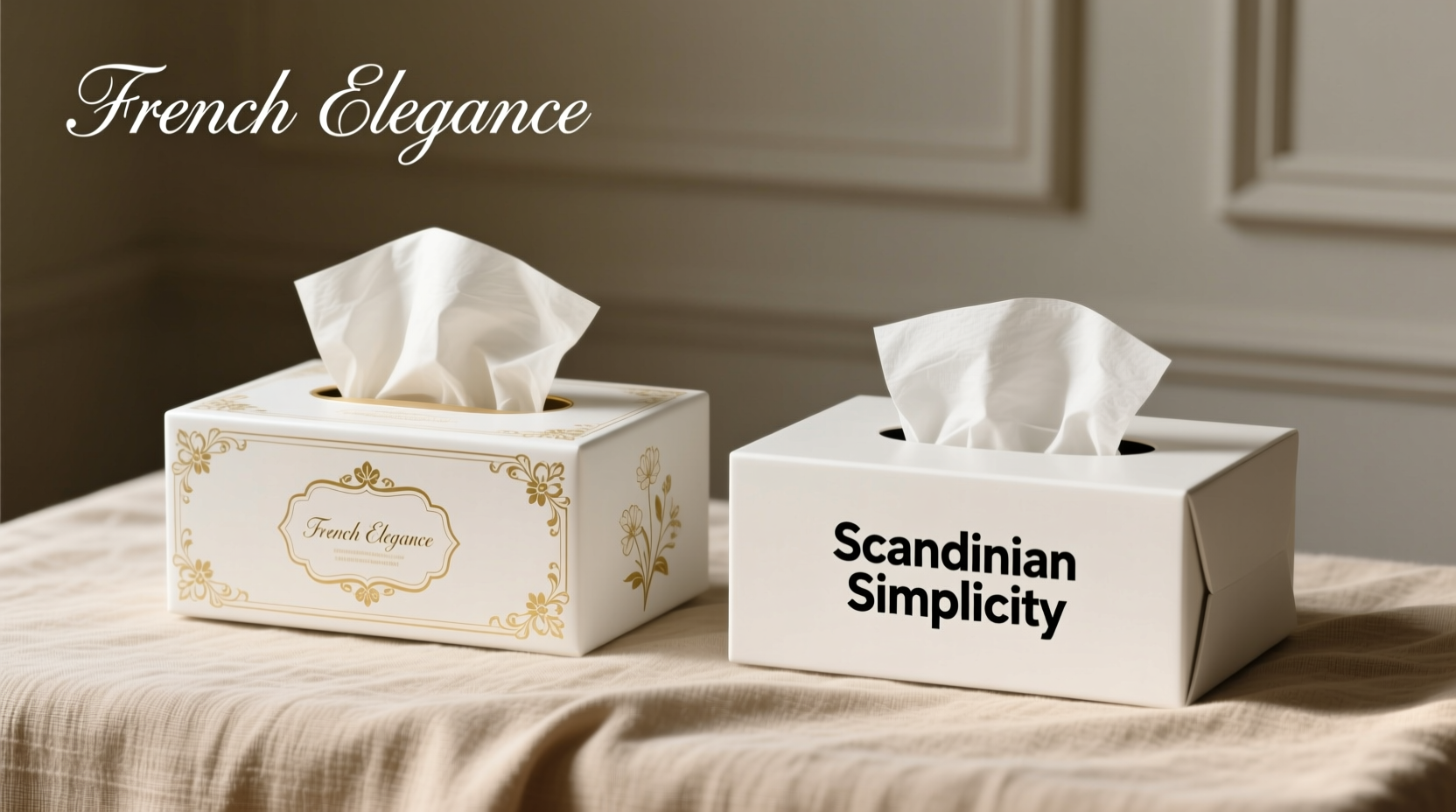
French and Scandinavian design traditions approach home objects with fundamentally different mindsets. French tissue boxes often embody *l’art de vivre*—the art of living well. They’re ornate, expressive, and unapologetically decorative. Think gold filigree, floral patterns, porcelain finishes, or velvet-wrapped exteriors. These boxes are meant to be seen, admired, and integrated into a curated aesthetic. In contrast, Scandinavian tissue holders embrace minimalism, functionality, and natural materials. Clean lines, muted tones, and wood or matte metal finishes dominate. The goal isn’t to stand out but to blend in—harmoniously.
This divergence stems from broader cultural values. French interior design often celebrates opulence and individuality, drawing from centuries of aristocratic influence. Scandinavian design, rooted in Nordic practicality and egalitarian principles, prioritizes accessibility, sustainability, and calm environments. When applied to something as simple as a tissue box, these philosophies result in vastly different products.
Tip: Choose a tissue box style that aligns with your room’s overall atmosphere—luxurious accents for bold spaces, neutral forms for serene ones.Functionality vs. Aesthetics: Is There a Trade-Off?
A common criticism of French-style tissue boxes is that they sacrifice usability for appearance. Some elaborate designs make it difficult to access tissues smoothly or replace refills without disrupting the visual harmony. Ornamental lids may not open easily, and delicate materials can be fragile. On the other hand, Scandinavian models typically feature open-top or slide-access mechanisms, making them highly functional and user-friendly.
Yet, dismissing French designs as purely decorative overlooks their emotional value. In hospitality settings—like boutique hotels or upscale salons—a beautifully styled tissue box contributes to the sensory experience. It signals attention to detail and luxury. As designer Ingrid Larsen noted, “A room’s smallest objects often carry its soul.”
“Design should serve people, not impress them. But when it does both, that’s where magic happens.” — Henrik Madsen, Copenhagen-based Industrial Designer
Comparative Breakdown: French vs Scandinavian Tissue Boxes
| Feature | French Style | Scandinavian Style |
|---|---|---|
| Aesthetic Focus | Ornate, luxurious, expressive | Minimalist, neutral, understated |
| Materials | Porcelain, lacquered wood, velvet, metal accents | Birch wood, powder-coated steel, recycled plastic |
| Ease of Use | Variable—some hinder access | Generally high—open or sliding tops |
| Durability | Moderate—delicate finishes require care | High—built for longevity |
| Sustainability | Lower—often non-recyclable materials | Higher—eco-conscious sourcing and production |
| Best For | Statement pieces, guest areas, luxury spaces | Daily use, family homes, minimalist interiors |
Real-World Example: Two Homes, One Dilemma
Consider two households. Clara, a graphic designer living in Paris, chose a hand-painted ceramic tissue box with gilded edges for her living room. It sits atop a vintage side table beside fresh flowers and art books. Guests often compliment it, and she sees it as part of her personal brand—an extension of her creative identity. Functionally, she admits it’s a bit fussy to refill, but that’s a small price for the joy it brings.
In Oslo, Thomas, a software engineer and father of two, opted for a beechwood box with a magnetic lid. It’s durable, easy for his kids to use, and matches the oak furniture throughout his home. He replaced his old plastic model specifically to reduce clutter and improve air quality (plastic off-gassing was a concern). For him, the tissue box isn’t a decor statement—it’s a tool.
Both choices are valid. Neither is objectively better. What matters is alignment with lifestyle and values.
How to Choose the Right Style for Your Space
Selecting between French and Scandinavian tissue boxes shouldn’t be arbitrary. Consider these factors before deciding:
- Room Purpose: Is it a high-traffic area (kitchen, hallway) or a curated space (living room, bedroom)? High-use zones benefit from Scandinavian durability and ease.
- Existing Decor: Match the tissue box to your dominant design language. A maximalist interior can absorb bold French styles; minimalist spaces risk being disrupted by them.
- Lifestyle Needs: Do you prioritize low maintenance and kid-friendliness? Scandinavian wins. Seeking elegance for entertaining? French may suit better.
- Sustainability Goals: If eco-impact matters, Scandinavian brands often lead in recyclable materials and ethical manufacturing.
- Budget: Authentic French porcelain boxes can cost $80–$150. Scandinavian equivalents range from $30–$70, offering better value over time.
Checklist: Selecting Your Ideal Tissue Box
- ☐ Assess the primary function of the room
- ☐ Evaluate existing color palette and textures
- ☐ Determine frequency of use and users (e.g., children, elderly)
- ☐ Check material sustainability and care requirements
- ☐ Ensure compatibility with standard tissue sizes
- ☐ Balance initial cost with long-term durability
Is It Just Hype?
There’s no denying that social media and influencer culture have amplified interest in stylish tissue boxes. Instagrammable interiors often feature French-inspired designs as “must-have” accessories. But reducing the trend to mere hype ignores genuine shifts in consumer behavior. People increasingly view everyday objects as opportunities for self-expression and well-being. A thoughtfully chosen tissue box can elevate mood, reflect taste, and contribute to a sense of order.
However, the danger lies in prioritizing aesthetics over utility. No amount of gold trim compensates for a box that frustrates daily use. The best designs—regardless of origin—achieve harmony between form and function.
FAQ
Can I mix French and Scandinavian styles in one home?
Absolutely. Many modern interiors blend design traditions intentionally. Use French tissue boxes in formal areas (dining room, entryway) and Scandinavian ones in utilitarian spaces (bathroom, home office).
Are French tissue boxes harder to clean?
Yes, especially those with textured surfaces, fabric linings, or intricate detailing. Wipe gently with a damp cloth; avoid soaking. Scandinavian wooden boxes can usually be cleaned with mild soap and water.
Do these styles affect tissue quality?
No. The box doesn’t alter the tissue itself. However, some French designs compress tissues tightly, which may cause tearing. Scandinavian models tend to preserve tissue integrity due to looser, gravity-fed storage.
Conclusion
The choice between French and Scandinavian tissue boxes transcends superficial trends. It’s a reflection of how we live, what we value, and how we interact with our surroundings. While French designs celebrate beauty and individuality, Scandinavian ones champion simplicity and sustainability. Neither is inherently superior—but the right choice depends on your environment, habits, and priorities.
Style does matter—not because it feeds vanity, but because intentional design enhances daily life. Whether you opt for a hand-glazed French centerpiece or a sleek Nordic essential, make sure it serves you, not just impresses guests. Thoughtful details, even in the smallest objects, shape the quality of our lived experience.
💬 What’s your tissue box style—and why? Share your thoughts or photos in the comments. Let’s rethink the ordinary, together.