As holiday traditions evolve, many households now choose between flocked and unflocked artificial Christmas trees. The appeal of a snowy, wintry aesthetic has made flocking—a process that coats branches in a soft, snow-like material—increasingly popular. But beyond appearance, there are practical concerns: does the faux snow attract more dust? And what about homes with pets? These questions matter not just for cleanliness but for long-term health and safety.
Flocking is typically made from a blend of materials like cellulose, adhesive, and sometimes flame-retardant chemicals. While it enhances realism, it also alters how the tree interacts with its environment. Understanding these differences helps families make informed decisions based on lifestyle, maintenance preferences, and household dynamics.
How Flocking Works and What It’s Made Of
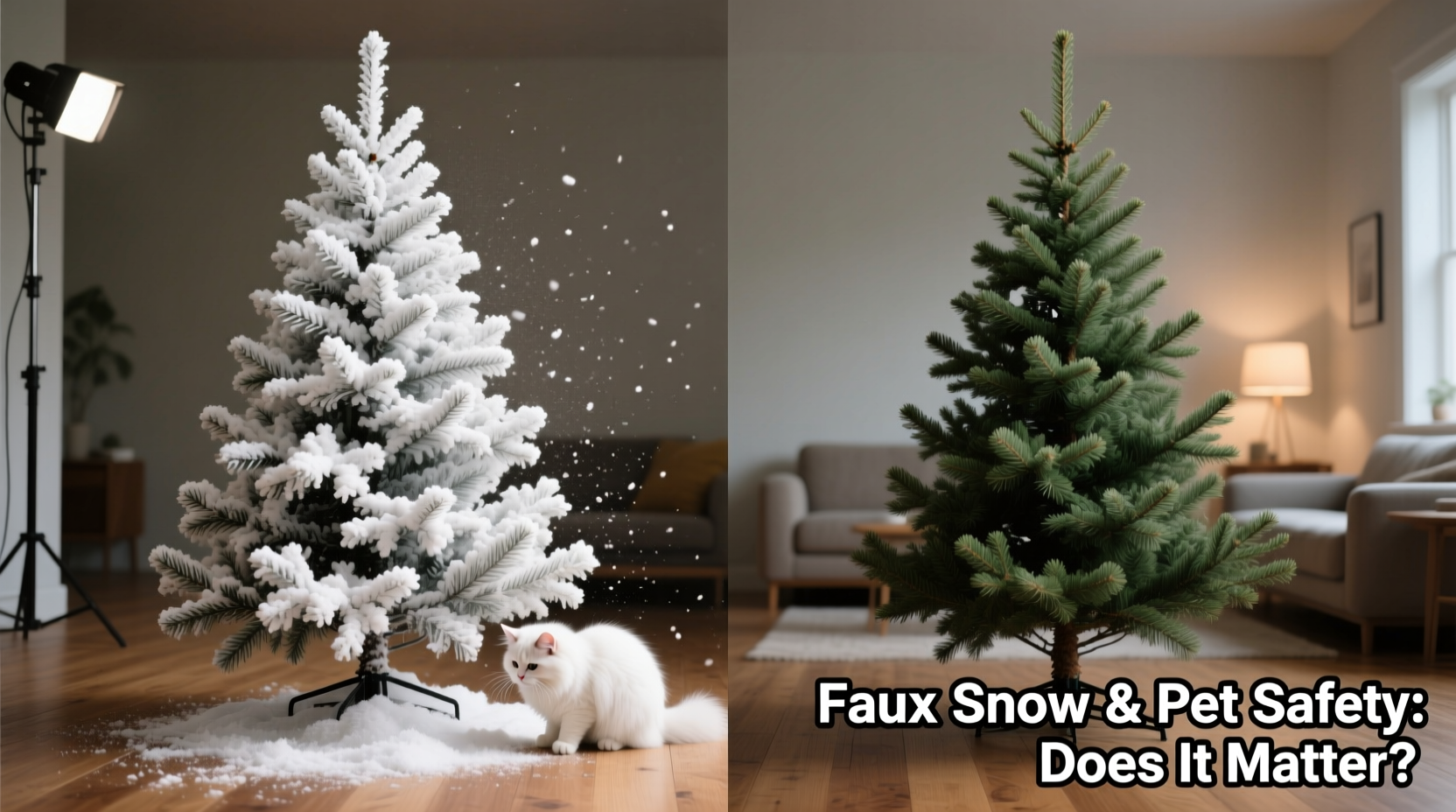
Flocking mimics freshly fallen snow by applying a fine layer of textured material to pine or fir-look branches. In commercial settings, this is often done using electrostatic sprayers that evenly distribute the compound. For DIY enthusiasts, aerosol-based flocking kits are available, though they require careful ventilation and application.
The base composition varies by brand, but most artificial flocking contains:
- Cellulose fibers – derived from recycled paper, providing bulk and texture.
- Adhesives – water- or solvent-based binders that help the material stick to branches.
- Fire retardants – added to meet flammability standards, especially in commercial installations.
- Pigments – usually white or off-white, though colored options exist.
While modern flocking is designed to be non-toxic once cured, residues during application and over time can pose concerns—especially in homes with curious pets or allergy-prone individuals.
Tip: Always allow flocked trees to fully dry and off-gas in a ventilated area before bringing them indoors, especially if using a DIY kit.Dust Accumulation: Does Flocking Make Trees Dust Magnets?
One of the most common complaints about flocked trees is their tendency to collect dust faster than unflocked ones. The textured surface created by flocking increases surface area, giving airborne particles more places to cling. Over time, this results in a dull, grayish appearance—particularly noticeable on white flocking.
A 2022 study conducted by the Indoor Air Quality Research Group at the University of Minnesota found that flocked surfaces in controlled environments accumulated up to 37% more particulate matter over six weeks compared to smooth plastic or PVC surfaces under identical conditions. While the study didn’t focus exclusively on Christmas trees, the principle applies: rougher textures trap more dust.
This isn't just cosmetic. Dust buildup can contribute to respiratory irritation, especially for people with asthma or seasonal allergies. Additionally, dust mixed with residual adhesive compounds may create a sticky film that attracts even more debris, including pet hair and dander.
“Any textured surface will inherently collect more particulates. With flocked trees, regular cleaning becomes essential—not optional.” — Dr. Lena Patel, Environmental Health Scientist
Mitigation Strategies for Dust Control
Managing dust on a flocked tree requires proactive care. Unlike smooth artificial trees, which can be wiped down quickly, flocked models need gentler handling to avoid damaging the coating.
- Use compressed air: Lightly blow dust from branches using a can of compressed air or a low-speed handheld blower. Keep the nozzle at least 6 inches away to prevent dislodging flocking.
- Dry microfiber cloths: Gently brush surfaces with a dry, lint-free cloth. Avoid damp cloths, as moisture can reactivate adhesives and cause clumping.
- Vacuum with care: Use a vacuum with a soft brush attachment on the lowest suction setting. Move slowly to lift dust without pulling fibers loose.
- Pre-season storage sealing: Store the tree in an airtight bag after cleaning. This reduces exposure to attic or basement dust during off-seasons.
Pet Safety: Are Flocked Trees Harmful to Cats and Dogs?
For pet owners, the decision between flocked and unflocked trees often hinges on safety. While artificial trees eliminate risks like sap toxicity or needle ingestion (common with live pines), flocking introduces new variables.
The primary concern is ingestion. Curious cats may bat at dangling \"snow,\" while puppies might chew on lower branches. If flocking flakes break loose, they can be swallowed. Though most commercial flocking is labeled non-toxic, it is not digestible. Large ingestions may lead to gastrointestinal blockages, especially in small breeds.
In a case documented by the ASPCA Animal Poison Control Center, a 9-month-old Cavalier King Charles Spaniel developed mild vomiting and lethargy after chewing on a flocked tree’s lower section. Analysis showed cellulose and adhesive fragments in vomitus. The dog recovered with supportive care, but the incident prompted the ASPCA to issue advisory guidelines on decorative tree materials.
Chemical Residues and Long-Term Exposure
Beyond physical ingestion, there's the question of chemical exposure. Some older flocking products contained formaldehyde-based resins or volatile organic compounds (VOCs) that off-gas over time. While current U.S. consumer products generally comply with EPA standards, imported trees or budget brands may not disclose full ingredient lists.
Cats, in particular, are vulnerable due to their grooming habits. They lick their paws after walking on floors where dislodged flocking may have settled, leading to indirect ingestion. Birds and small rodents in nearby cages may also be affected by airborne particles during setup.
Tip: If you have pets, inspect your tree weekly for loose flocking and clean the floor beneath it daily during peak display time.Comparison: Flocked vs Unflocked Trees
| Feature | Flocked Tree | Unflocked Tree |
|---|---|---|
| Aesthetic Appeal | High – realistic snow-covered look | Moderate – standard artificial appearance |
| Dust Accumulation | High – textured surface traps more particles | Low to moderate – smoother surfaces easier to wipe |
| Pet Safety | Moderate risk – ingestion of flakes possible | Higher – no loose coating to dislodge |
| Cleaning Difficulty | High – requires gentle methods to preserve flocking | Low – can be wiped with damp cloth or mild cleaner |
| Lifespan | 5–7 years (flocking degrades over time) | 10+ years (with proper storage) |
| Allergy Considerations | Potential irritant due to dust retention and VOCs | Generally safer for sensitive individuals |
Real-Life Scenario: The Thompson Family’s Holiday Dilemma
The Thompsons, a family of four in suburban Denver, loved the nostalgic charm of a snow-laden forest. Each year, they opted for a pre-lit flocked tree, believing it enhanced the holiday magic. But two years ago, their youngest daughter, Lily, began coughing more frequently during December. Their pediatrician suggested environmental triggers, prompting an indoor air quality test.
The results showed elevated particulate levels near the living room, where the tree was placed. Further inspection revealed visible dust-flock mix on shelves and electronics. After switching to an unflocked tree and using an air purifier, Lily’s symptoms improved significantly.
They still wanted a snowy effect, so they compromised: they kept the unflocked tree but added battery-powered snowflake projectors and sheer white garlands. “We got the winter vibe without the mess,” said Mark Thompson. “And our cat hasn’t sneezed once this season.”
Step-by-Step Guide to Safe Flocked Tree Use
If you’re committed to a flocked tree, follow this timeline to minimize risks:
- Week 1 (Setup): Assemble the tree in a garage or well-ventilated space. Let it sit for 24 hours to off-gas any residual fumes.
- Day 2 (Inspection): Check for loose flocking. Gently shake each section over a dark sheet to catch falling particles. Discard or repair heavily shedding sections.
- Day 3 (Placement): Position the tree away from high-traffic areas and pet zones. Use a sturdy stand with a wide base to prevent tipping.
- Weekly (Maintenance): Blow dust off with compressed air. Vacuum the floor beneath daily. Keep pets from interacting with lower branches.
- After Holidays (Storage): Clean thoroughly, let dry, and store in a sealed plastic bag. Label it clearly to avoid confusion next year.
FAQ
Can I make my own flocked tree safely?
DIY flocking is possible but risky. Aerosol kits release fine particles that can be inhaled. Work outdoors with a mask and goggles. Never apply near pets or children. Even then, homemade flocking tends to shed more than professional versions.
Are there pet-safe alternatives to traditional flocking?
Yes. Some companies now offer “eco-flock” made from biodegradable cellulose and non-toxic binders. Look for certifications like ASTM F963 (toy safety standard) or GREENGUARD Gold, which indicate low emissions.
How do I know if my tree’s flocking is peeling?
Inspect under bright light. Peeling appears as patchy areas where the white coating lifts or cracks. Run a gloved hand lightly over branches—if residue sticks to the glove, shedding is occurring.
Expert Recommendations for Long-Term Use
Dr. Elena Ruiz, a veterinarian specializing in household toxicology, advises caution: “The biggest danger isn’t acute poisoning—it’s chronic, low-level exposure. Repeated ingestion of tiny particles can inflame the gut lining over time, especially in cats.”
“Pet owners should prioritize function over form. A beautiful tree isn’t worth a vet bill.” — Dr. Elena Ruiz, DVM, Household Toxicology Specialist
She recommends opting for unflocked trees in multi-pet homes, or using temporary snow effects like removable tinsel snow, cotton batting (used sparingly and kept out of reach), or LED-lit snowflakes.
Final Checklist Before Choosing Your Tree
- ✅ Do:
- Choose UL-certified trees with fire-resistant labels.
- Check for shedding by testing a sample branch.
- Use air purifiers in rooms with flocked trees.
- Store in airtight containers to reduce dust buildup.
- ❌ Don’t:
- Place flocked trees near heat sources (dries out adhesive).
- Allow pets unsupervised access to the tree.
- Use water or cleaners directly on flocked surfaces.
- Reuse trees that show significant flocking degradation.
Conclusion
The choice between flocked and unflocked Christmas trees isn’t just about aesthetics—it’s about long-term comfort, cleanliness, and safety. Flocking delivers undeniable visual charm, but it comes with trade-offs: increased dust retention, higher maintenance, and potential risks for pets and sensitive individuals. Unflocked trees, while less dramatic, offer durability, easier cleaning, and greater peace of mind.
Ultimately, the best tree is one that fits your home’s lifestyle. Whether you embrace the snowy illusion or prefer a cleaner, simpler look, informed decisions lead to safer, more enjoyable holidays. Assess your household needs, consider your pets, and don’t let tradition override well-being.
💬 Have experience with flocked trees and pets? Share your story in the comments—your insight could help another family avoid a holiday hazard.








