In today’s design-conscious homes, the bar cart has evolved—not into something larger or more ornate, but quieter, more intentional, and deeply integrated into the architecture of daily life. Floating spirit bottles displays respond to this shift: they remove visual clutter, elevate functional objects into sculptural elements, and reflect a mature understanding of space, light, and restraint. This isn’t about showing off a collection—it’s about curating presence. When executed thoughtfully, a floating bottle display becomes a focal point that balances minimalism with warmth, precision with personality, and utility with artistry.
The Design Philosophy Behind Floating Bottle Displays
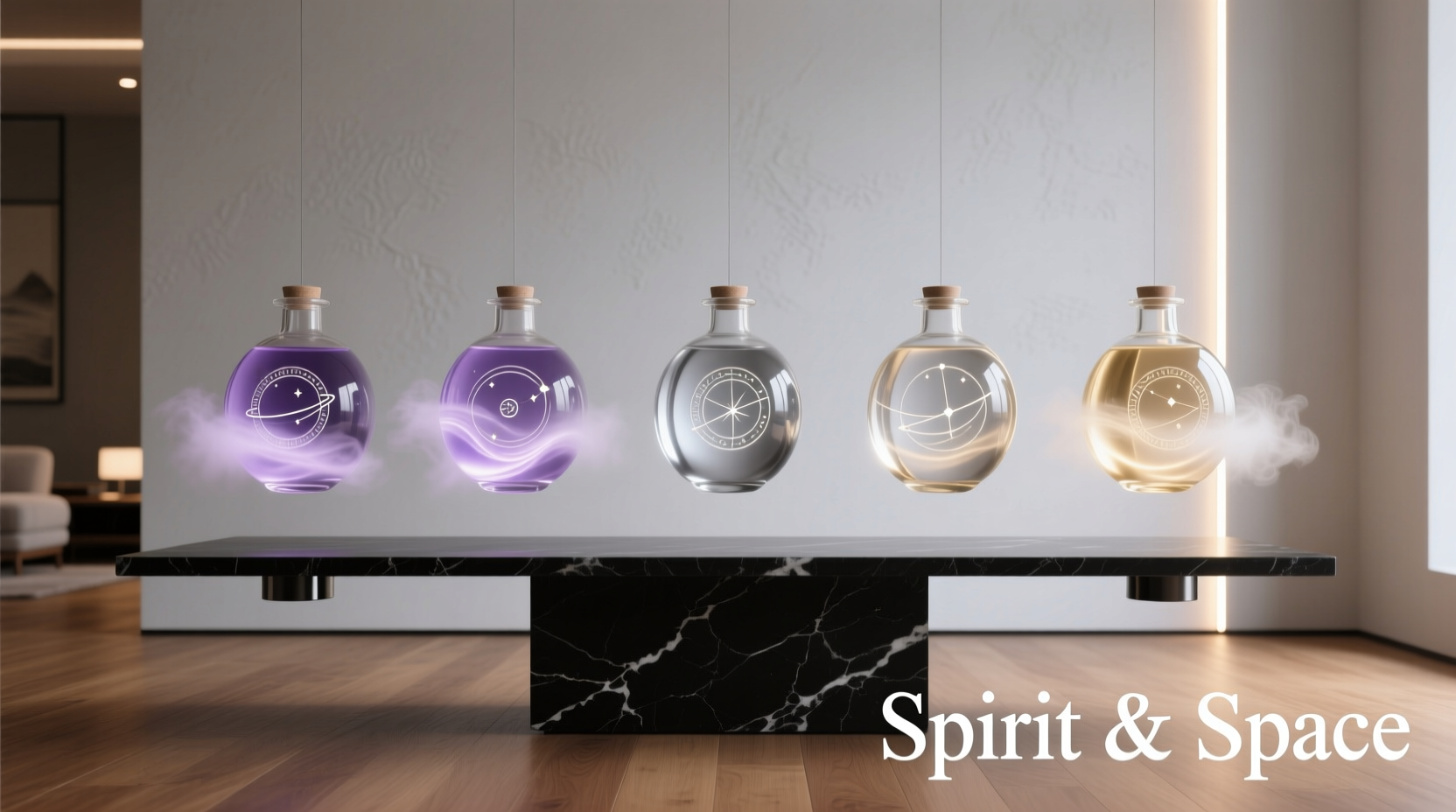
Floating displays draw from three converging design currents: Japanese ma (the intentional use of negative space), Scandinavian functionalism, and contemporary American material honesty. Unlike traditional shelving or cabinets, floating systems eliminate visual anchors—no bulky frames, no supporting brackets visible from the front. What remains is the bottle itself, suspended in context like an artifact in a museum vitrine. This approach works especially well in open-plan living rooms where floor space is at a premium and sightlines must remain unobstructed.
Crucially, “floating” doesn’t mean weightless in execution. It requires structural integrity, precise load calculations, and careful attention to wall composition. A successful installation feels effortless because it is engineered to be so—not because it was improvised. The bottles become secondary to the *relationship* between object, wall, and ambient light: how amber liquid catches afternoon sun through a north-facing window; how matte glass diffuses backlighting; how a single bottle’s curve echoes the arc of a nearby sofa arm.
Tip: Start with no more than five bottles—even in large rooms. Visual rhythm matters more than volume. Edit ruthlessly before mounting.Structural Essentials: What Makes a Float Truly Stable?
A floating display fails not from poor aesthetics, but from overlooked engineering. Most residential walls consist of drywall over wood or metal studs—neither of which can reliably support heavy glass and liquid without reinforcement. A standard 750ml whiskey bottle filled with spirit weighs approximately 1.3–1.6 kg. Five bottles? That’s 6.5–8 kg—plus bracket weight, vibration tolerance, and safety margin. Underestimating this leads to sagging, cracking, or worse.
Professional installers follow a non-negotiable sequence: locate studs using a calibrated stud finder (not a magnet-based one), verify depth and spacing with a drill probe, and anchor directly into solid wood or use toggle bolts rated for *at least double* the projected load. Surface-mounted French cleats or recessed aluminum channels are preferred over single-point shelf brackets, which create torque stress on drywall edges.
| Mounting Method | Max Load per Unit | Best For | Risk if Misapplied |
|---|---|---|---|
| Stud-anchored aluminum channel (30mm deep) | 12 kg per 60cm segment | All bottle sizes; high-ceiling rooms | None—when installed per spec |
| Heavy-duty toggle bolt + hardwood cleat | 7 kg per cleat | Medium bottles (500–750ml); plasterboard only | Wall cracking under thermal expansion |
| Adhesive-backed acrylic ledge (non-structural) | 1.5 kg max | Miniature bottles (50ml) or decorative glassware only | Sudden detachment; not recommended for spirits |
| Recessed wall cavity mount | 15+ kg | New construction or major renovation | Requires framing modification; not retrofittable |
Always consult a licensed contractor if your wall contains plumbing, electrical conduits, or fire-rated assemblies. In rental units, obtain written permission—and consider removable track systems designed for lease-compliant installations.
Curation Principles: Selecting & Arranging Bottles for Impact
A floating display reveals what you choose to keep visible. That makes curation both an aesthetic and ethical act. Avoid arranging by brand alone or alphabetically—these read as inventory, not intention. Instead, group by one dominant visual attribute: color temperature, neck proportion, base geometry, or label typography. A cohesive palette of amber spirits (bourbon, aged rum, mezcal) reads as warm and grounded; clear vodkas, gins, and blanco tequilas evoke cool clarity. Introduce contrast deliberately: a single cobalt-blue digestif bottle amid neutral tones acts as punctuation—not decoration.
Height variation creates natural hierarchy. Place taller bottles (e.g., 1L Scotch) at ends or center-back; shorter ones (750ml rye, 500ml amaro) in front. Leave 8–10 cm between bottles to prevent visual crowding and allow airflow—critical for preserving cork integrity and preventing condensation buildup. Never mount bottles directly above heat sources (radiators, HVAC vents) or in direct UV exposure; ultraviolet light degrades ethanol and fades labels irreversibly.
“The most compelling bottle displays tell a story of taste, not taxonomy. They show restraint, memory, and quiet confidence—not accumulation.” — Lena Torres, Interior Designer & Author of *Material Silence*
Step-by-Step Installation Guide
Follow this verified sequence for a secure, visually resolved installation. Allow 3–4 hours from layout to final placement—including drying time for anchoring adhesives if used.
- Measure & Map: Use painter’s tape to outline the intended shelf plane on the wall. Mark stud centers with a pencil. Confirm spacing matches your chosen mounting system’s requirements (e.g., 40cm apart for channel brackets).
- Prep Wall Surface: Sand rough patches, fill nail holes, and clean with isopropyl alcohol. Let dry completely. Apply primer if painting over patched areas.
- Install Anchors: Drill pilot holes into studs or use appropriate toggles. Insert anchors fully. Do not overtighten—this compresses drywall and reduces holding power.
- Mount Bracket System: Secure channel rails or cleats level (use a laser level, not bubble). Tighten all screws gradually in alternating pattern to prevent warping.
- Test Load Gradually: Hang one empty bottle. Wait 15 minutes. Add second. Repeat until full. Observe for any flex, creak, or movement. If detected, recheck anchors and torque.
- Final Placement: Wipe bottles with microfiber cloth. Arrange per your curation plan. Step back. Adjust spacing by ±0.5 cm until rhythm feels resolved—not symmetrical, but balanced.
Real-World Application: The Brooklyn Loft Transformation
When architect Maya Chen renovated her 750 sq ft Williamsburg loft, she faced a common constraint: a 4.2m-long blank wall separating the living area from the kitchenette. Her client—a sommelier and cocktail enthusiast—wanted access to 12 core spirits without sacrificing openness. Standard cabinetry would have visually severed the space; a freestanding bar cart competed with circulation.
Maria proposed a dual-tier floating system: a primary 2.4m horizontal channel at eye level (145cm from floor) for everyday bottles (gin, vermouth, bourbon), and a secondary 1.2m vertical channel recessed 10cm beside the entry archway for specialty items (aged pisco, barrel-proof rye, vintage Chartreuse). Both used powder-coated matte black aluminum with concealed silicone bumpers to prevent bottle slippage. Labels faced outward, but necks angled slightly inward—creating subtle shadow play at dusk.
The result? A functional bar that reads as architectural detail. Guests notice the craftsmanship before the contents. More importantly, the display encouraged mindful consumption: bottles aren’t grabbed reflexively but selected deliberately—transforming routine into ritual. Six months later, Maya reported zero maintenance issues and frequent compliments on the “sculptural calm” it introduced.
Do’s and Don’ts for Long-Term Integrity
- Do rotate bottles quarterly to prevent sediment settling in aged spirits (especially rums and whiskeys).
- Do wipe bottle bases monthly with dry microfiber to remove dust buildup that can scratch mounts.
- Do replace corks every 3–5 years on bottles stored upright longer than 12 months—cork desiccation accelerates without liquid contact.
- Don’t hang bottles by neck-only mounts unless explicitly rated for full liquid weight and tested for lateral sway.
- Don’t use abrasive cleaners on glass or metal components—vinegar-water solution (1:3) suffices for most residues.
- Don’t mix bottle types with wildly different weights on the same rail—uneven load distribution stresses anchors over time.
FAQ
Can I install a floating bottle display on tile or stone walls?
Yes—but only with specialized anchors. For ceramic tile, use carbide-tipped masonry bits and epoxy-set threaded inserts. For natural stone, consult a stonemason: drilling requires diamond-core bits and water cooling to prevent microfractures. Never use standard plastic wall plugs.
How do I handle bottles with irregular shapes—like slosh bottles or ceramic decanters?
Use custom-molded silicone cradles secured to the mounting rail with stainless steel straps. These distribute pressure across the widest part of the vessel, not the neck or base. Avoid adhesive solutions—they degrade with temperature fluctuation and alcohol vapor exposure.
Is humidity a concern for floating displays in coastal or humid climates?
Yes. Relative humidity above 65% encourages condensation inside sealed bottles and promotes oxidation in partially consumed spirits. Install a discreet hygrometer near the display and maintain RH between 45–55% using a dehumidifier or HVAC zoning. Avoid placing displays directly above humidifiers or steam vents.
Conclusion
A floating spirit bottles display is more than a trend—it’s a distillation of contemporary living values: clarity of purpose, respect for materials, and reverence for the everyday ritual. It asks you to slow down, to choose meaningfully, and to trust that absence—of clutter, of excess, of noise—can generate its own kind of richness. Your living room isn’t just a backdrop for life; it’s the first sentence of every conversation you host, every quiet evening you keep. Let that sentence be deliberate. Let it breathe. Let it hold only what truly belongs.
Start small. Choose three bottles that speak to your palate and your space. Measure twice. Anchor once. Then step back—not to admire, but to inhabit the calm you’ve made.
💬 Your turn. Share your first floating display experience—or your biggest hesitation—in the comments. We’ll respond with tailored advice and real-world solutions.








