Fur has long been a symbol of opulence, warmth, and refined taste in fashion. While the conversation around fur has evolved significantly—with growing emphasis on ethical sourcing and faux alternatives—the allure of fur accessories remains undeniable. When styled thoughtfully, fur can elevate even the most minimalist outfit into something luxurious and seasonally appropriate. The key lies not in excess, but in intentionality. From a trim on a coat collar to a full stole, fur accessories offer texture, contrast, and depth that few other materials can match.
This guide explores how to integrate fur elements into your wardrobe with sophistication and modern sensibility. Whether you're drawn to vintage glamour, contemporary minimalism, or sustainable fashion, these expert-backed strategies will help you wear fur with confidence and style.
Choose the Right Type of Fur for Your Aesthetic
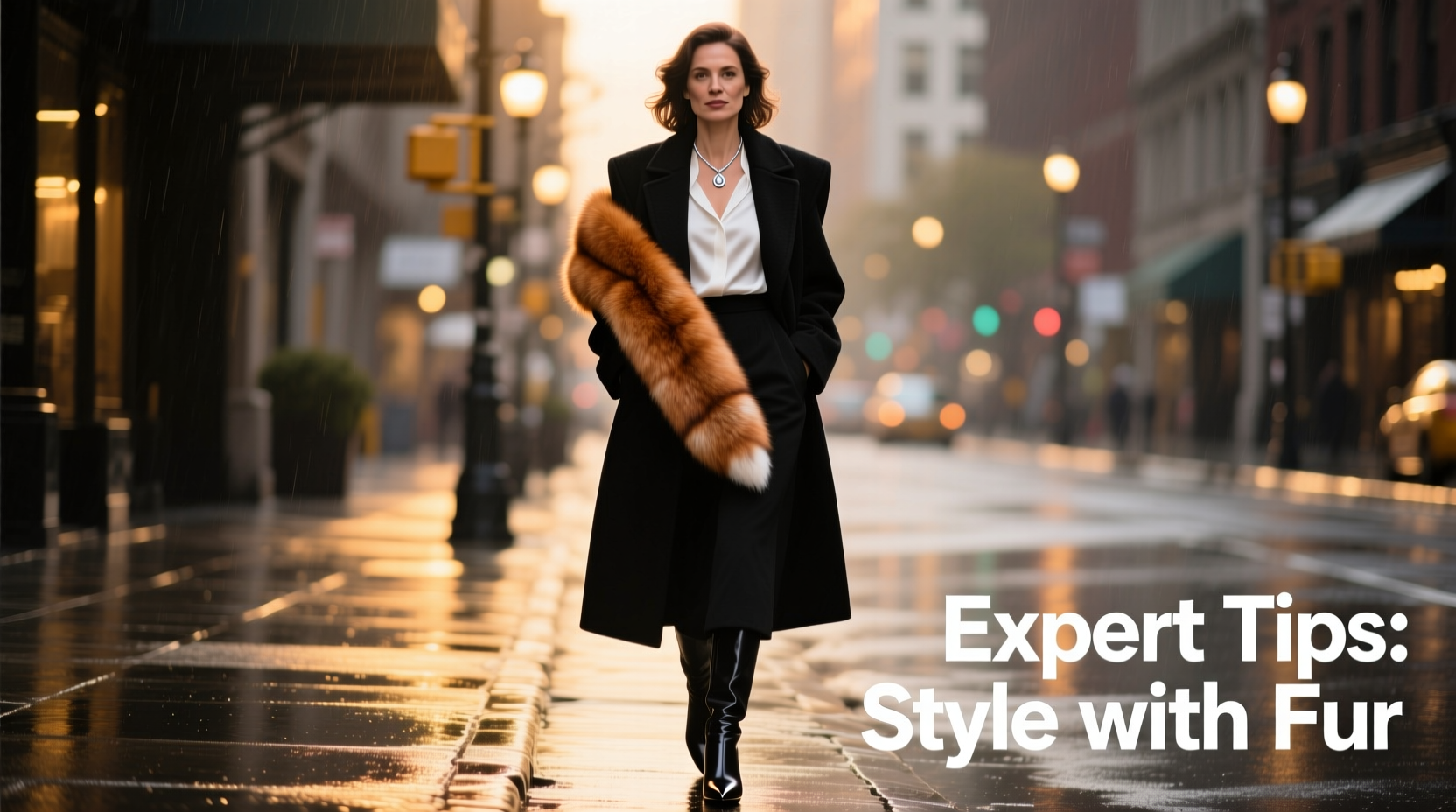
The first step in styling fur is understanding the different types available and how they align with your personal style. Natural fur offers unmatched softness and insulation, while high-quality faux fur has advanced dramatically in recent years, mimicking real fur with remarkable realism and ethical appeal.
| Type | Best For | Styling Tip |
|---|---|---|
| Real Fox | Luxury outerwear trims, stoles | Pair with structured coats to balance volume |
| Faux Shearling | Casual jackets, boot cuffs | Use to add warmth without heaviness |
| Rabbit Fur | Hats, ear warmers | Opt for dyed versions for bold color statements |
| Eco-Fur (Recycled Materials) | Sustainable fashionistas | Mix with neutral knits for understated elegance |
Selecting fur based on texture, weight, and ethical considerations ensures your choices reflect both taste and values. Designers like Stella McCartney and Gabriela Hearst have championed cruelty-free alternatives without sacrificing aesthetic impact, proving that luxury and ethics can coexist.
Tip: When in doubt, opt for faux fur made from recycled fibers—it’s often more durable, easier to clean, and aligns with modern sustainability standards.Master the Art of Proportion and Balance
Fur commands attention. Even small accents can shift the visual weight of an outfit. To avoid overwhelming your silhouette, consider proportion carefully. A voluminous fur collar pairs best with sleek, streamlined under-layers, while delicate fur-trimmed gloves can enhance a tailored ensemble without dominating it.
- Pair a chunky fur vest with slim-fit trousers or a pencil skirt.
- Avoid layering multiple bulky textures—stick to one statement fur piece per outfit.
- Use fur accessories to draw attention upward—ideal for elongating the torso or highlighting facial features.
For petite frames, shorter trims or smaller accessories like fur muffs or earmuffs work better than floor-length boas. Taller individuals can carry off longer lines and dramatic silhouettes with ease.
“Fur should accent, not define, the wearer. The goal is harmony between the accessory and the body—not competition.” — Lila Moreau, Fashion Stylist & Former Editor at *Vogue Paris*
Seasonal Styling: When and How to Wear Fur
Fur is inherently seasonal, but its application varies by climate and occasion. Understanding when to introduce fur—and how much—is essential for tasteful integration.
Winter: Maximize Warmth and Texture
In colder months, fur shines as both functional and fashionable. Consider full fur-lined coats, hoods, or capes. These pieces perform well in sub-zero temperatures while adding instant polish. Pair a shearling-lined trench with dark denim and ankle boots for a city-ready winter look.
Fall & Spring: Use Fur as an Accent
During transitional seasons, scale back to subtle touches. Fur-trimmed scarves, handbag charms, or lined gloves add interest without overheating. A camel coat with a fox-fur collar transitions seamlessly from autumn leaves to early spring chills.
Summer: Rethink Fur Thoughtfully
While traditional fur is impractical in summer, lightweight eco-fur in pastel tones can appear in evening clutches or decorative brooches. Think of fur not as a material limited by temperature, but as a textural tool adaptable to context.
Tip: Store natural fur items in breathable garment bags during off-seasons, away from direct sunlight and moisture to preserve integrity.Step-by-Step Guide to Building a Fur-Enhanced Wardrobe
Integrating fur doesn’t require a complete wardrobe overhaul. Follow this five-step process to incorporate fur accessories strategically and sustainably.
- Assess Your Existing Style: Identify whether your wardrobe leans classic, edgy, minimalist, or romantic. This determines the type of fur that will blend seamlessly.
- Start Small: Begin with low-commitment pieces like a faux fur hat or a lined clutch. Test how you feel wearing them before investing in larger items.
- Invest in Versatility: Choose neutral-toned fur accessories—charcoal, ivory, or taupe—that pair easily with existing staples.
- Layer Intentionally: Add fur only after establishing a balanced base. Example: a wool dress + tights + knee-high boots + a cropped fur jacket.
- Rotate and Maintain: Alternate fur use to prevent wear and extend lifespan. Clean gently and store properly between wears.
This gradual approach prevents over-accessorizing and allows you to refine your preferences over time.
Real-World Example: Elevating a Work-to-Event Look
Consider Sarah, a marketing executive preparing for a client dinner after work. Her office attire includes a black sheath dress, sheer tights, and pointed pumps. To transition into evening elegance, she adds a short ivory faux fur jacket and swaps her tote for a beaded minaudière trimmed with silver fox fur.
The result? A polished, cohesive upgrade that signals effort without appearing overdressed. The fur accessories provide just enough contrast and softness to soften the formality of her workwear, making her feel confident and appropriately adorned.
This scenario illustrates how fur functions as a transformative tool—bridging function and fantasy with minimal effort.
Frequently Asked Questions
Is it still acceptable to wear real fur today?
Wearing real fur remains a personal and increasingly scrutinized choice. Many countries have banned fur farming, and major fashion houses have gone fur-free. If choosing real fur, ensure it's sourced from regulated, sustainable operations or is vintage/reclaimed. Transparency is key.
How do I clean and care for fur accessories?
Natural fur requires professional cleaning once a year. Avoid water exposure and store in a cool, dry place with cedar blocks to deter moths. Faux fur can often be spot-cleaned with mild soap and air-dried flat—always check manufacturer labels.
Can fur be worn casually?
Absolutely. A shearling-lined denim jacket or a fur-trimmed beanie instantly upgrades a casual weekend look. The secret is balancing the richness of fur with relaxed fabrics like cotton, wool, or jersey to keep the vibe effortless.
Final Checklist: Styling Fur Like a Pro
- ✅ Match fur texture to your personal aesthetic (luxurious, edgy, minimalist).
- ✅ Prioritize proportion—balance volume with fitted garments.
- ✅ Choose ethical options when possible (faux, recycled, vintage).
- ✅ Limit fur to one focal point per outfit.
- ✅ Store properly to maintain shape and softness.
- ✅ Use fur to elevate, not overwhelm, your look.
Conclusion
Fur accessories, when chosen and styled with care, remain one of the most powerful tools in a fashion-conscious wardrobe. They convey warmth, texture, and a sense of considered elegance that transcends trends. Whether you embrace the heritage of real fur or champion the innovation of ethical alternatives, the principles of balance, proportion, and intentionality hold true.
Don’t wait for a special occasion to explore the potential of fur. Start with one versatile piece, wear it with confidence, and observe how it transforms your presence. Fashion is about expression—let your accessories speak with quiet luxury and timeless flair.
💬 Have a favorite fur accessory or styling trick? Share your thoughts and inspire others to wear fur with purpose and pride.








