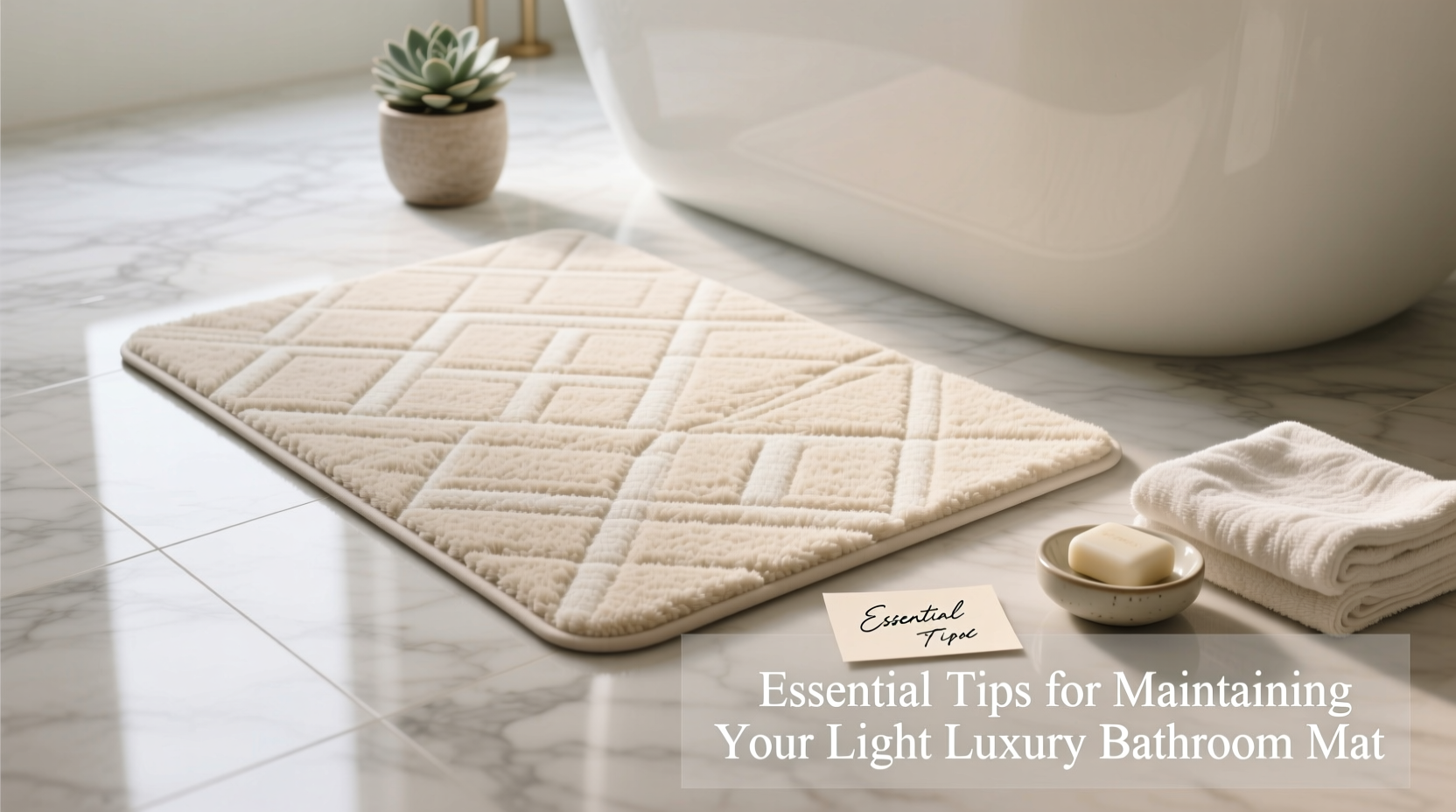
A light luxury bathroom mat sits at the intersection of comfort and elegance. Designed to elevate both the aesthetic and tactile experience of your bathroom, these mats are typically made from premium materials like microfiber, chenille, bamboo blends, or high-grade cotton. While they offer spa-like softness underfoot, their delicate construction demands thoughtful care. Unlike standard bath mats, luxury versions can lose their luster quickly if cleaned improperly or exposed to prolonged moisture. Maintaining them isn’t complicated—but it does require consistency, attention to detail, and a few key practices that preserve texture, color, and hygiene.
Understand Your Mat’s Material Composition
The first step in proper maintenance is knowing what your mat is made of. Light luxury mats often blend natural and synthetic fibers to achieve softness, absorbency, and durability. Common compositions include:
- Microfiber polyester: Highly absorbent, quick-drying, and resistant to mildew but prone to pilling if washed aggressively.
- Chenille: Luxuriously soft with a velvety surface; however, it can flatten over time and requires gentle washing.
- Bamboo-cotton blends: Naturally antimicrobial and eco-friendly, but may shrink if dried at high heat.
- Terry-loop cotton: Classic spa feel, excellent absorbency, but slower to dry and susceptible to mildew in humid environments.
Always check the manufacturer’s label before cleaning. Some luxury mats come with specific instructions such as “hand wash only” or “do not bleach.” Ignoring these can void warranties or permanently damage the fabric.
Tip: Keep the original packaging or tag in a safe place—it often includes vital care symbols and fiber details you’ll need later.Daily and Weekly Maintenance Routine
Daily habits significantly extend the life of your luxury bathroom mat. Because bathrooms are naturally humid, moisture buildup is the biggest threat to both cleanliness and structural integrity.
After each shower or bath, take a moment to fluff the mat and hang it partially over a towel bar or shower rod. This allows air circulation on both sides, reducing dampness and preventing musty odors. If possible, rotate the mat 180 degrees every few days to ensure even wear and drying.
Weekly, shake the mat outside to remove loose hair, dust, and dead skin cells. Avoid using a vacuum with a beater bar, as aggressive bristles can pull fibers and create snags, especially on chenille or looped surfaces.
“Moisture is the silent killer of luxury bathroom textiles. Even 30 minutes of extra drying time can reduce bacterial growth by over 70%.” — Dr. Lena Patel, Textile Hygiene Researcher, Institute for Home Wellness
Step-by-Step Washing Guide
Most light luxury mats can be machine-washed, but only when done correctly. Follow this six-step process to maintain softness and prevent damage:
- Shake and pre-treat: Remove surface debris and spot-clean stains with a drop of mild detergent mixed with water. Gently dab—don’t scrub.
- Use a gentle cycle: Select cold water and the delicate setting on your washing machine. Hot water can cause shrinkage and fiber breakdown.
- Choose the right detergent: Use a non-chlorine, fragrance-free, and dye-free formula. Harsh chemicals degrade fibers and strip natural oils in blended fabrics.
- Wash alone or with similar items: Never wash your bathroom mat with heavy towels or jeans. The friction can cause pilling and mat deformation.
- Air dry whenever possible: Tumble drying—even on low—can melt synthetic fibers or cause excessive shrinkage. Lay flat on a clean, dry towel in a well-ventilated area, flipping halfway through.
- Fluff and reshape: Once dry, gently brush the surface with a soft-bristle clothes brush to restore loft and texture.
Do’s and Don’ts: Care Comparison Table
| Do’s | Don’ts |
|---|---|
| Wash every 1–2 weeks for hygienic upkeep | Leave the mat bunched up after use |
| Use pH-neutral detergents | Use bleach or fabric softeners (they coat fibers and reduce absorbency) |
| Air dry flat away from direct sunlight | Expose to prolonged UV rays (causes fading) |
| Vacuum gently with a handheld nozzle | Use rotating brush attachments |
| Rotate placement monthly to balance wear | Place on unsealed wood or stone floors where moisture pools |
Real Example: How One Household Extended Mat Life by 8 Months
Sarah and James, a couple living in a coastal climate with high humidity, purchased two identical luxury microfiber mats for their master bathroom. They used one in their daily routine and kept the other as a backup. Instead of washing the mat weekly, they left it on the floor continuously, only laundering it every six weeks. Within four months, the mat developed a persistent odor, darkened near the edges, and began shedding fibers.
After consulting a home textile specialist, they implemented a new regimen: hanging the mat to dry after each use, shaking it twice a week, and washing it every 10 days using cold water and a gentle cycle. They also started alternating between the two mats, allowing each full drying time between uses. As a result, both mats retained their original softness and appearance for over 14 months—nearly double the expected lifespan.
Preventing Mold, Mildew, and Odor Buildup
In humid environments, mold and mildew are common issues. These not only compromise hygiene but can permanently stain and weaken fibers. To prevent this:
- Elevate the mat slightly using non-slip grippers with airflow gaps.
- Wipe down the floor beneath the mat weekly to remove residual moisture.
- Add ½ cup of white vinegar to the rinse cycle during washing to naturally disinfect and deodorize.
- Never store a damp mat in a closed cabinet or laundry basket.
If you detect a musty smell, wash immediately with oxygen-based cleaner (like OxiClean) diluted according to instructions. Avoid chlorine bleach, which damages synthetic fibers and causes yellowing.
FAQ
How often should I replace my luxury bathroom mat?
With proper care, a high-quality light luxury mat should last 12 to 18 months. Signs it’s time to replace include persistent odor after washing, thinning patches, fraying edges, or loss of elasticity in the backing.
Can I steam clean my bathroom mat?
Steam cleaning is not recommended for most luxury mats. The intense heat and moisture can distort fibers, melt adhesive backings, and encourage internal dampness that leads to mold. Stick to hand or machine washing as directed.
Why is my mat shedding after the first wash?
Some initial shedding is normal, especially with chenille or brushed microfiber. It usually stops after 2–3 washes. Excessive shedding may indicate poor quality or overly aggressive washing. Always follow care labels precisely.
Care Checklist
Stay on track with this simple maintenance checklist:
- ✅ Hang mat to dry after each use
- ✅ Shake out debris 2x per week
- ✅ Wash every 7–14 days using cold water and gentle detergent
- ✅ Air dry flat, away from direct sunlight
- ✅ Inspect monthly for wear, odor, or discoloration
- ✅ Rotate or alternate mats if using multiple
- ✅ Store properly when not in seasonal use (clean, dry, in breathable cotton bag)
Conclusion
Maintaining a light luxury bathroom mat doesn’t require elaborate tools or expertise—just consistent, mindful habits. By understanding your mat’s material, drying it properly, washing it gently, and staying ahead of moisture-related issues, you preserve not only its appearance but also its function and longevity. These small daily actions compound into significant benefits: a fresher bathroom, improved hygiene, and sustained elegance underfoot.
💬 Have a favorite cleaning hack or product that keeps your bathroom mats looking new? Share your experience in the comments and help others enjoy longer-lasting luxury at home.