Rain needn’t be a reason to stay indoors. In fact, some of the most memorable family adventures happen beneath gray skies and falling drops. With thoughtful preparation and the right mindset, rainy day hikes can become magical experiences that build resilience, spark curiosity, and deepen your child’s connection to nature. The key lies not in avoiding the rain, but in embracing it—with confidence, comfort, and creativity.
Choose the Right Trail and Timing
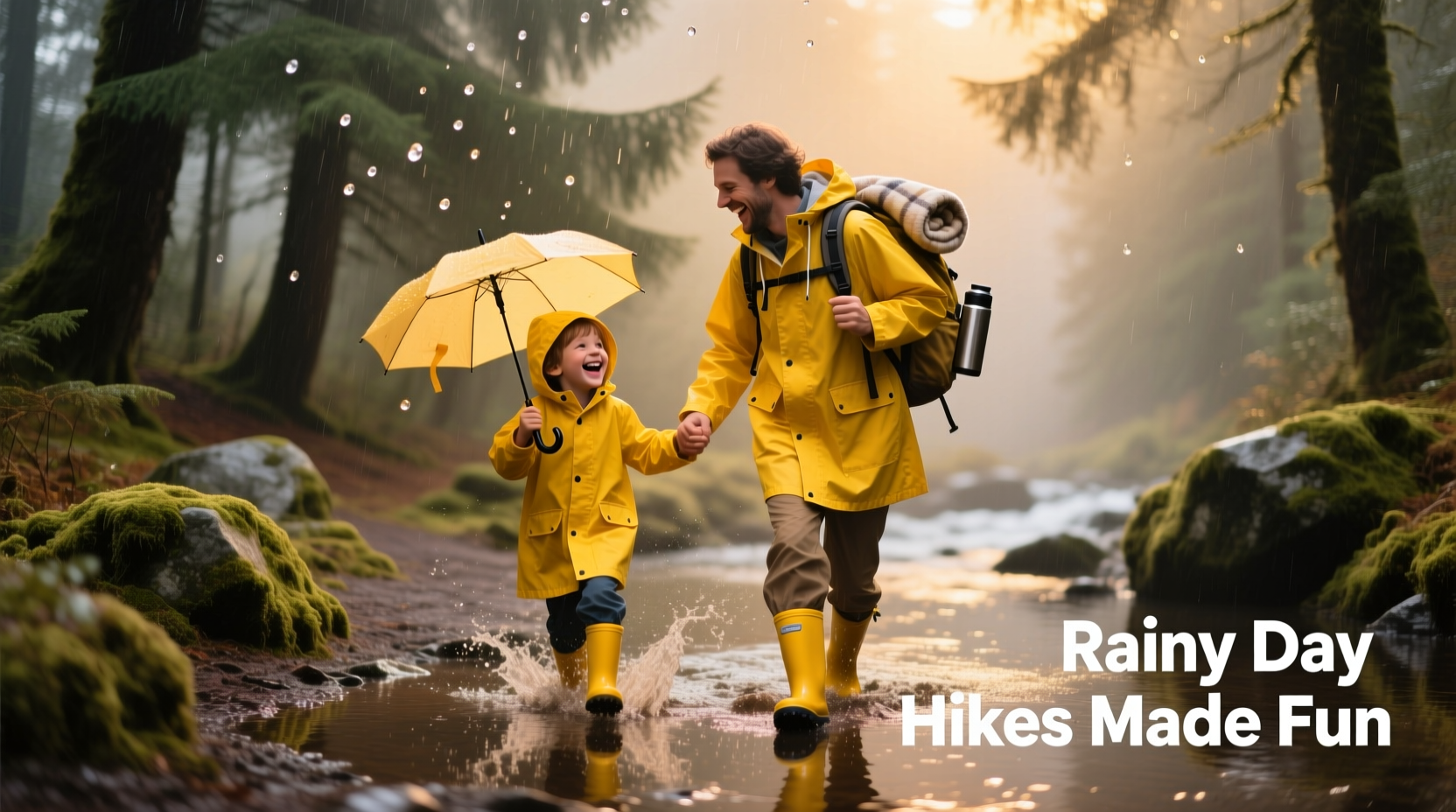
Selecting an appropriate trail is the first step toward a successful wet-weather hike. Opt for shorter loops or well-maintained paths with minimal mud accumulation. Avoid areas prone to flash flooding or slippery rock faces. Forested trails offer natural shelter from wind and light rain, while boardwalks or gravel paths reduce the risk of sinking into muck.
Morning hikes are often ideal. Rainfall tends to be lighter early in the day, and temperatures are more stable. Starting early also gives you time to adjust plans if conditions worsen. Always check the forecast before leaving—not just for rain intensity, but for wind chill and temperature drops, which can compound exposure risks.
Tip: Pick trails close to home or with easy exit points so you can cut the hike short without stress if needed.Dress Smart: Layering and Waterproofing
Keeping your child dry isn’t about wearing one heavy raincoat—it’s about intelligent layering. A proper system includes three layers: base, mid, and outer. Each plays a distinct role in managing moisture and maintaining body heat.
| Layer | Purpose | Recommended Materials |
|---|---|---|
| Base Layer | Wicks sweat away from skin | Merino wool, synthetic fabrics (not cotton) |
| Mid Layer | Insulates and retains warmth | Fleece, down, or synthetic insulation |
| Outer Layer | Blocks rain and wind | Waterproof breathable jacket and pants (e.g., Gore-Tex) |
Don’t forget extremities. Waterproof boots with good tread are essential. Pair them with wool or synthetic socks—never cotton, which holds moisture and increases blister risk. Bring an extra pair of socks to change into mid-hike if feet get damp.
“We teach kids that rain is part of the adventure, not the end of it. Proper gear turns discomfort into discovery.” — Dr. Lena Patel, Pediatric Outdoor Education Specialist
Engage Their Senses: Turn Rain Into Play
Children respond best when an experience feels like play, not endurance. Use the elements as tools for exploration. Encourage your child to listen to the rhythm of raindrops on leaves, watch how water flows down bark, or splash gently in safe puddles. These small interactions transform a soggy walk into a sensory-rich outing.
Bring along simple activities: a waterproof notebook for sketching cloud shapes, a scavenger hunt list (“Find something shiny when wet,” “Hear three bird calls”), or even a mini umbrella decorated with their favorite characters.
Tip: Let your child choose their rain hat or boot color—ownership increases enthusiasm and cooperation.Step-by-Step Guide to a Fun Rainy Hike
- Prepare the night before: Lay out all gear, including extra clothes and snacks.
- Explain the plan: Talk through what to expect—rain sounds, wet leaves, possible detours.
- Start with energy: Begin the hike with a song or game to set a positive tone.
- Pause for discovery: Stop every 15–20 minutes for observation or playful interaction with nature.
- Warm up mid-point: Find shelter under a tree or overhang to drink hot tea or eat a warm snack.
- End on a high note: Finish near a car or home where towels, dry clothes, and cocoa await.
What to Pack: The Ultimate Rainy Day Kit
Overpacking adds weight, but underpacking invites misery. Balance is key. Here’s a checklist of essentials tailored for children:
- Waterproof jacket and pants (with taped seams)
- Insulated, non-cotton layers
- Sturdy waterproof boots
- Extra pair of socks and gloves
- Lightweight backpack with rain cover
- Sealed bag with snacks (nuts, granola bars, dried fruit)
- Thermos with warm drink (apple cider, herbal tea)
- Small towel or quick-dry cloth
- First-aid basics (blister pads, antiseptic wipes)
- Entertainment: waterproof notepad, stickers, or nature bingo card
“Kids adapt quickly when they see adults enjoying the moment. If you’re smiling in the rain, they’ll likely follow.” — Ranger Marcus Bell, National Park Outreach Program
Real Example: The Maple Ridge Adventure
Last October, the Rivera family decided to hike Maple Ridge Trail despite morning drizzle. Eight-year-old Mia was hesitant at first, worried about getting cold. Her parents involved her in packing: she picked her dinosaur-themed rain boots and helped pack her favorite peanut butter crackers. They brought binoculars and a challenge: spot five different birds.
Halfway in, the rain intensified. Instead of turning back, they ducked under a rocky overhang. Dad pulled out a thermos of hot chocolate. Mom read a short story about forest animals in the rain. When they resumed, Mia noticed how moss glistened and insisted on photographing “rain jewels” on spiderwebs with her kid-friendly camera.
They returned soaked but glowing. That night, Mia drew pictures of the hike for her school journal. “It was wet,” she said, “but I felt like a real explorer.”
Avoid Common Pitfalls
Even experienced families make missteps. Some assume a light drizzle won’t matter—until damp clothes lead to shivering. Others overload kids with gear, making movement exhausting. And many forget post-hike care, letting wet clothes sit in backpacks overnight.
To prevent these issues:
- Test gear in the backyard before hitting the trail.
- Keep packs light—under 10% of the child’s body weight.
- Have a drying routine ready at home: hang coats, air out boots, wash muddy items promptly.
Do’s and Don’ts at a Glance
| Do | Don’t |
|---|---|
| Use layered clothing for temperature control | Dress kids in cotton sweatshirts or jeans |
| Bring a hot drink in a spill-proof thermos | Assume water bottles are enough in cool weather |
| Let kids lead discoveries (within safety limits) | Rush through the trail to “get it over with” |
| Plan a cozy reward after the hike | End with screen time instead of reflection |
FAQ
Can young children handle rainy hikes?
Yes, with proper preparation. Toddlers and preschoolers can enjoy short walks if dressed warmly and kept engaged. Limit duration to 30–60 minutes and always have an exit strategy.
What if my child gets scared during a storm?
Stay calm and reassuring. Explain thunder as “clouds bumping together” in age-appropriate terms. If lightning is present, descend to lower ground immediately and seek enclosed shelter. Teach kids early that safety comes first—but fear doesn’t have to rule the day.
How do I keep electronics dry?
Use sealed silicone bags or waterproof cases. Avoid relying on phones for navigation unless protected. Consider a physical map and compass as backups.
Conclusion
Rainy day hikes don’t have to mean discomfort or disappointment. With smart planning, resilient gear, and a playful spirit, these outings can become some of your child’s most cherished memories. Nature doesn’t shut down when it rains—the world transforms. By stepping outside with intention and joy, you teach your child adaptability, wonder, and the quiet courage to embrace life’s messier moments.
💬 Did you take a memorable rainy hike with your child? Share your story in the comments and inspire other families to grab their raincoats and go!








