Korean fashion has long been admired for its minimalist elegance, thoughtful layering, and understated sophistication. At the heart of this aesthetic is not just clothing, but how accessories are used—especially bags. Unlike flashy designer logos or oversized totes, Korean-style bags emphasize proportion, texture, and quiet luxury. They don’t shout for attention; they complement. Styling them well isn’t about following trends—it’s about creating harmony between what you wear and what you carry.
This guide breaks down how to integrate Korean-inspired bags into your daily outfits with ease and intention. From choosing the right silhouette to pairing it with seasonal ensembles, you’ll learn how to elevate your look without overcomplicating it.
The Essence of Korean Bag Aesthetics
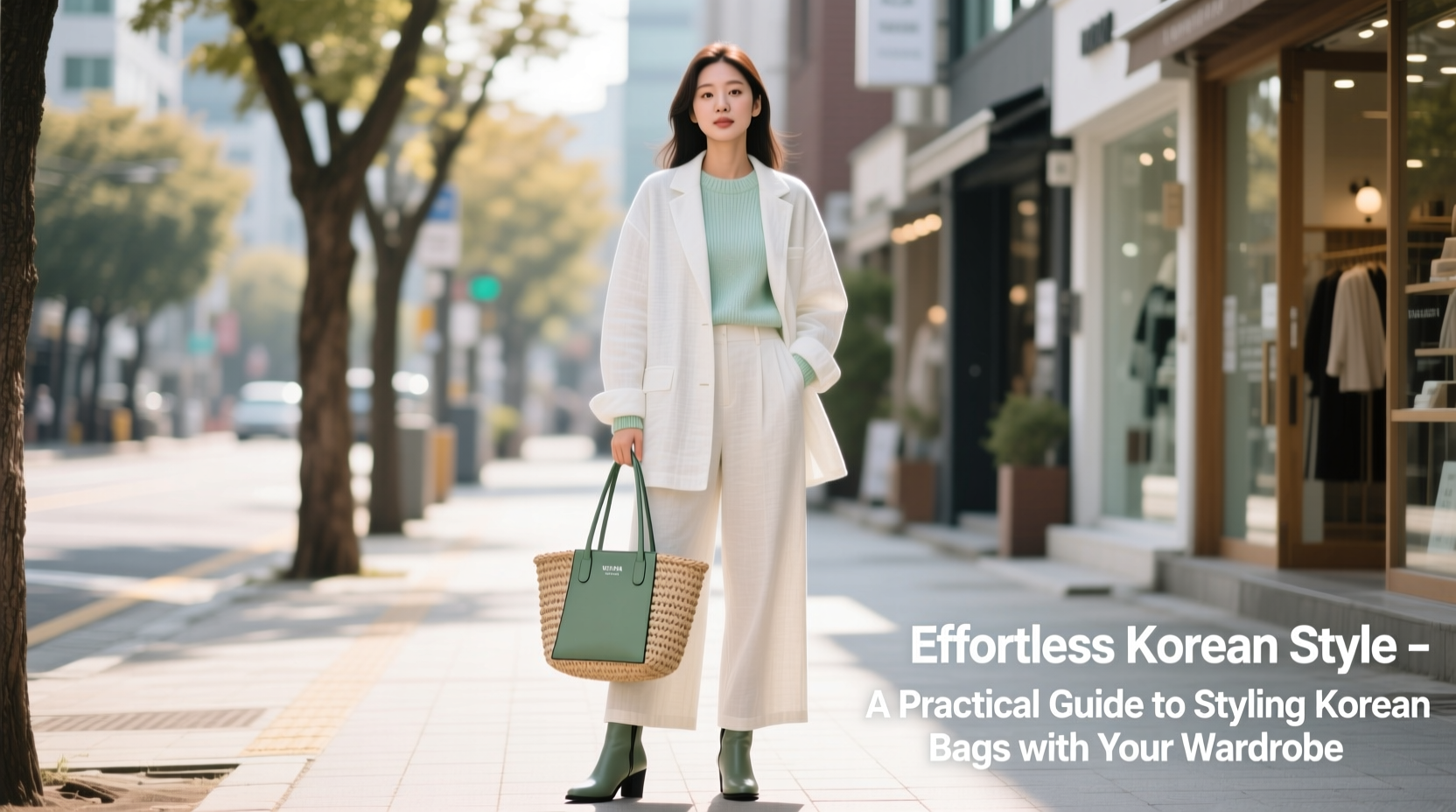
What defines a “Korean-style” bag? It’s less about origin and more about design philosophy. These bags favor clean lines, muted tones, and functional minimalism. Think structured micro bags, soft sling pouches, curved top-handle designs, and compact backpacks in neutral shades like beige, taupe, warm gray, and milk white. Leather alternatives and textured fabrics such as canvas or nylon add subtle dimension without overwhelming the outfit.
Unlike Western trends that often spotlight statement pieces, Korean styling treats the bag as an extension of the outfit—one that enhances, not dominates. The goal is balance: a bag that fits naturally within the flow of your look, like the final brushstroke on a painting.
“Korean fashion values subtlety. The right bag doesn’t complete an outfit—it refines it.” — Ji-hyun Park, Seoul-based stylist and contributor to *Vogue Korea*Tip: When selecting a Korean-style bag, prioritize shape and material over branding. A simple square crossbody in textured vegan leather often reads more authentic than a logo-heavy piece.
How to Choose the Right Korean-Style Bag for Your Body Type
Finding a flattering bag isn’t just about trend alignment—it’s about proportion. Korean fashion emphasizes vertical lines and streamlined silhouettes, so the size and placement of your bag matter.
| Body Type | Recommended Bag Style | Why It Works |
|---|---|---|
| Petite (under 5'4\") | Mini shoulder bags, small slings under 7 inches | Avoids overwhelming the frame; maintains visual balance |
| Tall (5'7\"+) | Medium tote, structured satchel, or boxy backpack | Adds grounded presence without breaking height lines |
| Curvy | Crossbody with adjustable strap, soft hobo | Defines waist subtly and avoids bulk at hips |
| Slender/Rectangle build | Bags with angular shapes or slight volume | Adds gentle structure to create dimension |
Length matters too. For petite individuals, shorter straps keep the bag close to the body, preventing a “swallowed” effect. Taller frames can carry longer straps that hit at the hip for a relaxed yet polished vibe.
Styling Korean Bags with Everyday Outfits
The strength of Korean style lies in repetition and refinement. You don’t need dozens of bags—just a few versatile ones styled thoughtfully across different looks.
1. With Monochrome Minimalism
Pair a warm beige sling bag with an all-gray linen ensemble: wide-leg pants, a tucked-in ribbed tank, and minimalist loafers. Let the bag introduce a single tonal shift, grounding the look without disrupting its calm palette.
2. With Oversized Layers
An oversized blazer and straight-cut jeans create volume up top. Balance it with a small, structured top-handle bag in black or dark brown. Carry it by hand to draw attention upward and maintain poise.
3. With Feminine Dresses
A midi-length cotton dress in oatmeal pairs beautifully with a curved micro bag in milky white. Avoid shiny finishes—opt for matte or lightly pebbled textures to preserve the softness of the look.
4. With Streetwear-Inspired Looks
For a sporty yet refined twist, match a compact nylon backpack in charcoal with cargo pants, a cropped hoodie, and chunky sneakers. Keep the rest of the palette neutral to let the functional design shine.
Tip: Match your bag’s undertone to your outfit. A cool gray bag suits silver jewelry and cool-toned denim; a warm tan complements gold accents and earthy knits.Step-by-Step Guide: Building a Capsule Bag Collection
You don’t need ten bags. Three well-chosen Korean-style bags can cover 90% of your wardrobe needs. Follow this timeline to build a curated set:
- Week 1: Assess Your Wardrobe – Identify your most-worn color families and outfit types. Do you lean casual, office-ready, or weekend-chic?
- Week 2: Define Core Needs – Choose one everyday bag (e.g., medium sling), one formal piece (small top handle), and one functional option (compact backpack or tote).
- Week 3: Select Colors Strategically – Pick neutral shades that align with your dominant tones. Beige, gray, black, and navy are ideal starters.
- Week 4: Test & Refine – Wear each bag with three different outfits. Note which combinations feel natural and which fall flat.
- Ongoing: Rotate Mindfully – Use each bag weekly. If one remains unused for two months, consider swapping it for better versatility.
Common Mistakes to Avoid
- Over-accessorizing: Adding multiple bold jewelry pieces with a delicate bag creates visual clutter.
- Mismatched textures: Pairing a sleek patent bag with rugged denim and chunky boots disrupts cohesion.
- Ignoring scale: Carrying a giant tote with a dainty slip dress breaks proportion.
- Seasonal neglect: Using a heavy leather bag in summer or a flimsy canvas pouch in winter feels off-key.
“In Korea, we say ‘less noise, more meaning.’ Your bag should whisper, not shout.” — Min-ji Lee, fashion editor at *Elle Korea*
Mini Case Study: How Soo-jin Styled Her Commute Look
Soo-jin, a 29-year-old UX designer in Busan, wanted a polished yet comfortable work look. She wore light-wash straight-leg jeans, a cream turtleneck, and white sneakers. Initially, she carried a large black tote, which made her appear weighed down.
She switched to a soft taupe sling bag with an adjustable strap, allowing her to wear it crossbody during her bike commute and shorten it for office wear. The smaller size emphasized her waist, and the warm tone softened the contrast between denim and cream. Colleagues noticed she looked “more put-together,” though she was wearing nearly the same clothes.
The change wasn’t in the outfit—it was in the accessory’s fit, color, and function.
Checklist: Styling Your Korean Bag Like a Pro
- ✅ Choose bags in neutral, wearable tones
- ✅ Match bag size to your body frame
- ✅ Coordinate texture with your outfit (e.g., smooth leather with tailored wool)
- ✅ Carry the bag at a length that balances your silhouette
- ✅ Limit additional accessories when using a standout bag shape
- ✅ Store bags in breathable cloth pouches to maintain shape
FAQ
Can I wear a Korean-style bag if I’m not into minimalist fashion?
Absolutely. Even in bold or colorful wardrobes, a neutral Korean bag can act as a grounding element. Try pairing a vibrant floral dress with a small black curved crossbody—the contrast adds depth while keeping the look intentional.
Are Korean bags practical for daily use?
Many are designed with functionality in mind. Look for interior pockets, water-resistant materials, and secure closures. While some styles are ultra-mini, others—like structured totes or padded slings—are ideal for carrying essentials like a phone, wallet, keys, and small umbrella.
How do I care for my Korean-style bag to make it last?
Use a fabric-safe wipe for quick cleanups. Store in a cool, dry place inside a cotton dust bag. Avoid hanging leather or structured bags long-term, as this can distort their shape. For nylon or coated fabrics, spot-clean with mild soap and air dry flat.
Conclusion
Effortless Korean style isn’t about perfection—it’s about intention. A well-chosen bag elevates your entire presence by reflecting mindfulness in every detail. Whether you’re walking to work, meeting friends, or traveling through the city, the right bag becomes a quiet companion to your personal narrative.
You don’t need to overhaul your wardrobe. Start with one piece—a softly structured sling, a minimalist top handle, or a compact backpack—and pair it with what you already love. Observe how it changes the rhythm of your look. Over time, these small choices accumulate into a signature style that feels both modern and timeless.
💬 Which Korean bag style resonates most with your wardrobe? Share your favorite combination in the comments—we’d love to hear how you make it your own.








