Fragrance candles do more than illuminate a room—they set moods, evoke memories, and transform spaces with their aromatic presence. Yet, many candle lovers find themselves disappointed when the scent fades too quickly or the wax burns unevenly in just a few uses. The truth is, with the right care and burning practices, you can significantly extend both the fragrance throw and lifespan of your favorite candles. Understanding the science behind wax, wicks, and scent diffusion allows you to get the most value and ambiance from every candle you own.
Understanding Candle Composition
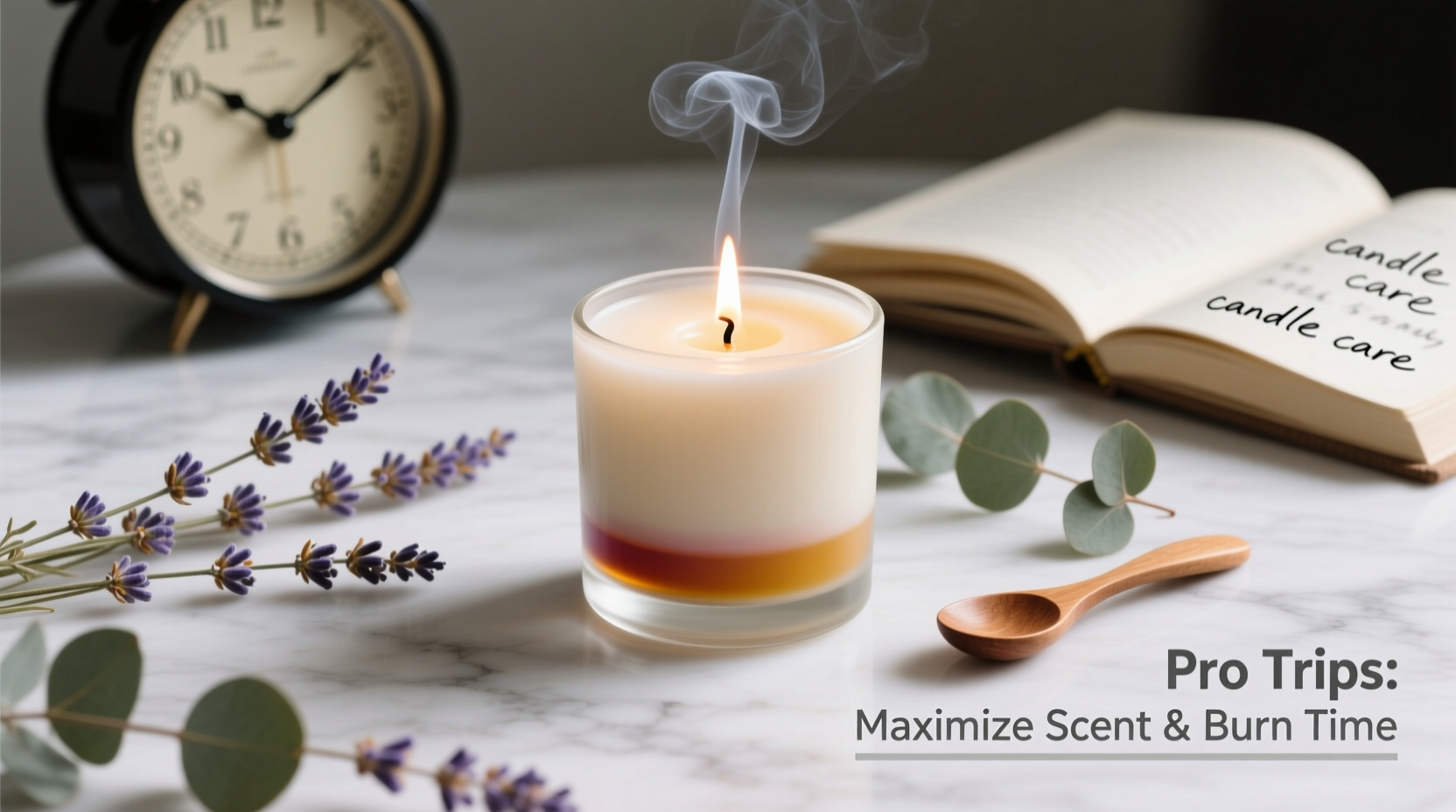
Candles are more than just wax and fragrance—they’re carefully balanced systems. Most scented candles consist of three core components: wax (soy, paraffin, coconut, or blends), a cotton or wood wick, and fragrance oil. The quality and ratio of these elements determine how well a candle performs over time.
For instance, soy wax holds fragrance well and burns cleanly but may require a larger wick to maintain a strong hot throw. Paraffin wax offers excellent scent projection but can produce more soot if not properly maintained. The fragrance load—the percentage of essential or synthetic oils in the wax—also plays a critical role. Too little, and the scent is weak; too much, and it can clog the wick or cause tunneling.
“Proper formulation and mindful usage are equally important. A high-quality candle poorly burned will underperform every time.” — Laura Bennett, Master Candle Artisan & Founder of Luminary Scents
Optimize Your First Burn
The first time you light a candle sets the tone for its entire life. This initial burn establishes the wax pool, which influences future performance. If the candle isn’t allowed to melt evenly across the surface during the first use, it can develop “tunneling”—a narrow channel down the center—leaving unused wax along the edges.
To prevent this, allow your candle to burn long enough for the melted wax to reach the edges of the container. As a general rule, burn one hour for every inch in diameter. For example, a 3-inch-wide candle should burn for at least three hours on the first lighting. Never exceed four hours per session to avoid overheating the vessel or wick.
Tip: Trim the wick to ¼ inch before the first burn to ensure a clean, even flame.Wick Maintenance for Maximum Efficiency
The wick is the engine of your candle. An improperly trimmed or mushroomed wick leads to soot, flickering, and inefficient burning. Over time, carbon buildup forms a small black ball at the tip of the wick, reducing oxygen flow and weakening the flame.
Before each lighting, trim the wick using wick trimmers or nail clippers. This promotes a steady flame, reduces smoke, and helps the candle burn slower and more evenly. For wood wicks, gently break off the charred portion rather than cutting.
Avoid letting debris like matches or trimmings fall into the wax pool, as they can ignite unexpectedly or clog the wick. Keeping the wick centered also ensures uniform melting. If it drifts, gently reposition it while the wax is still soft after extinguishing.
Storage and Handling Between Uses
How you store your candle when not in use affects its longevity and scent strength. Exposure to heat, sunlight, and air can degrade fragrance oils and discolor wax. Always keep candles in a cool, dark place away from windows or radiators.
If storing for extended periods, cover the candle with its original lid or wrap it in breathable fabric. Avoid plastic wrap, which can trap moisture and encourage mold growth. Scented candles should also be kept away from strong odors—like cleaning supplies or spices—as they can absorb surrounding smells.
| Factor | Best Practice | Avoid |
|---|---|---|
| Temperature | Store between 60–75°F (15–24°C) | Hot cars or attics |
| Light Exposure | Keep in dark cabinets or drawers | Direct sunlight |
| Airflow | Use lids or cloth covers | Open shelves near kitchens |
| Humidity | Dry environments only | Bathrooms or basements |
Enhancing Fragrance Throw and Burn Duration
To truly maximize both scent diffusion and burn time, consider environmental and behavioral adjustments. Room size, airflow, and placement all influence performance.
Place your candle on a stable, heat-resistant surface away from drafts. Air currents from fans, vents, or open windows disrupt the flame and create uneven melting. Smaller rooms concentrate fragrance better, enhancing scent throw without needing stronger candles.
For candles that seem weak in aroma, try the “warm-up” method: burn the candle for two full hours, then extinguish and let it rest for 30 minutes. Relighting often reveals a stronger scent as the wax reabsorbs and redistributes fragrance.
Tip: Rotate multiple candles instead of using one continuously—this prevents fatigue and preserves scent integrity.Step-by-Step Guide to Prolonging Candle Life
- Trim the wick to ¼ inch before each burn.
- Allow full melt pool to form during the first burn (one hour per inch of diameter).
- Burn in sessions of 2–4 hours max to avoid overheating.
- Extinguish safely using a snuffer or wick dipper—never blow out, which spreads soot.
- Let cool completely before moving or covering.
- Store covered in a cool, dark place.
- Re-center wick if needed while wax is still semi-soft.
Real-World Example: Reviving a Fading Candle
Sarah had a beloved lavender-vanilla candle that lost its scent after five uses. Despite regular burning, the fragrance barely filled her bedroom. After researching best practices, she adjusted her routine: she began trimming the wick religiously, extended her first burn to three hours, and moved the candle away from an AC vent. Within two uses, the scent returned stronger than before. By the tenth burn, she was still enjoying a consistent aroma, and the wax had melted evenly all the way to the sides. Sarah estimates she gained an extra 15 hours of burn time simply by changing her habits.
Checklist: Maximize Every Candle’s Potential
- ☑ Trim wick before every use
- ☑ Achieve full wax pool on first burn
- ☑ Limit burn sessions to 4 hours
- ☑ Store in a cool, dark place with lid on
- ☑ Keep away from drafts and direct sunlight
- ☑ Clean jar rim of soot and residue
- ☑ Rotate between multiple candles
Frequently Asked Questions
Why does my candle lose its scent over time?
Fragrance fade can result from poor initial burns causing tunneling, exposure to sunlight or heat, or using candles in overly ventilated areas. Ensuring proper first burns and correct storage helps preserve scent integrity.
Can I reuse old candle jars to make new ones?
Absolutely. Once the remaining wax is removed (by freezing and popping it out), clean the jar with warm, soapy water. You can then repurpose it with new wax and fragrance oil, effectively creating a custom candle with extended usability.
Does the type of wax affect burn time and scent throw?
Yes. Soy wax burns slower and cleaner but may have a softer scent throw unless properly formulated. Paraffin offers strong fragrance projection but burns faster and produces more soot. Coconut and beeswax blends offer excellent balance but come at a higher cost.
Final Thoughts
Prolonging the scent and burn time of your fragrance candles isn’t about luck—it’s about consistency and attention to detail. From the very first flame to the final flicker, every step you take shapes the candle’s performance. By mastering simple techniques like wick trimming, full melt cycles, and smart storage, you transform a fleeting luxury into a lasting sensory experience.
🚀 Start tonight: Light your candle with intention, trim the wick, and let it burn long enough to form a complete wax pool. Small changes today lead to richer aromas and longer enjoyment tomorrow.