Cat urine is more than just an unpleasant smell—it’s a complex biological compound that can seep deep into surfaces, linger for months, and trigger repeated marking behavior in cats. Simply masking the odor with air fresheners won’t solve the problem. To truly eliminate cat urine stains and odors for good, you need a targeted approach grounded in chemistry, biology, and consistent cleaning practices. This guide outlines effective, long-term solutions that address both visible stains and invisible residues that attract cats back to the same spot.
Understanding Why Cat Urine Is So Persistent
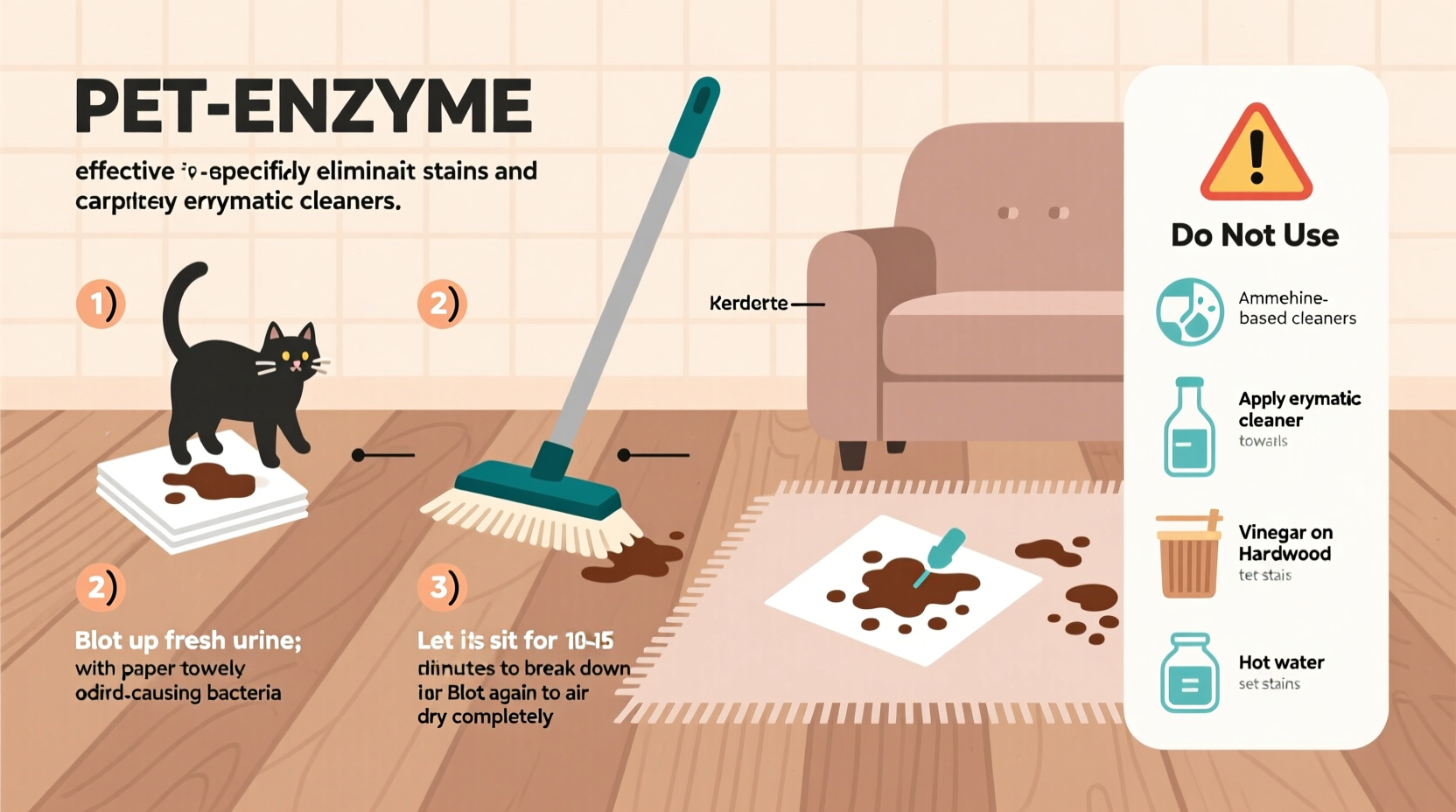
Cat urine contains urea, uric acid, and pheromones. While water-based cleaners may break down urea, uric acid crystals are insoluble in water and can remain embedded in carpets, wood, or padding for years. When humidity rises, these crystals reactivate, releasing ammonia-like odors. Additionally, feline pheromones signal territory, encouraging cats to re-mark treated areas if traces remain.
“Uric acid doesn’t degrade easily. If you can still smell it after cleaning, so can your cat—and they’ll treat it as an open invitation.” — Dr. Linda Wilson, Veterinary Behaviorist
This explains why many household cleaners fail: they don’t break down uric acid. Effective removal requires enzymatic or oxidizing agents that destroy the molecular structure of the residue.
Step-by-Step Guide to Eliminating Cat Urine Stains and Odors
Immediate action is critical. The longer urine sits, the deeper it penetrates and the harder it becomes to remove. Follow this timeline for best results:
- Blot Immediately (Within Minutes): Use paper towels or a clean cloth to absorb as much liquid as possible. Press down firmly—do not rub, which spreads the stain.
- Apply a Vinegar Solution (First 1–2 Hours): Mix one part white vinegar with one part water. Spray on the area to neutralize ammonia and temporarily reduce odor. Let sit for 5–10 minutes, then blot dry.
- Treat with Enzymatic Cleaner (Within 24 Hours): Apply a high-quality enzymatic cleaner liberally. These contain bacteria that digest uric acid. Cover the area with plastic wrap for 24 hours to prevent evaporation and ensure full penetration.
- Dry Thoroughly: Use fans or a dehumidifier to accelerate drying. Moisture encourages bacterial growth and odor reactivation.
- Reapply if Necessary: For old or deep-set stains, repeat the enzymatic treatment after 48 hours.
Choosing the Right Cleaning Products: Do’s and Don’ts
Not all cleaners are created equal. Some worsen the problem by reacting with urine compounds or leaving behind scents that mimic territorial markers.
| Do | Don't |
|---|---|
| Use enzymatic cleaners with live bacteria (e.g., Nature's Miracle, Rocco & Roxie) | Use ammonia-based cleaners—they smell like urine to cats |
| Try hydrogen peroxide-based solutions (3%) on colorfast surfaces | Use bleach—it reacts with urine to produce toxic chloramine gas |
| Test cleaners on hidden areas first | Assume carpet-only treatment is enough—urine often soaks into padding or subfloor |
| Vacuum thoroughly after drying to remove residual crystals | Rely on baking soda alone—it absorbs odor temporarily but doesn’t break down uric acid |
Addressing Hidden Damage: Subfloors, Padding, and Upholstery
Surface cleaning isn’t always sufficient. Urine frequently migrates beneath carpets or into furniture cushions. Ignoring these areas leads to recurring odors, especially in humid conditions.
- Carpets and Padding: If the stain is old or widespread, consider lifting the carpet to inspect padding. Replace soaked padding and treat the subfloor with an enzymatic or hydrogen peroxide solution. Seal with a waterproof barrier before reinstalling.
- Hardwood Floors: Avoid excessive moisture. Blot immediately, then use a damp cloth with enzymatic cleaner. Dry within 15 minutes to prevent warping. For persistent odors, lightly sand and refinish the affected board.
- Furniture and Upholstery: Remove cushion covers if possible and wash in cold water with enzyme detergent. For non-removable fabric, use a handheld upholstery cleaner with extraction capability. Always test for colorfastness first.
Mini Case Study: Solving a Year-Long Odor Problem
Sarah from Portland struggled with a persistent odor in her living room despite weekly carpet cleanings. Her cat, Luna, kept returning to the same corner. After consulting a pet behavior specialist, she discovered the issue wasn’t surface-level. Using a blacklight, Sarah found an extensive stain pattern beneath the rug. She removed the carpet section, replaced the padding, and applied an industrial-strength enzymatic solution to the subfloor. Within two weeks, the odor disappeared, and Luna stopped marking. The key was addressing the hidden reservoir of uric acid that had been reactivating with seasonal humidity.
Prevention Strategies to Stop Future Accidents
Eliminating existing stains is only half the battle. Preventing recurrence involves environmental management and health awareness.
- Maintain Clean Litter Boxes: Scoop daily and change litter weekly. Cats avoid dirty boxes, especially in multi-cat homes.
- Provide Multiple Litter Stations: The general rule is one box per cat, plus one extra, placed in quiet, accessible locations.
- Reduce Stress Triggers: Changes in routine, new pets, or loud noises can cause inappropriate elimination. Use pheromone diffusers like Feliway to calm anxious cats.
- Rule Out Medical Issues: Urinary tract infections, diabetes, or kidney disease can lead to accidents. Consult your vet if behavior changes suddenly.
“Eighty percent of inappropriate urination cases have an underlying medical cause. Always start with a vet visit.” — Dr. Alan Pierce, Feline Health Specialist
Checklist: Complete Cat Urine Cleanup Protocol
Action Plan for Permanent Removal:- ☑ Identify the affected area using a blacklight
- ☑ Blot up fresh urine immediately
- ☑ Apply vinegar solution to neutralize pH
- ☑ Saturate with enzymatic cleaner and cover for 24 hours
- ☑ Dry completely with fans or dehumidifier
- ☑ Inspect padding and subfloor for contamination
- ☑ Replace damaged materials if necessary
- ☑ Vacuum thoroughly after drying
- ☑ Monitor cat behavior and litter box usage
- ☑ Schedule veterinary check-up if accidents persist
FAQ
Can I use homemade solutions instead of commercial enzymatic cleaners?
You can create temporary solutions with vinegar or baking soda, but they don’t destroy uric acid. For permanent results, enzymatic cleaners are essential. DIY enzyme mixes (like fermented citrus peels) exist but take weeks to prepare and lack consistency.
How long does it take for the smell to go away completely?
With proper treatment, surface odors should disappear within 3–5 days. Deep-seated stains may take up to two weeks, especially if subfloor treatment is required. Humidity and poor ventilation can prolong the process.
Will my cat return to the same spot after cleaning?
If any odor remains—even undetectable to humans—your cat likely will. Proper enzymatic treatment removes the chemical signal. Combine cleaning with behavioral adjustments like changing the area’s function (placing food or toys there) to discourage reuse.
Conclusion
Removing cat urine stains and odors for good demands more than surface cleaning—it requires understanding the science behind the stain and committing to thorough, layered treatment. From immediate blotting to subfloor sanitation, each step plays a role in breaking the cycle of re-marking and lingering smells. With the right products, techniques, and preventive habits, you can reclaim your home’s freshness and support your cat’s well-being. Don’t settle for temporary fixes. Invest in a complete cleanup strategy today, and enjoy a cleaner, healthier living space for both you and your pet.
💬 Have a tough stain that won’t go away? Share your experience or ask for advice in the comments—let’s help each other keep our homes fresh and pet-friendly.