Dogs chew for a variety of reasons—boredom, anxiety, teething, or lack of training. When that chewing turns toward your carpet, it’s more than just an inconvenience; it can signal deeper behavioral issues and lead to costly damage. Addressing this habit early with consistent, humane methods not only protects your flooring but also supports your dog’s mental and physical well-being. This guide explores science-backed strategies to stop carpet chewing at its root, helping you create a safer, more harmonious home environment.
Understanding Why Dogs Chew Carpet
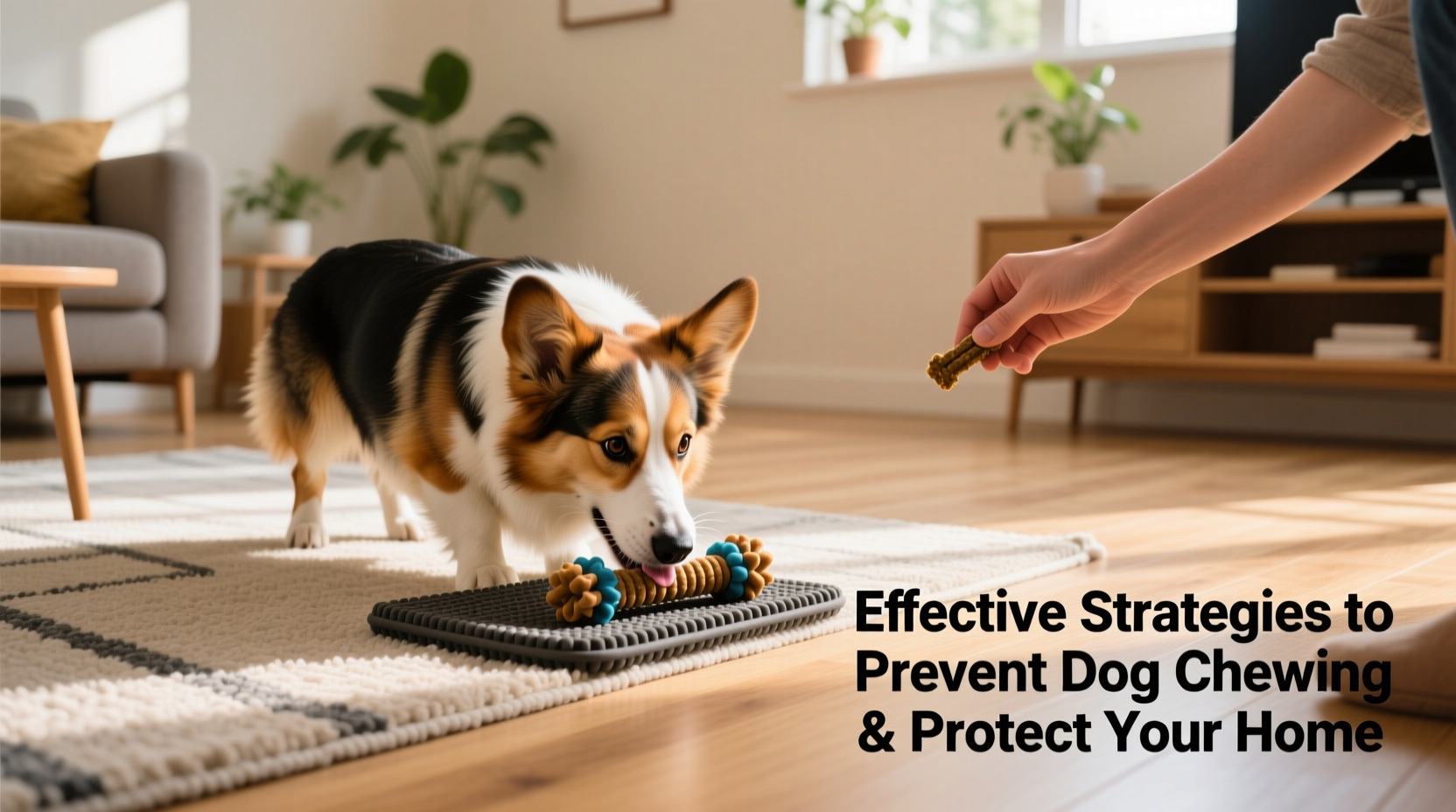
Before implementing solutions, it’s essential to understand the underlying causes of carpet chewing. Unlike random destruction, this behavior is often a symptom of unmet needs. Common triggers include:
- Teething (puppies under 6 months): Puppies explore the world through their mouths, and sore gums during teething drive them to chew on soft surfaces like carpet.
- Boredom or lack of stimulation: Dogs left alone for long periods without toys or activity may resort to destructive behaviors.
- Anxiety or stress: Separation anxiety, loud noises, or changes in routine can trigger compulsive chewing.
- Nutritional deficiencies: In rare cases, pica (eating non-food items) may stem from dietary imbalances.
- Attention-seeking: If chewing previously earned a reaction—even negative—it may be reinforced as a way to engage with owners.
Identifying the root cause is the first step toward lasting change. A young puppy chewing baseboards differs behaviorally from an adult dog gnawing corners due to isolation distress.
Tip: Observe when and where the chewing occurs. Is it during storms? After you leave? At night? Tracking patterns helps pinpoint triggers.Step-by-Step Guide to Stop Carpet Chewing
Eliminating carpet chewing requires consistency, patience, and proactive management. Follow this five-phase approach to achieve sustainable results:
- Immediate Intervention: Interrupt the behavior calmly. Avoid yelling. Use a neutral word like “Oops!” and redirect to an appropriate chew toy.
- Environmental Management: Block access to high-risk areas using baby gates or closed doors. Cover carpeted zones with washable rugs or vinyl runners if needed.
- Provide Alternatives: Offer durable, appealing chew toys made from rubber, nylon, or dental chews. Rotate toys weekly to maintain interest.
- Increase Mental & Physical Stimulation: Aim for at least 30–60 minutes of daily exercise. Add puzzle feeders, scent games, or obedience drills to tire the mind.
- Reinforce Positive Behavior: Reward your dog generously when they choose a toy over carpet. Use treats, praise, or playtime immediately after correct choices.
This process isn’t instantaneous. It typically takes 2–6 weeks of consistent effort to see significant improvement, depending on the dog’s age, temperament, and history.
Do’s and Don’ts of Handling Destructive Chewing
| Do’s | Don’ts |
|---|---|
| Use bitter-tasting sprays approved for pets on baseboards and carpet edges | Apply human repellents like hot sauce or essential oils—they can be toxic |
| Supervise closely during initial correction phases | Leave your dog unsupervised until the behavior is fully resolved |
| Consult a veterinarian to rule out medical causes | Assume it’s “just bad behavior” without investigating health issues |
| Enroll in positive-reinforcement training classes | Use punishment-based tools like shock collars or scolding |
| Gradually reintroduce access to carpeted areas as behavior improves | Give full freedom too soon, risking relapse |
Real Example: Turning Around Max’s Chewing Habit
Max, a 10-month-old Labrador mix, began chewing the living room carpet whenever his owner worked from home. Initially dismissed as puppy mischief, the behavior worsened over three weeks, creating holes near the baseboards. His owner consulted a certified dog trainer who observed Max’s routine. They discovered that Max wasn’t getting enough off-leash exercise and had no structured playtime. The trainer recommended a revised schedule: two 20-minute walks, one interactive feeding game, and daily fetch sessions. They also introduced a frozen Kong filled with peanut butter (xylitol-free) when the owner was at their desk. Within four weeks, carpet chewing stopped entirely. Max redirected his chewing impulse to his toys, and his overall demeanor became calmer and more focused.
Expert Insight on Behavioral Correction
“Destructive chewing is rarely about defiance. It’s usually a communication of need—whether it’s for more activity, less anxiety, or clearer boundaries. Address the need, not just the symptom.” — Dr. Lena Torres, Certified Veterinary Behaviorist
Dr. Torres emphasizes that punitive measures often backfire, increasing fear and confusion. Instead, she advocates for environmental enrichment and reward-based learning. “A tired dog is a well-behaved dog,” she notes. “But fatigue must come from both physical and mental engagement—not just a walk around the block.”
Essential Checklist to Prevent Carpet Chewing
Use this checklist weekly to ensure all preventive measures are in place:
- ✅ Inspect carpets and baseboards for new chew marks
- ✅ Confirm all chew toys are clean, safe, and available
- ✅ Verify your dog received adequate physical exercise today
- ✅ Provide at least one mentally stimulating activity (e.g., puzzle toy)
- ✅ Reapply pet-safe deterrent spray if needed
- ✅ Spend 10+ minutes on focused training or bonding (e.g., tricks, touch commands)
- ✅ Evaluate any recent changes in household routine or stressors
Frequently Asked Questions
Can I use vinegar to stop my dog from chewing carpet?
Vinegar’s strong smell may deter some dogs, but it’s not consistently effective and can damage carpet fibers over time. A better option is a commercially available pet-safe bitter spray designed specifically for chewing prevention.
How long does it take to stop a dog from chewing carpet?
With consistent intervention, most dogs show improvement within 2–4 weeks. However, complete cessation may take longer, especially if anxiety or deep-seated habits are involved. Patience and routine are key.
Is carpet chewing a sign of separation anxiety?
It can be—especially if the behavior occurs only when you’re away, is accompanied by whining, pacing, or house soiling, or targets entryways and personal items. If you suspect anxiety, consult a veterinarian or animal behaviorist for a tailored plan.
Protect Your Home and Support Your Dog’s Well-Being
Preventing carpet chewing isn’t just about saving your floors—it’s about understanding your dog’s needs and responding with empathy and structure. By combining environmental control, proper stimulation, and positive reinforcement, you create an environment where destructive habits lose their appeal. Remember, every dog is capable of change with the right guidance. Start today by assessing your dog’s routine, removing temptations, and offering better alternatives. Small, consistent actions yield lasting results.
💬 Have a success story or challenge with dog chewing? Share your experience in the comments—your insight could help another pet owner find relief and build a stronger bond with their dog.








