Hard flooring surfaces like tile, hardwood, laminate, and vinyl are popular for their durability and aesthetic appeal. However, they come with a significant downside: increased slip risk, especially in homes with children, elderly individuals, or pets. One of the most accessible solutions—placing rugs on these surfaces—can actually introduce new dangers if not done correctly. A rug that slides or bunches underfoot is just as hazardous as the slick floor it’s meant to protect against. The key lies in selecting, positioning, and securing rugs properly to enhance safety without compromising style or function.
Understanding the Risks of Unsecured Rugs
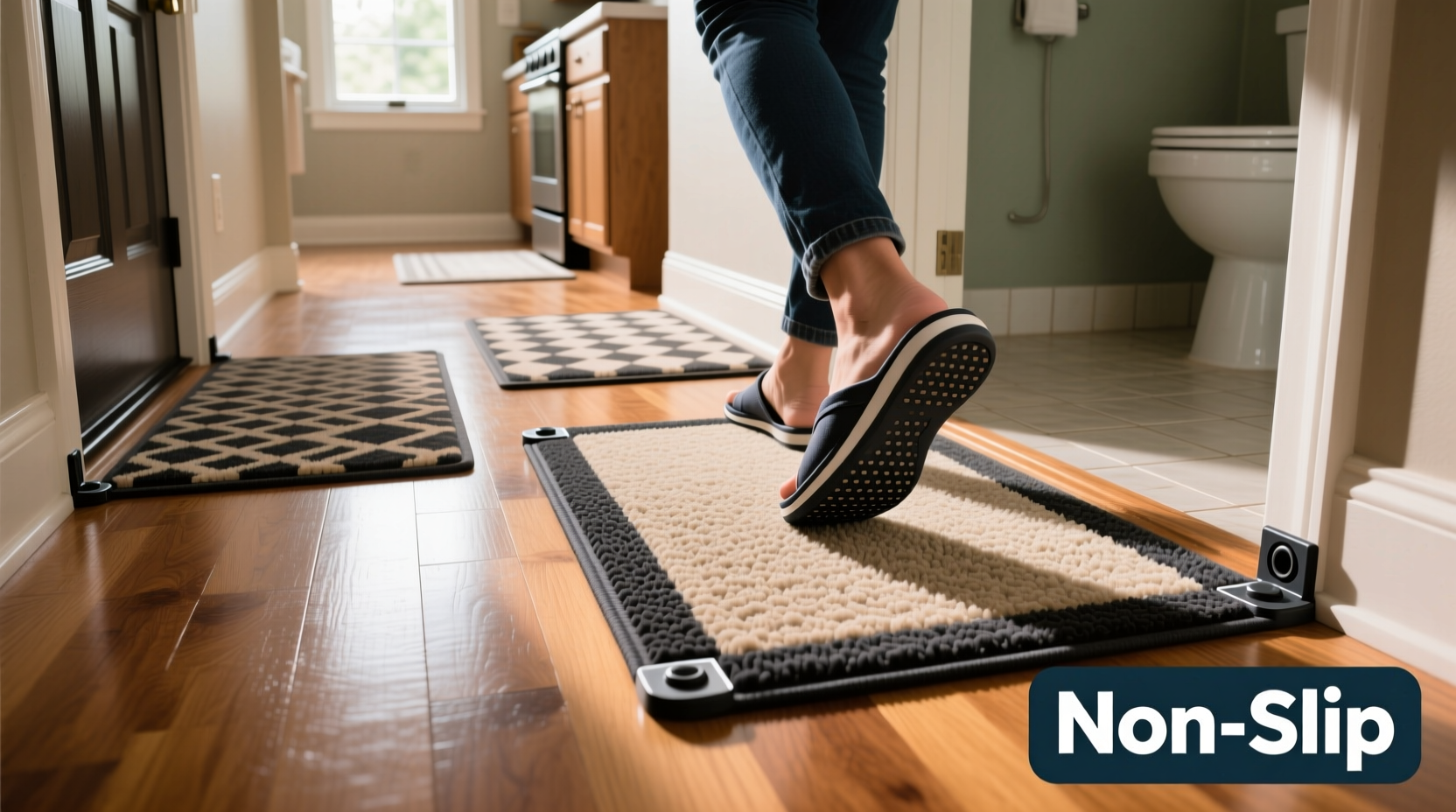
Slips and falls on hard floors are a leading cause of household injuries. According to the National Safety Council, over 8 million fall-related injuries occur annually in the U.S., with flooring transitions and loose floor coverings being common contributors. While rugs can improve traction, an unanchored rug creates a tripping hazard when its edges curl or shift. This is particularly dangerous in high-traffic areas such as hallways, kitchens, and entryways.
The problem isn’t the rug itself—it’s how it interacts with the floor beneath. Smooth-bottomed rugs on polished surfaces have minimal friction, making them prone to movement even under light foot traffic. Over time, repeated shifting can wear down both the rug and the floor finish, increasing long-term maintenance costs.
Tip: Always test a rug’s stability by gently stepping on each corner and edge before final placement.Selecting the Right Rug and Pad Combination
Not all rugs are created equal when it comes to safety. The safest options combine appropriate materials, backing, and padding. Here’s what to look for:
- Rug Material: Choose low-pile or flatweave rugs (like dhurries or flatwoven cotton) which are less likely to buckle or fold.
- Natural Rubber Backing: Rugs with natural rubber or non-slip latex backing provide better grip than synthetic alternatives.
- Separate Non-Slip Pads: Even if a rug has a grippy bottom, adding a high-quality pad enhances stability and extends the rug’s life.
“Proper rug padding isn’t just about comfort—it’s a critical safety layer that prevents lateral movement and reduces trip risks.” — Dr. Lena Torres, Occupational Therapist & Fall Prevention Specialist
Recommended Rug and Pad Pairings
| Rug Type | Suitable For | Best Pad Type | Avoid With |
|---|---|---|---|
| Low-Pile Wool | Living rooms, bedrooms | Felt-rubber blend | High-moisture areas |
| Cotton Dhurrie | Kitchens, hallways | Recycled rubber mesh | Thick foam pads |
| Synthetic Area Rug | Bathrooms, basements | Water-resistant rubber | Wax-based finishes |
| Outdoor/Indoor Polypropylene | Entryways, mudrooms | Perforated rubber | Carpeted subfloors |
Step-by-Step Guide to Securing Rugs Safely
Installing a rug securely involves more than just laying it down. Follow this five-step process to ensure maximum safety:
- Measure the Space: Leave at least 12 inches of bare floor around the perimeter to avoid tripping on edges. In walkways, ensure the entire rug lies flat with no overhang.
- Clean the Floor Surface: Wipe down the area with a degreasing cleaner if needed. Dust, oil, or wax residues reduce grip between the rug and floor.
- Trim Excess Padding: Cut the non-slip pad to match the rug size exactly. Overhanging pads are invisible hazards.
- Position and Press Down: Lay the rug and pad together, then walk across it in socks to eliminate air pockets and ensure full contact.
- Test for Movement: Push the corners with your foot. If any part lifts or slides, reposition or upgrade the pad.
Real-World Example: Preventing Falls in a Senior Living Home
In a assisted living facility in Portland, Oregon, staff noticed an uptick in minor falls near the dining area—a space with polished concrete floors and decorative scatter rugs. After consulting with a safety auditor, they replaced all thin, fringed rugs with low-profile wool rugs backed with recycled rubber pads. They also established a weekly inspection routine where staff check for shifting or curling.
Within three months, reported slips in the area dropped by 70%. Caregivers noted that residents felt more confident walking independently, and maintenance costs related to floor scuffing decreased significantly. This case highlights how simple, proactive changes can yield measurable safety improvements.
Common Mistakes That Undermine Rug Safety
Even well-intentioned efforts can backfire if common errors aren’t avoided:
- Using double-sided tape: Temporary adhesives lose stickiness over time and can leave residue that makes floors slippery.
- Layering rugs without anchoring: Stacking rugs increases thickness and instability unless both are secured.
- Ignoring floor type compatibility: Rubber-backed rugs can stain wood floors with tannins over time. Use felt barrier pads when in doubt.
- Skipping regular maintenance: Dirt trapped under rugs acts as ball bearings, promoting slippage. Vacuum beneath rugs monthly.
Do’s and Don’ts of Safe Rug Placement
| Do | Don't |
|---|---|
| Use non-slip pads rated for your floor type | Use foam sponge pads—they compress and slide |
| Secure large rugs at multiple anchor points | Place rugs over floor vents or thresholds |
| Vacuum under rugs regularly | Allow edges to curl or lift |
| Choose flame-retardant, low-VOC pads | Use adhesives that damage flooring |
FAQ
Can I use a rug on a freshly waxed floor?
No. Wait at least 72 hours after waxing or polishing to allow the surface to fully cure. Installing a rug too soon can trap solvents, weaken adhesion, and create a slippery film.
Are there rugs designed specifically for high-slip areas?
Yes. Look for rugs labeled “non-slip,” “anti-skid,” or “floor grip.” Many feature integrated silicone nodules or perforated rubber bases ideal for bathrooms and kitchens.
How often should I replace a non-slip pad?
Inspect pads every six months. Replace if they show signs of cracking, compression, or loss of tackiness. Most quality pads last 2–3 years under normal use.
Final Recommendations for Long-Term Safety
Preventing slips on hard floors isn’t about eliminating rugs—it’s about using them intelligently. The safest homes integrate rugs as functional safety tools, not just decor. Prioritize low-pile designs with certified non-slip backings or compatible padding. Regularly inspect placements, especially in transitional zones like stair landings and bathroom entrances.
Remember, a secure rug doesn’t just protect against falls—it also preserves your flooring investment and improves acoustic comfort. By treating rug installation as a safety protocol rather than a styling choice, you create a home that’s both beautiful and resilient.
🚀 Take action today: Walk through your home and test every rug for stability. Replace or secure any that shift underfoot. Your future self—and your loved ones—will thank you for the peace of mind.








