Sunlight enhances the ambiance of any bedroom, but prolonged exposure can take a toll on textiles—especially duvet covers. UV rays break down dyes and fibers over time, leading to dullness, yellowing, and irreversible fading. While natural light is desirable, protecting your bedding from its damaging effects ensures longevity, vibrancy, and aesthetic consistency. The good news is that with informed choices and consistent care, you can significantly reduce sun-induced damage. From fabric selection to washing techniques and smart room arrangement, a holistic approach preserves both color and quality.
Understanding How Sunlight Fades Duvet Covers
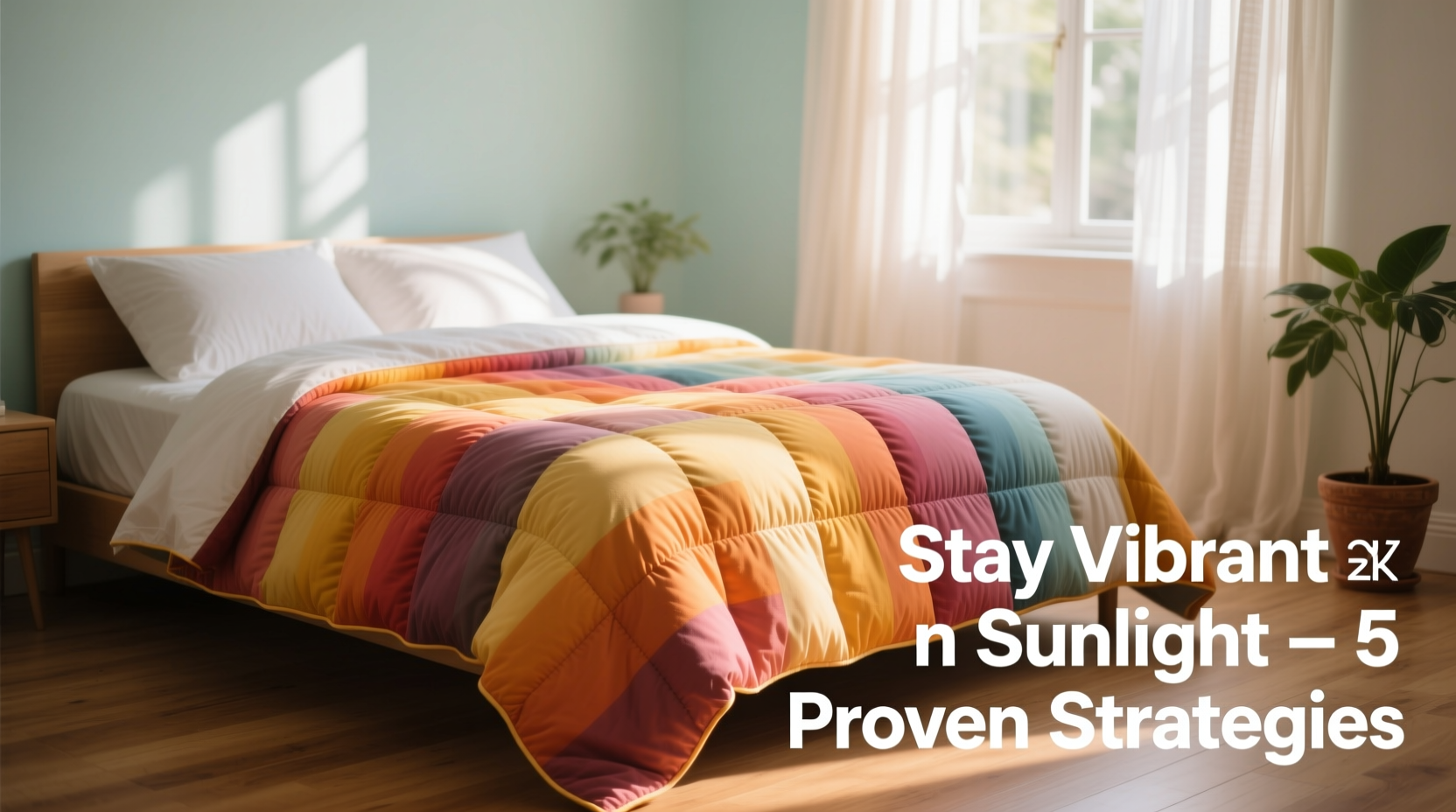
Ultraviolet (UV) radiation is the primary culprit behind fabric fading. When sunlight hits textile fibers, it degrades the chemical bonds in dyes, causing colors to weaken or shift. Natural fibers like cotton and linen are especially vulnerable because they absorb more light and heat. Synthetic blends may fare slightly better due to added UV-resistant properties, but no fabric is immune. Additionally, heat buildup from direct sunlight accelerates fiber breakdown, weakening the material and making it prone to pilling or tearing.
The rate of fading depends on several factors: intensity and duration of exposure, window orientation, season, and whether protective measures like curtains or UV film are in place. A duvet cover near a south-facing window in a sunny climate, for example, will degrade faster than one in a shaded room.
“UV exposure doesn’t just affect color—it compromises the structural integrity of the fabric. Over time, even high-thread-count cotton can become brittle.” — Dr. Lena Patel, Textile Scientist at Home Fabric Research Institute
Fabric Selection: Choosing Fade-Resistant Materials
Starting with the right fabric sets the foundation for long-term color retention. Some materials inherently resist fading better than others due to their dye absorption, weave tightness, and chemical composition.
| Fabric Type | Fade Resistance | Why It Works |
|---|---|---|
| Polyester blends | High | Synthetic fibers hold dye well and resist UV degradation better than natural fibers. |
| Solution-dyed acrylic | Very High | Dye is embedded during fiber production, making it extremely fade-resistant. |
| Heavyweight cotton (e.g., percale, sateen) | Moderate | Tighter weaves offer slight protection; however, prolonged sun exposure still causes fading. |
| Linen | Low | Natural fibers fade quickly under UV light; best suited for low-sun areas. |
| Organic cotton | Low to Moderate | Eco-friendly but often uses plant-based dyes that are less stable under sunlight. |
When shopping for duvet covers, look for labels indicating “UV-resistant” or “colorfast.” These treatments involve dyeing processes that lock pigments into fibers, reducing leaching and photodegradation.
Tip: Rotate duvet covers seasonally—use darker, bolder prints in sunlit rooms during winter when daylight hours are shorter.Strategic Placement and Light Management
Controlling how much sunlight reaches your bed is one of the most effective preventive measures. You don’t need to eliminate natural light entirely—just manage its impact.
Position your bed away from direct sunlight whenever possible. Even shifting it 2–3 feet from a large window can reduce UV exposure by up to 60%. If rearranging isn't feasible, use window treatments designed to block harmful rays without darkening the room.
- Solar shades: These semi-transparent screens filter UV light while maintaining visibility.
- Blackout or lined curtains: Close them during peak sun hours (10 a.m. to 4 p.m.) to minimize exposure.
- UV-blocking window film: Applied directly to glass, this nearly invisible coating blocks up to 99% of UV rays.
For renters or those avoiding permanent installations, removable adhesive films or tension rod sheers offer flexible, non-damaging solutions.
Step-by-Step: Reducing Sun Exposure in 4 Simple Actions
- Assess your room’s sun patterns—note when and where direct light falls on the bed.
- Move the bed out of direct beam paths if layout allows.
- Install UV-filtering window coverings or apply transparent UV film.
- Set a daily reminder to close curtains during midday hours.
Washing and Maintenance Best Practices
How you clean your duvet cover influences its color stability as much as sunlight does. Harsh detergents, high heat, and improper drying can accelerate fading—even without sun exposure.
Always wash duvet covers in cold water using a mild, color-safe detergent. Avoid bleach or optical brighteners, which strip natural and synthetic dyes alike. Turn the cover inside out before washing to protect the outer surface from friction and abrasion.
Air drying is ideal. Tumble drying, especially on high heat, weakens fibers and increases color loss. If using a dryer, select low heat and remove the cover while slightly damp to prevent over-drying.
Tip: Add ½ cup of white vinegar to the rinse cycle to set colors and soften fabric naturally.Do’s and Don’ts of Duvet Cover Care
| Do’s | Don’ts |
|---|---|
| Wash in cold water with gentle detergent | Use chlorine bleach or strong stain removers |
| Turn inside out before washing | Overload the washing machine |
| Air dry in shade or indoors | Tumble dry on high heat |
| Rotate between multiple covers weekly | Leave the same cover on for months without washing |
| Store clean covers in breathable cotton bags | Keep them in plastic bins, which trap moisture |
Real-World Example: Preserving Color in a Sunny Guest Room
Sarah, a homeowner in Southern California, noticed her favorite indigo duvet cover fading within three months of use. Her guest room faced west, receiving intense afternoon sunlight. After consulting a local interior textile specialist, she implemented a simple routine: she installed sheer UV-filtering curtains, rotated two duvet covers weekly, and began washing them inside out with a color-protectant detergent. She also started air-drying them indoors.
After six months, the original cover retained 85% of its initial vibrancy, compared to a similar cover in another sun-exposed room that wasn’t protected and had visibly faded. Sarah now uses this system across all bedrooms and reports her bedding lasts nearly twice as long.
FAQ: Common Questions About Duvet Cover Fading
Can I reverse fading once it happens?
No, fading caused by UV exposure is permanent. The dye molecules are broken down at a chemical level and cannot be restored. Prevention is key. However, some people use fabric refreshers or color-reviving sprays to temporarily enhance appearance, though these do not repair damage.
How often should I rotate my duvet covers?
Rotating every 1–2 weeks helps distribute wear and sun exposure evenly. If you have multiple covers, cycling them monthly is sufficient for low-sun rooms. In bright spaces, weekly rotation is recommended to extend the life of each piece.
Are dark-colored duvet covers more fade-prone than light ones?
Actually, dark colors absorb more heat and UV energy, which can accelerate fading. However, fading is more noticeable on dark fabrics. Light-colored covers, especially whites and pastels, may yellow due to UV oxidation but appear less \"faded.\" Both require equal protection.
Conclusion: Protect Your Investment with Smart Habits
Your duvet cover is more than just bedding—it’s a design element that contributes to your room’s comfort and aesthetic. Protecting it from sun damage doesn’t require drastic changes, just mindful habits. Choose fade-resistant fabrics, control light exposure, follow proper washing routines, and rotate your covers regularly. These small actions compound over time, preserving color, texture, and value.
🚀 Start today: Inspect your current duvet cover for early signs of fading, check your window exposure, and implement one protective measure this week. Your future self—and your beautifully vibrant bedding—will thank you.








