A clean car interior begins from the ground up—literally. While many drivers focus on shiny exteriors or spotless dashboards, the floor carpets often bear the brunt of daily wear: mud, sand, coffee spills, pet paws, and tracked-in debris. Over time, neglecting this area leads to persistent odors, stained fabric, and even mold growth. But maintaining pristine floor carpets doesn’t require professional detailing every month. With consistent habits and smart techniques, you can preserve both cleanliness and comfort. The key lies in prevention, routine care, and knowing how to respond when messes happen.
Choose the Right Floor Mats for Maximum Protection
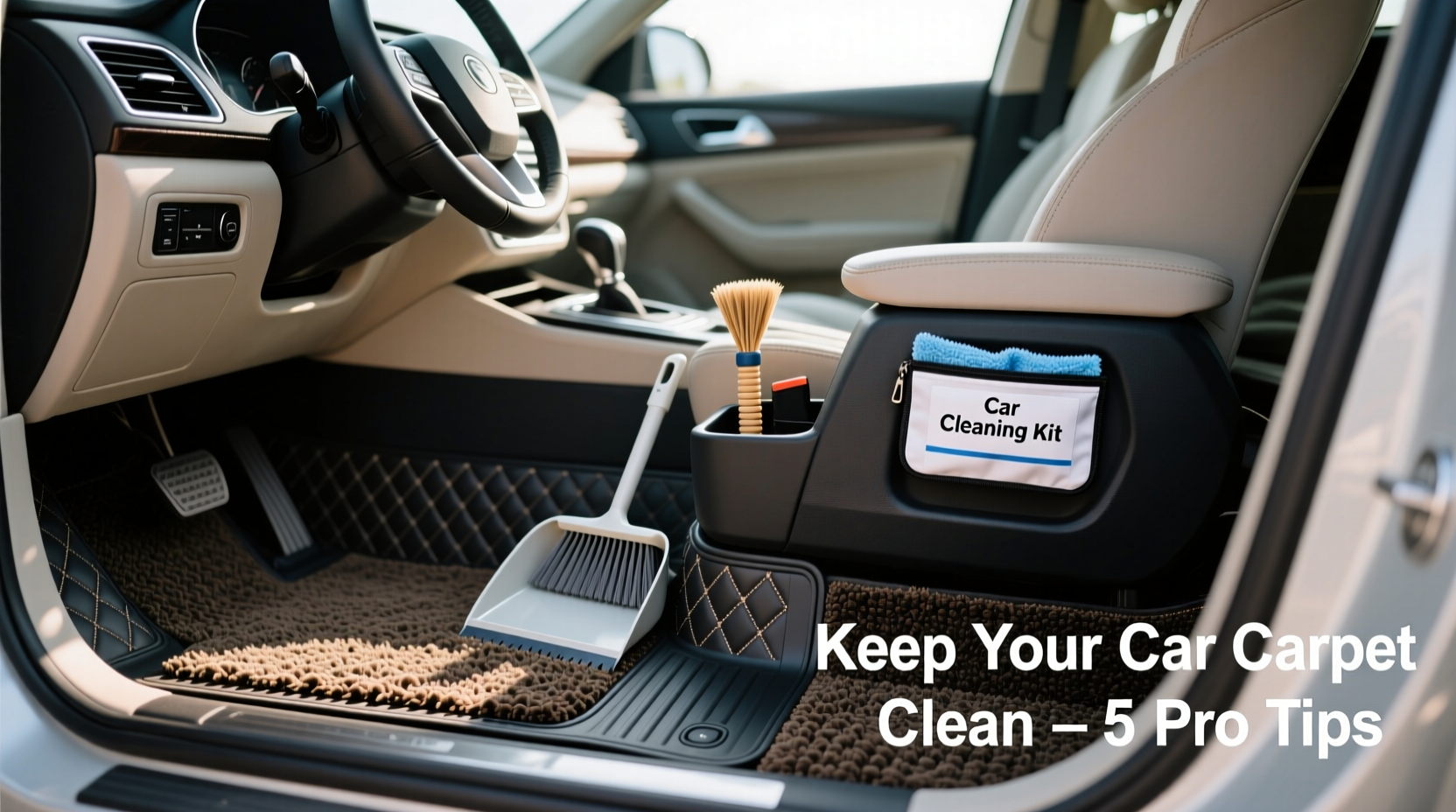
The first line of defense against dirty floor carpets is selecting high-quality, properly fitted floor mats. Factory-installed carpeting is porous and difficult to fully clean once soiled. All-weather or custom-fit rubber mats act as shields, catching moisture, dirt, and debris before they reach the underlying fabric.
Rubber or thermoplastic olefin (TPO) mats are ideal for climates with rain, snow, or frequent outdoor activity. These materials are non-porous, easy to wipe down, and resistant to cracking. For maximum coverage, opt for deep-well designs that contain liquids and prevent side leakage.
Tip: Always verify mat compatibility with your vehicle’s make and model—improper fit leaves gaps where dirt slips through.For those who prioritize aesthetics without sacrificing function, consider dual-layer mats: a durable rubber top layer over a padded backing that stays in place. This setup combines protection with a refined look, especially useful for luxury or frequently used vehicles.
Establish a Routine Cleaning Schedule
Consistency beats intensity when it comes to carpet maintenance. A weekly vacuum session removes surface-level dust and prevents particles from grinding into fibers. Use a handheld vacuum with crevice tools to reach under pedals and along edges where debris accumulates.
Monthly deep cleaning helps eliminate embedded grime. Here’s a practical timeline to follow:
- Weekly: Vacuum carpets and shake out removable mats.
- Bi-weekly: Wipe down rubber mats with soapy water; dry thoroughly.
- Monthly: Spot-clean stains using a mild carpet cleaner.
- Quarterly: Perform full carpet extraction or steam clean if needed.
This rhythm keeps buildup minimal and reduces the need for aggressive scrubbing later. Think of it like brushing your teeth—small efforts daily prevent major issues down the road.
Step-by-Step Guide: Deep Cleaning Car Floor Carpets
When your carpets show visible staining or emit musty smells, a thorough cleaning is essential. Follow these steps for best results:
- Remove mats and loose items. Take out all floor mats and store them separately. Clear shoes, tissues, or trash from the footwells.
- Vacuum thoroughly. Use a powerful vacuum to extract dry debris. Pay attention to seams and seat tracks.
- Pre-treat stains. Apply a pH-balanced upholstery cleaner to stained areas. Let sit for 3–5 minutes to break down oils and residues.
- Scrub gently. Use a soft-bristle brush in circular motions to lift dirt without damaging fibers.
- Extract moisture. If using a wet method, blot excess liquid with microfiber towels. For deeper cleaning, use a portable carpet extractor.
- Dry completely. Open windows or run the AC/ventilation system to prevent mildew. Dampness trapped beneath mats fosters mold.
Never saturate the carpet—excess water can seep into insulation or electrical components underneath. Patience during drying is critical; rushing this stage risks long-term odor problems.
Preventative Habits That Make a Difference
Beyond scheduled cleaning, everyday behaviors significantly impact carpet longevity. Simple adjustments in driver and passenger routines can reduce contamination at the source.
- Encourage passengers to wipe shoes before entering, especially after rain or muddy terrain.
- Keep a small doormat near your parking spot to knock off heavy debris.
- Use boot liners or seat protectors when transporting pets or construction materials.
- Store snacks and drinks in spill-proof containers to minimize accident risks.
Parents and pet owners benefit most from proactive rules. One spilled juice box or muddy paw print may seem minor, but repeated exposure degrades fibers and dyes over time.
“Most carpet damage isn’t from one big spill—it’s the accumulation of small, ignored messes.” — Carlos Mendez, Auto Detailing Specialist with 15 years of experience
Do’s and Don’ts: Common Mistakes in Carpet Care
Misguided cleaning attempts can do more harm than good. Refer to the table below to avoid common pitfalls and adopt safer practices.
| Do’s | Don’ts |
|---|---|
| Use a dedicated automotive carpet cleaner (pH-safe) | Use household bleach or ammonia-based cleaners |
| Vacuum regularly, including under floor mats | Leave wet mats sitting on carpet overnight |
| Allow carpets to air-dry fully before reinstallation | Apply excessive water during cleaning |
| Rotate or flip reversible mats monthly | Ignore lingering damp smells—they indicate mold risk |
| Inspect for wear and replace damaged mats promptly | Use abrasive brushes or steel wool on fabric surfaces |
Following these guidelines preserves both appearance and hygiene while extending the lifespan of your vehicle’s interior.
Real-Life Example: How One Commuter Transformed His SUV Interior
Mark, a father of two from Portland, Oregon, drives his SUV year-round through rainy forests and muddy trails. Within months, his original carpet turned brown along the driver’s side, and a sour smell lingered despite occasional vacuuming. After consulting a detailer, he implemented three changes: installing custom Husky Liners FlexTech mats, enforcing a “wipe shoes” rule at the door, and scheduling bi-weekly mat rinses.
Within six weeks, the cabin felt fresher. He cleaned the existing carpet once with a rental extractor and has avoided stains since. “I spend less time cleaning now because I stop the mess before it starts,” Mark says. His total investment was under $200—but the improvement in comfort and resale value made it worthwhile.
Frequently Asked Questions
Can I pressure wash my rubber floor mats?
Yes, most all-weather rubber or polymer mats can withstand low-pressure washing. Use a garden hose and soft brush with mild detergent. Avoid high-pressure nozzles, which may degrade edges or logos over time. Always let mats air-dry completely before reinstalling.
How do I remove old coffee or soda stains from car carpet?
Mix one tablespoon of dish soap, one tablespoon of white vinegar, and two cups of warm water. Blot the solution onto the stain, then gently agitate with a cloth or brush. Rinse by dabbing with clean water, then blot dry. Repeat if necessary. Avoid rubbing, which spreads the stain further.
Are carpeted floor mats worth keeping?
Factory carpeted mats offer comfort and noise reduction but are harder to maintain. For practicality, many owners replace them with all-weather alternatives. If you prefer carpeted looks, install protective overlays or use removable rubber covers during winter or off-road use.
Take Control of Your Car’s Cleanliness Today
Your car’s floor carpets don’t have to be a lost cause. With the right combination of protective gear, regular maintenance, and mindful habits, you can maintain a clean, fresh-smelling interior for years. It’s not about perfection—it’s about consistency. Start by assessing your current mats, setting a simple cleaning schedule, and correcting one bad habit this week. Small actions compound into lasting results. A well-maintained cabin reflects pride in ownership and enhances every drive, whether it’s a five-minute commute or a cross-country adventure.
🚀 Ready to upgrade your car care routine? Share your favorite cleaning hack or tag someone who needs better floor protection!








