Static electricity is more than just an occasional nuisance—it can disrupt daily life, damage electronics, and make your home feel less inviting. Especially during winter months when indoor air becomes dry, static shocks from doorknobs, clothing, or even petting your cat can become frequent and uncomfortable. The good news is that with a few practical adjustments, you can significantly reduce or even eliminate static buildup in your home. This guide offers science-backed strategies, expert insights, and actionable steps to create a more balanced and comfortable indoor environment.
Understanding the Causes of Static Electricity at Home
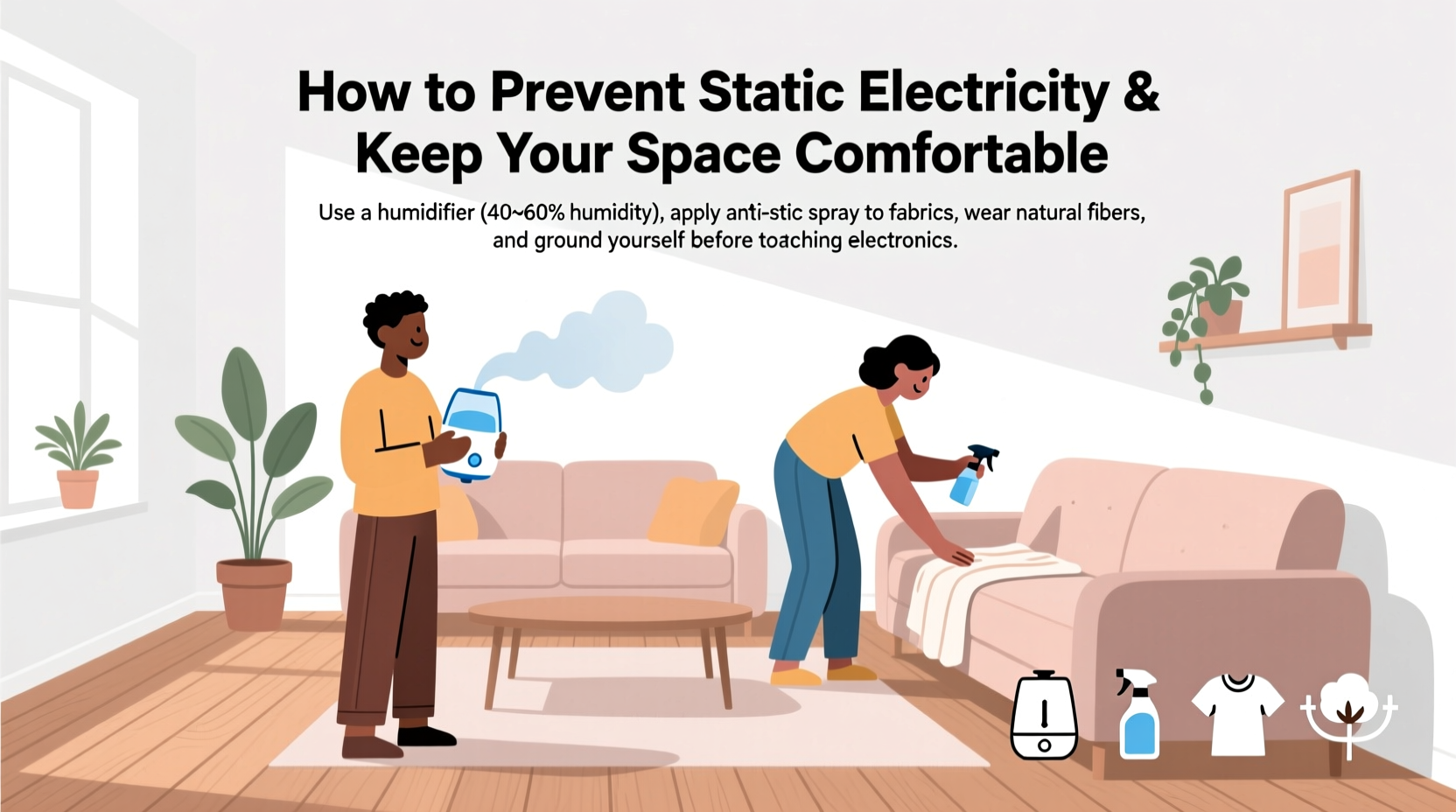
Static electricity occurs when electrons transfer between surfaces through friction—a process known as triboelectric charging. Common activities like walking across carpet, removing synthetic clothing, or sliding off a vinyl sofa generate this charge. When humidity levels drop below 40%, typically in heated indoor spaces during colder seasons, the air lacks moisture to dissipate these charges, allowing them to accumulate on surfaces and people.
Dry air acts as an insulator, preventing the natural discharge of built-up static. Materials such as wool, nylon, polyester, and rubber are particularly prone to generating and holding static charges. In contrast, natural fibers and conductive materials help reduce static by allowing charges to flow away more easily.
“Low relative humidity is the primary driver of household static problems. Keeping indoor moisture between 40% and 60% dramatically reduces electrostatic events.” — Dr. Alan Pierce, Indoor Environmental Scientist
Effective Strategies to Reduce Static Buildup
Preventing static electricity starts with controlling environmental conditions and choosing materials wisely. Below are proven methods to minimize static in your home:
1. Maintain Optimal Humidity Levels
One of the most effective ways to combat static is by increasing indoor humidity. Moisture in the air helps conduct electrical charges, preventing them from building up on surfaces. Use a hygrometer to monitor humidity and aim for a range between 40% and 60%.
Tip: Place a bowl of water near heat sources or radiators to add passive moisture to dry rooms.2. Use a Whole-Home or Room Humidifier
Cool-mist or ultrasonic humidifiers are ideal for consistent moisture distribution. For larger homes, consider installing a central humidifier connected to your HVAC system. These units automatically regulate humidity based on seasonal changes, offering long-term comfort and protection against static.
3. Choose Anti-Static Flooring and Rugs
Synthetic carpets are major contributors to static buildup. If replacing flooring isn’t feasible, use anti-static sprays or place cotton or wool rugs over high-traffic areas. Conductive mats under office chairs also help ground static charges.
4. Wear Natural Fiber Clothing and Footwear
Synthetic fabrics like polyester and acrylic generate more static than cotton, linen, or wool. Similarly, rubber-soled shoes insulate the body from the ground, making shocks more likely. Leather-soled shoes or anti-static slippers allow gradual discharge and reduce personal charge accumulation.
5. Treat Fabrics with Anti-Static Products
Add fabric softener to laundry cycles—both liquid and dryer sheets work by coating fibers with conductive chemicals that reduce friction-based charging. Alternatively, lightly mist clothes with a mix of water and a drop of fabric softener (one tablespoon per spray bottle) to neutralize static cling.
Step-by-Step Guide to a Static-Free Home
Follow this timeline to systematically address static issues throughout your home:
- Week 1: Assess and Measure – Purchase a digital hygrometer and measure humidity in key rooms (bedroom, living room, office). Note any areas below 40% RH.
- Week 2: Introduce Humidification – Place a humidifier in the driest room. Run it consistently and recheck humidity after 72 hours.
- Week 3: Audit Materials – Identify high-static zones (e.g., synthetic carpet, plastic furniture). Replace or treat them using anti-static sprays or natural fiber overlays.
- Week 4: Adjust Personal Habits – Switch to cotton clothing, leather shoes, and use moisturizer daily to reduce skin dryness, which contributes to personal charging.
- Ongoing: Maintenance Routine – Clean humidifier weekly, reapply anti-static treatments monthly, and continue monitoring humidity.
Do’s and Don’ts of Static Control
| Do | Don't |
|---|---|
| Use a humidifier to maintain 40–60% humidity | Run heaters without monitoring air moisture |
| Wear cotton socks and natural fiber clothing | Walk barefoot on synthetic carpet in dry conditions |
| Apply lotion to reduce dry skin conductivity | Use plastic combs on dry hair (increases static) |
| Ground yourself before touching electronics | Ignore repeated shocks—they indicate persistent dryness |
| Vacuum with a HEPA filter to reduce dust (which carries charge) | Overuse chemical sprays that may irritate allergies |
Real-Life Example: Reducing Static in a Home Office
Sarah, a freelance graphic designer in Colorado, experienced constant static shocks every time she stood up from her desk chair. Her workspace had a synthetic rug, a plastic rolling chair, and a desktop computer that occasionally malfunctioned. After reading about static risks, she took action: she replaced the rug with a cotton runner, switched to a wooden chair with fabric padding, and added a compact humidifier. Within a week, shocks disappeared, and her computer stability improved. A follow-up humidity reading showed levels had risen from 32% to 48%. Sarah now checks her hygrometer monthly and keeps a small spray bottle with water and fabric softener for quick fixes.
Checklist: Create Your Static-Reduction Plan
- ✅ Measure indoor humidity with a hygrometer
- ✅ Install or activate a humidifier in dry rooms
- ✅ Replace synthetic rugs with natural fiber alternatives
- ✅ Switch to cotton clothing and leather-soled footwear indoors
- ✅ Use fabric softener or dryer sheets in laundry
- ✅ Apply hand lotion regularly to reduce skin dryness
- ✅ Ground yourself by touching metal objects slowly before grabbing handles
- ✅ Vacuum frequently with a HEPA-equipped cleaner
- ✅ Avoid overloading electrical outlets (can increase field interference)
- ✅ Educate family members on simple grounding techniques
Frequently Asked Questions
Why do I get more static shocks in winter?
Winter air is drier due to indoor heating and lower outdoor humidity. Cold air holds less moisture, and heating systems further dry indoor environments. This combination creates ideal conditions for static buildup on surfaces and bodies.
Can static electricity damage my electronics?
Yes. Electrostatic discharge (ESD) can harm sensitive components in computers, smartphones, and other devices—even if you don’t feel the shock. Always ground yourself before handling internal parts or connecting peripherals in dry conditions.
Are there natural alternatives to chemical anti-static sprays?
Absolutely. A homemade solution of one part fabric softener to ten parts water in a spray bottle works effectively. Alternatively, wiping surfaces with a damp microfiber cloth or using a metal clothes hanger to touch surfaces before contact can safely discharge static.
Conclusion: Take Control of Your Indoor Comfort
Static electricity doesn’t have to be a seasonal inevitability. By understanding its causes and implementing simple, sustainable changes, you can transform your home into a more comfortable, safer, and electrically balanced space. From adjusting humidity to choosing the right materials, each step adds up to noticeable improvement. Start today by checking your room’s moisture level—you might be surprised how much difference a little humidity can make.
💬 Have a favorite trick to stop static shocks? Share your experience in the comments and help others live more comfortably at home!








