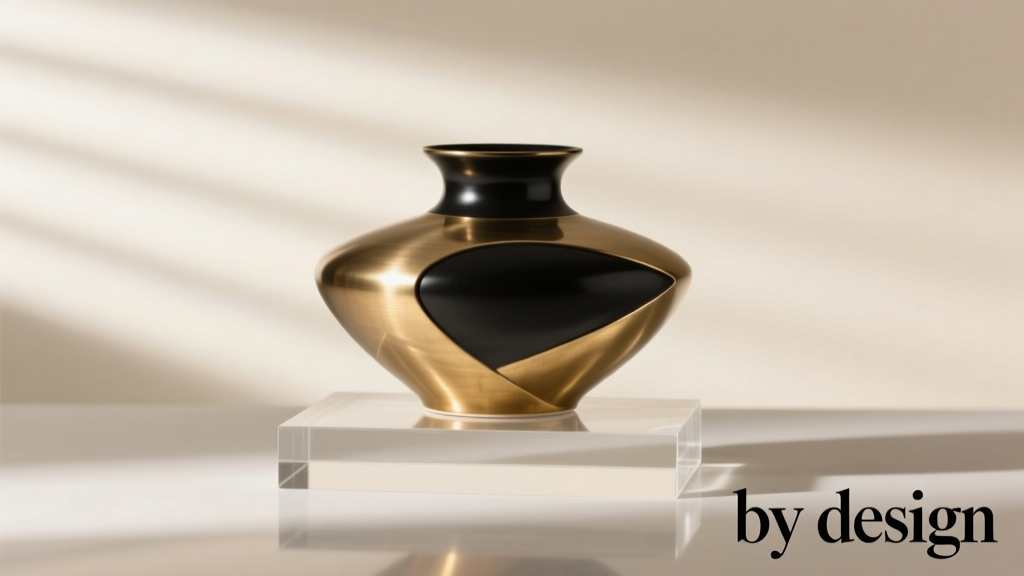
Types of Chinese Dynasty Decorations
Chinese dynasty decorations are a rich and enduring expression of China's imperial heritage, reflecting the artistic sophistication, philosophical depth, and cultural values of various historical periods such as the Han, Tang, Ming, and Qing dynasties. These decorative traditions continue to influence modern interior design, architecture, and festive customs. Each dynasty contributed unique styles, materials, and symbolic motifs that remain iconic in Chinese aesthetics.
Imperial Architecture Decor
Rooted in the grandeur of palaces and temples, this style emphasizes symmetry, hierarchy, and spiritual harmony, particularly evident in structures like the Forbidden City and ancient pagodas.
Key Features
- Intricately carved wooden beams and brackets (dougong)
- Upturned eaves with ceramic animal figurines
- Vibrant paintings in red, gold, and blue
- Dominant use of imperial yellow roof tiles
Considerations
- Complex restoration and maintenance
- Requires skilled craftsmanship
- Less adaptable to modern minimalist spaces
Best for: Cultural landmarks, heritage homes, museum displays
Traditional Interior Decor
Inspired by classical Chinese homes and scholar’s studios, this decor blends elegance with functionality, guided by Feng Shui principles to promote balance and positive energy flow.
Key Features
- Silk embroidered screens and wall hangings
- Antique wooden furniture (rosewood, zitan)
- Ink paintings and calligraphy scrolls
- Porcelain vases and cloisonné ornaments
Considerations
- High cost of authentic pieces
- Delicate materials require careful handling
- May feel overly ornate in small spaces
Best for: Living rooms, studies, luxury interiors, meditation spaces
Festive & Symbolic Decor
Derived from centuries-old customs, especially during the Chinese New Year and weddings, this style uses color, shape, and symbolism to attract luck, prosperity, and joy.
Key Features
- Red lanterns and paper cuttings with auspicious characters
- Spring couplets (duilian) with poetic blessings
- Dragon and phoenix motifs for weddings
- Nianhua (New Year prints) depicting deities and harvest scenes
Considerations
- Often seasonal or temporary
- Symbolism may be misunderstood outside cultural context
- Paper-based items are fragile
Best for: Celebrations, weddings, cultural events, entryways
Nature-Inspired Motif Decor
Reflecting Daoist and Confucian ideals, this style emphasizes harmony with nature through symbolic representations of flora, fauna, and landscapes.
Key Features
- Lotus (purity), bamboo (resilience), plum blossoms (perseverance)
- Dragons (power), phoenixes (renewal), cranes (longevity)
- Mountain and river scenes in paintings and carvings
- Use of natural materials like jade, stone, and lacquer
Considerations
- Subtle symbolism may require explanation
- Limited bold visual impact
- Authentic pieces can be expensive
Best for: Gardens, meditation rooms, art collections, scholarly environments
The Cultural Significance of Colors and Materials
Chinese dynasty decorations are deeply rooted in symbolism. The choice of color, material, and motif is never arbitrary:
- Red: Symbolizes luck, joy, and celebration—ubiquitous in weddings and festivals.
- Gold and Yellow: Represent wealth and imperial authority; historically reserved for emperors.
- Silk and Brocade: Denote luxury and high status, often used in robes and wall hangings.
- Ceramic and Porcelain: Reflect refinement and artistry, with famous examples from Jingdezhen.
- Wood and Lacquer: Used in furniture and architectural elements, showcasing intricate carving and durability.
| Decoration Type | Primary Dynasties | Key Symbols | Common Materials | Modern Applications |
|---|---|---|---|---|
| Imperial Architecture | Ming, Qing, Tang | Dougong, dragons, phoenixes, yin-yang | Wood, ceramic, stone | Museums, cultural buildings, theme parks |
| Traditional Interiors | Qing, Ming, Song | Calligraphy, landscapes, scholars’ objects | Rosewood, silk, porcelain | High-end homes, hotels, offices |
| Festive & Symbolic | All dynasties (especially Han onward) | Lanterns, couplets, paper cuts, nianhua | Paper, fabric, woodblock prints | Seasonal decor, weddings, public events |
| Nature-Inspired Motifs | Tang, Song, Yuan | Lotus, bamboo, plum, cranes, mountains | Jade, ink, silk, lacquer | Gardens, art studios, wellness spaces |
Expert Tip: When incorporating Chinese dynasty decor into modern spaces, balance authenticity with functionality. Use accent pieces like a Ming-style chair or a red lacquer tray to honor tradition without overwhelming the room. Always consider Feng Shui placement for mirrors, artwork, and furniture to enhance harmony.
Designs of Dynasty Decoration in Chinese Art and Culture
Chinese dynasty decoration reflects a rich tapestry of historical evolution, philosophical thought, and artistic mastery developed over thousands of years. Each ruling dynasty contributed unique aesthetic principles, symbolic motifs, and technical innovations that shaped architecture, clothing, religious art, and everyday objects. These designs were not merely decorative but deeply embedded with cultural values, social hierarchy, and spiritual beliefs.
Palatial Architecture: Grandeur and Symbolism
Imperial architecture, especially during the Ming (1368–1644) and Qing (1644–1912) dynasties, exemplified the pinnacle of Chinese design philosophy. Palaces such as the Forbidden City in Beijing were meticulously planned to reflect cosmic order, Confucian ideals, and imperial power. Key design elements include:
Symmetrical Layout
Rooted in feng shui and cosmological balance, symmetry was a hallmark of imperial design. Buildings were arranged along a central north-south axis, symbolizing harmony between heaven and earth. The Forbidden City’s strict bilateral symmetry reinforced hierarchy and order, with the emperor’s residence at the center, emphasizing his role as the "Son of Heaven."
Elaborate Rooflines
Roofs featured graceful upturned eaves, multiple tiers, and glazed tiles—typically yellow for imperial use. Decorative ridge beasts lined the roof ridges, each representing protection from fire and evil spirits. The number and type of beasts indicated the building’s importance, with the Hall of Supreme Harmony boasting ten figures, the highest possible count.
Vibrant Color Symbolism
Colors were carefully chosen for their symbolic meanings. Red symbolized joy, prosperity, and vitality and was widely used on walls and pillars. Yellow, reserved exclusively for the emperor, denoted imperial authority and centrality. Green and blue tiles often adorned lower-ranking buildings or gardens, representing growth and harmony with nature.
Wooden Bracket Systems (Dougong)
An engineering marvel, the dougong system used interlocking wooden brackets to support massive roofs without nails. Beyond structural function, these intricate joints showcased craftsmanship and allowed flexibility during earthquakes, demonstrating advanced understanding of seismic resilience.
Traditional Chinese Clothing: Elegance and Hierarchy
Apparel across dynasties—such as hanfu (Han dynasty), qipao (Qing dynasty), and changshan (Ming and Qing)—served as visual indicators of status, gender, and occasion. These garments combined aesthetic beauty with deep cultural symbolism.
Premium Materials and Embroidery
Silk and brocade were dominant fabrics, often handwoven with gold threads. Motifs like dragons, phoenixes, clouds, and floral patterns were embroidered with precision. For example, five-clawed dragons were strictly reserved for the emperor, while four-clawed versions were used by nobles, reinforcing social stratification.
Color Codes and Social Order
Color usage was strictly regulated. Yellow was imperial; purple and crimson denoted high-ranking officials; commoners wore muted tones like blue, white, or gray. During the Ming dynasty, blue-and-white porcelain influenced textile patterns, with cobalt-blue floral designs becoming fashionable among the elite.
Jewelry and Accessories
Elaborate hairpins, jade belts, embroidered shoes, and ceremonial hats completed the attire. Jade, believed to protect the soul, was commonly used in pendants and belt hooks. Accessories were not only decorative but also conveyed rank, marital status, and regional identity.
Evolution Across Dynasties
Styles evolved significantly: Han dynasty hanfu featured flowing robes with wide sleeves; Tang dynasty clothing embraced cosmopolitan influences with bold colors and foreign silhouettes; Qing dynasty Manchu-style qipao introduced high collars and side closures, later evolving into the modern cheongsam.
Religious and Cultural Symbols: Spirituality in Design
Buddhist, Taoist, and folk religious beliefs deeply influenced decorative motifs. These symbols were integrated into temples, paintings, textiles, and ceramics to convey moral teachings, divine protection, and spiritual aspirations.
Dragons and Phoenixes
The dragon, a symbol of imperial power, masculinity, and yang energy, was omnipresent in palace decor and royal garments. The phoenix, representing the empress, yin energy, and harmony, often appeared alongside the dragon in wedding attire and palace murals. Together, they symbolized marital bliss and cosmic balance.
Lotus Flower
A central motif in Buddhist art, the lotus symbolizes purity, enlightenment, and rebirth—rising unstained from muddy waters. It appears in temple carvings, painted scrolls, and ceramic vases, often depicted in full bloom or as a bud, representing stages of spiritual awakening.
Buddhist Iconography
While "Mask of the Tianjin Buddha" may be a misinterpretation (Tianjin is not traditionally known for a specific Buddha mask), Buddhist imagery such as serene Buddha statues, Bodhisattvas, and mandalas were central to devotional art. Porcelain figurines and temple murals from regions like Dunhuang or Longmen featured detailed depictions of enlightened beings, promoting contemplation and piety.
Yin-Yang and the Eight Trigrams
Taoist symbols like the yin-yang and Bagua (Eight Trigrams) were used in architectural orientation, furniture design, and talismans to maintain cosmic balance and ward off negative energy, reflecting the integration of philosophy into daily aesthetics.
Everyday Objects: Artistry in the Ordinary
Even common household items displayed extraordinary craftsmanship, blurring the line between utility and art. These objects reflected both elite tastes and widespread cultural values.
Pottery and Porcelain
Ming dynasty blue-and-white porcelain became world-renowned for its cobalt-blue floral and landscape designs on a white background. Lacquerware, often red with black inlays, featured mythological scenes and calligraphy. These items were not only functional but also diplomatic gifts and trade commodities.
Ink Wash Paintings
Paintings emphasized harmony with nature, using monochrome ink to depict mountains, bamboo, and plum blossoms. Artists like Shen Zhou and Tang Yin mastered the "literati painting" style, where brushwork conveyed emotion and philosophical depth, making art a form of spiritual expression.
Calligraphy as Decorative Art
More than writing, calligraphy was a revered art form. Poems, proverbs, and Buddhist sutras were inscribed with expressive brushstrokes on scrolls, fans, and screens. The elegance of the script—whether regular, running, or cursive—was judged alongside its content, embodying Confucian ideals of discipline and beauty.
Furniture and Interior Design
Hardwood furniture from the Ming dynasty featured clean lines, mortise-and-tenon joints, and subtle carvings of auspicious symbols. Rooms were arranged to promote flow and balance, often centered around a scholar’s desk or ancestral altar, reflecting the integration of design with daily life and ritual.
| Design Category | Key Symbol | Cultural Meaning |
|---|---|---|
| Architecture | Yellow Glazed Tiles | Imperial authority, centrality, and divine mandate |
| Clothing | Five-Clawed Dragon | Exclusive symbol of the emperor; ultimate power |
| Religious Art | Lotus Flower | Purity, enlightenment, and spiritual rebirth |
| Porcelain | Blue-and-White Floral Pattern | Harmony, elegance, and connection to nature |
| Calligraphy | Brush Stroke Flow | Inner character, discipline, and artistic harmony |
Note: Some terms, such as "Mask of the Tianjin Buddha," may stem from confusion or mistranslation. Tianjin is not historically associated with a distinct Buddha mask tradition. Authentic Buddhist art typically features serene facial expressions, mudras (hand gestures), and halos, emphasizing compassion and enlightenment. Always consult scholarly sources for accurate cultural interpretation.
Applications of Chinese Dynasty Decorations
Chinese dynasty decorations have played a profound role in shaping cultural identity, artistic expression, and architectural aesthetics for centuries. Rooted in imperial traditions, philosophical beliefs, and symbolic artistry, these decorative elements continue to influence modern design and cultural practices across the globe. From homes to temples, festivals to fine art, the legacy of Chinese dynastic aesthetics remains vibrant and enduring.
Interior Design
The influence of Chinese dynasty decor in interior spaces blends historical elegance with cultural symbolism, creating environments that are both visually striking and spiritually harmonious.
- Color Schemes: The iconic combination of red and gold—symbolizing prosperity, happiness, and imperial authority—is widely used in residential and commercial interiors. These colors are often balanced with neutral tones like black, white, or wood finishes to maintain visual harmony.
- Furniture: Ming-style furniture, known for its minimalist elegance and precision joinery, and Qing dynasty pieces, celebrated for ornate carvings and lacquer work, are prized in both traditional and fusion-style interiors. Items like dragon-carved cabinets, moon gates, and scholar’s desks add authenticity and grandeur.
- Textiles: Luxurious silk drapes, embroidered cushions featuring phoenixes or dragons, and handwoven carpets with cloud or floral motifs not only enhance comfort but also serve as cultural storytelling elements.
Design Insight: Incorporating feng shui principles—such as symmetry, balance, and directional alignment—amplifies the spiritual and aesthetic value of dynasty-inspired interiors.
Art and Craft
Chinese dynasty aesthetics have profoundly shaped artistic traditions, many of which are still practiced and revered today for their craftsmanship and symbolic depth.
- Painting: Traditional ink wash (shuimo) painting, rooted in Tang and Song dynasty styles, emphasizes natural landscapes, solitude, and the interplay of emptiness and form. These works often adorn scrolls and screens, serving as both decoration and meditation tools.
- Calligraphy: Regarded as high art, calligraphy from the Jin, Tang, and Song dynasties set enduring standards for brushwork, composition, and expression. Characters written in classical scripts are often displayed in homes and galleries as symbols of wisdom and cultural pride.
- Ceramics: The famed blue-and-white porcelain of the Ming dynasty, crafted using cobalt oxide under a transparent glaze, remains a global icon of Chinese artistry. These pieces are not only decorative but also represent centuries of technical innovation and trade history.
Cultural Note: Many modern artists blend traditional dynasty techniques with contemporary themes, creating a bridge between past and present.
Religious Practices
Temples and spiritual spaces across China and the broader Sinosphere reflect the sacred artistry of imperial dynasties, where decoration serves both aesthetic and devotional purposes.
- Temples: Buddhist and Taoist temples feature elaborate wood carvings, murals depicting celestial beings, and golden statues of deities. The use of dougong brackets, upturned eaves, and guardian lion statues traces back to Tang and Song architectural traditions.
- Ritual Objects: Incense burners, altar tables, and ceremonial vessels are often adorned with dragons (symbolizing power), cranes (longevity), and cloud patterns (heavenly realms). These motifs are believed to invite divine presence and protection.
- Symbolism: Colors and materials are carefully chosen—gold for divinity, red for protection, jade for purity—reinforcing the spiritual significance of the space.
Spiritual Function: Decorative elements are not merely ornamental; they are integral to rituals, meditation, and the creation of sacred atmospheres.
Festivals and Celebrations
Traditional Chinese festivals are a vivid display of dynasty-inspired decorations, connecting modern celebrations with centuries-old customs.
- Lanterns and Banners: During Chinese New Year and the Mid-Autumn Festival, red lanterns adorned with calligraphy or zodiac symbols illuminate streets and homes. These designs echo those used in imperial palaces during the Han and Tang dynasties.
- Couplets and Paper Cuts: Red paper couplets with poetic blessings are hung on doorways, while intricate paper cuttings featuring flowers, animals, or auspicious characters decorate windows—both practices dating back to the Song dynasty.
- Dragon and Lion Dances: Costumes and props used in performances are richly decorated with sequins, tassels, and symbolic patterns derived from imperial textile traditions.
Cultural Continuity: These festive decorations reinforce family unity, ancestral reverence, and hopes for prosperity—values deeply embedded in dynastic culture.
Architecture
Chinese dynasty architectural principles continue to inspire both traditional restorations and modern interpretations around the world.
- Peking (Beijing) Style: Characterized by symmetrical layouts, grand courtyards, and sweeping curved roofs with glazed tiles, this style—perfected during the Ming and Qing dynasties—defines iconic structures like the Forbidden City and Temple of Heaven. Modern adaptations appear in cultural centers, embassies, and luxury hotels.
- Landscaping: Classical Chinese gardens, such as those in Suzhou, embody the dynastic ideal of harmony between humans and nature. Elements like koi ponds, rock formations, winding corridors, and strategically placed pavilions reflect Daoist and Confucian philosophies.
- Roof Ornaments: Mythical creatures like qilins and roof guardians, once placed to ward off evil spirits, are now used as decorative nods to tradition in both public and private buildings.
Global Influence: Cities with significant Chinese communities—such as San Francisco, London, and Sydney—feature Chinatown gateways and buildings designed with dynasty-inspired motifs.
Modern Cultural Fusion
Beyond traditional applications, Chinese dynasty decorations are being reimagined in fashion, film, and digital media, showcasing their timeless appeal.
- Fashion: Designers like Guo Pei incorporate Qing-era embroidery and silhouettes into haute couture, blending imperial grandeur with modern aesthetics.
- Film & Theater: Historical dramas and operas use authentic or stylized dynasty costumes, props, and sets to immerse audiences in China’s imperial past.
- Digital Art: Video games and virtual exhibitions increasingly feature dynasty-inspired environments, allowing global audiences to explore Chinese heritage interactively.
Innovation Tip: Pairing traditional motifs with sustainable materials or minimalist design creates a fresh, culturally rich aesthetic for contemporary audiences.
Professional Insight: When incorporating Chinese dynasty decorations, authenticity and respect for cultural context are essential. Avoid superficial use of symbols—understand their meanings and historical significance. For interior designers, artists, or cultural planners, consulting historical references or collaborating with Chinese cultural experts can elevate the depth and accuracy of the application.
| Application Area | Key Dynasty Influences | Common Symbols | Modern Usage |
|---|---|---|---|
| Interior Design | Ming, Qing | Dragons, clouds, phoenixes, lotus | Luxury homes, hotels, cultural spaces |
| Art & Craft | Tang, Song, Ming | Ink landscapes, calligraphy, porcelain | Galleries, education, collectibles |
| Religious Spaces | Song, Yuan, Qing | Lotus, cranes, guardian lions | Temples, meditation centers |
| Festivals | Han, Song, Qing | Red lanterns, zodiac, couplets | Public celebrations, cultural events |
| Architecture | Ming, Qing | Curved roofs, dougong, symmetry | Chinatowns, museums, government buildings |
Additional Considerations
- Cultural Sensitivity: Ensure respectful use of sacred symbols, especially in religious or ceremonial contexts.
- Sustainability: Opt for eco-friendly materials when replicating traditional designs, such as recycled wood or non-toxic dyes.
- Authenticity vs. Adaptation: Balance historical accuracy with creative interpretation to suit modern tastes without losing cultural essence.
- Educational Value: Use decorative elements as tools to teach about Chinese history, philosophy, and art in schools and public spaces.
- Global Appeal: Dynasty-inspired designs resonate internationally, making them effective in cross-cultural branding and tourism.
How to Choose Chinese Dynasty Decorations: A Complete Guide
Selecting authentic and meaningful Chinese dynasty decorations involves more than just aesthetic appeal—it requires an understanding of historical context, craftsmanship, symbolism, and cultural respect. Whether you're decorating a home, office, or building a curated collection, this guide will help you make informed decisions about materials, designs, functionality, and cultural significance. From the imperial elegance of the Ming and Qing dynasties to the refined artistry of earlier periods, choosing the right pieces can bring timeless beauty and deep cultural resonance to any space.
Cultural Sensitivity Note: Chinese dynasty decorations are deeply rooted in centuries of tradition, philosophy, and spiritual beliefs. Always approach these items with respect, avoiding caricatures or mass-produced imitations that may trivialize sacred symbols or misrepresent cultural heritage.
1. Materials: Authenticity and Craftsmanship
The materials used in traditional Chinese dynasty decor reflect both the technological advancements and artistic values of their time. Choosing high-quality, authentic materials ensures your decoration not only looks elegant but also honors the legacy of Chinese craftsmanship.
- Porcelain & Ceramics: Porcelain was perfected during the Tang, Song, and Ming dynasties and remains one of China’s most iconic exports. Look for fine, translucent white porcelain with hand-painted blue-and-white motifs (common in Ming dynasty ware), or vibrant famille-rose enamels from the Qing dynasty. Authentic pieces often have a smooth, glass-like glaze and balanced weight.
- Silk Textiles: Silk has been a symbol of luxury and status since the Han dynasty. For modern use, choose silk or high-quality silk-blend fabrics featuring traditional patterns like cloud motifs, dragons, or floral scrolls. These are ideal for cushions, wall hangings, curtains, or reproductions of Hanfu (traditional attire) used as decorative displays.
- Hardwood & Carved Wood: Rosewood, mahogany, and elm were commonly used in imperial furniture during the Ming and Qing dynasties. Look for intricate carvings of auspicious symbols, lattice panels, or dragon motifs in cabinets, screens, or display stands. Genuine pieces often feature mortise-and-tenon joinery—no nails or screws—showcasing superior craftsmanship.
- Other Traditional Materials: Consider bronze incense burners, jade carvings (symbolizing purity and nobility), or lacquered boxes with red and black finishes, which were popular in royal courts for storing valuables.
2. Designs: Motifs, Colors, and Symbolism
Chinese dynasty design is rich with symbolic meaning, where every color, shape, and image carries cultural and philosophical significance. Understanding these elements allows you to select decor that aligns with your intended atmosphere—be it prosperity, harmony, or tranquility.
- Iconic Motifs:
- Dragons: Represent imperial power, strength, and good fortune. Often seen in Qing dynasty art, typically with five claws for emperors.
- Phoenix (Fenghuang): Symbolizes grace, renewal, and marital harmony. Paired with dragons, they represent yin-yang balance and imperial union.
- Peonies: Known as the "king of flowers," they signify wealth, honor, and prosperity—popular in Tang and Song dynasty paintings.
- Lotus Flowers: Represent purity, enlightenment, and rebirth, often used in Buddhist-inspired decor from the Yuan and Ming periods.
- Cloud Patterns: Symbolize heaven and divine blessings, frequently seen on silk robes and porcelain.
- Color Palette:
- Red: The most auspicious color in Chinese culture, associated with joy, luck, and celebration. Widely used in wedding decor and imperial settings.
- Gold/Yellow: Reserved for emperors during imperial times, symbolizing power, royalty, and the center of the universe.
- Blue and White: Classic combination from Ming porcelain, evoking serenity, refinement, and scholarly elegance.
- Black and Red Lacquer: Used in high-end decorative boxes and screens, representing protection and dignity.
- Symmetry and Balance: Traditional Chinese design emphasizes harmony and balance, often using symmetrical layouts, feng shui principles, and natural elements like water, mountains, and bamboo to create peaceful environments.
3. Functional Use: Beauty Meets Practicality
Unlike purely ornamental Western decor, many Chinese dynasty items were designed to be both beautiful and functional. Incorporating such dual-purpose pieces into modern spaces enhances both utility and aesthetic depth.
- Decorative Furniture: Choose items like guangdong-style cabinets, folding screens with painted landscapes, or Qing dynasty-style mirrors with ornate wooden frames. These serve as statement pieces while offering storage or spatial definition.
- Tableware with Heritage: Hand-painted porcelain plates, teapots, and rice bowls from dynasty-inspired collections can be used daily or for special occasions, blending tradition with everyday life.
- Lamps and Lanterns: Paper or silk lanterns with calligraphy or nature motifs add warm, ambient lighting while reflecting traditional festival aesthetics.
- Wall Art & Scrolls: Hanging calligraphy scrolls or ink paintings of mountains, rivers, or plum blossoms not only beautify walls but also invite contemplation and cultural appreciation.
4. Cultural Significance: Respect and Modern Interpretation
Chinese dynasty decorations are more than just visual elements—they are vessels of history, philosophy, and identity. Choosing them thoughtfully ensures cultural appreciation rather than appropriation.
- Respect Traditions: Avoid using sacred religious symbols (like Buddha images) as mere decor unless placed in appropriate, reverent contexts. Similarly, dragon imagery should not be used casually or in disrespectful ways (e.g., stepping on dragon motifs).
- Avoid Stereotypes: Steer clear of kitschy "Chinoiserie" items that distort Chinese culture for Western amusement. Instead, support artisans and brands that collaborate with Chinese designers or preserve traditional techniques.
- Modern Fusion Designs: Consider contemporary interpretations—such as minimalist furniture with subtle Ming lines, or abstract art inspired by classical poetry—that honor tradition while fitting modern interiors.
- Ethical Sourcing: Whenever possible, purchase from reputable dealers, museums, or certified cultural heritage brands that ensure authenticity and fair labor practices.
| Dynasty | Key Artistic Features | Recommended Decor | Spiritual/Cultural Meaning |
|---|---|---|---|
| Tang (618–907) | Vibrant colors, Central Asian influences, floral patterns | Silk wall hangings, ceramic horses, mirror with lotus border | Prosperity, openness, cosmopolitan elegance |
| Song (960–1279) | Refined monochrome ceramics, nature-focused ink paintings | Blue-and-white vases, bamboo furniture, scholar's rocks | Harmony, simplicity, intellectual depth |
| Ming (1368–1644) | Sturdy hardwood furniture, balanced proportions, underglaze blue porcelain | Lacquered boxes, rosewood chairs, cloisonné vases | Order, stability, imperial dignity |
| Qing (1644–1912) | Ornate decoration, bright enamels, intricate carvings | Famille-rose vases, embroidered silk robes, jade carvings | Luxury, power, divine protection |
Expert Tip: When integrating Chinese dynasty decor into a modern space, apply the principle of less is more. A single authentic Ming vase or a carefully placed calligraphy scroll can make a stronger impact than multiple mismatched pieces. Let each item tell a story.
Final Recommendations
- Research the historical background of any piece before purchasing—knowing its origin adds depth and value.
- Invest in quality over quantity; even one authentic or well-crafted reproduction can anchor a room’s theme.
- Pair dynasty decor with neutral surroundings to let the details shine.
- Consider feng shui placement—e.g., placing a wealth vase in the southeast corner of a room for prosperity.
- Attend cultural exhibitions or visit museums to gain firsthand appreciation of authentic dynasty art.
Choosing Chinese dynasty decorations is an opportunity to connect with one of the world’s oldest continuous civilizations. By prioritizing authenticity, symbolism, and respect, you can create spaces that are not only visually stunning but also rich in cultural meaning and historical depth. Whether you're drawn to the imperial grandeur of the Qing or the serene elegance of the Song, let each piece serve as a bridge between past and present.
Frequently Asked Questions About Chinese Dynasty Decorations
Q.1: What are some of the common symbols found in Chinese dynasty decorations?Chinese dynasty decorations are rich in symbolism, often reflecting philosophical beliefs, social hierarchy, and spiritual values. Some of the most frequently used motifs include:
- Dragons: Represent imperial power, strength, and good fortune; reserved for emperors and high-ranking officials.
- Phoenixes (Fenghuang): Symbolize grace, virtue, and the empress; often paired with dragons to represent harmony between yin and yang.
- Lotus Flowers: Signify purity, enlightenment, and rebirth, especially in Buddhist-influenced designs.
- Bamboo: Embodies resilience, integrity, and modesty; one of the "Four Gentlemen" in traditional Chinese art.
- Milfoil (Yarrow): Used in divination practices like the I Ching, symbolizing wisdom and spiritual guidance.
These symbols were intricately woven into textiles, porcelain, architecture, and court regalia, each carrying deep cultural and historical significance across dynasties such as the Ming, Qing, and Tang.
Q.2: How can one incorporate Chinese dynasty decor in modern interior design?Integrating Chinese dynasty aesthetics into contemporary spaces can create a harmonious blend of tradition and modernity. Consider these practical approaches:
- Color Schemes: Use imperial hues like crimson red, gold, and deep black to evoke elegance and prosperity.
- Furniture Styles: Incorporate Ming or Qing-style furniture—characterized by clean lines, dark lacquered wood, and intricate carvings—for a timeless look.
- Textiles: Add silk cushions, embroidered wall hangings, or brocade drapes featuring traditional patterns like clouds, dragons, or floral motifs.
- Art Pieces: Display scrolls with calligraphy or classical landscape paintings to enhance cultural authenticity.
- Decorative Accessories: Use porcelain vases, bronze sculptures, or cloisonné objects as focal points in living rooms or entryways.
When blending old and new, balance is key—pair minimalist modern furniture with a single statement piece from Chinese tradition to avoid overwhelming the space.
Q.3: Are there any specific rules for using color in Chinese dynasty decorations?Yes, color usage in Chinese dynasty decor is deeply rooted in cultural, philosophical, and symbolic meanings. Each hue carries specific connotations:
| Color | Symbolic Meaning | Historical Use |
|---|---|---|
| Red | Fortune, joy, vitality, and protection against evil. | Widely used in weddings, festivals, palace gates, and imperial seals. |
| Gold/Yellow | Imperial authority, wealth, and divine connection. | Reserved for emperors; seen in roof tiles of palaces and royal garments. |
| Black | Water element, wisdom, and solemnity. | Used in scholarly settings and formal attire; also associated with mourning in certain contexts. |
| White | Purity, mourning, and the metal element. | Associated with funerals and death; rarely used in celebratory imperial decor. |
| Green/Blue | Growth, harmony, and the wood element. | Found in nature-inspired designs and Buddhist art. |
Understanding these color codes helps maintain authenticity and respect when designing spaces inspired by Chinese dynastic traditions.
Q.4: What is the significance of the dragon in Chinese dynasty decorations?The dragon holds a central and sacred place in Chinese dynasty symbolism. Unlike Western depictions of dragons as malevolent creatures, the Chinese dragon is a benevolent, divine being associated with:
- Imperial Authority: The five-clawed dragon was exclusively used by the emperor, symbolizing his mandate from heaven (Mandate of Heaven).
- Natural Forces: Dragons were believed to control rain, rivers, and storms—vital for agriculture and prosperity.
- Divine Protection: Featured on robes, thrones, palace roofs, and ceremonial objects to ward off evil and bring blessings.
- Cultural Identity: The dragon became a national emblem, representing strength, wisdom, and the enduring spirit of Chinese civilization.
In dynastic art, dragons are often depicted amidst clouds, chasing a flaming pearl (symbolizing wisdom or the moon), reinforcing their celestial nature. Their presence in decoration was not merely ornamental but a powerful assertion of legitimacy and cosmic order.
Q.5: How can one ensure that their use of Chinese dynasty decorations is culturally appropriate?Respecting cultural heritage is essential when drawing inspiration from Chinese dynasty aesthetics. To ensure appropriateness and avoid cultural appropriation:
- Educate Yourself: Learn the historical and symbolic meanings behind patterns, colors, and artifacts before using them.
- Consult Experts: Seek advice from historians, cultural consultants, or members of the Chinese community to gain authentic insights.
- Avoid Sacred or Religious Misuse: Do not use items like imperial dragon robes, Buddhist icons, or ancestral symbols as mere fashion or decor without context.
- Support Authentic Craftsmanship: Purchase from reputable artisans or brands that honor traditional methods and compensate creators fairly.
- Honor, Don’t Exploit: Use Chinese elements to celebrate and appreciate the culture, not to exoticize or stereotype it.
By approaching Chinese dynasty decor with mindfulness and respect, you can create beautiful, meaningful spaces that honor one of the world’s oldest and most influential artistic traditions.









