
Dried fennel is a quietly powerful spice that brings both aromatic complexity and digestive support to kitchens around the world. While often overshadowed by flashier seasonings, its sweet-anise flavor profile makes it indispensable in Mediterranean, Indian, and Middle Eastern cuisines. Whether you're slow-roasting meats, building layers in a stew, or brewing herbal tea, dried fennel—used as seeds or ground—adds depth and balance. Understanding how to source, store, and apply this versatile ingredient elevates everyday cooking with minimal effort and maximum reward.
Definition & Overview
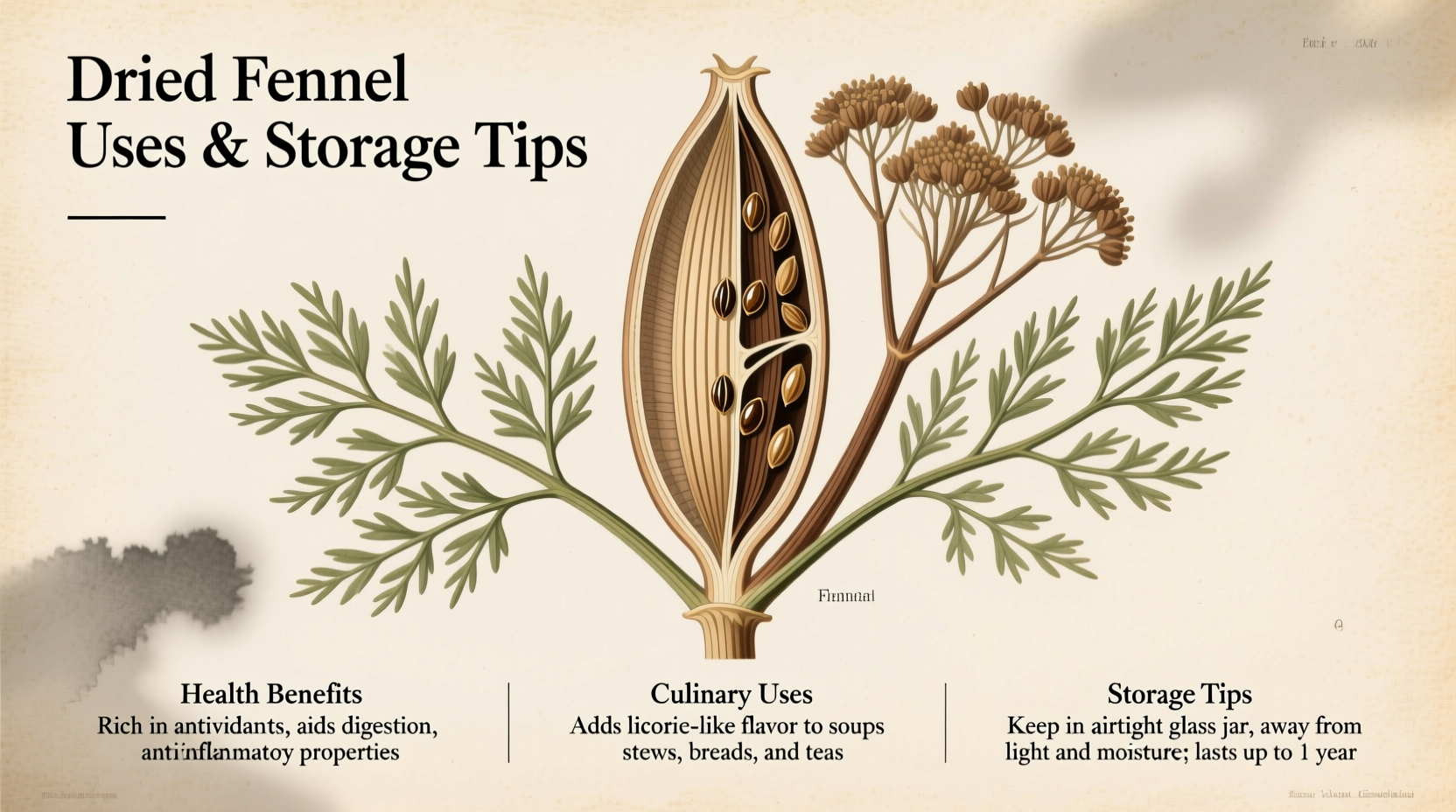
Dried fennel refers primarily to the mature seeds of *Foeniculum vulgare*, a flowering plant in the carrot family (Apiaceae) native to the Mediterranean but now cultivated globally. Though commonly called \"fennel seeds,\" they are technically the dried fruit of the plant. Both whole dried seeds and ground powder are used in culinary and medicinal contexts. Unlike fresh fennel bulb—often roasted or shaved into salads—the dried form concentrates the plant’s essential oils, delivering a more intense, longer-lasting flavor ideal for dry rubs, braises, breads, and spice blends.
Fennel has been valued since antiquity. Ancient Egyptians used it in burial rituals and tonics; Hippocrates referenced it for respiratory and digestive wellness; and Charlemagne listed it among required herbs for imperial gardens. Today, it remains a staple in Indian *panch phoron* and Chinese five-spice variations, as well as Italian sausage seasoning and Scandinavian aquavit production.
Key Characteristics
| Attribute | Description |
|---|---|
| Flavor Profile | Sweet, licorice-like, mildly peppery with cool undertones. Less sharp than anise or star anise. |
| Aroma | Bright, herbal, slightly camphorous when crushed. Releases warm, balsamic notes upon heating. |
| Color & Form | Greenish-brown to yellow-brown oval seeds (3–5 mm); ground form ranges from pale tan to golden. |
| Heat Level | Non-pungent. No capsaicin heat. Mildly warming in digestion, not on the palate. |
| Culinary Function | Flavor base, digestive aid in rich dishes, aromatic enhancer in breads and pickles, component of spice mixes. |
| Shelf Life | Whole seeds: 2–3 years if stored properly. Ground: 6–12 months due to volatile oil loss. |
Practical Usage: How to Use Dried Fennel in Cooking
Dried fennel is exceptionally versatile. Its solubility in fat and alcohol allows it to infuse deeply into oils, meats, and spirits. Because its flavor compounds are oil-soluble, dry-toasting or blooming in hot oil before adding liquids unlocks the fullest aroma.
Dry Toasting for Depth
Place whole seeds in a dry skillet over medium-low heat. Stir constantly for 2–3 minutes until fragrant and slightly darker. This technique enhances sweetness and reduces raw edge. Immediately transfer to a plate to stop cooking. Use in rice pilafs, lentil dishes, or grind for spice blends.
Blooming in Oil (Tempering)
In Indian and Middle Eastern cooking, tempering involves heating spices briefly in oil or ghee to release essential oils. Add 1 tsp dried fennel seeds to hot oil, sizzle for 30 seconds, then add onions or other aromatics. This builds foundational flavor in curries, dals, and vegetable stir-fries.
In Meat Preparation
Dried fennel is a cornerstone of Italian sausage seasoning. Combine with garlic powder, paprika, black pepper, and a pinch of red pepper flakes. Use 1–2 tsp per pound of ground pork. It cuts richness and complements fatty meats. Also effective in lamb marinades and beef rubs.
Baking and Bread-Making
Whole or lightly crushed fennel seeds are baked into rye breads, biscotti, and savory crackers. In Nordic countries, fennel appears in *krumkaker* and flatbreads. Pair with caraway or coriander for complex grain-based flavors.
Pickling and Fermentation
Add 1 tsp whole seeds per quart jar in brines for cucumbers, carrots, or cabbage. Fennel contributes aromatic balance and mild antiseptic properties that may support fermentation stability.
Herbal Infusions and Digestive Teas
Steep 1 tsp crushed seeds in 8 oz boiling water for 10 minutes. Strain and drink after meals to ease bloating or indigestion. Often combined with ginger, chamomile, or peppermint.
Pro Tip: When substituting ground fennel for whole, use ¾ tsp ground for every 1 tsp whole seeds. Ground loses potency faster, so adjust for freshness.
Variants & Types of Dried Fennel
While all dried fennel comes from *Foeniculum vulgare*, regional cultivars and processing methods yield subtle differences in flavor and application.
- Green Fennel Seeds (Sweet Fennel): Most common in Western markets. Brighter, sweeter, and higher in anethole (the compound responsible for licorice flavor). Ideal for culinary use.
- Bitter Fennel (Wild Fennel): Slightly more pungent, with grassy, resinous notes. Used more medicinally. Found in southern Italy and Greece.
- Blanched or Pale Seeds: Older stock or improperly stored seeds that have lost color and aroma. Avoid if dull or musty-smelling.
- Ground Dried Fennel: Convenient but degrades quickly. Best freshly ground from whole seeds using a spice grinder or mortar and pestle.
- Fennel Pollen: Not dried seeds, but included for context. The rare, golden pollen of the fennel flower is intensely aromatic—up to 10x stronger than seeds. Used as a finishing spice. Extremely expensive but worth a pinch in risotto or on grilled fish.
| Form | Best For | Storage Duration | Substitution Ratio |
|---|---|---|---|
| Whole Seeds | Toasting, tempering, pickling, sausages | 2–3 years in airtight container | 1 tsp = 1 unit |
| Ground Fennel | Rubs, spice blends, baking | 6–12 months | ¾ tsp = 1 tsp whole |
| Fennel Pollen | Finishing, gourmet applications | 1–2 years (sealed) | ⅛ tsp ≈ 1 tsp seeds |
Comparison with Similar Ingredients
Dried fennel is frequently confused with anise seed and star anise due to shared flavor compounds. However, each has distinct characteristics and uses.
| Spice | Flavor Intensity | Origin | Primary Use | Key Difference |
|---|---|---|---|---|
| Dried Fennel Seed | Moderate, sweet, herbal | Mediterranean | Cooking, tea, digestion | Milder, more rounded; includes green/herbal notes |
| Anise Seed (*Pimpinella anisum*) | Strong, sharp licorice | Eastern Mediterranean | Baking, liqueurs (ouzo, pastis) | Purer anethole hit; less herbal complexity |
| Star Anise (*Illicium verum*) | Very strong, medicinal licorice | China/Vietnam | Braising liquids, pho, five-spice | Woody, dominant; used sparingly; not interchangeable in delicate dishes |
\"Fennel seed is the diplomat of the licorice-flavored spice family—it brings harmony, not dominance. That's why it works in everything from fish to figs.\" — Chef Elena Maroulis, Culinary Anthropologist
Practical Tips & FAQs
How do I know if my dried fennel is still good?
Fresh fennel seeds should crackle when bitten and release a fragrant, sweet-oily aroma when crushed. If they’re brittle without scent or taste dusty, they’ve oxidized and should be replaced. Perform a “crush-and-sniff” test before use.
Can I substitute anise for dried fennel?
Yes, but cautiously. Use half the amount of anise seed, as it is more potent. Note that anise lacks the herbal nuance of fennel and may overpower delicate dishes.
Is dried fennel safe during pregnancy?
In culinary amounts (e.g., ½–1 tsp in food), dried fennel is generally considered safe. However, concentrated extracts or therapeutic doses of fennel tea may have estrogenic effects and should be avoided unless approved by a healthcare provider.
What are the best dishes to showcase dried fennel?
- Italian Sausage and Peppers: Fennel is non-negotiable here—its synergy with pork and bell peppers defines the dish.
- Lamb Tagine: Paired with cumin, cinnamon, and apricots, fennel adds aromatic lift.
- Vegetable Biryani: Tempered in ghee at the start, it layers fragrance into rice and legumes.
- Roasted Root Vegetables: Toss carrots, parsnips, and turnips with olive oil, salt, and 1 tsp crushed fennel before roasting.
- Fennel-Infused Olive Oil: Steep 2 tbsp seeds in 1 cup warm oil for 2 hours, strain, and use for dipping or dressings.
Does dried fennel help with bloating?
Clinical evidence supports fennel’s role in digestive wellness. A 2021 meta-analysis in *BMC Complementary Medicine and Therapies* found that fennel seed oil reduced infant colic symptoms, while adult studies show modest improvement in IBS-related bloating. The mechanism involves antispasmodic effects on smooth muscle in the gut, attributed to anethole and estragole.
Can I grow and dry my own fennel seeds?
Yes. Plant fennel in full sun with well-drained soil. Allow flower heads to mature and turn brown. Cut stalks and hang upside down in a paper bag in a dry, dark place. Seeds will fall naturally in 1–2 weeks. Store in glass jars away from light.
Storage Checklist: To maximize shelf life:
- Store in airtight glass containers
- Keep in a cool, dark cupboard (not above the stove)
- Avoid humidity and temperature fluctuations
- Label with purchase date
- Buy whole seeds whenever possible
Nutritional and Health Benefits
Beyond flavor, dried fennel offers several bioactive compounds with potential health benefits:
- Anethole: Primary constituent (50–70% of essential oil), exhibits anti-inflammatory and antimicrobial properties.
- Fiber: 1 tbsp (6g) provides ~2g dietary fiber, supporting gut motility.
- Antioxidants: Contains flavonoids like quercetin and kaempferol, which combat oxidative stress.
- Phytoestrogens: May help regulate hormonal balance, though research is ongoing.
Note: These benefits are associated with moderate consumption. Excessive intake (e.g., >5g daily of seeds or concentrated extracts) may lead to neurotoxicity due to estragole, a naturally occurring compound under regulatory scrutiny in some regions. Culinary use poses negligible risk.
Summary & Key Takeaways
Dried fennel is far more than a background note in spice racks. It is a bridge between cuisine and wellness, tradition and modern flavor science. Its sweet, herbal-anise character enhances meats, vegetables, grains, and beverages, while its digestive properties make it a functional ingredient in holistic diets.
Key points to remember:
- Dried fennel seeds are the mature fruit of *Foeniculum vulgare*, distinct from fresh fennel bulb.
- Whole seeds retain flavor longer than ground; toast or bloom in oil to maximize impact.
- Essential in Italian sausages, Indian dals, pickling brines, and digestive teas.
- Differentiate from anise and star anise—fennel is milder and more herbaceous.
- Store in airtight, dark containers for up to three years; check aroma before use.
- Offers modest digestive and antioxidant benefits when consumed regularly in food.
Ready to elevate your spice game? Audit your pantry: replace any fennel that’s lost its scent, invest in whole seeds, and try tempering them in your next lentil soup. You’ll taste the difference—and your digestion might thank you too.









