As the holiday season approaches, neighborhoods across North America begin transforming into glowing wonderlands. Homes adorned with synchronized lights, dancing figures, and festive music have become more than just decorations—they’re full-scale productions. But beyond joy and nostalgia, a growing trend has emerged: families driving miles to see these elaborate displays. This raises an important question—do animated Christmas light shows actually increase neighborhood foot traffic?
The answer is not only yes but supported by observable patterns in local economies, community engagement, and municipal planning. From suburban cul-de-sacs to city parks hosting official light festivals, illuminated displays draw crowds, stimulate small businesses, and foster social connection. However, the effects vary based on location, scale, promotion, and infrastructure.
The Rise of the Animated Holiday Display
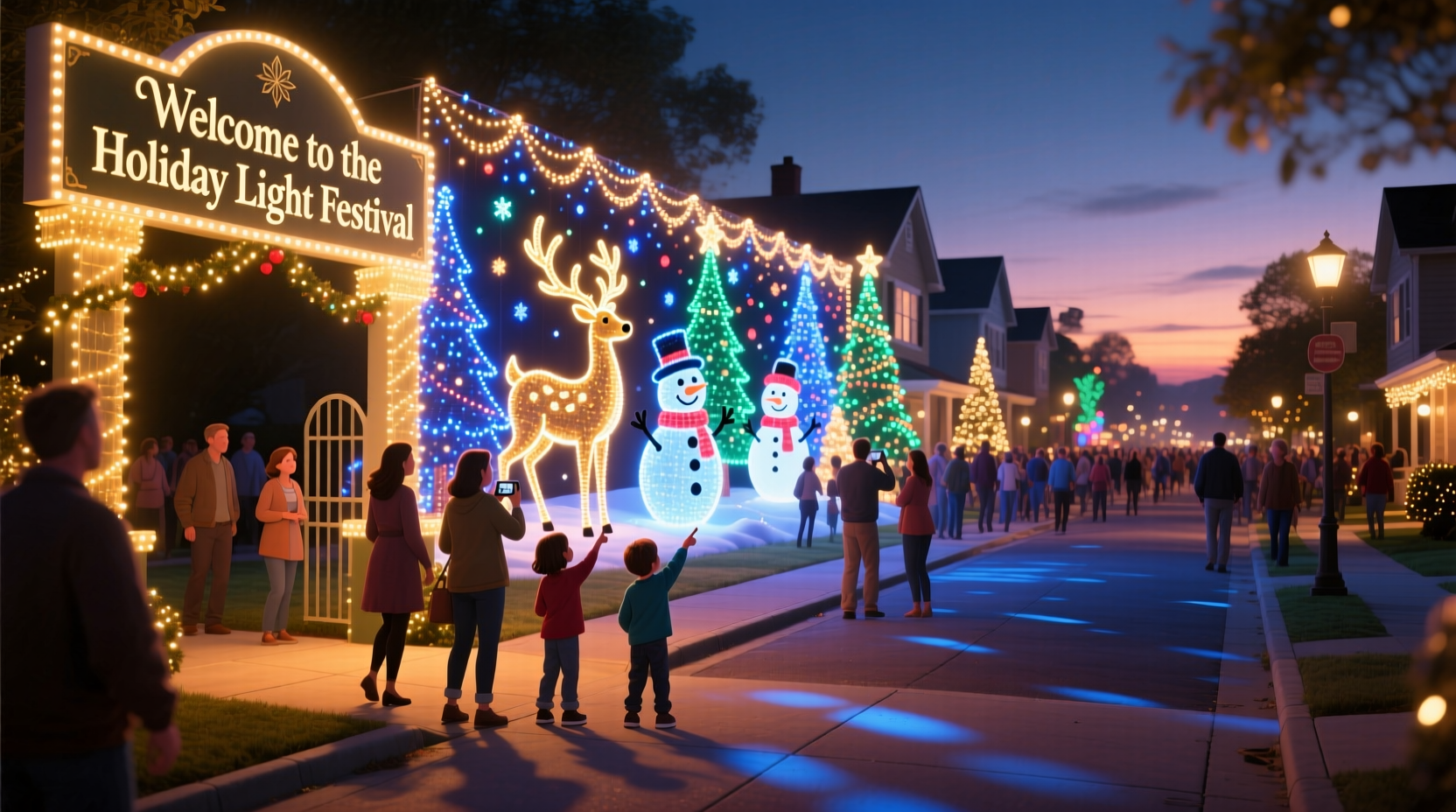
What began as simple string lights and plastic reindeer has evolved into high-tech spectacles. Modern homeowners use programmable LED systems, sound synchronization, and app-based controls to choreograph minutes-long light routines set to classic carols or pop hits. Some setups involve hundreds of individually controlled channels, motion sensors, and even voice-activated features.
This technological leap has turned private yards into public attractions. A single viral video on social media can propel a residential display into regional fame. Once that happens, cars begin lining up along quiet streets, sidewalks fill with bundled-up visitors, and entire communities feel the ripple effect.
According to a 2023 survey by the National Retail Federation, nearly 40% of Americans attend at least one holiday light show annually, with over half traveling outside their immediate area. Of those, 68% reported visiting nearby shops, cafes, or food trucks while attending—indicating a clear link between visual appeal and economic activity.
Tip: Even modestly animated displays benefit from consistent timing (e.g., running every 15 minutes) to manage crowd flow and energy use.How Light Shows Drive Foot Traffic: The Mechanisms
The relationship between animated lights and increased pedestrian movement isn’t accidental—it’s driven by several interlocking factors.
Social Media Amplification
A well-designed light show often becomes shareable content. Videos tagged with locations appear on platforms like TikTok, Instagram, and Facebook, sometimes reaching tens of thousands of viewers. When users tag addresses or include “must-see” captions, interest snowballs. A home in Denver once attracted over 10,000 visitors in three weeks after a single post garnered 2 million views.
Event-Like Experience
Unlike passive observation, many modern displays are designed as experiences. Features like timed performances, donation jars for charity, hot cocoa stands, or Santa visits encourage停留 (dwell time). The longer people stay, the more likely they are to explore surrounding areas.
Family-Friendly Destination Appeal
In an era where entertainment options are increasingly digital, physical destinations that offer safe, inclusive, and memorable family outings are rare. Animated light shows fill this gap. Parents seek out such events as alternatives to crowded malls or expensive theme parks.
Seasonal Tourism Boost
Towns known for their holiday displays—like McAdenville, North Carolina (“Christmas Town USA”) or Dyker Heights in Brooklyn—report measurable increases in tourism during December. Local hotels, restaurants, and gift shops see revenue spikes directly tied to visitor influxes.
“People don’t just come for the lights—they come for the feeling. And when you create that kind of emotional draw, commerce follows naturally.” — Dr. Laura Simmons, Urban Sociologist at the University of Washington
Case Study: The Maplewood Effect
In 2021, a homeowner in Maplewood, New Jersey installed a 4,000-light synchronized display featuring eight animated characters, a soundtrack broadcast via FM transmitter, and a QR code linking to a suggested donation for a local food bank. Initially intended as a personal project, the display gained traction after being featured on a regional news segment.
Within two weeks, nightly attendance averaged 500–700 people. By Christmas Eve, over 18,000 individuals had visited. The town responded by installing temporary signage, increasing police patrols during peak hours, and encouraging nearby businesses to extend evening hours.
Local impacts included:
- A 40% increase in sales at the corner coffee shop, which began selling holiday-themed pastries.
- Three neighboring homes launching their own smaller displays, creating a mini-tourism loop.
- A petition to designate the block as an official “Holiday Walk Zone” in future years.
While some residents expressed concerns about noise and parking congestion, the overall sentiment remained positive. The homeowner estimated donations exceeded $3,200 for the partnered charity—an unintended but welcome outcome.
Measuring the Impact: A Comparative Table
| Factor | Low-Impact Display | High-Impact Animated Show |
|---|---|---|
| Average Visitors per Night | 10–50 | 200–1,000+ |
| Dwell Time | Under 5 minutes | 15–30 minutes |
| Social Media Mentions | Fewer than 20 | Hundreds to thousands |
| Nearby Business Uplift | Minimal | Noticeable (15–50% sales increase) |
| Municipal Involvement | None | Possible traffic management, permits, or promotion |
Best Practices for Maximizing Positive Impact
For homeowners considering an animated display—or communities looking to support them—strategic planning ensures benefits outweigh challenges. Below is a checklist for responsible, effective implementation.
Animated Light Show Checklist
- Check local ordinances: Some municipalities limit decibel levels, operating hours, or electrical load.
- Plan for parking: Identify overflow zones and communicate expectations clearly.
- Use low-voltage LEDs: Reduces fire risk and electricity costs.
- Set a schedule: Run shows every 15–30 minutes from 5–9 PM to manage crowds.
- Include accessibility considerations: Ensure walkways are clear and visible for all guests.
- Offer a digital alternative: Livestream the show for remote viewers or those unable to attend.
- Partner with a charity: Encourage donations to give the event deeper meaning.
- Promote responsibly: Share address details cautiously to avoid overwhelming neighbors.
Challenges and Community Considerations
While increased foot traffic brings benefits, it also introduces complications. Unmanaged crowds can lead to safety hazards, strained neighbor relations, and environmental wear. In extreme cases, emergency services have been called due to blocked driveways or unauthorized access to private property.
Municipal responses vary. Some cities embrace the phenomenon by issuing seasonal permits for holiday displays, offering guidance on crowd control, or integrating popular sites into official tourism maps. Others impose restrictions when complaints arise.
The key lies in balance. Successful displays maintain respect for the residential context while enhancing community spirit. One approach is coordination—when multiple homes on a street participate, traffic disperses more evenly, reducing pressure on any single household.
“We’ve seen neighborhoods turn competition into collaboration. Instead of one 'winner,' they build walking tours where each house contributes something unique.” — Mark Tran, City Planner, Portland, OR
Step-by-Step Guide to Launching a Traffic-Generating Display
Want to create a display that draws attention without causing disruption? Follow this timeline:
- September: Research & Design
Sketch your layout, choose equipment, and verify compatibility with controllers and software. - Early October: Order Supplies
Purchase lights, extension cords, weatherproof enclosures, and audio equipment early to avoid delays. - Late October: Test Systems
Program a short sequence and test it at night to assess visibility and sound reach. - Mid-November: Install Infrastructure
Mount frames, secure wiring, and ensure all connections are grounded and protected from moisture. - December 1: Launch Soft Opening
Run the show for friends and neighbors to gather feedback and make adjustments. - December 5: Public Announcement
Share details on Nextdoor, Facebook Events, or local forums—with clear instructions for respectful visitation. - Throughout December: Monitor & Adapt
Adjust timing, volume, or signage based on real-world conditions and guest behavior. - January 2: Dismantle Safely
Label components for storage and inspect for damage before next year.
Frequently Asked Questions
Can too many visitors be a problem?
Yes. Excessive foot traffic can lead to parking violations, litter, noise complaints, and strained relationships with non-participating neighbors. Limiting operating hours, using signage, and coordinating with local authorities can help mitigate these issues.
Do animated light shows significantly raise electricity bills?
It depends. Traditional incandescent lights can cost $50–$100 per month to operate. However, modern LED systems consume up to 80% less power. A large animated setup using efficient LEDs may add only $15–$30 to a monthly bill, especially if run for limited durations.
Are there legal risks to hosting a public viewing?
Potentially. Homeowners should check liability coverage under their renter’s or homeowner’s insurance. Some policies exclude commercial-like activities. Adding a waiver at entry points or partnering with a nonprofit can reduce exposure.
Conclusion: Lights That Lead to Life
Animated Christmas light shows do more than illuminate winter nights—they activate communities. They bring strangers together on sidewalks, spark conversations between neighbors, and breathe seasonal life into otherwise quiet streets. The evidence is clear: these displays increase foot traffic, often dramatically.
But the true value extends beyond numbers. It’s found in the child who sees a dancing snowman for the first time, the elderly couple taking a slow evening stroll, or the local café owner handing out free cider to cold visitors. When done thoughtfully, a light show becomes more than entertainment—it becomes a shared experience, a point of pride, and a catalyst for connection.
If you're considering installing an animated display, start small, plan responsibly, and keep the community in mind. Your lights might just become someone else’s holiday highlight.
💬 Have you visited or hosted a holiday light show? Share your story in the comments—what worked, what surprised you, and how did it affect your neighborhood?