When it comes to elevating a living space, few elements carry as much emotional and aesthetic weight as wall art. Whether it’s a vibrant abstract piece above the sofa or a serene landscape in the bedroom, art shapes the tone of a room. But today, homeowners face a growing dilemma: should they invest in traditional physical paintings or opt for high-quality digital art prints? The choice isn’t just about cost—it affects ambiance, authenticity, resale value, and personal connection. Understanding the nuanced differences between these two forms of art is essential for making a decision that enhances both your environment and long-term value.
Aesthetic Impact and Visual Presence
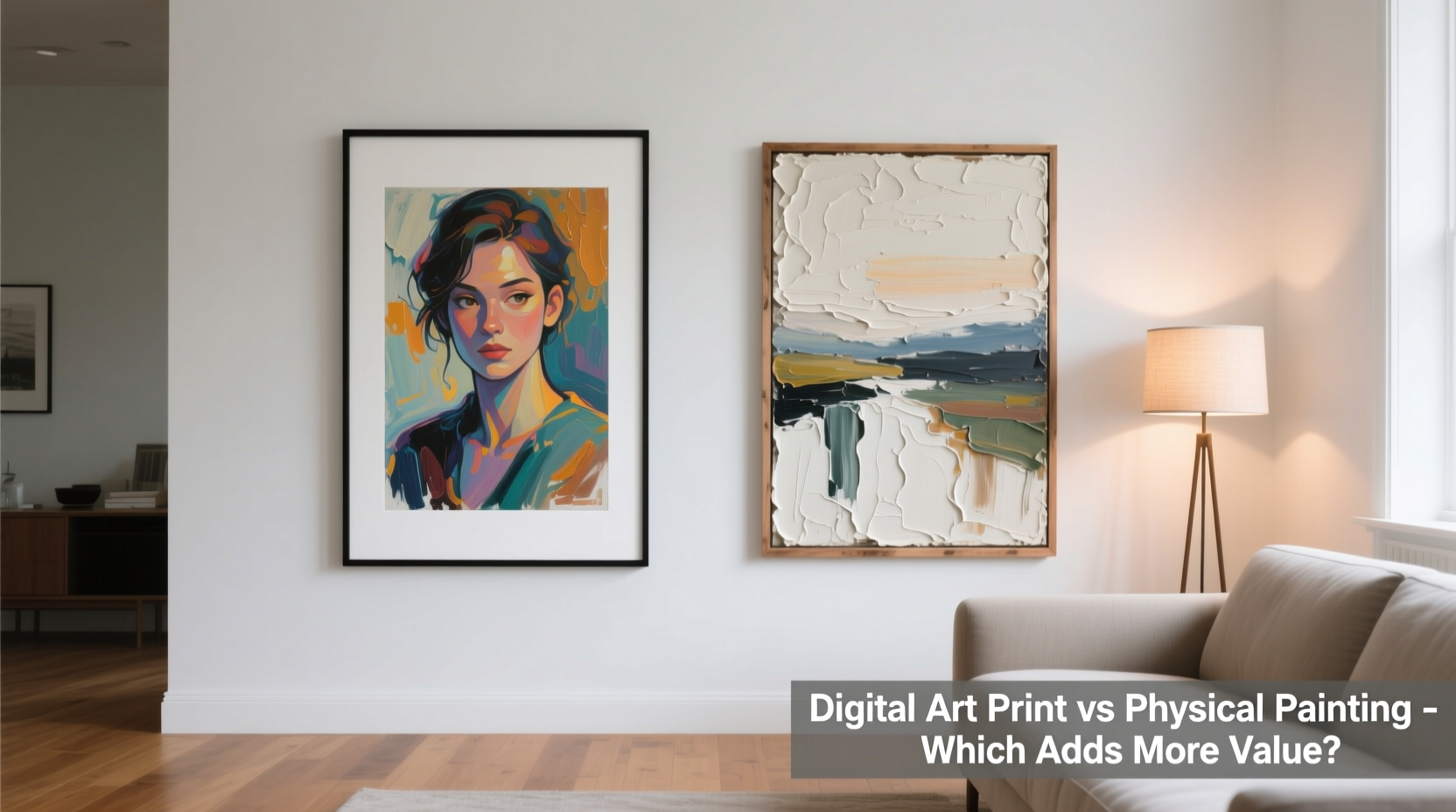
The visual effect of artwork in a space depends on scale, texture, color depth, and lighting interaction. Physical paintings often have an inherent dimensionality—brushstrokes, impasto textures, and canvas grain create a tactile presence that changes with the angle of light. This dynamism makes them focal points in any room. A hand-painted oil or acrylic piece casts subtle shadows and reflects light differently throughout the day, adding depth and movement to static walls.
Digital art prints, especially when printed on premium paper or canvas with archival inks, can closely mimic the appearance of original works. Advances in giclée printing technology now allow for rich color saturation and fine detail reproduction. However, most prints remain flat and lack the three-dimensional quality of actual paint. While large-format prints can dominate a wall effectively, they often appear more uniform under changing light conditions.
Tip: For maximum visual impact, pair larger digital prints with textured frames or layered matting to simulate depth.The placement also matters. In high-traffic areas like hallways or kitchens, where durability is key, a sealed digital print behind UV-protective glass may outperform a delicate oil painting. Conversely, in formal living rooms or studies, a physical painting often conveys sophistication and permanence.
Emotional and Personal Value
Art resonates emotionally. A physical painting carries the energy of its creation—the artist’s hand, the time invested, the imperfections that make it unique. Many collectors describe a sense of intimacy when standing before an original work, feeling connected to the moment it was made. This emotional resonance translates into deeper personal value within a home.
Digital prints, while accessible and often affordable, are inherently reproducible. Even limited-edition prints signed by the artist don’t carry the same singularity as a one-of-a-kind painting. Yet, this doesn’t diminish their emotional potential. For instance, a digital print of a beloved illustration or a personal photograph transformed into fine art can evoke powerful memories and feelings, especially in family spaces.
“An original painting isn’t just decoration—it’s a fragment of someone’s soul placed on canvas. That intangible quality influences how we experience a room.” — Dr. Lena Torres, Art Psychologist & Interior Design Consultant
In homes where storytelling matters—such as those filled with heirlooms or travel mementos—a physical painting can anchor narratives. A portrait passed down through generations or a landscape painted during a pivotal life chapter becomes part of the household’s identity. Digital prints, meanwhile, offer flexibility to rotate themes seasonally or adapt to evolving tastes without emotional attachment.
Investment and Long-Term Value
From a financial perspective, physical paintings generally hold—and can increase—value over time, particularly if created by recognized artists. According to the 2023 Hiscox Online Art Trade Report, original artworks appreciated at an average annual rate of 6.4% over the past decade, outperforming many conventional investments. Limited availability, provenance, and exhibition history all contribute to this growth.
Digital art prints, even those from popular contemporary artists, rarely appreciate. Most are mass-produced or available on-demand, which limits scarcity. Exceptions exist—such as NFT-backed digital editions with verified ownership—but these remain niche and volatile. For the average homeowner, a digital print is a consumable decorative item rather than an asset.
Consider this scenario:
Mini Case Study: The Modern Loft Renovation
Sophia, a young professional in Portland, recently renovated her downtown loft. She wanted bold, statement-making art but had a limited budget. After researching options, she purchased three museum-quality digital prints from emerging digital artists, each framed in custom walnut floater frames. Total cost: $450. Two years later, she sold the apartment. During staging, real estate agents noted the cohesive, curated gallery wall enhanced the modern aesthetic. While the prints didn’t add monetary equity, they contributed to a faster sale by improving perceived lifestyle appeal. In contrast, her friend Marcus bought a single original oil painting for $3,000. Five years later, it was appraised at $7,200 after the artist gained international recognition. His piece added tangible net worth to his property portfolio.
This illustrates a crucial distinction: digital prints enhance immediate marketability; originals build long-term capital.
Practical Comparison: Durability, Maintenance, and Flexibility
Maintenance needs differ significantly between the two formats. Physical paintings require careful handling—avoiding humidity, direct sunlight, and temperature fluctuations. Oil and acrylic paintings can crack over time if not stored properly, and dust must be removed gently with soft brushes. Restoration, if needed, is costly and best left to conservators.
Digital prints are more resilient in everyday environments. When laminated or framed with non-reflective, UV-blocking glass, they resist fading for decades. Archival pigment inks used in professional printing are rated to last 75–100 years without significant degradation. They’re also easier to replace—if damaged, you can reprint from the digital file.
Flexibility is another advantage of digital art. Homeowners can experiment with different styles, sizes, and arrangements without permanent commitment. Swapping out prints seasonally or reconfiguring a gallery wall takes minutes. This adaptability suits renters or those who frequently update their interiors.
- Digital Art Prints Are Best When:
- You want affordability, variety, and ease of replacement.
- Physical Paintings Excel When:
- You seek uniqueness, emotional depth, and long-term value.
Do’s and Don’ts: Caring for Each Format
| Format | Do’s | Don’ts |
|---|---|---|
| Digital Prints | Use UV-protective glass; clean with microfiber cloth; store digital files securely | Avoid direct sunlight; don’t use ammonia-based cleaners; never leave unframed in humid areas |
| Physical Paintings | Hang away from vents/windows; dust monthly; inspect for cracking annually | Never spray cleaner directly; avoid touching surface; don’t hang in bathrooms or kitchens |
How to Choose Based on Your Space and Goals
Selecting between digital prints and physical paintings shouldn’t be arbitrary. It should align with your interior goals, lifestyle, and values. Follow this step-by-step guide to make an informed decision:
- Assess Your Budget: Determine how much you’re willing to spend upfront and maintain over time. Originals require higher initial investment; prints offer scalable entry points.
- Evaluate Room Function: High-moisture or high-traffic areas (e.g., entryways, kids’ rooms) favor durable prints. Quiet, climate-controlled spaces (living rooms, studies) suit delicate originals.
- Define Your Style Philosophy: Do you value rarity and legacy, or do you prefer rotating trends and accessibility? Your answer guides the format.
- Research Artists: Support living creators whether digital or traditional. Look for credentials, exhibitions, or critical reviews to gauge potential appreciation.
- Plan for Display and Lighting: Use adjustable LED picture lights to highlight textures in paintings. For prints, consider floating frames to elevate presentation.
- Think Long-Term: Will this piece stay for years, or might you redecorate soon? Transient spaces lean toward prints; permanent installations justify originals.
Checklist: Choosing the Right Art for Your Home
- ☐ Set a clear budget for art purchases
- ☐ Identify which rooms need statement pieces vs. accent decor
- ☐ Decide whether emotional connection or practicality is more important
- ☐ Verify print quality (archival inks, heavyweight paper/canvas)
- ☐ Confirm authenticity and provenance for physical paintings
- ☐ Plan framing and lighting for optimal presentation
- ☐ Consider future resale or inheritance value
Frequently Asked Questions
Can digital art prints look as good as real paintings?
Yes, especially high-resolution giclée prints on textured canvas with proper framing. Under normal viewing conditions, many people cannot distinguish a well-made print from an original. However, close inspection reveals the absence of brushwork and texture.
Do physical paintings increase home value?
Not directly in appraisals, but they significantly enhance perceived luxury and buyer appeal. Homes staged with original art often sell faster and at higher price points due to improved ambiance and lifestyle signaling.
Are digital prints a waste of money?
No. While they don’t appreciate financially, they provide aesthetic, emotional, and psychological benefits. For many households, they represent smart, flexible decor investments that support artists and foster creativity.
Final Thoughts: Balancing Beauty, Meaning, and Value
The debate between digital art prints and physical paintings isn’t about superiority—it’s about alignment. Each serves distinct purposes in home decor. Physical paintings bring irreplaceable authenticity, emotional gravity, and the potential for financial return. They are heirloom pieces, meant to be passed down and remembered. Digital prints offer democratized access to beauty, enabling anyone to curate sophisticated, evolving spaces regardless of budget.
The most valuable homes aren’t those filled only with expensive originals or trendy prints—they’re the ones where art reflects intention. Whether you choose a centuries-old technique or embrace cutting-edge digital expression, what matters is that the art speaks to you, complements your environment, and enriches daily life.
🚀 Ready to transform your space? Start by selecting one meaningful piece—original or print—that resonates with your story. Then build around it with purpose. Share your journey or tag your favorite artists; great decor begins with conscious choices.








