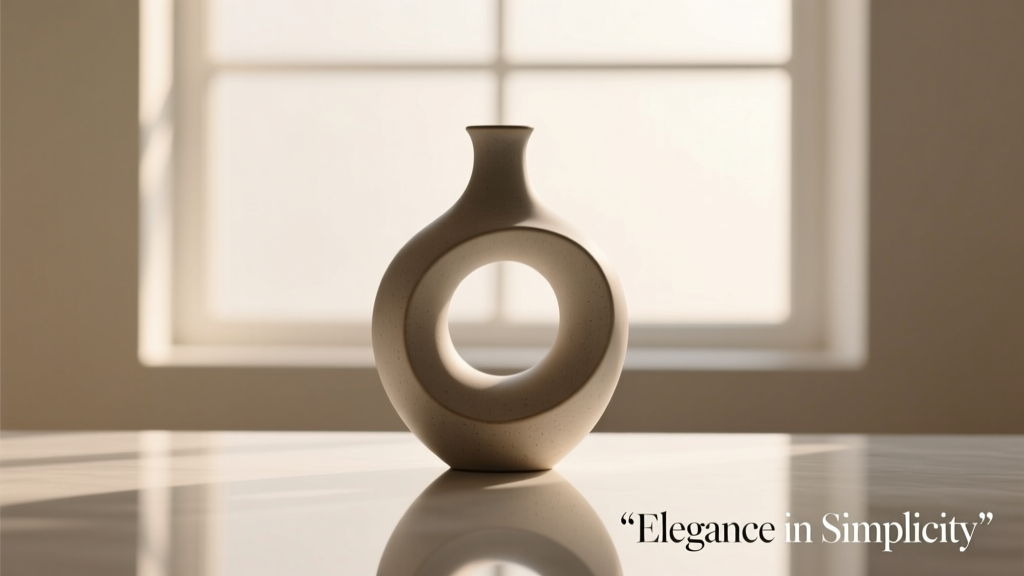
Types of Desk Decoration Gadgets
Enhancing your workspace with the right desk decoration gadgets can boost productivity, improve focus, and reflect your personal style. From functional organizers to playful toys and immersive tech, these accessories blend aesthetics with utility. Below is a comprehensive guide to the most popular types of desk gadgets, their benefits, ideal uses, and key considerations.
Desk Organizers
Desk organizers are both practical and stylish tools that help maintain a clutter-free workspace. They come in various materials—wood, metal, plastic, or fabric—and designs tailored to hold pens, notepads, sticky notes, cables, and even small electronics like USB drives or headphones.
Advantages
- Improves workspace efficiency and accessibility
- Available in modular, stackable, or drawer-style designs
- Enhances visual appeal with sleek, modern finishes
- Helps reduce stress by minimizing clutter
Limitations
- Larger models may take up valuable desk space
- Poorly designed ones can become clutter traps
- May not accommodate all device sizes or shapes
Best for: Home offices, corporate desks, students, and anyone seeking a tidy, professional look
Plant Holders
Introducing greenery to your desk through plant holders brings life, color, and improved air quality to your workspace. Options range from minimalist ceramic pots to smart planters with built-in LED grow lights and self-watering systems.
Advantages
- Boosts mood and reduces stress
- Naturally purifies indoor air (e.g., snake plants, pothos)
- Adds warmth and visual interest to sterile environments
- Available in compact, space-saving designs
Limitations
- Requires light and occasional maintenance
- Overwatering can damage desks or electronics
- Some plants may trigger allergies
Best for: Any workspace needing a natural touch—especially those with limited natural light or in urban settings
Action Figures
Action figures serve as personalized decor that reflects hobbies, fandoms, or inspirations. Whether it’s a superhero, anime character, historical figure, or miniature vehicle, these collectibles add personality and conversation starters to your desk.
Advantages
- Expresses individuality and interests
- Available in diverse themes and sizes (typically 4–6 inches)
- Doubles as a motivational or nostalgic item
- Can inspire creativity during brainstorming sessions
Limitations
- May appear unprofessional in formal workplaces
- Larger figures take up significant space
- Can be expensive for limited-edition models
Best for: Creative professionals, gamers, collectors, and casual office environments
Desk Toys
Desk toys are interactive gadgets designed to relieve stress, improve focus, and provide mental breaks. Popular options include fidget spinners, stress balls, kinetic sand, desktop mini-games, and moving sculptures like Newton’s cradle.
Advantages
- Reduces anxiety and improves concentration
- Encourages short, refreshing breaks
- Compact, durable, and easy to store
- Engages tactile senses for better cognitive function
Limitations
- Can be distracting if overused
- Lower-quality toys may break easily
- Some may produce noise (e.g., clicking cubes)
Best for: Remote workers, creatives, students, and high-stress roles requiring mental clarity
Virtual Reality Gadgets
Virtual reality (VR) gadgets are transforming workspaces into immersive environments. From VR headsets for design and training to ambient desktop displays simulating ocean views or forests, these tools blend work, wellness, and play.
Advantages
- Enhances focus through immersive soundscapes or visuals
- Supports remote collaboration and 3D modeling
- Provides mental escape during breaks
- Useful for training, education, and creative design
Limitations
- Requires significant desk or room space
- Higher cost and technical setup
- May cause eye strain or motion sickness with prolonged use
Best for: Designers, developers, educators, and tech enthusiasts with dedicated workspace
| Gadget Type | Functionality | Space Needed | Best For | Maintenance Level |
|---|---|---|---|---|
| Desk Organizers | Storage & Accessibility | Low to Medium | Tidiness, productivity | Low |
| Plant Holders | Decor & Air Quality | Low | Wellness, aesthetics | Medium |
| Action Figures | Personalization | Low | Self-expression | Low |
| Desk Toys | Stress Relief & Focus | Very Low | Mental breaks, concentration | Low |
| Virtual Reality Gadgets | Immersive Experience | High | Innovation, design, training | Medium-High |
Expert Tip: When choosing desk gadgets, balance aesthetics with functionality. Prioritize items that support your workflow—like organizers for productivity or plants for well-being—while ensuring they don’t overcrowd your space. A well-decorated desk should inspire, not distract.
Design of Desk Decoration Gadgets: Aesthetic, Functionality, and Emotional Impact
The design of desk decoration gadgets plays a crucial role in shaping the atmosphere of a workspace. Whether in a home office, corporate environment, or academic setting, these small but meaningful items influence focus, creativity, and emotional well-being. Writers, designers, and product developers should carefully consider the interplay of colors, shapes, materials, and functionality to create desk accessories that are both visually appealing and practically useful.
Key Design Elements of Desk Gadgets
Color Psychology and Aesthetic Harmony
Color is one of the most immediate and impactful aspects of any desk gadget. It sets the tone of the workspace and can significantly affect mood and concentration. Bright and bold colors—such as red, orange, or electric blue—can stimulate energy and creativity, making them ideal for brainstorming areas or creative studios. In contrast, soft pastels like lavender, mint green, or pale gray promote calmness and reduce stress, perfect for high-focus or therapeutic environments.
Surface finishes also contribute to the overall aesthetic: glossy finishes reflect light and add vibrancy, matte finishes offer a modern, understated elegance, and natural tones (like wood grain or stone textures) bring warmth and organic balance. Designers should align color choices with interior design styles—cool, high-contrast colors for minimalist or modern spaces, and warm, earthy hues for traditional or rustic settings.
Moreover, color coordination with other desk items and room decor enhances visual harmony, turning a cluttered desk into a cohesive, inspiring environment.
Shape and Ergonomic Influence
The shape of a desk accessory influences both its usability and emotional impact. Rounded, organic forms—such as soft curves or flowing lines—convey approachability, comfort, and relaxation. These are excellent for stress-relief gadgets like fidget toys or decorative sculptures meant to soothe the mind.
In contrast, angular, geometric shapes—like cubes, hexagons, or sharp-edged designs—communicate precision, structure, and professionalism. These are better suited for office organizers, pen holders, or tech accessories where order and efficiency are prioritized.
Three-dimensional pieces add visual depth and personality to a flat workspace, while low-profile, flat items maintain a clean, unobtrusive look. While unique or whimsical shapes can spark joy and creativity, they should not compromise practicality. The best designs balance artistic expression with ergonomic functionality, ensuring that form enhances—rather than hinders—daily use.
Material Selection and Sensory Experience
The choice of material defines the tactile and visual character of a desk gadget. Each material brings distinct qualities that influence perception and user experience:
- Plastic: Lightweight, cost-effective, and highly moldable—ideal for colorful, mass-produced accessories. Modern finishes can mimic premium materials like metal or wood.
- Metal: Durable, sleek, and often associated with professionalism. Aluminum or stainless steel adds a cool, modern touch and is excellent for tech-related organizers.
- Wood: Offers natural warmth and elegance. Solid wood or bamboo pieces with visible grain patterns are prized for their artisanal feel and sustainability.
- Glass: Transparent and reflective, glass creates a sense of openness and sophistication. Ideal for minimalist designs where visual lightness is key.
- Eco-Friendly Materials: Bamboo, recycled plastics, or biodegradable composites appeal to environmentally conscious users, aligning with green office initiatives and sustainable lifestyles.
The material should not only suit the intended aesthetic but also withstand daily wear, resist fingerprints or scratches, and complement the user’s environment.
Functionality and Practical Value
While aesthetics attract attention, functionality ensures long-term use and satisfaction. A well-designed desk gadget should serve a clear purpose—whether organizing supplies, reducing stress, enhancing productivity, or improving ambiance.
Examples include:
- Organizers: Keep pens, papers, and devices neatly arranged, reducing clutter and mental fatigue.
- Stress-Relief Toys: Fidget cubes, kinetic sand, or magnetic sculptures help users decompress during intense work sessions.
- Mini Plants or Terrariums: Improve air quality and bring nature indoors, boosting mood and focus.
- Smart Gadgets: LED desk lamps with adjustable color temperatures, wireless chargers, or Bluetooth speakers enhance efficiency and comfort.
Multifunctional designs—such as a phone stand that doubles as a cable organizer or a lamp with built-in USB ports—maximize utility in compact spaces. Durability, ease of cleaning, and intuitive use are essential for user satisfaction. When form and function are harmoniously balanced, desk gadgets become more than decorations—they become tools for a better work experience.
| Design Element | Emotional Impact | Best Use Cases |
|---|---|---|
| Bright Colors | Energy, creativity, excitement | Creative studios, children's desks, startup offices |
| Soft Colors | Calm, focus, relaxation | Study rooms, therapy offices, meditation spaces |
| Curved Shapes | Comfort, friendliness, approachability | Home offices, wellness centers, personal workspaces |
| Angular Shapes | Precision, order, professionalism | Corporate offices, engineering desks, executive spaces |
| Natural Materials | Warmth, authenticity, sustainability | Eco-friendly offices, rustic interiors, creative hubs |
| Smart Features | Efficiency, modernity, convenience | Tech workplaces, remote workstations, modern homes |
Tips for Designers and Writers
Important: Desk gadgets should enhance, not distract from, the work environment. Overly flashy, noisy, or bulky items can disrupt focus and create clutter. Always prioritize thoughtful design that supports the user’s goals—whether that’s creativity, productivity, or peace of mind. A well-designed desk accessory is not just a decoration; it’s a small but powerful tool for a better daily experience.
Scenarios Of Desk Decoration Gadgets
Desk decoration gadgets are more than just aesthetic accessories—they play a vital role in enhancing productivity, boosting creativity, and personalizing workspaces across various environments. From home offices to creative studios, the right combination of functional and decorative gadgets can transform a mundane desk into an inspiring and efficient workspace. Below is a detailed breakdown of how desk gadgets serve different professional and personal settings.
Home Office
A home office should blend comfort with professionalism, creating a space that feels both inviting and conducive to focused work. Desk decoration gadgets help bridge the gap between living space and workspace, making remote work more enjoyable and sustainable.
- Personalization: Items like miniature action figures, motivational quote boards, or custom desk mats reflect individuality and make the space uniquely yours.
- Biophilic Design: A small potted plant or self-watering plant holder introduces natural elements that reduce stress and improve air quality.
- Playful Functionality: Clever gadgets like kinetic sculptures or magnetic desktop toys provide brief mental resets during long work sessions.
- Ambient Lighting: LED desk lamps with color temperature control enhance mood and support circadian rhythms during extended screen time.
Pro Tip: Choose gadgets that double as organizers—like a stylish cable management box shaped like a house or a bookend with built-in phone charging—to maintain clutter-free focus.
Corporate Offices
In corporate environments, desk gadgets must balance professionalism with personal expression. The goal is to maintain a polished appearance while subtly boosting morale and efficiency through smart, understated accessories.
- Minimalist Aesthetics: Sleek organizers, brushed metal pen holders, and monochrome desk trays align with corporate design standards.
- Functional Tools: Digital clocks, multi-port USB hubs, and ergonomic lamp stands serve practical purposes while enhancing desk appeal.
- Team Identity: Branded desk accessories or matching team gadgets (e.g., synchronized LED lights) foster unity and belonging.
- Focus Enhancers: White noise emitters, compact air purifiers, or silent fidget tools help employees stay concentrated in open-plan offices.
Key Insight: In formal settings, less is often more—opt for high-quality, subtle gadgets that reflect professionalism without distracting colleagues.
Student Desks
For students, a well-decorated desk can turn study time into an engaging and motivating experience. The right gadgets support focus, organization, and emotional well-being during demanding academic periods.
- Fidget Tools: Fidget cubes, spinners, or stress-relief putty help manage anxiety and improve concentration during long study sessions.
- Visual Motivation: Dry-erase goal boards, countdown calendars, or inspirational LED signs keep students aligned with their targets.
- Organization: Color-coded pen holders, stackable trays, and labeled storage boxes promote efficient study habits.
- Calming Elements: Small succulents, lava lamps, or soft-glow night lights create a soothing atmosphere for late-night studying.
Smart Choice: Encourage students to rotate gadgets periodically to keep their workspace feeling fresh and stimulating.
Creative Studios
In artistic environments—such as design studios, animation labs, or game development spaces—desk gadgets are not just decorations but catalysts for inspiration and innovation. These tools should spark imagination and support the creative workflow.
- Interactive Art: 3D-printed desk sculptures, modular building sets, or rotating kinetic art pieces stimulate visual thinking.
- Color & Light: RGB mood lighting, color-changing desk lamps, or prism projectors add dynamic energy to the workspace.
- Tactile Inspiration: Magnetic desktop toys, sand art displays, or infinity cubes offer hands-on engagement during brainstorming.
- Thematic Decor: Character figurines, comic book collectibles, or studio-branded gadgets reinforce creative identity and passion.
Creative Boost: Integrate gadgets that evolve with projects—like a "progress tracker" LED strip or a whiteboard sketch pad—for ongoing motivation.
Professional Recommendation: When advising clients or selecting desk gadgets, consider the primary function of the space. Prioritize versatility—items that are both decorative and functional tend to have the highest long-term value. For example, a plant holder with integrated wireless charging combines nature, utility, and modern design. Always encourage users to curate their desks mindfully, avoiding clutter while maximizing personal connection and productivity.
| Environment | Primary Goal | Recommended Gadgets | Design Priority |
|---|---|---|---|
| Home Office | Comfort & Productivity | LED desk lamp, potted plant, cable organizer, motivational plaque | Warm, inviting, functional |
| Corporate Office | Professionalism & Efficiency | Minimalist organizer, digital clock, USB hub, ergonomic lamp | Clean, sleek, understated |
| Student Desk | Motivation & Focus | Fidget cube, study timer, color-coded trays, dry-erase board | Vibrant, organized, engaging |
| Creative Studio | Inspiration & Expression | Kinetic art, RGB lighting, collectible figures, sketch pad | Dynamic, bold, personalized |
Additional Considerations
- Ergonomics: Ensure gadgets don’t obstruct typing posture or screen visibility—position lights and decorations thoughtfully.
- Power Management: Choose gadgets with USB-C compatibility or wireless charging to reduce cord clutter.
- Sustainability: Opt for eco-friendly materials like bamboo, recycled plastic, or biodegradable components.
- Customization: Personalized engravings or modular designs allow users to adapt gadgets over time.
- Sound & Motion: Avoid noisy or overly distracting gadgets in shared or focus-intensive environments.
Specification & Maintenance of Desk Decoration Gadgets
Maintaining a clean, organized, and functional workspace enhances both productivity and well-being. Desk decoration gadgets—ranging from organizers and plants to tech accessories and fidget tools—add personality and comfort to your environment. However, without proper care, these items can accumulate dust, harbor germs, or degrade over time. This comprehensive guide provides detailed, practical advice on how to clean, maintain, and preserve your desk decor to ensure longevity, hygiene, and aesthetic appeal.
Safety Note: Always disconnect electronic gadgets before cleaning. Avoid using excessive moisture near electrical components, batteries, or charging ports. When in doubt, consult the manufacturer’s care instructions to prevent damage.
1. Dusting: The Foundation of Desk Cleanliness
Dust buildup is inevitable on any desk surface and can quickly dull the appearance of your decorative items. Regular dusting not only improves visual appeal but also prevents long-term grime accumulation that can be harder to remove later.
- Use a soft, lint-free microfiber cloth or an anti-static duster for gentle cleaning.
- Focus on high-dust areas: organizers, figurines, monitor stands, and air vents.
- Avoid abrasive materials or dirty rags that may scratch delicate surfaces like acrylic or painted finishes.
- Clean weekly to maintain freshness—daily quick wipes are ideal for high-traffic desks.
- Position gadgets away from HVAC vents, fans, or open windows to reduce dust exposure.
- For hard-to-reach areas, use a soft-bristled brush or compressed air to dislodge particles.
Pro Tip: Dust from top to bottom—start with shelves or monitor tops, then move to desk level. This prevents recontamination of already-cleaned surfaces.
2. Caring for Desk Plants: Natural Beauty with Minimal Effort
Live and artificial plants bring life and color to your workspace. Proper care ensures they remain vibrant and healthy-looking without becoming a maintenance burden.
- For Low-Maintenance Plants (Succulents, Cacti):
- Use fast-draining soil to prevent root rot.
- Water sparingly—once every 1–2 weeks, depending on light and humidity.
- Place in indirect sunlight to avoid scorching.
- For Water-Loving Plants (Pothos, Peace Lily):
- Check soil moisture regularly; water when the top inch feels dry.
- Ensure pots have drainage holes to prevent waterlogging.
- Mist leaves occasionally to boost humidity in dry environments.
- For Artificial Plants:
- Dust weekly with a microfiber cloth or soft brush.
- Occasionally rinse under lukewarm water with mild soap, then air-dry completely.
- Avoid direct sunlight to prevent fading or warping of plastic leaves.
Revive struggling live plants by repotting them in fresh soil and trimming dead leaves. Fertilize lightly every 2–3 months during growing season.
3. Maintaining Desk Accessories & Gadgets
Frequent-touch items like phone holders, keyboards, and fidget gadgets can harbor bacteria and become grimy over time. Regular cleaning promotes hygiene and preserves functionality.
- Wipe down non-electronic surfaces (coasters, pen holders, trays) with a disinfectant wipe or damp cloth weekly.
- For electronic gadgets (wireless chargers, LED lamps, USB hubs):
- Power off and unplug before cleaning.
- Use a slightly damp microfiber cloth—never spray liquid directly.
- For stubborn stains, lightly dampen cloth with isopropyl alcohol (70%) and wipe gently.
- Clean headphones, mice, and keyboards monthly:
- Use compressed air to remove debris from crevices.
- Wipe surfaces with alcohol wipes, avoiding speaker grilles or sensors.
- For fabric or silicone items (stress balls, mouse pads), hand-wash with mild soap and air-dry.
| Item Type | Cleaning Frequency | Recommended Tools | Special Notes |
|---|---|---|---|
| Plastic/Metal Organizers | Weekly | Microfiber cloth, mild cleaner | Avoid abrasive scrubbers |
| Live Plants | As needed (watering), Weekly (dusting) | Spray bottle, soft brush | Check soil moisture before watering |
| Electronic Gadgets | Monthly (or as needed) | Alcohol wipes, compressed air | Never apply liquid directly |
| Fabric/Silicone Items | Every 2–4 weeks | Soapy water, soft sponge | Air-dry completely before use |
| Artificial Plants | Bi-weekly (dusting), Monthly (washing) | Soft brush, mild soap | Keep away from heat sources |
4. Proper Storage for Longevity
When not in use, proper storage protects your desk gadgets from damage, dust, and environmental harm.
- Store small items (toys, stress relievers, spare cables) in labeled bins, drawers, or pouches.
- Use soft fabric pouches or cases for tech gadgets (watches, earbuds, styluses) to prevent scratches.
- Keep items in a cool, dry place—avoid attics, basements, or vehicles where temperature and humidity fluctuate.
- Never leave sensitive electronics in direct sunlight or near heaters, as heat can warp plastics and degrade batteries.
- Use stackable organizers or drawer dividers to maintain order and prevent crushing.
Organization Hack: Implement a “one in, one out” rule—when you add a new desk item, remove an old or unused one to prevent clutter buildup.
5. Repair & Revitalization: Extending the Life of Your Decor
Minor damage doesn’t mean replacement. With simple fixes, many desk items can be restored or upgraded.
- For Plants:
- Repot struggling plants in fresh, nutrient-rich soil.
- Trim dead leaves and stems to encourage new growth.
- Move to a location with better light or humidity if fading or drooping.
- For Gadgets:
- Replace worn-out batteries in LED lights or fidget spinners.
- Use adhesive putty or mini clamps to secure loose parts.
- Upgrade outdated items—swap old USB cables for newer, faster versions.
- For Decorative Items:
- Touch up chipped paint with matching nail polish or model paint.
- Reattach broken figurine parts with craft glue.
- Refresh faded fabric items with gentle fabric cleaner.
Warning: Avoid using harsh chemicals like bleach or ammonia on desk items, especially plastics and electronics. These can cause discoloration, cracking, or corrosion.
Bonus: Preventive Maintenance Checklist
- 📅 Daily: Quick wipe of high-touch surfaces (phone, mouse, coaster).
- 📅 Weekly: Full dusting, plant check, and organizer tidy-up.
- 📅 Monthly: Deep clean electronics, inspect for wear, and sanitize fidget tools.
- 📅 Seasonally: Reassess layout, rotate decor, and replace aging items.
Maintaining your desk decoration gadgets isn’t just about cleanliness—it’s about creating a workspace that inspires and supports you. With consistent care, your favorite items can remain functional, hygienic, and visually appealing for years. A well-kept desk reflects a mindful, organized mindset, enhancing both focus and enjoyment during your daily routine.
Frequently Asked Questions About Desk Decorations and Workplace Wellbeing
Q1: How do desk decorations influence the workplace?Desk decorations play a significant role in shaping the overall work environment. Items such as indoor plants, creative desk toys, motivational gadgets, and personalized artwork do more than just enhance visual appeal—they contribute to psychological wellbeing and improved productivity.
- Mood Enhancement: Colorful and meaningful decorations can uplift mood and reduce feelings of stress or monotony.
- Increased Focus: Thoughtfully arranged spaces help minimize distractions and promote concentration, especially when clutter is managed with stylish organizers.
- Workplace Satisfaction: A visually pleasing workspace increases job satisfaction and engagement, making employees more likely to stay motivated throughout the day.
- Creativity Boost: Inspirational items like vision boards, quirky figurines, or rotating desktop displays can spark innovative thinking, particularly in creative or problem-solving roles.
Studies have shown that employees who personalize their workspaces report higher levels of comfort and emotional connection to their jobs, ultimately leading to better performance and reduced burnout.
Q2: What are some popular items for decorating desks?Modern desk decor blends functionality with personal expression. Here are some of the most widely used and effective items:
- Desk Organizers: Keep pens, notepads, cables, and documents neatly arranged—available in materials like wood, metal, or recycled plastic.
- Indoor Plants: Low-maintenance options like succulents, peace lilies, or air plants add life and freshness to any desk.
- Action Figures & Collectibles: Allow individuals to showcase hobbies or fandoms, creating conversation starters and emotional comfort.
- Interactive Desk Toys: Fidget cubes, magnetic sculptures, or balance gadgets help relieve stress and improve focus during long work sessions.
- Smart Gadgets: Wireless charging pads, LED desk lamps with adjustable color temperatures, noise-canceling headsets, and high-definition webcams combine utility with modern aesthetics.
- Personal Art & Photos: Framed pictures, custom prints, or motivational quotes make the space uniquely yours.
When choosing desk decorations, it's important to balance style with practicality—avoid overcrowding your workspace while ensuring frequently used tools remain easily accessible.
Q3: Can plants be kept on desks with no sunlight?Absolutely. Many indoor plants thrive in low-light environments, making them ideal for windowless offices or interior workspaces without direct sun exposure. These resilient species have adapted to survive in shaded conditions and often require less frequent watering.
Top low-light desk plants include:
- Pothos (Devil’s Ivy): Known for its trailing vines and heart-shaped leaves, this plant grows well under fluorescent lighting and purifies the air.
- Snake Plant (Sansevieria): Extremely hardy, it tolerates irregular watering and dim lighting while releasing oxygen at night.
- ZZ Plant (Zamioculcas zamiifolia): Nearly indestructible, this glossy-leaved plant survives in very low light and needs watering only once every few weeks.
- Peace Lily: Adds elegance with its white blooms and helps remove indoor pollutants like benzene and formaldehyde.
- Chinese Evergreen: Offers colorful foliage and adapts well to office lighting conditions.
To keep these plants healthy, wipe dust off leaves regularly, avoid overwatering, and rotate them occasionally for even growth. With minimal care, they can enhance your workspace for months or even years.
Q4: How can desk decorations help in personalizing workspaces?Personalizing a workspace through desk decorations fosters a sense of ownership, identity, and emotional comfort. In both home offices and corporate environments, a customized desk reflects who you are and what inspires you.
- Expression of Identity: Displaying favorite books, hobby-related items, or cultural artifacts allows individuals to express their personality and values.
- Emotional Connection: Family photos, gifts from loved ones, or souvenirs from travels provide emotional grounding during stressful workdays.
- Enhanced Comfort: Familiar objects create a homelike atmosphere, reducing anxiety and increasing feelings of safety and belonging.
- Professional Branding: Freelancers or remote workers may use branded stationery, logos, or design elements to reinforce their professional image during video calls.
- Team Bonding: Shared decorations in collaborative spaces—such as team goals boards or celebratory mementos—can strengthen group cohesion.
Employers who encourage personalization often see improved morale and reduced turnover. Even small touches, like a favorite mug or a custom mousepad, can make a big difference in how connected someone feels to their work environment.
Q5: What is the benefit of using green desk decorations?Green desk decorations—especially live plants and nature-inspired designs—offer a wide range of physical, mental, and environmental benefits that go beyond mere aesthetics.
| Benefit | Description |
|---|---|
| Improved Air Quality | Plants absorb carbon dioxide and release oxygen. Some, like spider plants and peace lilies, also filter common indoor toxins such as formaldehyde and benzene. |
| Stress Reduction | Interacting with greenery has been shown to lower cortisol levels, heart rate, and blood pressure, promoting relaxation. |
| Enhanced Focus & Productivity | Natural elements in the workspace can improve concentration, memory retention, and cognitive performance by up to 15–20%. |
| Emotional Wellbeing | Caring for a plant provides a sense of purpose and accomplishment, which can combat feelings of isolation or burnout. |
| Calming Atmosphere | The color green is psychologically associated with balance, harmony, and renewal, helping create a peaceful and energizing environment. |
In addition to living plants, green-themed accessories—such as green desk mats, plant-shaped lamps, or nature-themed wallpapers—can also evoke similar calming effects. Incorporating green elements into your workspace is a simple yet powerful way to support long-term health and productivity.









