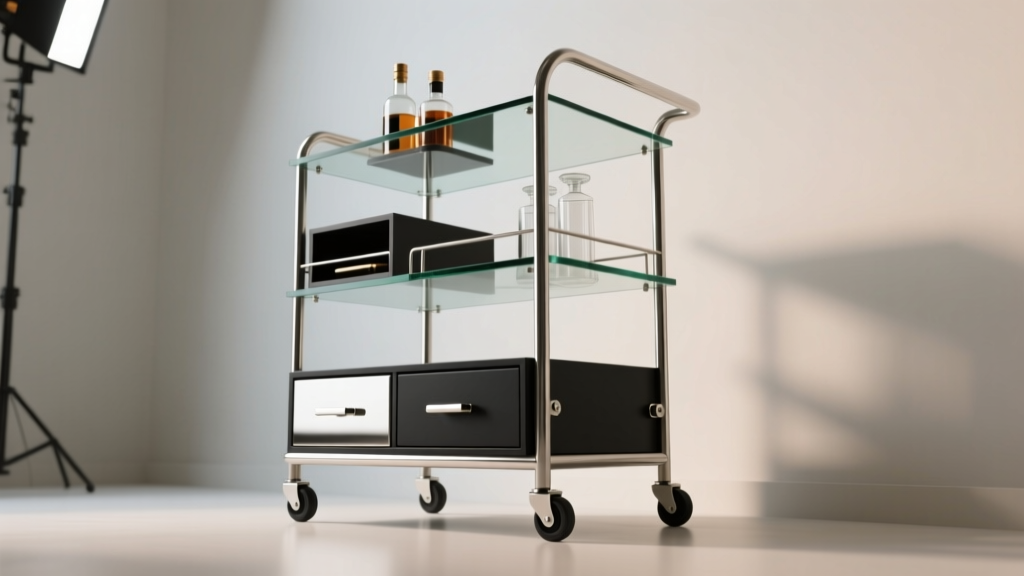
Types of Designable Beach Bar Furniture
Designable beach bar furniture offers a wide range of customizable options to suit various aesthetic preferences, functional needs, and environmental conditions. Whether you're creating a laid-back island retreat or a vibrant seaside lounge, the right furniture enhances both comfort and ambiance. Below is a detailed breakdown of the most popular types of beach bar furniture, categorized by function and design versatility.
Seating Arrangements
Seating is the cornerstone of any beach bar, setting the tone for social interaction, relaxation, and guest experience. Well-designed seating arrangements blend tropical charm with durability and comfort, often incorporating weather-resistant materials like marine-grade wicker, teak, aluminum, or recycled plastics.
Bar Stools
The most iconic piece in beach bar design, bar stools are ideal for counter-height seating around bars or elevated tables.
Advantages
- Promotes social interaction and open sightlines
- Space-efficient and easy to arrange
- Available in customizable heights and styles
- Can be paired with swivel bases for added comfort
Considerations
- May require footrests for extended comfort
- Less suitable for elderly or mobility-limited guests
- Needs secure anchoring in windy coastal areas
Best for: Bar counters, cocktail zones, waterfront seating
Bench Seating
Perfect for communal areas, benches encourage group gatherings and foster a casual, inclusive atmosphere.
Advantages
- Maximizes seating capacity in limited spaces
- Ideal for family-friendly or group-oriented zones
- Durable and low-maintenance when built with solid wood or composite materials
- Can be built-in or modular for design flexibility
Considerations
- Limited personal space compared to individual chairs
- May require back support for long-term comfort
- Fixed installations reduce layout flexibility
Best for: Picnic-style areas, shaded patios, social lounges
Lounge Chairs
Designed for ultimate relaxation, lounge chairs are essential for guests who want to unwind with a drink while enjoying ocean views.
Advantages
- High comfort with reclining or adjustable backrests
- Often paired with plush, UV-resistant cushions
- Encourages longer guest停留 and repeat visits
- Available in stackable or foldable designs for easy storage
Considerations
- Takes up more space per guest
- Cushions require regular cleaning and weather protection
- Higher initial investment than basic seating
Best for: Sun decks, poolside bars, premium relaxation zones
Tables
Tables serve both functional and aesthetic roles in beach bar design, providing surfaces for drinks, food, and decor while anchoring seating arrangements. They come in various sizes and styles to match different use cases and design themes.
Bar Tables
Higher tables designed to pair with bar stools, ideal for casual drinking and quick service.
Advantages
- Encourages standing or perching for dynamic socializing
- Compact footprint suits crowded areas
- Often feature umbrella holes for sun protection
- Can be made from rust-proof metals or sealed wood
Considerations
- Less comfortable for extended dining
- May require specialized stools for proper height alignment
- Can be unstable in strong coastal winds
Best for: Outdoor bars, high-traffic zones, quick-service counters
Dining Tables
Full-height tables designed for meals, accommodating 4–6 guests comfortably.
Advantages
- Suitable for full-service dining experiences
- Available in round, square, or rectangular shapes for layout flexibility
- Can be paired with benches or chairs for varied configurations
- Often built with spill-resistant, easy-clean surfaces
Considerations
- Takes up more space than bar tables
- May require more frequent maintenance in salty environments
- Needs proper shade or cover to prevent surface degradation
Best for: Beachfront restaurants, family dining, sunset dinners
Coffee & Side Tables
Smaller accent tables used in lounge areas to hold drinks, snacks, or decorative items.
Advantages
- Enhances comfort in lounge seating areas
- Available in lightweight, portable designs
- Adds visual interest and层次to the space
- Can be themed with tiki torches, planters, or lighting
Considerations
- May be easily knocked over in windy conditions
- Limited surface area for larger meals
- Requires regular clearing to avoid clutter
Best for: Lounge corners, shaded cabanas, relaxation zones
Lounger Chairs
Lounger chairs represent the pinnacle of comfort in beach bar furniture, offering a luxurious option for guests seeking relaxation. These are typically larger and more ergonomically designed than standard lounge chairs, often featuring adjustable backrests, extended footrests, and premium cushioning.
Premium Loungers
Engineered for maximum comfort and durability, these loungers are perfect for high-end beach bars or resort-style venues.
Advantages
- Superior comfort with full-body support
- Adjustable positions for sunbathing or lounging
- Often include built-in cup holders or side trays
- Available in stackable or modular designs for efficient storage
Considerations
- Higher cost per unit
- Requires more space and maintenance
- Cushions must be weatherproof or stored nightly
Best for: Luxury beach clubs, VIP sections, resort lounges
| Furniture Type | Primary Use | Comfort Level | Durability | Ideal Setting |
|---|---|---|---|---|
| Bar Stools | Social drinking, counter seating | Moderate | High (with proper materials) | Bar counters, high tables |
| Bench Seating | Group gatherings, casual lounging | Good | Very High | Communal areas, shaded patios |
| Lounge Chairs | Relaxation, sunbathing | Excellent | Good (cushion-dependent) | Poolside, sun decks |
| Bar Tables | Casual drinks, quick service | Moderate | High | Outdoor bars, high-traffic zones |
| Dining Tables | Full meals, group dining | Good | High | Beachfront restaurants, family areas |
| Coffee/Side Tables | Drink/snack placement, decor | Low (supportive only) | Moderate | Lounges, cabanas, relaxation corners |
| Premium Loungers | Luxury relaxation, VIP comfort | Exceptional | Good to High | VIP sections, resorts, premium zones |
Design Tip: When selecting beach bar furniture, prioritize materials that resist saltwater corrosion, UV fading, and mold growth. Consider modular or stackable designs for seasonal storage and flexible layout changes. Always pair cushioned furniture with removable, washable covers for easy maintenance.
Customized Beach Bar Furniture Materials: Durability Meets Style
Selecting the right materials for customized beach bar furniture is essential for ensuring longevity, comfort, and aesthetic appeal in a challenging coastal environment. Constant exposure to saltwater, UV radiation, humidity, and sand demands materials that are not only visually appealing but also highly resilient. Below is a comprehensive overview of the most preferred materials used in designing durable and stylish beach bar furniture.
Weathered Wood
Weathered wood, often reclaimed or intentionally aged, offers a naturally rustic charm that complements beachside aesthetics. Its textured grain and sun-bleached tones evoke a relaxed, coastal vibe that many patrons find inviting. Beyond its visual appeal, weathered wood—especially hardwoods like teak or eucalyptus—possesses inherent resistance to moisture and decay when properly treated.
Over time, exposure to sea spray and sunlight enhances its character without compromising structural integrity. To maximize lifespan, weathered wood should be sealed with marine-grade finishes that protect against mold, warping, and insect damage. Ideal for bar tops, tabletops, and decorative elements, this material brings warmth and authenticity to any beach bar setting.
Metal
Metal is a top choice for modern beach bar designs due to its strength, sleek appearance, and long-term durability. Among metals, aluminum stands out because it is lightweight, strong, and completely rust-resistant—even when exposed to saltwater spray. This makes it perfect for outdoor seating frames, bar stools, and support structures.
While metal provides excellent structural stability, it can absorb heat under direct sunlight, potentially making surfaces uncomfortable during peak hours. To enhance user comfort, designers often pair metal frames with UV-resistant cushions or shade solutions like umbrellas or pergolas. With proper powder coating or anodizing, metal furniture maintains its finish and appearance for years, minimizing maintenance needs.
Resin Wicker
Polyethylene (PE) resin wicker has revolutionized outdoor furniture design by offering the elegant look of natural rattan without its vulnerabilities. Unlike organic wicker, which deteriorates quickly in wet conditions, resin wicker is engineered to withstand prolonged exposure to UV rays, rain, salt air, and temperature fluctuations.
Its low-maintenance nature makes it ideal for high-traffic beach bars—simply rinse with water and mild soap to keep it looking fresh. Resin wicker is commonly used in lounge chairs, sofas, and side tables, often paired with quick-drying, water-resistant cushions. The material’s flexibility allows for intricate weaves and contemporary silhouettes, blending comfort with coastal elegance.
Textilene Fabric
Textilene is a premium synthetic fabric composed of PVC-coated polyester yarn, specifically developed for demanding outdoor environments. It excels in resisting water absorption, fading from UV exposure, and mildew growth—three major concerns in beachside settings.
Commonly used for seat slings, backrests, and cushion covers, Textilene provides excellent breathability and comfort, reducing heat buildup compared to solid fabrics. Its tight weave supports body weight effectively while allowing air circulation, enhancing patron comfort during extended use. Additionally, Textilene comes in a range of colors and textures, enabling seamless integration with various design themes—from tropical to minimalist.
Powder-Coated Steel
Powder-coated steel combines the robust strength of steel with advanced corrosion protection. The powder-coating process involves applying an electrostatically charged polymer layer to the metal surface, which is then cured under heat to form a uniform, durable finish.
This protective shell resists chipping, scratching, and rust—critical advantages in salty, humid coastal climates. Powder-coated steel is frequently used for structural components such as table bases, chair frames, and bar supports, where both load-bearing capacity and visual appeal matter. Available in a wide array of colors and textures, it allows for cohesive branding and design coordination across furniture pieces.
| Material | Key Benefits | Best Applications | Maintenance Level |
|---|---|---|---|
| Weathered Wood | Rustic charm, natural durability, UV-resistant when sealed | Bar tops, tables, decorative accents | Moderate (requires periodic sealing) |
| Aluminum | Lightweight, rust-proof, modern aesthetic | Stools, frames, lightweight seating | Low |
| Resin Wicker | UV & moisture resistant, stylish, low maintenance | Lounge chairs, sofas, side tables | Low |
| Textilene Fabric | Breathable, fade-resistant, mold-proof | Cushion covers, slings, outdoor upholstery | Very Low |
| Powder-Coated Steel | Extremely durable, rust-resistant, customizable finish | Table legs, chair frames, structural supports | Low |
Design & Maintenance Tips for Long-Lasting Beach Bar Furniture
Important: Avoid using untreated wood, uncoated iron, or natural fibers like cotton or jute in beach bar environments—they degrade rapidly and pose safety and hygiene risks. Always source materials from reputable suppliers who specialize in marine-grade or outdoor-rated products to ensure performance and longevity.
Designs of Beach Bar Furniture
Designing beach bar furniture is a thoughtful process that balances aesthetics, durability, and guest experience. With coastal environments presenting unique challenges—such as salt air, humidity, and sun exposure—furniture must not only look inviting but also withstand the elements. Moreover, different clientele seek different atmospheres, from relaxed island vibes to sleek luxury. Below are the most popular and effective design styles used in beach bar furniture, each tailored to evoke a specific mood and functionality.
Classic Tropical
This design captures the essence of a seaside vacation, evoking the relaxed, sun-drenched ambiance of island resorts. Inspired by tropical destinations, it emphasizes natural materials and vibrant aesthetics.
- Materials: Weather-resistant woods (teak, eucalyptus), rattan, bamboo, and wicker
- Color Palette: Earthy tones accented with bright, bold colors like coral, turquoise, and sunshine yellow
- Furniture Features: Weathered wood tables, rattan-back bar stools, oversized umbrellas, and deep-seated lounge chairs
- Textiles: UV-resistant cushions with tropical prints—florals, palm leaves, and ocean motifs
Design Tip: Use sealed or treated wood to prevent warping and fading from prolonged sun exposure.
Modern Minimalist
A clean, sophisticated style that emphasizes form and function. This design is ideal for upscale beachfront venues seeking a sleek, uncluttered look.
- Materials: Powder-coated aluminum, stainless steel, tempered glass, and composite stone
- Color Palette: Neutral tones—white, beige, gray, and black—with occasional metallic accents
- Furniture Features: Slim-profile bar stools, cantilevered high tables, geometric shapes, and hidden fasteners for a seamless appearance
- Details: Smooth finishes, minimal ornamentation, and modular designs for flexible seating
Ideal For: Luxury beach clubs, boutique hotels, and contemporary seaside villas.
Bohemian Chic
This free-spirited, eclectic style celebrates individuality and creativity. It’s perfect for beach bars aiming to create a vibrant, artsy, and welcoming environment.
- Materials: Mixed media—reclaimed wood, hand-carved accents, macramé, and ceramic inlays
- Color Palette: Rich jewel tones (emerald, magenta, cobalt) paired with earthy neutrals and metallics
- Furniture Features: Hanging egg chairs, mosaic-topped tables, vintage-inspired bar stools, and floor cushions
- Decor: Layered textiles, patterned rugs, lanterns, and handmade pottery for a curated, lived-in feel
Atmosphere: Encourages relaxation and social interaction with cozy, inviting nooks and artistic flair.
Industrial-Inspired
Blending ruggedness with coastal charm, this style is growing in popularity among urban beach bars and edgy coastal cafes.
- Materials: Reclaimed wood, galvanized steel, concrete, and iron
- Color Palette: Raw, muted tones—charcoal, rust, slate, and unfinished wood
- Furniture Features: Metal-framed bar stools, concrete-top tables, pipe shelving, and exposed hardware
- Details: Weathered finishes, asymmetrical designs, and repurposed industrial elements (e.g., oil drum side tables)
Best Suited For: Beach bars in urban waterfront areas or those with a modern, urban-rustic vibe.
Scandinavian Simplicity
Rooted in Nordic design principles, this style prioritizes functionality, light, and natural beauty—perfect for creating a calm, airy beachside retreat.
- Materials: Light-toned woods like birch, ash, and pine; often paired with linen and wool textiles
- Color Palette: Soft whites, pale grays, sandy beiges, and muted pastels
- Furniture Features: Clean-lined high tables, ergonomic bar stools with subtle curves, and modular seating
- Design Philosophy: “Less is more”—furniture enhances the view rather than competing with it
Key Benefit: Creates a serene, clutter-free environment that complements natural surroundings.
Hybrid & Custom Designs
Many modern beach bars blend elements from multiple styles to create a unique identity. Customization allows for brand alignment and guest differentiation.
- Examples: Tropical frames with minimalist metal legs, boho cushions on industrial stools
- Branding: Incorporate logos, custom engravings, or signature colors into furniture design
- Sustainability: Use eco-friendly materials like recycled plastics, FSC-certified wood, and non-toxic finishes
- Comfort: Ergonomic shapes, adjustable heights, and shaded seating areas improve guest experience
Pro Insight: Work with designers to create signature pieces that become Instagram-worthy focal points.
Professional Recommendation: When selecting beach bar furniture, always consider the local climate, expected foot traffic, and target audience. For high-sun areas, prioritize UV-resistant materials. For family-friendly venues, choose rounded edges and easy-to-clean surfaces. And for premium experiences, invest in custom, high-quality pieces that reflect your brand’s personality and enhance guest comfort.
| Design Style | Best For | Durability | Guest Experience |
|---|---|---|---|
| Classic Tropical | Resorts, island bars, family-friendly venues | High (with proper sealing) | Warm, inviting, vacation-like |
| Modern Minimalist | Luxury hotels, rooftop beach clubs | Very High (weather-resistant metals) | Sleek, sophisticated, uncluttered |
| Bohemian Chic | Artistic cafes, boutique bars | Moderate (requires maintenance) | Vibrant, cozy, expressive |
| Industrial-Inspired | Urban beach bars, trendy lounges | Very High (raw, durable materials) | Rugged, edgy, modern |
| Scandinavian Simplicity | Wellness retreats, quiet beach clubs | High (light woods with protective finishes) | Calm, clean, refreshing |
Additional Considerations for Beach Bar Furniture
- Weather Resistance: Choose materials that resist salt corrosion, moisture, and UV degradation to extend furniture lifespan.
- Mobility: Lightweight or stackable furniture allows for easy rearrangement and storage during storms or off-seasons.
- Comfort: Include shaded seating, lumbar support, and appropriately sized tables for dining and drinks.
- Sustainability: Eco-conscious designs appeal to modern travelers—consider recycled materials and low-impact production.
- Maintenance: Opt for easy-to-clean surfaces and removable, washable cushion covers to reduce upkeep costs.
What to Consider When Choosing Designable Beach Bar Furniture
Selecting the right designable beach bar furniture is crucial for creating an inviting, functional, and long-lasting outdoor space. Whether you're outfitting a seaside resort, a coastal lounge, or a tropical tiki bar, your furniture choices impact guest comfort, aesthetic appeal, and operational efficiency. Below is a comprehensive breakdown of the key factors to consider when making informed decisions about beach bar furnishings.
Pro Tip: Always prioritize durability and low maintenance in high-salt, high-sun environments. The initial investment in quality materials pays off through reduced replacement costs and consistent guest satisfaction over time.
Durability and Weather Resistance
The most critical factor in beach bar furniture selection is its ability to withstand harsh coastal conditions. Constant exposure to saltwater spray, intense UV radiation, high humidity, sand abrasion, and strong winds demands materials engineered for resilience.
Recommended materials include:
- Teak Wood: Naturally oil-rich and resistant to rot, insects, and warping. Requires minimal maintenance and develops a beautiful silver-gray patina over time.
- Marine-Grade Aluminum: Lightweight, rust-resistant, and ideal for coastal climates. Can be powder-coated in various colors for added protection and style.
- Synthetic Rattan (PE Wicker): UV-stabilized and waterproof, this material mimics natural wicker but won’t crack, fade, or degrade in sunlight.
- Stainless Steel Hardware: Ensures screws, brackets, and connectors won’t corrode, preserving structural integrity.
Look for furniture with sealed joints, waterproof cushions with quick-dry foam, and protective laminations or coatings that extend lifespan and reduce weather-related wear.
Expert Insight: Choose furniture with removable, washable cushion covers in solution-dyed acrylic fabrics (like Sunbrella®), which resist fading, mildew, and stains—perfect for high-traffic beach bars.
Design and Aesthetics
The visual appeal of your furniture plays a major role in shaping the ambiance of your beach bar. The right design enhances the theme, creates a cohesive look, and improves guest experience.
- Tropical/Relaxed Vibes: Opt for natural materials such as bamboo, reclaimed wood, or woven fibers. Earthy tones, soft curves, and organic textures evoke a laid-back island feel.
- Modern/Contemporary Style: Sleek metal frames, clean lines, and minimalist silhouettes work well. Choose monochromatic or neutral palettes with bold accent colors for visual interest.
- Color Psychology: Lighter shades (white, beige, light gray) reflect sunlight and make compact spaces feel larger and airier. Darker tones (navy, charcoal, espresso) add sophistication but absorb heat—ideal for shaded areas.
Ensure the furniture aligns with your brand identity and complements architectural elements, lighting, and decor for a harmonious environment.
Functionality and Comfort
Comfort is non-negotiable—guests should be able to relax for extended periods without discomfort. Functional design enhances usability and space efficiency.
- Ergonomic Design: Bar stools should have footrests and proper back support. Tables should be at appropriate heights to prevent strain.
- Space Optimization: In smaller venues, consider stackable chairs, nesting tables, or modular units that can be reconfigured for events or cleaning.
- Mobility vs. Stability: Lightweight furniture is easy to rearrange but may blow over in windy conditions. Consider weighted bases or sand anchors for stability. Alternatively, slightly heavier aluminum or teak pieces offer a balance of portability and wind resistance.
- Accessibility: Ensure clear pathways and ADA-compliant options if applicable, especially in commercial settings.
Cost and Value Considerations
While budget is always a factor, it's essential to view furniture as a long-term investment rather than a one-time expense. High-quality, durable pieces may have a higher upfront cost but offer better return on investment through longevity and reduced maintenance.
To balance cost and quality:
- Compare materials based on lifecycle cost, not just initial price.
- Negotiate bulk pricing for large orders or seasonal purchases.
- Consider modular or customizable designs that allow future expansion without full replacement.
- Prioritize spending on high-impact, high-traffic areas (e.g., main seating zones, bar counters).
Remember: compromising on durability or comfort can lead to frequent replacements, unhappy customers, and increased labor costs.
Maintenance Requirements
Low-maintenance furniture is essential for busy beach bars where downtime affects revenue. Evaluate how much time and effort each material will require for upkeep.
- Teak: Naturally durable; occasional cleaning with mild soap and water is sufficient. Oil application is optional and mainly for aesthetic preference.
- Aluminum: Wipe down with a damp cloth; inspect for scratches in the powder coating that could lead to corrosion.
- Synthetic Rattan: Hose off or wipe with soapy water. Resistant to mold and mildew.
- Fabrics: Use removable, machine-washable cushion covers to simplify cleaning.
In high-traffic environments, schedule weekly inspections and cleanings to prevent buildup of salt, sand, and organic debris that can accelerate wear.
| Material | Weather Resistance | Maintenance Level | Best For |
|---|---|---|---|
| Teak Wood | Excellent (salt, UV, moisture) | Low | Luxury tropical settings, long-term use |
| Marine-Grade Aluminum | Excellent (rust-proof, lightweight) | Low | Modern bars, windy locations |
| Synthetic Rattan | Very Good (UV-stabilized, waterproof) | Low | Resorts, poolside lounges |
| Standard Steel | Poor (prone to rust) | High | Not recommended for beach environments |
| Bamboo/Natural Wicker | Fair (requires sealing) | Moderate | Shaded areas, decorative accents |
Final Recommendation: Combine style, strength, and practicality by selecting modular, weather-resistant furniture in neutral tones with vibrant accent cushions. This approach allows for seasonal updates, easy maintenance, and maximum guest comfort—all while standing up to the demanding beachfront environment.
Choosing the right designable beach bar furniture involves balancing aesthetics, durability, comfort, and cost. By carefully evaluating each factor and investing in high-quality, purpose-built pieces, you create a welcoming, functional space that enhances the guest experience and stands the test of time—even in the harshest coastal conditions.
Frequently Asked Questions About Designable Beach Bar Furniture
Q1. What is the most durable material for designable beach bar furniture?When it comes to longevity and resilience in coastal environments, few materials match the performance of teak, aluminum, and synthetic rattan. Each offers unique advantages that make them ideal for beach bar settings exposed to intense sun, salt spray, and high humidity.
- Teak Wood: Renowned for its natural oils and dense grain, teak resists rot, warping, and insect damage. It weathers gracefully to a silvery-gray patina if left untreated, or can be maintained with oil for a rich golden tone.
- Aluminum: Lightweight yet strong, powder-coated aluminum is rust-resistant and easy to clean. Its low maintenance and ability to withstand saltwater exposure make it a top choice for frames and structural components.
- Synthetic Rattan (PE Wicker): Made from UV-stabilized polyethylene, this eco-friendly material mimics natural wicker but won’t crack, fade, or absorb moisture. It's often woven over aluminum frames for a stylish, all-weather solution.
Combining these materials—such as teak tabletops with aluminum bases or synthetic rattan seating—can offer both aesthetic appeal and decades of service with minimal upkeep.
Q2. Which styles are commonly used in designable beach bar furniture?Beach bar furniture design blends functionality with ambiance, and several popular styles cater to diverse atmospheres and customer experiences:
- Tropical: Features vibrant colors, natural textures like bamboo or thatch, and organic shapes. Ideal for resorts and island-themed bars aiming to evoke a relaxed, vacation-like mood.
- Modern Minimalist: Emphasizes clean lines, neutral tones, and uncluttered silhouettes. Perfect for upscale beach lounges seeking a sleek, contemporary look that highlights the ocean view.
- Bohemian: Incorporates eclectic patterns, layered textiles, and mixed materials. This free-spirited style works well for casual, artistic beach bars with a laid-back, inclusive vibe.
- Industrial-Inspired: Utilizes metal piping, reclaimed wood, and raw finishes. Great for urban beachfront venues wanting a trendy, edgy aesthetic with rugged durability.
- Scandinavian: Focuses on simplicity, light woods, and ergonomic comfort. Offers a calm, airy feel that complements natural surroundings while prioritizing user comfort.
Many modern suppliers offer customizable options, allowing owners to mix elements from multiple styles to create a unique, branded environment that aligns with their venue’s identity.
Q3. How important is weather resistance in selecting beach bar furniture?Weather resistance is absolutely critical when choosing furniture for beachside locations. Coastal environments present extreme challenges, including:
- UV Radiation: Prolonged sun exposure can cause fading, cracking, and degradation of fabrics and finishes.
- Saltwater Spray: Highly corrosive to metals and damaging to untreated wood, leading to rust, rot, and deterioration.
- High Humidity and Moisture: Encourages mold, mildew, and wood swelling, especially in non-ventilated or covered areas.
- Sand and Wind: Abrasive particles can scratch surfaces, while strong gusts may tip lightweight pieces.
Selecting weather-resistant furniture ensures long-term durability, reduces maintenance costs, and maintains an attractive appearance year-round. Look for features such as:
- Marine-grade sealants on wood
- Powder-coated or anodized metal finishes
- Quick-dry, mold-resistant cushions
- Elevated legs to prevent water pooling
Investing in high-quality, weather-ready materials ultimately saves money and enhances guest satisfaction by providing a consistently inviting space.
Q4. Are customized fabric options suitable for beach bar furniture?Yes, customized fabrics are not only suitable but often highly recommended for beach bar furniture, provided they are engineered for outdoor performance. Modern textile technology allows for full personalization without sacrificing durability.
Key benefits of using custom-treated outdoor fabrics include:
- Water Resistance: Treated with hydrophobic coatings that repel moisture and dry quickly, preventing waterlogging and staining.
- UV Protection: High UV inhibitors prevent color fading and fiber breakdown, maintaining vibrancy even under constant sunlight.
- Mildew and Stain Resistance: Tightly woven, antimicrobial-treated fabrics resist mold growth and are easy to clean with mild soap and water.
- Design Flexibility: Available in a vast array of colors, patterns, and textures—ideal for branding, seasonal themes, or matching décor schemes.
Popular choices include solution-dyed acrylics (like Sunbrella®), olefin, and polyester blends, all known for their longevity and eco-friendly properties. Custom cushions, umbrellas, and shade sails can be tailored to exact dimensions and design preferences, enhancing both comfort and visual appeal.
Q5. What is the significance of comfort and functionality in beach bar furniture?Comfort and functionality are key drivers of customer experience and business success in beach bar environments. Guests come to relax, socialize, and enjoy refreshments—furniture that supports these activities directly impacts satisfaction and dwell time.
Why they matter:
- Extended Seating Duration: Ergonomically designed chairs, loungers, and modular sofas encourage guests to stay longer, increasing beverage and food sales.
- Practical Design: Stackable, lightweight, or modular pieces allow for flexible space management, especially during peak hours or events.
- Easy Maintenance: Smooth surfaces, removable cushion covers, and rust-free hardware reduce cleaning time and labor costs.
- Space Efficiency: Smart layouts with compact or multi-use furniture maximize seating capacity without overcrowding.
- All-Day Usability: Padded seating, adjustable umbrellas, and shaded configurations enhance comfort in hot climates.
The best beach bar furniture strikes a balance between aesthetic charm and practical usability. When guests feel comfortable and the space functions smoothly, it leads to positive reviews, repeat visits, and stronger brand loyalty.