Homemade potato pancakes are a timeless comfort food—crispy on the outside, tender within, and deeply satisfying with their earthy-sweet potato flavor. Whether served as a weekend breakfast, a holiday side, or a rustic dinner centerpiece, they offer versatility and crowd-pleasing appeal. Yet many home cooks struggle with soggy texture, lack of browning, or falling-apart patties. The secret lies not just in the recipe, but in technique, ingredient balance, and understanding how potatoes behave under heat. This guide delivers more than a single recipe—it offers a culinary framework to master potato pancakes across global traditions, from Polish placki ziemniaczane to Israeli latkes and American hash browns.
Definition & Overview
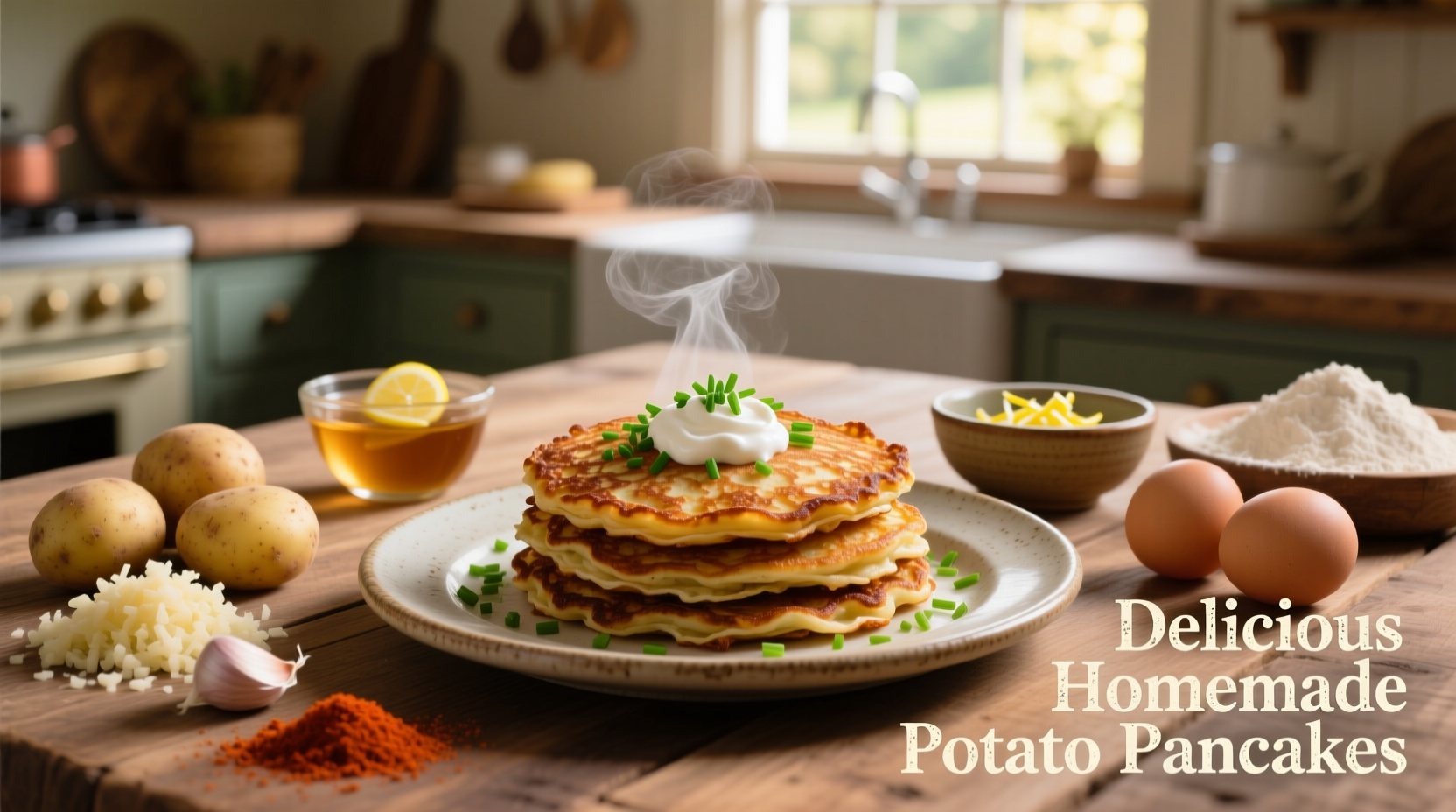
Potato pancakes are flat, pan-fried cakes made primarily from grated or mashed potatoes, bound with egg and often enriched with flour or matzo meal. They originated in Eastern and Central Europe as a way to stretch root vegetables into hearty meals during colder months. Over time, regional variations emerged, adapting to local ingredients and religious customs—such as the Jewish tradition of frying latkes in oil during Hanukkah to commemorate the miracle of the temple menorah.
At their core, potato pancakes rely on three components: moisture control, binding, and browning. Potatoes naturally contain water and starch; when properly extracted and balanced, that starch acts as a natural glue. Excess moisture, however, leads to steaming instead of searing—a primary reason many homemade versions fail to achieve crispness. Mastery comes from managing this equilibrium through preparation method, ingredient ratios, and cooking temperature.
Key Characteristics
- Flavor: Earthy, subtly sweet, with nutty undertones when browned
- Texture: Crisp outer crust, soft and slightly creamy interior
- Aroma: Toasted potato, faintly buttery or oily when fried
- Color: Golden to deep amber when properly seared
- Cooking Method: Pan-fried (most common), baked (lighter option), or deep-fried (crunchier result)
- Culinary Function: Side dish, appetizer, breakfast item, or vehicle for toppings
- Shelf Life: Best served immediately; can be refrigerated up to 3 days or frozen for 3 months
Pro Tip: For maximum crispness, squeeze every drop of liquid from the grated potatoes using a clean kitchen towel. The drier the mixture, the better the sear.
Practical Usage: How to Make Perfect Potato Pancakes at Home
The foundation of great potato pancakes is technique—not complexity. Follow these steps for consistent, restaurant-quality results.
- Choose the Right Potatoes: Russet or Yukon Gold potatoes work best. Russets are high in starch and low in moisture, ideal for structure. Yukon Golds offer creaminess and a buttery note.
- Grate Fine, Then Squeeze Dry: Use the small holes of a box grater or food processor. Immediately place the shreds in a clean cotton or linen towel and wring out all excess liquid over a bowl. Reserve the starchy sediment at the bottom—this is your natural binder.
- Build the Batter: In a bowl, combine 2 cups of squeezed potatoes, 1 large egg, 2 tablespoons of finely chopped onion, 2–3 tablespoons of flour or matzo meal, ¾ teaspoon salt, and ¼ teaspoon black pepper. Add 1 tablespoon of the reserved potato starch slurry if needed for cohesion.
- Heat the Pan Correctly: Use a heavy skillet (cast iron preferred) over medium-high heat. Add enough neutral oil (like canola or grapeseed) to coat the bottom by ⅛ inch. Oil should shimmer but not smoke.
- Form and Fry: Scoop ¼ cup portions, flatten into ½-inch thick rounds. Do not overcrowd. Cook 3–4 minutes per side until deeply golden. Adjust heat if browning too fast or too slow.
- Drain and Serve Hot: Transfer to a wire rack over paper towels. Keep warm in a 200°F (95°C) oven if frying in batches.
Topping & Serving Ideas
- Savory: Sour cream, crème fraîche, smoked salmon, chives, sautéed mushrooms, poached egg
- Sweet: Applesauce, cinnamon sugar, dulce de leche, Greek yogurt with honey
- Elevated: Crispy fried shallots, pickled red onions, horseradish cream, caviar (for brunch)
When to Use Each Fat Type
| Fat | Smoke Point | Best For | Notes |
|---|---|---|---|
| Canola/Grapeseed Oil | 400°F (204°C) | Standard frying | Neutral flavor, affordable, reliable crispness |
| Butter | 300°F (150°C) | Finishing or finishing blend | Adds richness; burns easily—mix with oil |
| Duck Fat | 375°F (190°C) | Gourmet applications | Luxurious mouthfeel, gamey depth |
| Beef Tallow | 400°F (204°C) | Meaty, savory profiles | Excellent for carnivore-style pancakes with bacon |
Restaurant Secret: Chefs often par-fry potato pancakes, cool them, then re-crisp in hot oil just before serving. This ensures even doneness and peak crunch at service.
Variants & Types Around the World
Potato pancakes morph beautifully across cultures, reflecting local tastes and techniques. Understanding these styles expands your repertoire beyond a single recipe.
1. Latkes (Jewish, Ashkenazi)
Traditional for Hanukkah, latkes are made with russet potatoes, onion, egg, and matzo meal. Fried in oil as a symbol of religious remembrance. Often served with applesauce or sour cream. Some modern versions include sweet potato, zucchini, or carrot blends.
2. Placki Ziemniaczane (Polish)
Thicker than latkes, sometimes layered or stacked. Often includes garlic and marjoram. Typically served with greek yogurt or mushroom sauce. May be baked for heartier meals.
3. Reibekuchen (German)
Common in the Rhineland, especially during carnival season. Made with potatoes, onion, egg, and a touch of nutmeg. Served with apple sauce or kümmel (caraway) seasoning.
4. Boxty (Irish)
Unique for using both raw grated and cooked mashed potatoes in a 1:1 ratio. Incorporates buttermilk and baking soda for slight lift. Can be pan-fried, baked into loaves, or formed into dumplings.
5. Gamja Jeon (Korean)
Korean-style potato pancakes often include scallions, carrots, and kimchi. Lightly dusted with potato starch for extra crispness. Served with soy-vinegar dipping sauce.
6. Hash Browns (American Diner Style)
Shredded potatoes fried without binders, pressed into a cake. Seasoned simply with salt and pepper. Often cooked on a griddle. Ideal for breakfast plates with eggs and bacon.
7. Kartoffelpuffer (Austrian/Swiss)
Similar to German Reibekuchen but often sweeter, sometimes served with powdered sugar and jam for dessert.
Global Twist Idea: Try adding gochujang mayo to gamja jeon-inspired pancakes, or top Irish boxty with crumbled goat cheese and roasted beets.
Comparison with Similar Ingredients
Potato pancakes are frequently confused with other potato-based dishes. Knowing the differences ensures you choose the right preparation for your meal.
| Dish | Primary Binder | Texture | Typical Use | Key Difference |
|---|---|---|---|---|
| Potato Pancakes | Egg + flour/starch | Crisp exterior, soft center | Side/appetizer | Structured patty, holds shape |
| Hash Browns | None (or minimal) | Loose, shredded, crunchy | Breakfast staple | No binder; more fragmented |
| Potato Croquettes | Mashed potato + breadcrumbs | Creamy inside, breaded outside | Appetizer/snack | Breaded and deep-fried, softer core |
| Tortilla de Patatas (Spanish) | Eggs only | Dense, custardy | Main course | Baked/fried omelet style, no crisp crust |
| Rösti (Swiss) | None | Firm, compact, golden crust | Breakfast/side | Pressed cake, no egg, often larger |
\"The difference between a good potato pancake and a great one is in the squeeze. I’ve seen home cooks skip draining, then wonder why their pancakes steam instead of fry. That liquid is the enemy of crispness.\" — Chef Elena M., former sous chef at Bialystok Bistro
Practical Tips & FAQs
Q1: Why do my potato pancakes fall apart?
A1: This usually stems from insufficient binding. Ensure you’re using enough egg (one per 2 cups of potatoes) and a dry binder like flour or matzo meal. Also, avoid flipping too early—wait until the first side is fully seared and releases cleanly from the pan.
Q2: Can I make potato pancakes ahead of time?
A2: Yes. Fully cook and cool them, then store in an airtight container. Re-crisp in a 400°F (200°C) oven or air fryer for 5–7 minutes. Do not refrigerate uncooked batter—it becomes watery and gray.
Q3: Are potato pancakes gluten-free?
A3: They can be. Replace wheat flour with matzo meal (not GF unless labeled), rice flour, or tapioca starch. Always verify ingredient labels if serving those with celiac disease.
Q4: Can I bake instead of fry?
A4: Yes, though crispness will be reduced. Preheat oven to 425°F (220°C). Coat a baking sheet with oil or non-stick spray. Form pancakes, brush tops with oil, and bake 20–25 minutes, flipping halfway.
Q5: What’s the best potato variety?
A5: Russets are ideal for classic pancakes due to high starch and low moisture. Yukon Golds add richness but require extra drying. Avoid waxy potatoes like red bliss—they don’t hold together well.
Q6: Can I add other vegetables?
A6: Absolutely. Grated zucchini, sweet potato, carrot, or parsnip add color and flavor. Always pre-salt and drain wet vegetables (like zucchini) to prevent sogginess.
Q7: How do I prevent discoloration?
A7: Potatoes oxidize quickly. If prepping ahead, submerge grated potatoes in cold water until ready to use, then drain and squeeze thoroughly. Adding a splash of lemon juice to the water helps inhibit browning.
Q8: Can I freeze them?
A8: Yes. Freeze cooked pancakes in a single layer on a tray, then transfer to freezer bags. Reheat directly from frozen—no thawing needed—for best texture.
Q9: Why use onion? Can I omit it?
A9: Onion adds sweetness and aroma when cooked. Raw onion also contributes moisture, so reduce liquid elsewhere if increasing onion. For milder flavor, sauté onion first or use shallot.
Q10: What oil should I avoid?
A10: Extra virgin olive oil has a low smoke point and strong flavor that can overwhelm. Save it for dressings. Stick to high-smoke-point oils for frying.
Make-Ahead Strategy: Prepare and squeeze potatoes, mix dry ingredients, and store separately in the fridge for up to 12 hours. Combine just before frying for optimal texture.
Summary & Key Takeaways
Homemade potato pancakes are more than a simple fry-up—they’re a study in texture, balance, and cultural adaptation. Success hinges on controlling moisture, choosing the right potato, and mastering the sear. Whether you're crafting traditional latkes for Hanukkah, Irish boxty with a twist, or American-style hash browns, the principles remain consistent: dry the potatoes, bind wisely, and fry hot.
Key takeaways:
- Squeezing out liquid is non-negotiable for crispness.
- Russet potatoes deliver the best structure and browning.
- Egg and starch (from flour or potato sediment) act as essential binders.
- Variations across cultures offer creative inspiration—from kimchi additions to dessert-style versions with jam.
- Baking or freezing extends usability without sacrificing quality.
With these insights, you’re equipped to move beyond recipes and develop intuition. Experiment with flavors, fats, and forms. Make them your own. And remember: the best potato pancake isn’t just golden—it’s unforgettable.
Try one new variation this week—whether it’s Korean gamja jeon with a spicy dip or Swiss rösti with melted Gruyère. Share your creation with #PerfectPotatoPancake and tag your favorite foodie friends.









