Types of Delft Blue Pottery
When considering the acquisition of Delft blue pottery, it's essential to understand the diverse range of products available in this iconic ceramic tradition. Originating in the Netherlands during the 17th century, Delft blue pottery is renowned for its hand-painted cobalt blue designs on a white porcelain base. This guide explores the various categories of Delft blue ceramics—from functional cookware to decorative wall art—highlighting their unique characteristics, materials, and applications in modern home decor.
Historical Insight: Authentic Delftware was originally developed as a European alternative to imported Chinese porcelain. Today, genuine hand-painted Delft blue pieces are considered both functional art and collectible heirlooms.
Cookware
Delft blue cookware combines centuries-old craftsmanship with practical kitchen functionality. These pieces are not only visually striking but also designed for everyday use, bringing a touch of Dutch heritage to dining experiences.
Blue Delft Dinnerware Sets
Delft blue dinnerware sets are celebrated for their signature cobalt blue patterns, typically depicting floral motifs such as tulips, roses, and lilies—symbols deeply rooted in Dutch culture. Many designs also feature historical scenes, including windmills, canals, traditional Dutch ships, and pastoral landscapes, offering a nostalgic glimpse into 17th-century Netherlands.
Available in materials like fine bone china, porcelain, and stoneware, these sets vary in durability and elegance. Bone china offers a delicate, translucent finish ideal for formal occasions, while stoneware provides greater resilience for daily family meals. Porcelain strikes a balance between strength and refinement, making it a popular choice for both collectors and home chefs.
Best for: Formal dining, special occasions, and collectors seeking authentic Dutch craftsmanship.
Delft Blue Serving Dishes
Ornate serving dishes in Delft blue style serve both aesthetic and practical purposes. From large platters for roasts to elegant trays for appetizers and cheese boards, these pieces transform meals into visual experiences. Their intricate hand-painted details make them natural centerpieces at gatherings.
Designs often incorporate maritime themes, Dutch countryside scenes, or abstract geometric patterns, allowing them to blend seamlessly with both vintage and contemporary interiors. Whether displayed on a sideboard or used during dinner parties, Delft blue serving dishes elevate table settings with cultural charm.
Best for: Entertaining guests, holiday feasts, and enhancing tablescapes with artistic flair.
Ceramics
Beyond tableware, Delft blue ceramics extend into standalone decorative objects that celebrate the artistry of Dutch pottery. These pieces are prized for their craftsmanship and are often passed down as family heirlooms or displayed as focal points in living spaces.
Delft Blue Plates
Delft blue plates are among the most iconic forms of this pottery tradition. While some are designed for dining, many are purely decorative. Smaller plates often depict detailed vignettes—such as fishermen, market scenes, or seasonal festivals—and are commonly mounted on walls as art.
Larger plates may be used functionally or displayed on plate racks. Modern interpretations include minimalist designs, while traditional versions remain faithful to historical patterns. Collectors often seek limited-edition or artist-signed plates, which can appreciate in value over time.
Best for: Wall displays, collector’s shelves, and accent decor in dining rooms or hallways.
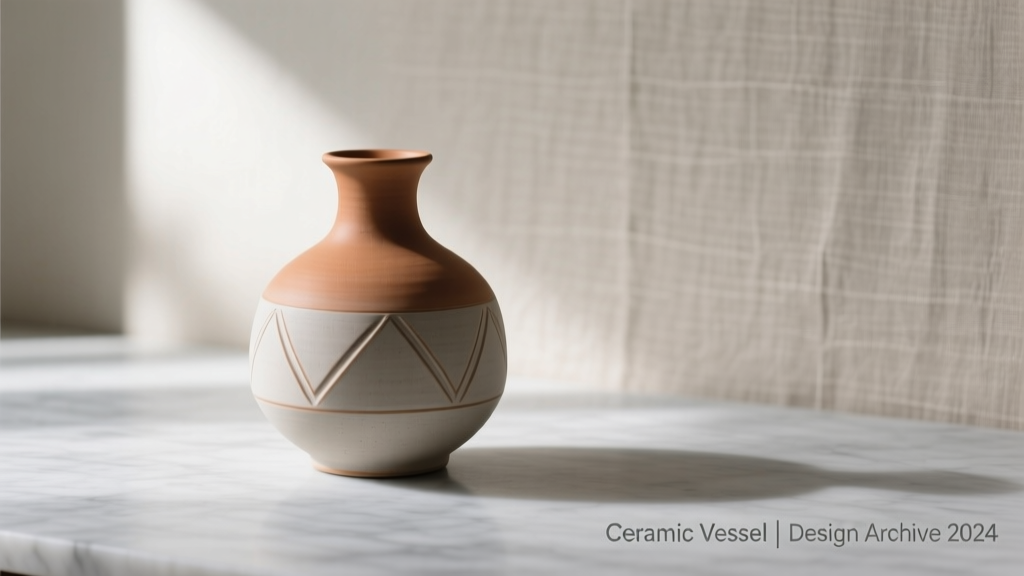
Delft Blue Vases
Delft blue vases come in a wide range of shapes and sizes—from tall cylindrical forms to bulbous, hand-shaped vessels. All maintain the classic cobalt blue and white palette, though modern designs may incorporate abstract motifs or stylized nature scenes.
These vases are perfect for floral arrangements, especially tulips and other spring blooms, reinforcing their connection to Dutch horticultural heritage. Even when empty, they serve as elegant sculptural elements in living rooms, entryways, or studies.
High-end versions are hand-thrown and painted by master artisans, ensuring no two pieces are exactly alike. Some vases are part of themed series, such as the "Windmill Collection" or "Canal Series," making them ideal for curated displays.
Best for: Floral arrangements, interior accents, and statement decor in both traditional and modern homes.
Wall Art
Delft blue wall art transforms interior spaces with timeless elegance. Whether used as individual accents or in expansive installations, these ceramic pieces add texture, color, and cultural depth to walls.
Delft Blue Tiles
Delft blue tiles are a hallmark of Dutch interior design, historically used to decorate fireplace surrounds, kitchens, and bathrooms. Available in standard 4x4 inch formats or custom sizes, they can be arranged in repeating patterns or assembled into elaborate mosaics.
Popular applications include kitchen backsplashes, bathroom feature walls, and entryway accents. Individual tiles often depict birds, flowers, ships, or architectural landmarks, while series tiles form continuous scenes—such as a canal street or a seasonal calendar.
Modern manufacturing allows for durable, moisture-resistant finishes, making them suitable for high-humidity areas. DIY enthusiasts can create personalized designs, while full installations are often commissioned for luxury renovations.
Best for: Kitchen and bathroom renovations, accent walls, and heritage-style home restorations.
Delft Blue Wall Art
Distinct from individual tiles, Delft blue wall art includes curated compositions such as framed tile clusters, wall-mounted canisters, and hanging ceramic panels. These ready-to-display pieces combine functionality with artistic expression.
Common themes include traditional Dutch life, nautical scenes, and botanical illustrations. Framed sets are ideal for galleries or stairwells, while wall-mounted vases offer both storage and visual interest. Some modern designs integrate LED lighting or mixed materials like wood and metal for a contemporary twist.
These artworks suit a variety of interior styles—from rustic farmhouse to minimalist Scandinavian—thanks to their clean lines and timeless color scheme.
Best for: Gallery walls, focal points in living rooms, and adding cultural character to neutral spaces.
| Product Type | Primary Use | Material Options | Design Themes | Ideal Placement |
|---|---|---|---|---|
| Dinnerware Sets | Functional dining | Bone china, porcelain, stoneware | Floral, windmills, landscapes | Dining room, kitchen |
| Serving Dishes | Entertaining | Pottery, porcelain | Maritime, abstract, nature | Dining table, sideboard |
| Decorative Plates | Wall art, display | Ceramic, porcelain | Historical scenes, vignettes | Living room, hallway |
| Vases | Floral display, decor | Hand-thrown pottery, porcelain | Abstract, traditional, seasonal | Entryway, living room |
| Wall Tiles | Architectural decor | Glazed ceramic | Repeating motifs, mosaics | Kitchen, bathroom, foyer |
| Wall Art Panels | Interior accent | Ceramic, mixed media | Cultural, botanical, nautical | Gallery wall, focal point |
Decor Tip: To create a cohesive look, pair Delft blue ceramics with neutral tones like white, gray, or beige. Add complementary accents in soft blues or natural wood to enhance the traditional Dutch aesthetic without overwhelming the space.
Designs in Delft Blue Pottery: Tradition, Technique, and Timeless Beauty
Delft blue pottery is far more than a simple ceramic style—it is a centuries-old art form that embodies Dutch craftsmanship, global trade influences, and meticulous handwork. Originating in the 17th century in Delft, Netherlands, this iconic pottery is renowned for its striking contrast between a brilliant white background and rich, deep blue designs. The signature blue hue is derived from cobalt oxide, a pigment that is applied by hand before firing, resulting in durable and vivid artwork that has captivated collectors and enthusiasts for generations.
The foundation of Delft blue lies in its materials: a fine, high-quality white clay that provides a smooth, porcelain-like surface ideal for detailed painting. While traditional pieces remain true to the classic white-and-blue palette, modern interpretations occasionally incorporate additional colors—such as yellow, green, or manganese purple—for decorative accents. However, the essence of authentic Delftware continues to be rooted in its monochromatic elegance and hand-painted precision.
Floral Patterns: A Blossoming Legacy
The Language of Flowers
Floral patterns are the most iconic and widely recognized designs in Delft blue pottery. Inspired by Chinese porcelain imported during the Dutch Golden Age, these motifs were adapted with European sensibilities, resulting in a unique fusion of Eastern aesthetics and Western botanical accuracy.
Tulips, in particular, hold symbolic significance in Dutch culture and are frequently featured in Delftware. As a national emblem and a reminder of "Tulip Mania" in the 1600s, tulips represent prosperity, beauty, and the Netherlands’ horticultural heritage. Other common flowers include peonies, chrysanthemums, and irises, often arranged in vases or winding through intricate stems and leaves.
Artistry and Craftsmanship
Each floral design is traditionally hand-painted by skilled artisans using fine brushes, allowing for remarkable detail and lifelike textures. The process requires precision and patience, as any mistake cannot be easily corrected once the piece is fired.
These floral motifs adorn a wide range of items—from decorative plates and vases to functional jugs and tiles—making them a staple in both museum collections and private homes. The enduring popularity of floral patterns speaks to their timeless appeal and cultural resonance.
Scenic Depictions: Windows into Dutch Life
Historical and Cultural Narratives
Scenic depictions are another hallmark of Delft blue pottery, offering visual stories of Dutch life, landscapes, and historical events. These scenes often portray quintessential elements of the Netherlands: windmills grinding grain, fishing boats on canals, bustling marketplaces, and serene countryside farms.
In the 18th and 19th centuries, such imagery served both decorative and documentary purposes, preserving everyday life in a pre-photographic era. Modern Delftware continues this tradition, with updated renditions of city skylines like Amsterdam and Rotterdam, as well as seasonal celebrations like King’s Day or winter ice skating.
Artistic Perspective and Detail
Many scenic designs employ a bird’s-eye or panoramic view, reminiscent of Dutch landscape painting. Artists use subtle shading and perspective techniques to create depth and movement within the limited space of a ceramic surface.
These narrative pieces are especially prized by collectors for their storytelling quality and historical value, transforming functional objects into miniature works of art that capture the spirit of the Netherlands across centuries.
Geometric Patterns: Symmetry and Structure
Order and Elegance
While floral and scenic designs dominate, geometric patterns play a vital supporting role in Delft blue pottery. These designs often appear as borders, frames, or central motifs, adding structure and balance to more elaborate compositions.
Common elements include interlocking diamonds, zigzags, stars, and repetitive wave patterns, all rendered in crisp blue lines. These motifs are influenced by Islamic tile art, Persian textiles, and even European heraldic designs, reflecting the global exchange of artistic ideas during the Age of Exploration.
Modern and Minimalist Appeal
Geometric patterns lend themselves well to contemporary interpretations of Delftware, offering a clean, minimalist aesthetic that appeals to modern tastes. Designers today often use these motifs in kitchenware, tiles, and interior décor, where symmetry and rhythm enhance visual harmony.
The precision required for geometric designs also showcases the artisan’s technical skill, as consistent spacing and alignment are essential for a polished finish.
Animals and Figures: Life in Motion
Symbolism and Storytelling
Though less common than floral or scenic themes, depictions of animals and human figures add a dynamic element to Delft blue pottery. Birds—especially swans, herons, and songbirds—are frequently illustrated, symbolizing freedom, grace, and the natural beauty of the Dutch wetlands.
Figural scenes may portray daily life—such as farmers working, children playing, or couples dancing—or draw from mythology, biblical stories, and classical literature. These images often carry moral or allegorical meanings, enriching the cultural depth of the piece.
Artistic Expression and Individuality
Because these designs require advanced drawing skills, they are often reserved for master painters within Delft workshops. The level of detail—from facial expressions to flowing garments—demonstrates the artist’s ability to convey emotion and movement on a curved, non-absorbent surface.
Collectors particularly value figural Delftware for its rarity and expressive quality, making such pieces some of the most sought-after in the market.
| Design Type | Historical Influence | Common Applications | Symbolic Meaning |
|---|---|---|---|
| Floral Patterns | Chinese Ming Dynasty porcelain | Vases, plates, tiles, jars | Beauty, prosperity, national pride (tulips) |
| Scenic Depictions | Dutch Golden Age painting | Wall plates, decorative tiles, souvenirs | National identity, historical memory, daily life |
| Geometric Patterns | Persian and Islamic art | Border designs, modern tableware, tiles | Harmony, order, craftsmanship |
| Animals & Figures | European folklore and religious art | Collector’s items, decorative plates | Morality, nature, human experience |
Preserving a Living Tradition
Important: When purchasing Delft blue pottery, look for authenticity marks such as "Hand-painted in Delft" or manufacturer stamps from renowned workshops like De Koninklijke Porceleyne Fles. Mass-produced imitations may lack the depth, detail, and cultural significance of genuine Delftware. Proper care—avoiding harsh detergents and extreme temperature changes—will preserve the beauty and value of these timeless ceramics for generations.
How to Choose Delft Blue Pottery
Delft blue pottery is cherished worldwide for its rich historical legacy and timeless aesthetic appeal. Originating in the Netherlands during the 17th century as a European interpretation of Chinese porcelain, authentic Delftware has become a symbol of Dutch craftsmanship and artistic tradition. When selecting a piece, it's essential to approach the process with care and knowledge to ensure you're investing in a genuine, high-quality item that will last for generations.
Authenticity and Craftsmanship
True Delft blue pottery is handcrafted in the city of Delft, Netherlands, with De Koninklijke Porceleyne Fles (Royal Delft) being the only surviving original factory from the 17th century. Authentic pieces are marked with a signature, factory stamp, and often hand-painted details that reflect meticulous artistry.
- Look for the “Delfts Blauw” certification, indicating the piece was made entirely by hand in Delft
- Avoid mass-produced imitations from Asia, which may mimic the look but lack the heritage and quality
- Hand-painted brushstrokes, slight variations in pattern, and signature marks are signs of genuine craftsmanship
- Reputable dealers and museums often provide provenance or authenticity certificates for valuable pieces
Key insight: Authentic Delftware is never perfectly uniform—its subtle imperfections are a hallmark of handcrafting.
Material and Quality
The finest Delft blue pottery is made from high-grade earthenware or porcelain, fired at precise temperatures to achieve durability and a smooth, porcelain-like finish. The cobalt oxide used for the iconic blue pigment is hand-applied before a second firing, ensuring the design becomes part of the glaze.
- Premium pieces use fine white clay with a clear, glossy glaze that enhances the depth of the blue
- Check for even glazing, no cracks, chips, or bubbles—especially on the rim and base
- The paint should be crisp, with no smudging or bleeding of the blue lines
- Heavier weight often indicates denser, higher-quality clay compared to lightweight replicas
Pro tip: Tap the piece gently—authentic Delftware produces a clear, ringing sound, not a dull thud.
Design Preferences
Delft blue designs range from classic 17th-century motifs to contemporary interpretations. Traditional patterns often depict windmills, tulips, sailing ships, Dutch cottages, and pastoral scenes, while modern versions may feature abstract geometrics or minimalist art.
- Classic designs are ideal for traditional interiors, antique collections, or heritage gifting
- Modern or abstract styles suit minimalist, Scandinavian, or transitional decor
- Consider thematic collections—many collectors seek pieces with matching patterns or historical narratives
- Limited editions or artist-signed items often have greater long-term value
Design tip: Match the pottery’s theme to your room’s mood—nautical scenes for bathrooms, floral patterns for kitchens.
Functionality vs. Display
Delft blue pottery serves both practical and decorative purposes. While some pieces are designed for daily use, others are meant for display and preservation.
- Dinnerware, mugs, and vases labeled “food-safe” and “dishwasher-resistant” are suitable for everyday use
- Fine collectible plates, figurines, and wall tiles should be displayed in cabinets or on shelves, away from moisture and direct sunlight
- Functional items may have reinforced rims and thicker glazing for durability
- Display-only pieces often feature delicate details and higher artistic value
Important: Hand-painted collectibles should be hand-washed and kept out of microwaves to preserve their finish.
Size and Scale
Choosing the right size ensures your Delft blue pottery enhances rather than overwhelms its space. Whether it's a small tile or a large vase, proportion matters.
- Small items (4–8 inches) like tile magnets or mini vases work well as desk accents or gift favors
- Medium pieces (9–14 inches), such as plates or pitchers, are ideal for shelves, tables, or kitchen displays
- Large statement items (15+ inches), like floor vases or wall murals, serve as focal points in living rooms or entryways
- Always measure your intended space and consider sightlines—eye-level placement maximizes visual impact
Design rule: Leave at least 2–3 inches of breathing space around each piece for a balanced look.
Value and Investment Potential
Authentic Delft blue pottery can appreciate in value, especially limited editions, antique pieces, or those from Royal Delft. Understanding value drivers helps in making informed purchases.
- Antique pieces (pre-1900) with documented history can be highly valuable
- Limited-run collections or artist collaborations often increase in worth over time
- Condition is critical—original packaging, certificates, and flawless surfaces boost resale value
- Modern reproductions are more affordable but typically don’t appreciate
Collector’s note: Register valuable pieces with collector databases or insurance for protection.
Expert Recommendation: For first-time buyers, start with a medium-sized, functional piece from a certified Delft manufacturer like Royal Delft. It offers a perfect balance of beauty, usability, and authenticity. For collectors, focus on provenance, condition, and rarity. When in doubt, consult a reputable dealer or visit the Royal Delft factory museum in the Netherlands for guidance.
| Pottery Type | Recommended Use | Average Price Range (USD) | Lifespan & Care |
|---|---|---|---|
| Authentic Royal Delft Vase | Display / Collectible | $150–$800+ | Generations (hand-wash only, avoid direct sunlight) |
| Modern Delft-Style Dinnerware | Functional / Daily Use | $25–$75 per piece | 5–10 years (dishwasher-safe, avoid thermal shock) |
| Antique Delft Tile Panel | Wall Art / Investment | $500–$5,000+ | Preserve condition (climate-controlled display) |
| Miniature Delft House Figurine | Gift / Accent Decor | $15–$40 | Long-lasting (dust regularly, avoid moisture) |
Additional Considerations
- Origin Verification: Genuine “Delfts Blauw” is made exclusively in Delft, Netherlands—check for official factory marks
- Gifting Potential: Delft blue makes a meaningful gift for housewarmings, anniversaries, or cultural celebrations
- Interior Coordination: Complements white, gray, navy, and natural wood tones in modern and traditional interiors
- Maintenance: Clean with a soft cloth and mild soap; avoid abrasive cleaners that can scratch the glaze
- Sustainability: Handmade pottery supports artisanal traditions and reduces reliance on mass-produced decor
Scenarios for Delft Blue Pottery: Timeless Elegance in Modern Living
Delft blue pottery, with its rich heritage dating back to the 17th century, continues to blend tradition and artistry in contemporary life. While maintaining its original craftsmanship and home-centered functionalities, Delft blue has evolved into a sought-after aesthetic choice for interior design, gifting, and cultural expression. Its iconic cobalt-blue hand-painted designs on a white tin-glazed earthenware background offer timeless versatility, making it a favorite across diverse settings—from cozy homes to professional environments.
Did You Know? Authentic Delftware is still produced in the Netherlands, particularly in the city of Delft, using traditional methods passed down through generations. Each piece is often signed by the artisan, adding to its collectible value.
Versatile Applications of Delft Blue Pottery
- Traditional and Modern Interiors
Delft blue ceramics seamlessly integrate into both classic and contemporary interior designs, transcending time and stylistic boundaries. Whether displayed in a rustic farmhouse kitchen or a minimalist urban apartment, these pieces add a touch of European charm and visual balance. The serene contrast of white and cobalt blue complements a wide range of color palettes—from neutral grays and creams to bold accent walls—making Delft blue items ideal focal points in any room.
Their understated elegance works especially well in relaxed, informal spaces such as living rooms, dining areas, and entryways. Common uses include decorative vases, wall tiles, and display plates that enhance the ambiance without overwhelming the space. Their handcrafted nature ensures no two pieces are exactly alike, offering a unique artistic touch to modern home decor.
- Celebratory and Seasonal Decor
Beyond everyday decoration, Delft blue pottery plays a special role during holidays and seasonal celebrations. Artfully painted vases are often used as floral arrangements for Easter, spring gatherings, or Mother’s Day, where fresh blooms contrast beautifully against the cool blue tones. During the winter months, limited-edition Christmas-themed Delft tiles and plates—featuring snowflakes, nativity scenes, or traditional Dutch winter landscapes—are proudly displayed as part of holiday traditions.
These seasonal pieces not only serve as festive decor but also become family heirlooms passed down through generations. Many collectors look forward to annual releases from renowned manufacturers like De Koninklijke Porceleyne Fles, making holiday-themed Delftware a cherished tradition in Dutch and international households alike.
- Gifts and Collectibles
Delft blue pottery is a meaningful and sophisticated gift choice for a variety of occasions, including weddings, anniversaries, housewarmings, and birthdays. Its blend of historical significance, artistic craftsmanship, and cultural symbolism makes it more than just a decorative object—it's a story in ceramic form.
Popular gift items include personalized mugs, hand-painted plates with cityscapes of Amsterdam or The Hague, and miniature windmill figurines. For art and history enthusiasts, rare or antique Delft pieces—such as 18th-century tiles or apothecary jars—are highly prized. Collectors often seek out items based on specific criteria, including age, painter’s mark, rarity, and thematic design, turning Delftware into a passionate and rewarding hobby.
- Corporate and Professional Settings
Delft blue pottery is not limited to private homes; it also enhances professional environments by introducing cultural refinement and aesthetic sophistication. In corporate offices, executive suites, and diplomatic receptions, Delftware is often used to convey a sense of heritage, taste, and international awareness.
Common applications include display cabinets featuring curated collections, reception area centerpieces, and branded promotional items such as Delft-style pen holders, desk trays, or commemorative plaques. These items serve both functional and symbolic purposes—elevating the space while subtly reflecting a company’s appreciation for art, history, and global culture. International businesses with Dutch connections often use Delft blue as a cultural ambassador in client-facing spaces.
| Usage Scenario | Common Items | Design Themes | Ideal Placement |
|---|---|---|---|
| Home Interiors | Vases, tiles, plates, jars | Floral, maritime, cityscapes | Living room, kitchen, hallway |
| Seasonal & Holiday | Limited-edition plates, candle holders | Christmas, Easter, winter scenes | Dining table, mantelpiece, window sill |
| Gifting & Collecting | Mugs, miniatures, framed tiles | Historical, personalized, commemorative | Presentation boxes, display cabinets |
| Corporate Spaces | Pen holders, desk accessories, showpieces | Branded, abstract, traditional patterns | Reception, boardroom, executive office |
Expert Tip: When incorporating Delft blue into your space, consider grouping pieces in odd numbers (3 or 5) for a balanced and visually appealing display. Pair them with natural materials like wood or linen to enhance their artisanal quality and create a warm, inviting atmosphere.
Care and Preservation Tips
- Display Delftware away from direct sunlight to prevent fading of painted details over time.
- Clean gently with a soft, damp cloth—avoid harsh chemicals or dishwashers unless marked as dishwasher-safe.
- For valuable or antique pieces, consider professional appraisal and insurance coverage.
- Rotate seasonal displays to keep decor fresh and protect pieces from prolonged exposure.
- Store collectibles in dust-free cabinets with padded shelves to prevent chipping.
Delft blue pottery remains a symbol of Dutch craftsmanship and timeless beauty. Whether used to enhance home decor, celebrate special occasions, delight collectors, or elevate professional environments, these handcrafted ceramics continue to inspire admiration across generations. By understanding the diverse ways Delftware can be incorporated into daily life, you can appreciate not only its visual appeal but also its deep cultural significance.
Frequently Asked Questions About Delft Blue Pottery
Q1: What is Delft Blue Pottery?Delft blue pottery, also known as Delfts blauw, is a distinctive type of hand-painted ceramic that originated in the city of Delft, Netherlands, during the 17th century. Inspired by imported Chinese porcelain, Dutch artisans developed their own version using locally available materials, resulting in a unique art form that became a symbol of Dutch craftsmanship and cultural heritage.
The pottery is characterized by its iconic white background and intricate hand-painted blue designs. The blue color comes from cobalt oxide, which is applied before the glazing process and then fired at high temperatures to achieve a lasting, vivid hue. The white base is made from fine tin-glazed earthenware, giving it a smooth, porcelain-like appearance.
Over time, Delftware gained international acclaim for its artistic quality, detailed motifs, and historical significance. Today, it remains a celebrated art form, with both traditional and modern interpretations produced by skilled artisans in the Netherlands.
Q2: How to Recognize Authentic Delft Blue Pottery?Identifying genuine Delft blue pottery involves examining several key characteristics that distinguish authentic pieces from mass-produced imitations:
- Origin: True Delftware is made in Delft, Netherlands. Look for maker’s marks such as “De Koninklijke Porceleyne Fles” (Royal Delft), the only remaining original factory from the 17th century.
- Hand-Painted Details: Authentic pieces feature hand-painted designs with slight variations, brushstrokes, and imperfections—signs of human craftsmanship rather than machine precision.
- Color and Finish: The blue should be deep and rich, derived from cobalt, with a slightly uneven tone due to hand application. The white glaze is smooth and opaque, with no plastic-like sheen.
- Weight and Texture: Genuine Delftware has a substantial, ceramic weight and a slightly textured surface under the glaze, unlike lightweight, smooth reproductions.
- Backstamp or Signature: Most authentic pieces are marked on the bottom with the manufacturer’s name, location, and often a painter’s signature or year of production.
To ensure authenticity, purchase from reputable dealers, visit official factories like Royal Delft, or consult expert appraisers when buying vintage or collectible items.
Q3: Are Delft Blue Pottery Pieces Microwave and Dishwasher Safe?The durability and safety of Delft blue pottery in modern kitchen appliances depend on the type of ceramic and the finishing techniques used:
| Pottery Type | Microwave Safe? | Dishwasher Safe? | Notes |
|---|---|---|---|
| Traditional Tin-Glazed Earthenware | No | No | Hand-painted and delicate; repeated exposure to heat or water can damage the glaze and fade colors. |
| Modern Porcelain Reproductions | Sometimes | Sometimes | Check manufacturer labels—some contemporary versions are designed for daily use. |
| Royal Delft (Authentic) | No | No | Considered fine art; hand-washing is strongly recommended to preserve quality. |
As a general rule, treat authentic Delftware as decorative or occasional-use items. Always hand-wash with mild soap and avoid extreme temperature changes to prevent cracking or fading.
Q4: What Are the Most Common Patterns in Delft Blue Pottery?Delft blue designs are renowned for their elegance and historical storytelling. The most iconic patterns reflect Dutch culture, nature, and maritime heritage:
- Floral Motifs: Especially tulips, roses, and bouquets—symbolizing the Dutch Golden Age and the famous tulip mania of the 17th century.
- Windmills and Countryside Scenes: Depictions of traditional Dutch landscapes, canals, and rural life, often painted with fine detail.
- Maritime Themes: Ships, sailors, and seascapes reflecting the Netherlands’ strong naval and trading history.
- Historical and Mythological Figures: Scenes from classical stories, royalty, or biblical tales, showcasing artistic skill and narrative depth.
- Geometric and Chinoiserie Patterns: Inspired by Chinese porcelain, these include intricate borders, pagodas, and symmetrical designs.
- Birds and Animals: Storks, swans, and songbirds are commonly featured, often integrated into garden or nature scenes.
Each piece tells a story, making Delftware not just decorative, but a form of visual history and cultural expression.
Q5: Can Delft Blue Pottery Be Purchased as a Gift?Absolutely—Delft blue pottery makes a thoughtful, elegant, and culturally rich gift for a wide range of occasions. Whether for birthdays, anniversaries, housewarmings, or as a souvenir from the Netherlands, these pieces are cherished for their timeless beauty and craftsmanship.
Popular gift items include:
- Miniature Windmills: Iconic collectibles symbolizing Dutch heritage.
- Coffee Mugs and Tea Sets: Beautifully decorated for daily use (if modern and dishwasher-safe).
- Vases and Wall Plates: Striking decorative pieces that enhance any home.
- Personalized Tiles: Custom-painted with names, dates, or messages for a unique touch.
Delftware appeals to art lovers, history enthusiasts, and collectors alike. It also serves as a meaningful gift for those with Dutch ancestry or a love for European culture. When purchasing as a gift, consider including a certificate of authenticity or a small booklet about the history of Delftware to enhance its sentimental and educational value.









