When it comes to Halloween, a well-placed jack-o'-lantern or plastic skeleton might not cut it for those seeking true terror. For horror enthusiasts and haunters looking to push boundaries, creepypasta lore offers a deep well of inspiration. These internet-born urban legends—crafted in forums and shared through whispered warnings—have evolved into some of the most unsettling figures in modern horror culture. Translating them into physical decor transforms a seasonal display into an immersive nightmare. The best creepypasta props don’t just scare; they linger in the mind, evoking unease long after the lights come on.
From distorted children’s toys to grinning entities that watch from the shadows, these decorations tap into primal fears: being watched, losing control, or encountering something that shouldn’t exist. This list dives into the ten most terrifying creepypasta-inspired props you can use to dominate your neighborhood’s Halloween scene—with practical advice on how to build, source, and deploy them effectively.
The Rise of Creepypasta in Halloween Culture
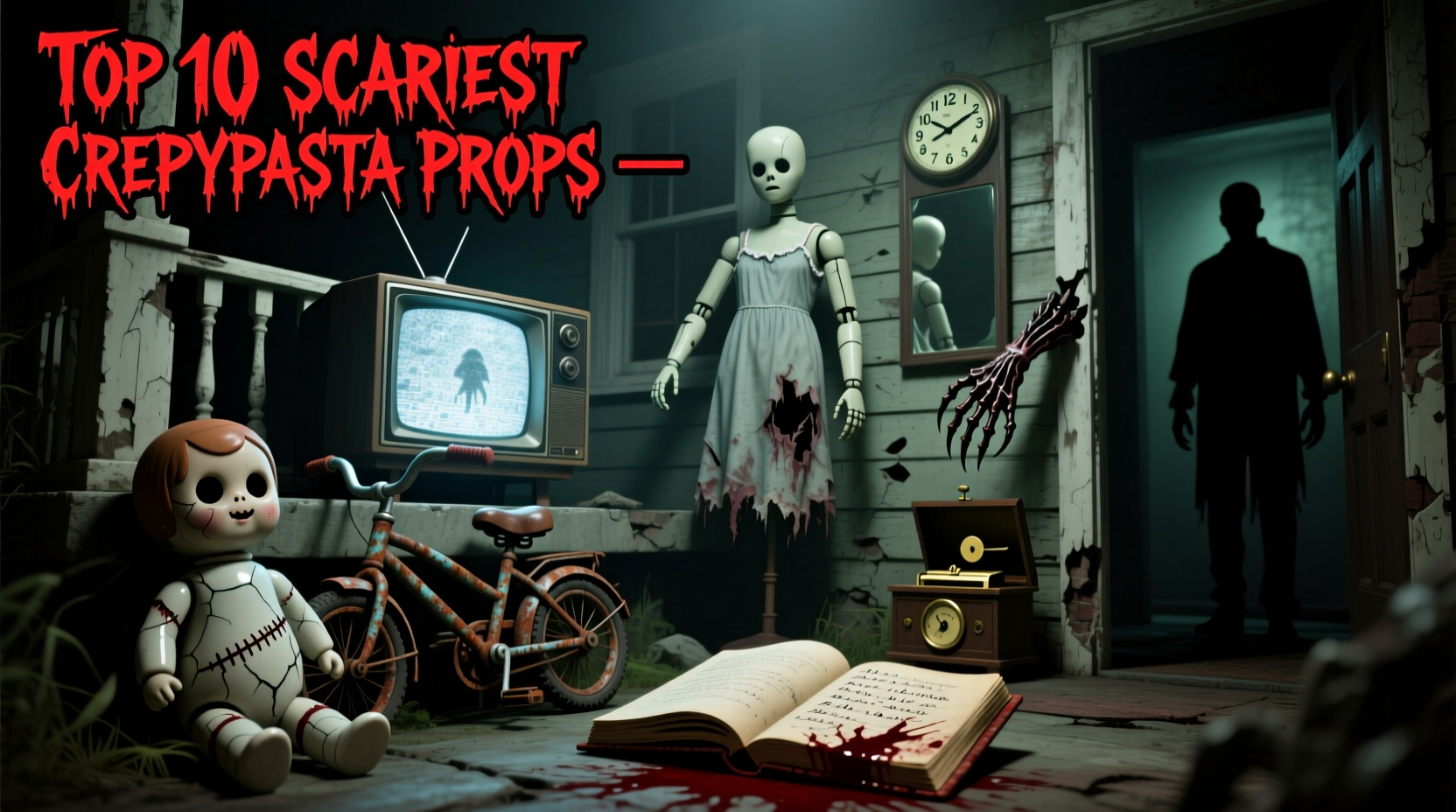
Creepypastas emerged in the early 2000s as short-form horror stories circulated online. Unlike traditional folklore, these tales were born in digital spaces like Reddit, 4chan, and horror forums. Characters such as Slender Man, Jeff the Killer, and Laughing Jack gained viral traction due to their minimalist yet deeply disturbing aesthetics. Their power lies in ambiguity—what they are, where they come from, and what they want is often left unclear, fueling imagination and fear.
Halloween decorators have increasingly leaned into this aesthetic, moving beyond gore and cliché toward psychological dread. A static figure with hollow eyes placed just at the edge of vision can be more unnerving than a jump-scare animatronic. As one haunt designer puts it:
“True horror isn’t in the blood—it’s in the silence between breaths. Creepypasta characters live in that silence.” — Marcus Rennolds, Haunted Attraction Designer & Immersive Horror Consultant
This shift reflects a broader trend: audiences crave atmosphere over shock. When done right, creepypasta props create a narrative environment, turning front lawns into story zones where every detail suggests something worse just out of sight.
Top 10 Scariest Creepypasta-Inspired Halloween Props
The following props blend iconic status, visual impact, and feasibility for home haunts. Each entry includes sourcing tips, safety considerations, and ways to enhance realism without requiring professional fabrication skills.
- Slender Man Figure (The Operator) – Tall, faceless, suited, and unnaturally still. Best displayed under dim lighting or fog, positioned among trees or at the end of a driveway. Use PVC pipe and stretch fabric for a lightweight, tall build. Motion sensors can trigger distant whispers when approached.
- Jeff the Killer Mannequin – Pale face, dark sunken eyes, and a permanent grin. Place near windows or porches with flickering LED candles. A looping audio clip of “Go to sleep” adds visceral dread.
- Ben Drowned Mannequin in a Chair – Depict the drowned boy from the Legend of Zelda creepypasta sitting silently in a rocking chair, soaked clothing, water stains beneath. Pair with ambient underwater sound effects played softly through hidden speakers.
- Laughing Jack Statue – A porcelain-faced clown with exaggerated red lips and blackened eyes. Mount on a pedestal or place in a child’s playset. Trigger a sudden burst of maniacal laughter via motion sensor.
- Hollow Girl Doll – Inspired by Japanese horror and creepypasta hybrids, this prop features a cracked porcelain doll with no facial features except a stitched mouth. Position in abandoned-looking strollers or hanging slightly off shelves.
- The Rake Life-Size Cutout – Based on the creature described as emaciated, pale, and clawed. Use a detailed printed backdrop mounted on foam board. Add wind chimes or rustling leaves to simulate its presence before it’s seen.
- Candle Cove Puppet – Recreate the eerie puppets from the fictional children’s show. Use hand-sewn burlap figures with mismatched buttons for eyes. Arrange in a mock TV setup with distorted audio playing from an old monitor.
- Hoody Girl Silhouette – A hooded female figure standing motionless at the edge of your yard. Craft from black fabric over a wire frame. Illuminate only from behind to cast a shadowy profile.
- Thin Wife Mannequin – Extremely narrow, elongated torso with long limbs. Often shown crawling or peering from under furniture. Build using papier-mâché over armature wire or purchase specialty resin kits.
- Dream Butcher Mask Display – Showcase multiple grotesque masks on stands, each representing different nightmares. Rotate slowly on motorized platforms. Label each with cryptic names like “The Watcher,” “The Mute,” or “The One Who Waits.”
How to Build Realism: Lighting, Sound, and Placement
A prop’s effectiveness hinges less on craftsmanship and more on context. Even a simple cardboard cutout becomes terrifying when placed correctly. Consider these environmental enhancements:
- Lighting: Use cold white or green LEDs to desaturate skin tones. Avoid direct illumination—shadows should obscure key details.
- Sound Design: Loop subtle cues: breathing, whispering, or distant piano notes. Sync audio triggers with motion sensors for maximum impact.
- Placement: Position figures where movement is partially obstructed—behind bushes, inside fake windows, or just outside peripheral vision.
- Movement: Incorporate slow, erratic motion. A jerking head or twitching hand implies consciousness, which is far scarier than full animation.
Do’s and Don’ts of Creepypasta Prop Placement
| Do | Don't |
|---|---|
| Use fog machines to obscure lower bodies, making figures appear to float | Place overtly bloody or violent props if aiming for psychological horror |
| Install props at child-eye level to unsettle younger visitors | Block sidewalks or create tripping hazards |
| Add signs with cryptic messages (“He watches when you blink”) | Use strobe lights near public walkways (can trigger seizures) |
| Test all electronics indoors before outdoor use | Leave animatronics running all night—wear out quickly and annoy neighbors |
Mini Case Study: The Neighborhood That Went Too Far
In 2022, a suburban homeowner in Ohio transformed his yard into a full-scale \"Slender Woods\" experience based on early Slender Man myths. He installed seven life-sized Slender Man figures along a winding path, used directional speakers to emit faint radio static, and programmed intermittent blackouts. Visitors walked through with flashlights, guided by QR codes linking to fake police reports about disappearances.
The display went viral on local news—not for its creativity, but because three children reported nightmares for weeks, and one parent filed a complaint with the city citing \"psychological distress.\" While the homeowner argued artistic expression, he ultimately agreed to add warning signs and reduce audio intensity. The case underscores a critical point: effective horror walks a fine line between thrilling and traumatizing. Always consider your audience, especially in family-heavy areas.
Step-by-Step Guide to Creating a Creepypasta-Themed Yard
- Choose a central theme – Pick one dominant creepypasta (e.g., Ben Drowned) to anchor your display. This creates narrative cohesion.
- Sketch a layout – Map where each prop will go, considering sightlines and foot traffic.
- Gather materials – Use weather-resistant fabrics, sealed electronics, and UV-protected paints.
- Build or buy props – Start with one centerpiece (like Jeff the Killer), then add supporting elements.
- Integrate sensory layers – Add sound, fog, and lighting gradually, testing combinations at night.
- Install safety measures – Mark pathways, avoid trip hazards, and post age advisories if content is intense.
- Monitor reactions – Observe guest responses and adjust intensity accordingly.
Frequently Asked Questions
Are creepypasta decorations suitable for kids?
Some are, but many—especially those depicting self-harm, distorted faces, or implied violence—are not. If children are part of your audience, opt for stylized or masked versions rather than hyper-realistic depictions of trauma.
Where can I buy high-quality creepypasta props?
Specialty retailers like Spirit Halloween occasionally carry licensed versions. For custom builds, Etsy artisans and indie horror prop makers offer handcrafted options. Forums like Haunt Forum and Reddit’s r/hauntideas are excellent for DIY blueprints and material recommendations.
Can I get in trouble for scaring someone too much?
Legally, yes. While Halloween pranks are generally protected, extreme cases involving panic attacks or property damage could lead to liability. Always include disclaimers, avoid realistic weapons, and never block emergency routes.
Conclusion: Turn Fear Into Art
Creepypasta-inspired Halloween decorations represent the evolution of seasonal scares—from slapstick skeletons to psychologically charged experiences. By drawing from internet folklore, you’re not just decorating; you’re curating a modern myth. The most memorable haunts aren’t the loudest or bloodiest—they’re the ones that make people glance over their shoulder after leaving.
Start small. Master one prop. Refine its placement, sound, and effect. Then expand. With attention to detail and respect for your audience, your yard can become the stuff of local legend—something people whisper about long after Halloween ends.
🚀 Ready to terrify your block? Pick one creepypasta character, build your first prop this weekend, and share your creation online—tag it #CreepypastaHaunt and inspire others to embrace the dark side of Halloween.








