The entryway is more than just a transitional space—it’s the first glimpse guests get of your home’s personality. A well-styled entryway cabinet can set the tone for the entire house, blending function with artistry. When enhanced with thoughtfully chosen paintings and distinctive ornaments, this often-overlooked surface becomes a curated gallery that welcomes, intrigues, and delights. The key lies in balancing visual interest, practicality, and cohesion.
Curate a Focal Wall Above the Cabinet
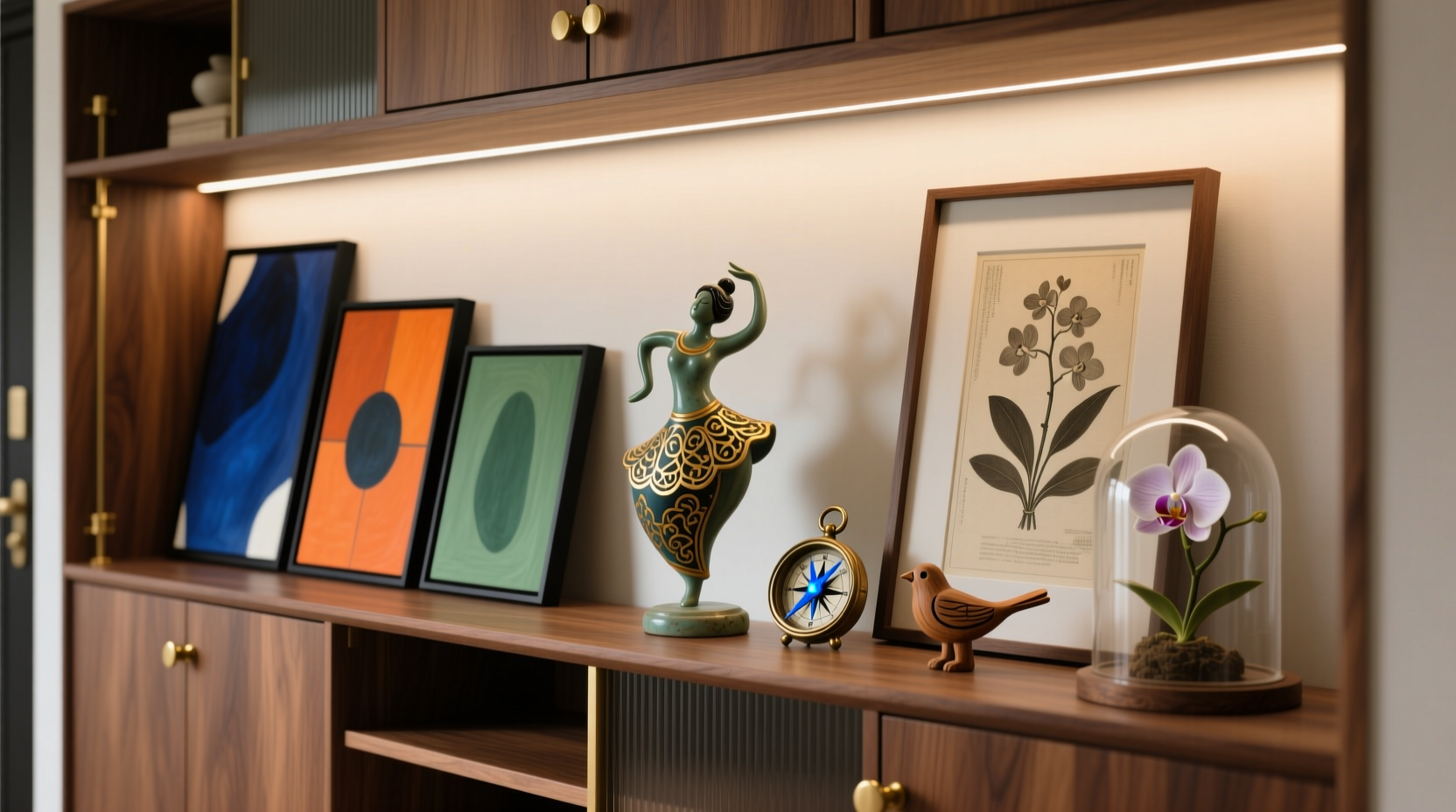
One of the most effective ways to elevate your entryway cabinet is by styling the wall above it. This vertical space acts as a natural backdrop, drawing the eye upward and creating a sense of intentionality. Instead of hanging a single generic print, consider assembling a small gallery wall composed of 2–3 complementary artworks. Choose pieces that reflect your aesthetic—abstract watercolors, vintage botanical prints, or even framed textile art.
When arranging paintings, maintain consistent spacing (around 2–3 inches between frames) and align the center of the grouping with the top edge of the cabinet. This creates visual harmony and prevents the display from feeling disjointed.
Tip: Use removable picture hooks or adhesive strips if you rent—this allows for bold styling without permanent damage.Incorporate Depth with Layered Ornaments
Flat surfaces like cabinet tops invite clutter if not styled intentionally. To avoid this, think in layers. Begin with a base layer: a tray or runner that anchors the arrangement. Then add height variation using objects of different scales—small sculptures, ceramic vases, or stacked coffee table books. Finally, introduce movement and texture with items like a brass candle holder, a woven bowl, or a small potted succulent.
Unique ornaments don’t need to be expensive. Consider repurposing heirloom items—a vintage compass, an antique clock, or hand-carved wooden figures collected from travels. These personal touches tell a story and make the space feel authentically yours.
“An entryway should whisper your identity before you say a word.” — Lena Torres, Interior Stylist & Author of *Threshold Design*
Create a Themed Vignette
A cohesive theme gives your entryway cabinet direction and prevents it from appearing random. Themes can be seasonal, cultural, or inspired by a color palette. For example:
- Natural Elegance: Combine earth-toned paintings with driftwood sculptures, dried pampas grass, and stone coasters.
- Global Eclectic: Mix Moroccan tile artwork with Balinese masks and Turkish glassware.
- Modern Minimalist: Use monochrome line drawings paired with geometric concrete ornaments and a single black vase.
Sticking to a theme doesn’t mean sacrificing variety. Within the concept, play with contrast—matte versus glossy finishes, organic shapes against angular frames—to keep the composition dynamic.
| Theme | Suggested Paintings | Ornament Ideas |
|---|---|---|
| Coastal Calm | Seascapes, sailboat sketches, beach photography | Sea glass collection, rope-wrapped mirror, coral replica |
| Art Deco Glamour | Geometric prints, vintage theater posters | Brass figurines, mirrored trays, crystal bookends |
| Bohemian Whimsy | Tapestries, folk art reproductions | Macramé plant hangers, dreamcatchers, painted ceramics |
Step-by-Step Guide: Styling Your Entryway Cabinet
Follow this sequence to achieve a polished, professional look without overcomplicating the process:
- Clear the surface. Remove everything from the cabinet and wipe it down.
- Select a dominant painting. Choose one larger piece or a pair of matching smaller ones to hang above the cabinet.
- Lay out your ornaments on the floor. Experiment with combinations before placing them on the cabinet.
- Use a tray or mat. Define the display area and prevent visual chaos.
- Arrange in odd numbers. Group objects in threes or fives for a balanced, organic feel.
- Add lighting. A small table lamp or LED puck light can highlight textures and create ambiance.
- Edit ruthlessly. Remove anything that feels redundant or overcrowded.
Real-Life Example: Transforming a Narrow Hallway Nook
Maria, a graphic designer in Portland, had a slim entryway cabinet wedged between her front door and coat closet. Initially, it held only keys and mail. After reading about intentional styling, she decided to reimagine the space. She selected a deep emerald green painting of a forest canopy to hang above the cabinet—echoing both her love for nature and the rich tones in her living room rug.
On the cabinet, she arranged a trio: a handmade pottery dish for keys, a brass incense holder shaped like a crane, and a small stack of art books with textured covers. A narrow mirror leaned behind them to amplify light. The result? A compact but powerful statement that guests consistently compliment.
“It took me less than an hour,” Maria said, “but now I feel like my home truly begins the moment I walk in.”
Common Mistakes to Avoid
Even well-intentioned styling can go awry. Watch out for these pitfalls:
- Overcrowding: Too many objects compete for attention and create visual noise.
- Ignoring scale: A tiny painting above a large cabinet looks lost; oversized ornaments overwhelm small spaces.
- Mismatched styles: Mixing too many design eras (e.g., Victorian frame next to cyberpunk sculpture) without a unifying element.
- Forgetting function: Blocking drawer access or making it hard to drop off essentials like wallets or sunglasses.
Frequently Asked Questions
How do I choose the right size painting for above my entryway cabinet?
The ideal width of the artwork should be 50–75% of the cabinet’s width. If the cabinet is 36 inches wide, aim for a painting or grouping between 18 and 27 inches wide. Hang the center of the artwork at eye level—approximately 57 to 60 inches from the floor—for optimal viewing.
Can I mix modern ornaments with traditional paintings?
Absolutely—but do so with intention. Use a shared color, material, or shape to bridge the styles. For example, a contemporary metallic sculpture can complement a classic oil portrait if both feature gold accents. The contrast can be striking when grounded in a deliberate design choice.
What if my entryway gets very little natural light?
Low light doesn’t limit your options—it shifts the focus to texture and artificial lighting. Choose paintings with matte finishes to reduce glare, and incorporate reflective ornaments like mirrors, glass, or polished metal. Add a small directional spotlight or wall sconce to illuminate the display and create warmth.
Final Checklist: Before You Declare It Done
Run through this quick evaluation to ensure your entryway cabinet styling hits all the right notes:
- ✅ Artwork is securely hung and properly aligned.
- ✅ Ornaments are arranged in odd-numbered groupings.
- ✅ There’s a balance of height, texture, and color.
- ✅ Functional items (keys, mail) have a designated spot.
- ✅ The overall look reflects your personal style.
- ✅ The space feels inviting, not cluttered.
Conclusion: Make a Lasting First Impression
Your entryway cabinet is more than furniture—it’s a canvas for self-expression. By integrating meaningful paintings and carefully chosen ornaments, you transform a utilitarian zone into a narrative gateway. Whether your taste leans toward serene minimalism or vibrant maximalism, the principles of balance, cohesion, and authenticity apply.
Start small. Swap out a generic frame for a piece of art that moves you. Replace a plain box with a sculptural dish from your travels. Let each object serve beauty and purpose. When you open your door, let it speak—not just of style, but of story.
💬 What’s one ornament that holds special meaning for you? Share in the comments and inspire others to bring heart into their entryways.








