Bean bags have evolved from childhood staples into sophisticated, functional furniture that blends comfort with design. No longer just a throwback to dorm rooms or play areas, today’s best bean bags offer exceptional durability, ergonomic support, and stylish finishes that complement modern homes. Whether you're furnishing a compact apartment, a home office, or a kid-friendly living room, selecting the right bean bag means balancing coziness with long-term resilience. The key lies in understanding materials, fill types, and design features that align with your space and lifestyle.
Why Durability and Comfort Matter in Bean Bag Selection
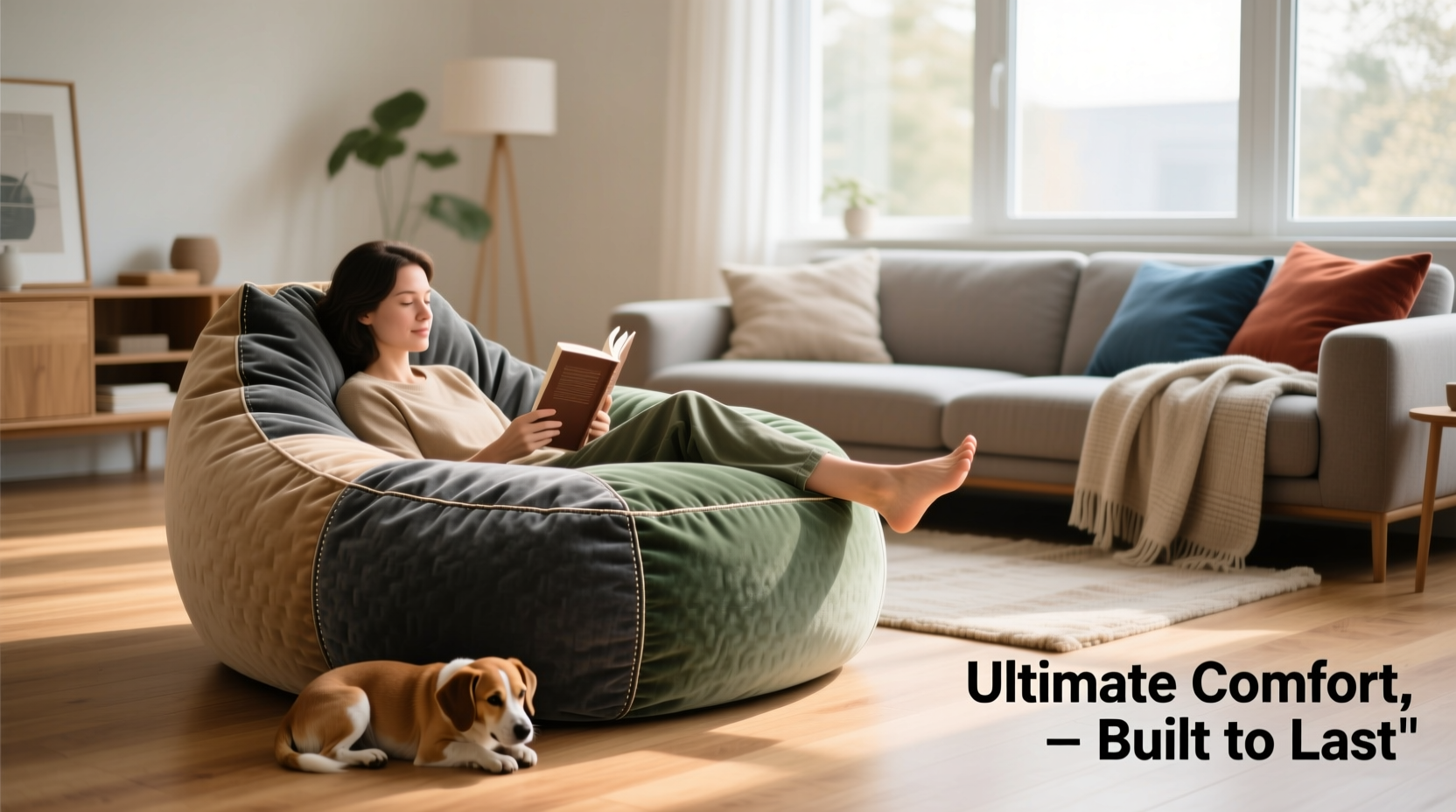
A truly great bean bag doesn’t just feel good the first time you sit in it—it should maintain its shape, softness, and structural integrity over months or even years of use. Many budget options sag quickly, lose filling, or develop tears due to low-grade fabrics. High-quality bean bags, on the other hand, are built with reinforced stitching, premium covers, and high-density bead fills that resist compaction.
Durability is especially important in high-traffic areas like family rooms or children’s spaces. A well-made bean bag can withstand daily use, frequent shifting, and occasional spills without showing wear. Meanwhile, comfort hinges on both the outer fabric and internal fill. Soft-touch microsuede offers warmth and a velvety feel, while canvas provides breathability and strength. The interior filling—typically expanded polystyrene (EPS) beads—should be dense enough to provide support but light enough to allow the bag to conform naturally to your body.
“Longevity in bean bags starts with construction quality. Look for double-stitched seams and removable, washable covers—they’re non-negotiable for lasting value.” — Lena Torres, Furniture Design Specialist
Top 5 Durable & Cozy Bean Bags by Use Case
Different spaces demand different designs. Below is a curated list of standout bean bags based on performance, material quality, and aesthetic versatility.
| Model | Best For | Material | Filling | Lifespan Estimate |
|---|---|---|---|---|
| Kamax Giant Lounger | Adults, spacious rooms | Water-resistant corduroy | High-density EPS beads | 5+ years |
| Bizongo Cloud Series | Modern living rooms | Premium microsuede | Anti-flatten foam blend | 4–6 years |
| OGGI Kids EcoPod | Children’s rooms | OEKO-TEX certified cotton-poly blend | Eco-friendly EPS | 3–4 years |
| Mozaic Lounge Sack | Compact apartments | Stretchable twill | Memory foam-infused beads | 4+ years |
| SunPatio Outdoor Bean | Patios, balconies | UV-resistant polyester | Quick-dry EPS | 3–5 years (with cover) |
Choosing Materials That Last—and Feel Great
The fabric of a bean bag determines not only how it looks but also how it ages. Here’s a breakdown of common materials and their real-world performance:
- Microsuede: Soft, stain-resistant, and ideal for homes with kids or pets. Resists pilling when tightly woven.
- Corduroy: Offers a retro-chic look with excellent texture. Choose heavy-wale versions for better durability.
- Cotton-blend: Breathable and hypoallergenic, but less resistant to spills. Best in low-moisture zones.
- Polyester (outdoor grade): UV-protected and water-repellent. Perfect for patios or sunrooms.
- Leather-look vinyl: Easy to wipe clean, but can crack over time if exposed to heat or dry air.
For maximum longevity, opt for removable, machine-washable covers. This feature allows you to refresh the appearance of your bean bag without dry-cleaning fees or spot-treatment risks. Also, consider double-layered construction—many premium models include an inner waterproof lining beneath the outer fabric, which protects the filling from accidental spills.
Real-Life Example: How a Family Upgraded Their Living Room Comfort
The Rivera family lives in a two-bedroom apartment with two young children and a small dog. Their previous fabric ottoman was constantly scratched and stained. After researching durable seating solutions, they invested in a Kamax Giant Lounger in navy microsuede. Positioned near the TV, it became the go-to seat for movie nights and homework sessions.
Two years later, the bean bag still holds its shape thanks to monthly fluffing and quarterly cover washing. “We were skeptical at first,” says Maria Rivera, “but it’s held up better than our old couch. Even after crayon marks and spilled juice, a quick wash brought it back to life.”
Their experience underscores a key point: choosing the right bean bag isn’t just about initial comfort—it’s about designing for real life.
Step-by-Step Guide to Buying the Right Bean Bag
- Assess your space: Measure the area where the bean bag will go. Allow at least 12 inches of clearance around it for easy movement.
- Determine primary users: Adults need larger sizes (7–8 cubic feet); kids do well with 4–5 cubic feet models.
- Select the right fabric: Match material to room function—microsuede for living rooms, outdoor fabric for decks.
- Check fill type and refill options: Ensure the brand sells refill beads separately. Some offer free refills within the first year.
- Verify warranty and return policy: Look for at least a 1-year warranty covering seams and zippers.
- Read user reviews: Focus on feedback about long-term use, color fading, and zipper durability.
Do’s and Don’ts of Bean Bag Care
| Do’s | Don’ts |
|---|---|
| Fluff the filling weekly to maintain shape | Overfill the inner liner beyond manufacturer guidelines |
| Use mild detergent when washing covers | Machine-dry covers on high heat—this can shrink or warp fabric |
| Vacuum surface dust monthly | Place sharp objects or pet claws directly on the surface |
| Rotate the bag occasionally for even wear | Store outdoors without a protective cover |
Frequently Asked Questions
How often should I refill my bean bag?
Most high-quality bean bags need their first refill after 18–24 months of regular use. You’ll notice the bag feels flatter and less supportive. Refilling restores ergonomics and extends lifespan. Always use the same type of EPS beads recommended by the manufacturer.
Are bean bags suitable for people with back pain?
Yes, but only if properly filled and used intermittently. Bean bags with memory foam-infused beads or lumbar-support designs offer better spinal alignment than flat or overly soft models. They shouldn’t replace ergonomic chairs for prolonged sitting but work well for relaxation breaks.
Can I leave a bean bag outside year-round?
Only if it’s specifically designed for outdoor use and stored under cover during extreme weather. Even UV-resistant fabrics degrade over time when exposed to rain, snow, and direct sunlight. For best results, bring outdoor bean bags indoors during winter or monsoon seasons.
Final Thoughts: Invest in Comfort That Endures
The best bean bags seamlessly merge cozy appeal with rugged durability. By prioritizing quality materials, thoughtful design, and proper maintenance, you can enjoy a piece of furniture that adapts to your lifestyle rather than fighting against it. Whether nestled in a reading nook, anchoring a teen’s bedroom, or serving as extra guest seating, a well-chosen bean bag adds both function and flair.
Don’t settle for temporary comfort. Choose a model built to last, care for it consistently, and reap the rewards of relaxed living for years to come.
💬 Found your perfect bean bag match? Share your setup or ask questions in the comments—we’d love to hear how you’ve made cozy, durable style work in your space!








