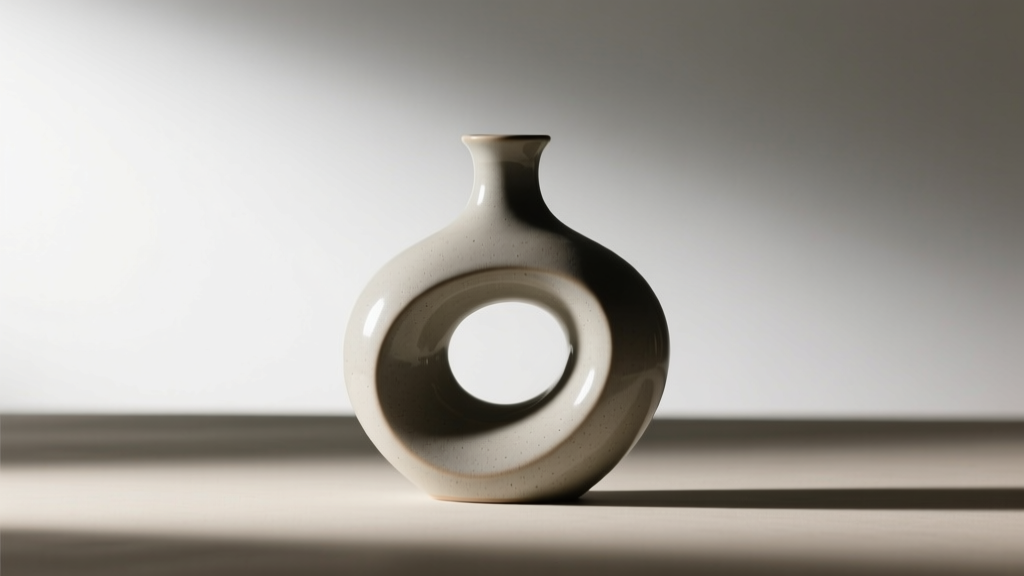
Types of Country Style Accents
Country style accents are essential elements that bring warmth, charm, and a sense of timeless tradition to interior spaces. Rooted in rural living and natural simplicity, this design aesthetic emphasizes comfort, authenticity, and connection to nature. These accents are not just decorative—they reflect a lifestyle centered around coziness, practicality, and heritage.
Below is a detailed breakdown of the most common types of country style accents, each contributing uniquely to the overall ambiance of a space. Whether you're designing a farmhouse kitchen, a cottage bedroom, or a rustic living room, understanding these elements can help you create an inviting and cohesive look.
Rustic Furniture
At the heart of country decor lies rustic furniture—pieces that are substantial, functional, and rich in character. Typically crafted from solid wood such as oak, pine, or reclaimed timber, these furnishings highlight natural textures like grain patterns, knots, and subtle imperfections that add authenticity.
Advantages
- Warm, inviting presence
- Durable and long-lasting
- Adds visual weight and stability to a room
- Timeless appeal with vintage or handcrafted finishes
Considerations
- Can be heavy and difficult to move
- May require regular maintenance (e.g., oiling or sealing)
- Larger pieces may not suit small spaces
Best for: Farmhouse kitchens, dining rooms, entryways, and living areas where comfort and durability are key
Textiles and Fabrics
Fabrics play a crucial role in softening the ruggedness of country interiors. Classic patterns such as gingham, plaid, floral prints, and toile are staples in country design. These are often used in curtains, table runners, seat cushions, quilts, and throw blankets.
Advantages
- Adds color, pattern, and texture
- Enhances coziness and tactile comfort
- Easy to refresh seasonally or with new trends
- Natural fibers like cotton and linen are breathable and eco-friendly
Considerations
- Natural fabrics may wrinkle or fade over time
- Require frequent washing, especially in high-use areas
- Bold patterns may clash if not coordinated carefully
Best for: Bedrooms, kitchens, and sitting areas where softness and personal expression are desired
Wall Decor
Covered walls are a hallmark of country style. Rather than leaving walls bare, this design approach embraces architectural details like exposed wooden beams, shiplap paneling, and barn board walls, all of which contribute to a lived-in, historical feel.
In addition, decorative elements such as vintage picture frames, family heirlooms, rural artwork, and antique signs are often arranged in gallery-style groupings to personalize the space and tell a story.
Advantages
- Creates depth and visual interest
- Allows for personalization and storytelling
- Architectural details add authenticity and texture
- Versatile—can mix modern and vintage elements
Considerations
- Shiplap or beam installation can be costly
- Over-decorating can lead to cluttered appearance
- Requires careful curation to maintain cohesion
Best for: Living rooms, hallways, and kitchens where character and memory matter
Natural Elements
The essence of country style lies in its connection to nature. Wood, stone, plants, flowers, and even fresh herbs are integrated into the design to create a fresh, organic atmosphere. Unlike artificial decor, natural components evolve over time, adding life and authenticity to the space.
Think of a stone fireplace, a wooden bowl filled with pinecones, potted herbs on the windowsill, or a vase of freshly picked wildflowers—these small touches make a big impact.
Advantages
- Promotes a calming, grounding effect
- Improves air quality and sensory experience (e.g., scent)
- Eco-conscious and sustainable
- Changes with the seasons for dynamic decor
Considerations
- Plants require care and maintenance
- Natural materials may degrade or need replacement
- Some elements (like flowers) are temporary
Best for: All rooms, especially kitchens, sunrooms, and porches where nature can be embraced
Lighting Fixtures
Lighting in country-style interiors goes beyond function—it serves as a statement piece. Popular choices include rustic chandeliers, lantern-style pendants, wrought iron sconces, and mason jar lights. These fixtures often feature aged metals, distressed finishes, and natural materials like wood or glass.
Warm-toned bulbs enhance the cozy ambiance, while the fixtures themselves become focal points that anchor the room’s design.
Advantages
- Adds charm and architectural interest
- Creates warm, inviting illumination
- Available in a wide range of vintage-inspired designs
- Can be energy-efficient with LED retrofits
Considerations
- Antique-style fixtures may require professional installation
- Metal fixtures can accumulate dust or rust if not maintained
- May not provide bright task lighting without supplementation
Best for: Dining rooms, entryways, porches, and outdoor spaces where ambiance is key
| Accent Type | Key Features | Material Focus | Atmosphere Created | Ideal Rooms |
|---|---|---|---|---|
| Rustic Furniture | Handcrafted, solid wood, distressed finishes | Wood (oak, pine, reclaimed) | Warm, grounded, timeless | Dining room, living room, entry |
| Textiles & Fabrics | Gingham, plaid, floral, linen, cotton | Natural fibers, soft textures | Cozy, welcoming, tactile | Bedroom, kitchen, sitting area |
| Wall Decor | Shiplap, beams, gallery walls, vintage frames | Wood, metal, paper, fabric | Personal, nostalgic, layered | Living room, hallway, kitchen |
| Natural Elements | Plants, flowers, stone, wood accents | Organic, living materials | Fresh, calming, earthy | All rooms, especially kitchens and porches |
| Lighting Fixtures | Lanterns, chandeliers, sconces, aged finishes | Metal, glass, wood | Inviting, dramatic, rustic-chic | Dining room, entry, outdoor spaces |
Design Tip: To achieve a balanced country look, mix textures and materials thoughtfully. For example, pair a rough-hewn wooden table with soft gingham cushions and a mason jar centerpiece. This layering creates depth while maintaining harmony across different accent types.
Design of Country Style Accents
Country style interior design celebrates warmth, simplicity, and a deep connection to nature. Rooted in rural charm and timeless craftsmanship, it creates inviting spaces that feel lived-in and authentic. While interpretations vary—from cozy cottage to modern farmhouse—the essence lies in natural materials, nostalgic details, and earthy elegance. Below is an expanded guide to the key design elements that define country style accents.
Core Elements of Country Style Design
Color Palette
Country style embraces a soothing and organic color palette that reflects the natural world. Dominated by warm earth tones such as moss green, terracotta, warm browns, and rusty reds, these hues evoke the changing seasons and rural landscapes. These are often balanced with soft neutrals like cream, beige, and warm gray to create a calm, harmonious backdrop.
Muted pastels—such as sage green, dusty blue, and faded lavender—are frequently used as accent colors in textiles, walls, or cabinetry, adding subtle charm without overwhelming the space. The overall effect is a warm, welcoming environment that feels grounded and timeless, seamlessly blending indoor spaces with the beauty of the outdoors.
Flooring Choices
Flooring in country-style interiors plays a crucial role in establishing the rustic aesthetic. Natural materials like hardwood, stone, and ceramic tile are preferred for their durability and organic appeal. Wide-plank hardwood floors, especially in distressed or hand-scraped finishes, are particularly iconic, adding texture and a sense of history to the space.
Stone or tile flooring—often in neutral or earth-toned finishes—works beautifully in kitchens and entryways, offering both practicality and visual warmth. To enhance comfort and softness underfoot, layered area rugs with traditional patterns like braided, checkered, or floral designs are commonly used. These rugs not only add coziness but also reinforce the handcrafted, homespun character of the decor.
Kitchen Accents
The kitchen is often the heart of a country-style home, designed to be both functional and inviting. Rather than sleek minimalism, country kitchens favor a lived-in, clutter-with-purpose aesthetic. Key features include large farmhouse sinks, often in apron-front style, made from fireclay or stainless steel, which serve as both a practical and visual centerpiece.
Wooden kitchen islands with butcher block tops provide additional prep space and storage while adding warmth and character. Open shelving made from reclaimed or distressed wood displays ceramics, glassware, and cookbooks, promoting accessibility and personalization. Decorative touches like mason jars, vintage canisters, and repurposed farm tools (such as old milk pails or pitchforks) add nostalgic flair, turning everyday objects into charming design elements.
Bathroom Decor
Country-style bathrooms are designed as serene retreats, blending vintage charm with natural materials. Signature features include beadboard paneling on walls or wainscoting, which adds texture and a classic cottage feel. Clawfoot tubs and pedestal sinks are common, evoking a bygone era of relaxed elegance.
Finishes often include natural stone countertops, ceramic tile flooring, and wooden vanities with a weathered or painted finish. Textiles play a key role—gingham, plaid, or linen curtains, shower curtains, and towels enhance the rustic theme while adding softness and color. Accessories like wooden trays, ceramic dispensers, and fresh flowers or herbs complete the look, creating a peaceful, nature-inspired sanctuary.
| Design Element | Key Characteristics | Recommended Materials |
|---|---|---|
| Color Palette | Warm, earthy, and soft; emphasizes natural harmony | Paints in matte or eggshell finishes with organic pigments |
| Flooring | Durable, textured, and visually warm | Hardwood (oak, pine), stone, ceramic tile, braided wool rugs |
| Kitchen Features | Functional, open, and nostalgic | Butcher block, fireclay sinks, reclaimed wood, wrought iron hardware |
| Bathroom Details | Vintage-inspired, cozy, and nature-connected | Beadboard, clawfoot tubs, linen textiles, stone or ceramic tile |
Additional Styling Tips for Authentic Country Charm
Important: Avoid over-accessorizing or using synthetic materials that clash with the natural, handcrafted spirit of country design. The goal is a balanced, lived-in look—not a staged or overly themed space. Focus on quality, timelessness, and personal touches to create a truly authentic country-style interior.
Scenarios for Country Style Accents
Country-style home decor brings warmth, charm, and timeless appeal to any space by blending natural materials, soft textures, and nostalgic elements. Whether in homes or offices, this design style emphasizes comfort, functionality, and a deep connection to nature. Below are key scenarios where country-style accents can transform environments into inviting, rustic retreats.
Living Room
The living room is the heart of a country-style home, designed to feel warm, welcoming, and lived-in. Start with a plush sofa layered with plaid or floral throw pillows made from cotton, linen, or wool to enhance texture and comfort.
- A reclaimed wood coffee table or vintage trunk adds character and serves as a functional centerpiece
- Stone or brick fireplace surrounds create a natural focal point, especially when paired with a wooden mantel displaying antique clocks or mason jars
- Exposed wooden ceiling beams or shiplap walls amplify the rustic aesthetic
- Woven jute or braided rugs anchor the space while adding earthy tones and tactile interest
- Soft, neutral color palettes—like cream, sage green, butter yellow, and warm gray—allow natural light to reflect and enhance the cozy atmosphere
Design tip: Incorporate heirloom pieces or handmade quilts to personalize the space and evoke a sense of heritage.
Kitchen
A country kitchen is both practical and charming, often serving as the hub of family activity. It combines vintage appeal with everyday usability, making it ideal for cooking, gathering, and entertaining.
- A deep farmhouse sink in porcelain or fireclay is a signature feature, perfect for washing produce or filling large pots
- Shaker-style wooden cabinets in white, sage, or cherry finishes offer durability and classic appeal
- Open shelving made from distressed wood displays collections of stoneware, mason jars, and vintage canisters
- Retro-inspired appliances—such as a mint-green refrigerator or a classic-style range—add nostalgic flair
- Gingham or checked curtains, apron-front aprons, and a wooden farmhouse table with mismatched chairs complete the look
Pro tip: Use chalkboard paint on a wall or cabinet door for a functional and decorative touch—perfect for grocery lists or daily messages.
Bedroom
Country-style bedrooms are serene sanctuaries that promote relaxation and comfort. The emphasis is on softness, simplicity, and a connection to nature through materials and color.
- Wooden bed frames—especially those with a distressed finish or four-poster design—anchor the room in rustic elegance
- Floral or gingham bedding in cotton percale or flannel creates a soft, inviting look
- Pastel hues like lavender, sky blue, or peach paired with white trim create a calm, airy ambiance
- Layered textiles such as a woven throw at the foot of the bed, a vintage quilt, or a crocheted blanket add depth and warmth
- A wooden rocking chair in the corner or a small bench at the foot of the bed enhances both function and charm
Enhancement idea: Add a window seat with cushioned seating and floral cushions to maximize natural light and create a peaceful reading nook.
Outdoor Spaces
Country-style living extends naturally to outdoor areas, transforming patios, porches, and gardens into extensions of the home’s cozy interior.
- A spacious wooden deck or wraparound porch furnished with Adirondack chairs, gliders, or rocking chairs invites relaxation
- A fire pit or outdoor fireplace becomes a gathering spot for evening conversations and s’mores
- Rustic wooden fencing, picket enclosures, or split-rail barriers define boundaries with country charm
- Flower beds bursting with roses, lavender, black-eyed Susans, and sunflowers add color and fragrance
- Vegetable gardens in raised wooden beds or herb planters promote sustainability and a farm-to-table lifestyle
Bonus touch: Hang mason jar lanterns or string lights overhead to create a magical ambiance during twilight hours.
Workspaces
Even in a home office or workspace, country-style accents can make a productive environment feel warm and inspiring rather than sterile or impersonal.
- A solid wood desk with visible grain and handcrafted details serves as a functional and beautiful centerpiece
- Comfortable seating with fabric upholstery in plaid, floral, or neutral tones supports long work sessions
- Open wooden shelves display books, potted herbs, and rustic decor like galvanized buckets or vintage lanterns
- Large windows that overlook gardens or trees bring the outdoors in and boost mood and focus
- Accessories such as a chalkboard calendar, a mason jar pen holder, or a framed botanical print add personality
Wellness benefit: The calming influence of natural materials and soft lighting can reduce stress and improve concentration.
Designer Insight: To achieve an authentic country look without appearing outdated, blend vintage pieces with modern comforts. For example, pair a rustic wooden table with sleek metal chairs or install energy-efficient lighting in antique-style fixtures. This balance ensures your space feels timeless, functional, and uniquely personal.
| Space | Signature Elements | Recommended Materials | Color Palette |
|---|---|---|---|
| Living Room | Fireplace, wooden beams, woven rugs | Reclaimed wood, stone, cotton, wool | Cream, sage, warm gray, terracotta |
| Kitchen | Farmhouse sink, open shelves, gingham curtains | Pine, oak, porcelain, galvanized metal | White, butter yellow, cherry red, sky blue |
| Bedroom | Wooden bed frame, floral linens, vintage quilt | Pine, linen, wicker, cotton | Lavender, peach, mint, ivory |
| Outdoor Areas | Rocking chairs, fire pit, vegetable garden | Cedar, stone, wrought iron, terracotta | Grass green, sunflower yellow, barn red, natural wood |
| Workspaces | Wooden desk, bookshelves, natural lighting | Oak, maple, jute, glass | Beige, navy, olive, soft white |
Additional Design Considerations
- Mix of Eras: Combine antique finds with modern pieces to keep the space from looking like a period reenactment
- Natural Lighting: Maximize windows and use sheer or light-filtering curtains to maintain brightness and warmth
- Scent & Sensibility: Use natural fragrances like lavender, pine, or vanilla in candles or diffusers to enhance the sensory experience
- DIY Touches: Handmade items—such as crocheted throws, painted signs, or pottery—add authenticity and personal flair
- Sustainability: Choose eco-friendly materials like reclaimed wood, organic cotton, and low-VOC paints to align with country living’s connection to nature
Specification & Maintenance of Country Style Accents
Country style accents bring warmth, charm, and timeless elegance to homes through natural materials, rustic finishes, and handcrafted details. To preserve their beauty and functionality, proper care and thoughtful maintenance are essential. This guide outlines key specifications and best practices for maintaining country-style decor, from furniture to fabrics and outdoor elements.
Pro Tip: Regular, gentle maintenance is more effective than infrequent deep cleaning. A consistent care routine helps preserve the character and longevity of country-style pieces without compromising their rustic appeal.
Key Maintenance Areas for Country Style Decor
- Material Durability
Country-style accents often feature natural materials like solid wood, stone, and wrought iron, each requiring specific care to maintain integrity and appearance:
- Wood Furniture: Use natural oils (like linseed or tung oil) or quality wax every 3–6 months to condition the wood, prevent drying, and enhance grain visibility. Avoid silicone-based polishes that can build up over time.
- Stone Surfaces: Clean with a pH-neutral stone cleaner and dry thoroughly. Seal porous stones (e.g., limestone, travertine) annually to prevent staining and moisture absorption.
- Metal Accents: Wipe wrought iron or brass fixtures with a soft cloth; apply a clear protective coating to prevent rust in humid environments.
- Fabric Care
Country interiors frequently use natural fabrics such as cotton, linen, and wool in upholstery, curtains, and throw pillows. These materials offer comfort and breathability but require careful handling:
- Wash in lukewarm water using a mild, bleach-free detergent to preserve fiber strength and color.
- Avoid high heat when drying—air dry or use low tumble settings to prevent shrinkage, especially in wool and linen blends.
- Rotate cushions and flip seat pads regularly to ensure even wear and fading.
- Use UV-protective window treatments or position furniture away from direct sunlight to minimize fabric fading and degradation.
- Regular Cleaning
Dust and grime can settle into textured surfaces and crevices common in rustic decor. A consistent cleaning schedule prevents buildup and maintains the inviting charm of country-style interiors:
- Dust furniture weekly with a soft microfiber cloth or feather duster.
- For deeper cleaning, use a gentle wood-safe or fabric-safe cleaner appropriate to the material.
- Pay special attention to carved details, wicker weaves, and upholstered seams where dust accumulates.
- Use a vacuum with a brush attachment for soft furnishings and woven baskets.
- Protecting Against Wear
High-traffic areas benefit from protective measures that extend the life of country-style pieces without detracting from their aesthetic:
- Use coasters, placemats, and tablecloths on wooden dining tables to prevent water rings, scratches, and heat damage.
- Place area rugs in entryways and under furniture to reduce floor wear and absorb moisture.
- Apply felt pads to the bottom of decor items and chair legs to prevent surface scratches.
- Use removable cushion covers for easy washing and to refresh the look seasonally.
- Outdoor Elements Care
Country-style outdoor furniture, garden accents, and porch decor face harsher conditions and require proactive protection:
- Treat wooden outdoor furniture (e.g., cedar, teak) annually with a water-repellent sealant or exterior-grade oil to resist cracking, warping, and mold.
- Store or cover outdoor cushions, pillows, and throws during rainy seasons or extreme sun exposure.
- Choose all-weather fabrics like Sunbrella for outdoor upholstery—they resist fading, mildew, and moisture.
- Inspect metal garden ornaments for rust; sand and repaint as needed with weather-resistant paint.
- Elevate wooden pieces slightly off the ground to improve airflow and prevent rot.
| Maintenance Area | Recommended Frequency | Products & Tools | Common Mistakes to Avoid |
|---|---|---|---|
| Wood Conditioning | Every 3–6 months | Natural oil, beeswax, soft cloth | Using silicone polishes or over-oiling |
| Fabric Cleaning | Every 1–3 months | Mild detergent, cold water, air drying | Hot water washing or direct sunlight drying |
| Stone Sealing | Annually | pH-neutral cleaner, stone sealer | Using acidic cleaners on natural stone |
| Dusting & Surface Care | Weekly | Microfiber cloth, soft brush | Using abrasive scrubbers or harsh chemicals |
| Outdoor Protection | Seasonally | Waterproof covers, sealants, storage bins | Leaving fabrics exposed to rain or snow |
Expert Insight: Embrace the natural aging of country-style pieces—light wear and patina add character. Focus on preservation rather than perfection to maintain the authentic, lived-in charm that defines this design aesthetic.
Long-Term Preservation Tips
- Keep humidity levels stable (ideally 40–60%) to prevent wood from expanding or cracking.
- Inspect joints and hardware on furniture annually; tighten screws or re-glue loose connections as needed.
- Store seasonal decor in breathable cotton bags with cedar blocks to deter pests and moisture.
- Document the care history of valuable or antique pieces for future reference and resale value.
- When in doubt, consult a specialist for restoration—especially for hand-carved wood or vintage textiles.
Maintaining country style accents is not just about preserving appearance—it's about honoring the craftsmanship and natural materials that give these pieces their enduring appeal. With thoughtful care and attention to detail, your rustic decor can remain a cherished part of your home for years to come.
Frequently Asked Questions About Country-Style Accents in Interior Design
Q1: Can country-style accents be used in modern homes?Yes, absolutely—country-style accents can blend beautifully with modern homes when integrated thoughtfully. The key is balance: combining the warmth and charm of rustic elements with the clean lines and minimalism of contemporary design.
- Select streamlined pieces: Choose country-style furniture with simple silhouettes, such as a sleek farmhouse dining table or a low-profile wooden bench, to prevent visual clutter.
- Embrace natural materials: Use reclaimed wood, stone, or linen fabrics to add texture while maintaining a modern aesthetic.
- Stick to a neutral palette: Earthy tones like beige, sage green, warm gray, and cream create harmony between traditional and modern elements.
- Incorporate modern lighting: Pair rustic wood beams or shiplap walls with contemporary pendant lights or industrial-style sconces for a fresh, updated look.
This fusion, often referred to as "modern farmhouse" or "transitional design," is increasingly popular because it offers both comfort and sophistication.
Q2: Are country-style accents suitable for small spaces?Yes, country-style accents can be adapted beautifully for small spaces with the right approach. The goal is to preserve the cozy, inviting essence of the style without making the room feel cramped or overcrowded.
- Opt for lighter finishes: Choose whitewashed wood, pale oak, or distressed finishes that reflect light and enhance airiness.
- Maximize natural light: Use sheer curtains, mirrors, and strategically placed lighting to brighten the space and amplify the sense of openness.
- Keep it minimal: Focus on a few key country elements—like a single wooden shelf, a vintage-style clock, or a woven basket—rather than filling the room with decor.
- Use multifunctional furniture: A rustic bench with hidden storage or a farmhouse-style coffee table with shelves can add character and utility.
By blending simplicity with charm, you can create a small space that feels warm, welcoming, and intentionally styled.
Q3: How frequently should country-style decor be updated?Country-style decor doesn’t need frequent overhauls, but refreshing it annually or bi-annually helps keep the space feeling current and lively. Since this style emphasizes timelessness, updates are more about seasonal flair than complete redesigns.
- Seasonal textiles: Swap out cushions, throws, curtains, and rugs with fabrics in seasonal colors or patterns—gingham for spring, flannel for winter, etc.
- Rotate decorative accents: Display different sets of mason jars, ceramic pitchers, or dried botanicals throughout the year.
- Add greenery: Fresh herbs, potted plants, or seasonal flowers bring life and a natural touch that complements country aesthetics.
- Refresh worn items: Replace frayed linens, chipped pottery, or faded signs as needed to maintain a well-kept, inviting atmosphere.
These small, budget-friendly changes allow you to enjoy evolving decor while preserving the core country charm of your space.
Q4: Are country-style accents suitable for commercial spaces?Yes, country-style accents are highly effective in commercial environments that aim to create a warm, homelike, and comforting ambiance. This design approach is especially popular in hospitality and lifestyle-oriented businesses.
| Commercial Space | Country Accent Ideas | Benefits |
|---|---|---|
| Cafés & Bakeries | Wooden tables, mason jar lighting, chalkboard menus, vintage signage | Creates a nostalgic, home-baked feel that enhances customer experience |
| Bed & Breakfasts | Quilted bedding, floral curtains, antique dressers, porch rockers | Promotes relaxation and a personal, welcoming atmosphere |
| Event Venues | Barn doors, hay bale seating, burlap table runners, lanterns | Ideal for rustic weddings and gatherings; highly photogenic |
| Retail Shops | Distressed shelving, wooden crates, woven baskets, vintage displays | Adds charm and authenticity, especially for boutique or artisan goods |
When applied professionally, country-style decor fosters emotional connection, encourages longer stays, and strengthens brand identity through a cohesive, inviting environment.
Q5: How to achieve a cohesive country-style look in different rooms?Creating a unified country-style aesthetic throughout your home involves consistency in color, materials, and design motifs. This ensures a smooth transition from room to room while maintaining the style’s signature warmth and charm.
- Stick to a consistent color palette: Use earthy, natural tones—such as cream, sage, terracotta, navy, and soft white—across all rooms for visual harmony.
- Repeat core materials: Let wood, stone, brick, and natural fibers like cotton and jute appear in multiple spaces to reinforce the country theme.
- Use recurring design elements: Carry over similar patterns (gingham, checks, florals), hardware (iron or brass), and lighting styles (lanterns, pendant jars) throughout the house.
- Coordinate textiles: Match or complement curtain styles, cushion fabrics, and rug textures between adjacent rooms to enhance flow.
- Maintain a clutter-free environment: Even in a cozy style, too much decor can feel chaotic. Curate your accents to highlight quality over quantity.
By thoughtfully repeating key elements, you create a home that feels intentionally designed, welcoming, and authentically country—without appearing mismatched or disjointed.









