
Showering is more than a daily ritual—it’s a crucial part of personal hygiene and self-care. But what temperature should your water be? While many people reach instinctively for a steaming hot shower to relax muscles or a brisk cold one to wake up, few consider how these choices impact their skin and hair. The debate between cold showers and hot showers isn’t just about comfort; it’s about long-term dermatological and trichological health. Understanding the physiological effects of water temperature can help you make informed decisions that support glowing skin and strong, lustrous hair.
The Science of Water Temperature on Skin
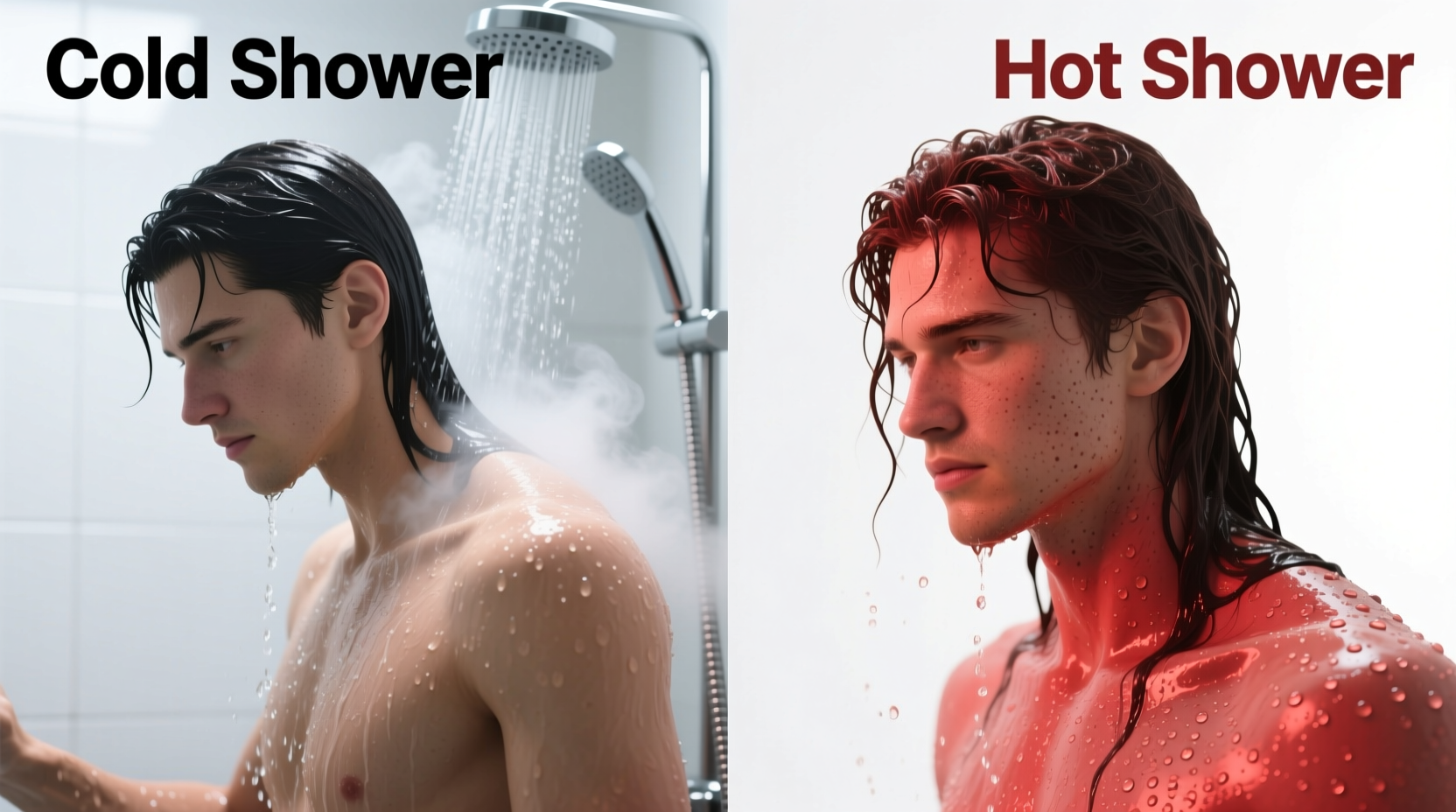
Skin is the body’s largest organ and serves as a protective barrier against environmental stressors. Its outermost layer, the stratum corneum, relies on natural oils (sebum) and moisture to remain supple and resilient. Water temperature directly influences this delicate balance.
Hot water opens pores and dissolves sebum effectively, making it appealing for deep cleansing. However, excessive heat strips away essential lipids and disrupts the skin’s pH, leading to dryness, irritation, and increased sensitivity. Dermatologists warn that prolonged exposure to hot water can compromise the skin barrier, especially in individuals with eczema, rosacea, or psoriasis.
In contrast, cold water causes blood vessels to constrict, temporarily tightening pores and reducing inflammation. It preserves the skin’s natural oils and helps maintain hydration. Cold showers may also reduce puffiness and redness, particularly around the eyes and face, by minimizing fluid retention.
Tip: Limit hot showers to under 10 minutes and keep water lukewarm rather than scalding to protect your skin’s moisture barrier.Impact on Hair and Scalp Health
Your scalp is an extension of your facial skin, meaning it responds similarly to temperature changes. Hair follicles are sensitive to both external conditions and internal circulation, both of which are affected by shower temperature.
Hot water increases blood flow to the scalp, which sounds beneficial—but overstimulation can lead to excess oil production (seborrhea), dandruff, and even hair breakage. When hot water lifts the cuticle layer of the hair shaft, it leaves strands vulnerable to moisture loss, frizz, and split ends. This is especially problematic for curly, coily, or chemically treated hair types that already struggle with hydration.
Cold water, on the other hand, seals the hair cuticle after washing, locking in moisture and enhancing shine. It reduces frizz and improves manageability. A final rinse with cool water at the end of a wash cycle is a common recommendation among trichologists and stylists for achieving smoother, healthier-looking hair.
“Rinsing with cooler water closes the cuticle, giving hair a sleeker appearance and helping retain conditioning treatments.” — Dr. Lena Patel, Board-Certified Trichologist
Comparative Analysis: Cold vs Hot Showers
To understand the trade-offs, consider the following comparison of cold and hot showers across key factors related to skin and hair health.
| Factor | Cold Shower Benefits | Hot Shower Risks |
|---|---|---|
| Moisture Retention | Preserves natural oils and prevents transepidermal water loss | Strips sebum, leading to dry, tight-feeling skin |
| Pore Appearance | Temporarily tightens pores, reduces appearance of size | Opens pores excessively; may trap debris if not cleansed properly |
| Hair Shine & Smoothness | Seals cuticle, enhances reflectivity and softness | Lifts cuticle, increasing friction, frizz, and dullness |
| Scalp Oil Balance | Helps regulate sebum production | Stimulates overproduction of oil, worsening greasiness |
| Inflammation & Irritation | Reduces redness and swelling; calming for sensitive skin | Can exacerbate conditions like acne, rosacea, and eczema |
This table illustrates why dermatologists increasingly recommend tempering hot water use—especially in colder months when skin is already prone to dryness.
Real-World Example: Managing Seborrheic Dermatitis
Consider the case of Marcus, a 34-year-old software developer who struggled with persistent flaking and itching along his hairline and eyebrows. Diagnosed with seborrheic dermatitis, he initially believed hotter showers would “clean deeper” and remove flakes. Instead, his symptoms worsened.
After consulting a dermatologist, Marcus switched to lukewarm showers and incorporated a final 30-second cold rinse. He replaced harsh sulfates with a gentle, pH-balanced cleanser and limited shower time to eight minutes. Within three weeks, his scalp irritation decreased significantly, and flaking reduced by over 70%. His skin felt less tight, and his hair appeared shinier without added products.
This outcome aligns with clinical observations: patients with inflammatory skin conditions often improve when they avoid extreme temperatures and prioritize barrier protection.
Optimal Routine: Combining Warm and Cold Elements
The best approach may not be choosing one extreme over the other, but strategically combining temperatures. Many experts advocate for a hybrid method that maximizes benefits while minimizing damage.
Begin with warm (not hot) water to loosen dirt, sweat, and product buildup. Use this phase to cleanse the body and scalp thoroughly. Then, finish with a cold rinse lasting 30 to 60 seconds. This transition signals the body to constrict surface blood vessels, seal hair cuticles, and lock in moisture—all while invigorating the senses.
Step-by-Step: Ideal Shower Sequence for Skin and Hair Health
- Prep with lukewarm water (95–100°F / 35–38°C): Wet skin and hair gently without soaking too long.
- Cleanse efficiently: Apply cleanser and shampoo within 3–5 minutes to minimize exposure.
- Rinse with gradually cooling water: Lower the temperature slightly during rinsing to begin acclimating the body.
- Final cold rinse (60–70°F / 15–21°C): Spend 30–60 seconds rinsing hair and face with cool water.
- Pat dry immediately: Use a soft towel to blot—not rub—skin and hair to prevent irritation.
- Apply moisturizer or hair serum within 3 minutes: Lock in hydration while skin is still slightly damp.
Common Misconceptions Debunked
Several myths persist about shower temperature and its effects. One widespread belief is that hot showers open pores enough to “deep clean” them. In reality, pores don’t have muscles to open or close—they appear larger due to heat-induced swelling, but true pore size is genetically determined. Another myth is that cold showers alone can cure acne. While cold water may reduce inflammation and oiliness, it doesn’t address root causes like hormonal imbalances or bacterial overgrowth.
Similarly, some believe cold showers stimulate hair growth. Though improved circulation from alternating temperatures might support follicle health, there’s no direct evidence that cold water increases hair density or growth rate. It does, however, improve hair quality by reducing breakage and enhancing shine.
Frequently Asked Questions
Is it safe to take cold showers every day?
Yes, for most healthy individuals, daily cold showers are safe and may offer cumulative benefits such as improved circulation and resilience to stress. However, those with cardiovascular conditions should consult a physician before adopting very cold routines, as sudden vasoconstriction can affect blood pressure.
Can hot showers cause premature aging?
Repeated exposure to very hot water can contribute to premature skin aging by degrading collagen and elastin over time. Chronic dehydration weakens the skin barrier, leading to fine lines and loss of elasticity. Pairing hot showers with aggressive scrubbing accelerates this process.
Should I always end with a cold rinse?
Ending with a cool or cold rinse is highly recommended, especially for hair health. It helps seal the cuticle, enhances shine, and reduces frizz. For sensitive individuals, a lukewarm-to-cool transition is sufficient. The goal is to avoid finishing on high heat.
Expert Recommendations and Best Practices
Dermatologists consistently emphasize moderation. Dr. Rachel Kim, a clinical dermatologist at Boston Skin Institute, advises: “The ideal shower temperature is just warm enough to feel comfortable—like a baby’s bathwater. If your skin turns red or feels tight afterward, it’s too hot.”
She also recommends adjusting routines seasonally. In winter, when indoor heating dries the air, shorter, cooler showers help preserve moisture. In summer, slightly warmer water may be acceptable due to higher humidity and sweat accumulation, but extremes should still be avoided.
For hair, professionals suggest tailoring temperature to hair type. Fine, oily hair benefits most from cooler rinses, while thick, dry hair may tolerate slightly warmer water during cleansing—but always finish cool to enhance smoothness.
“The single most impactful change most people can make is lowering their shower temperature. It costs nothing and delivers immediate improvements in skin and hair texture.” — Dr. Anika Rao, Dermatology Research Fellow, Johns Hopkins Medicine
Conclusion: Finding Your Balance
The choice between cold and hot showers isn’t binary. While cold showers generally win in terms of preserving skin hydration and enhancing hair shine, completely eliminating warmth may not be practical or enjoyable for everyone. The key lies in balance: using warm water mindfully for cleansing and finishing with cooler temperatures to seal in benefits.
By understanding how temperature affects your body’s largest organ and your hair’s structural integrity, you gain control over your daily routine. Small adjustments—shorter duration, lower heat, a final cold blast—can yield visible results in skin clarity, scalp health, and hair vibrancy.
💬 Ready to transform your shower routine? Start tonight: turn the dial a few degrees cooler and notice how your skin and hair feel tomorrow. Share your experience or ask questions in the comments—your journey to healthier skin and hair begins with one mindful rinse.








