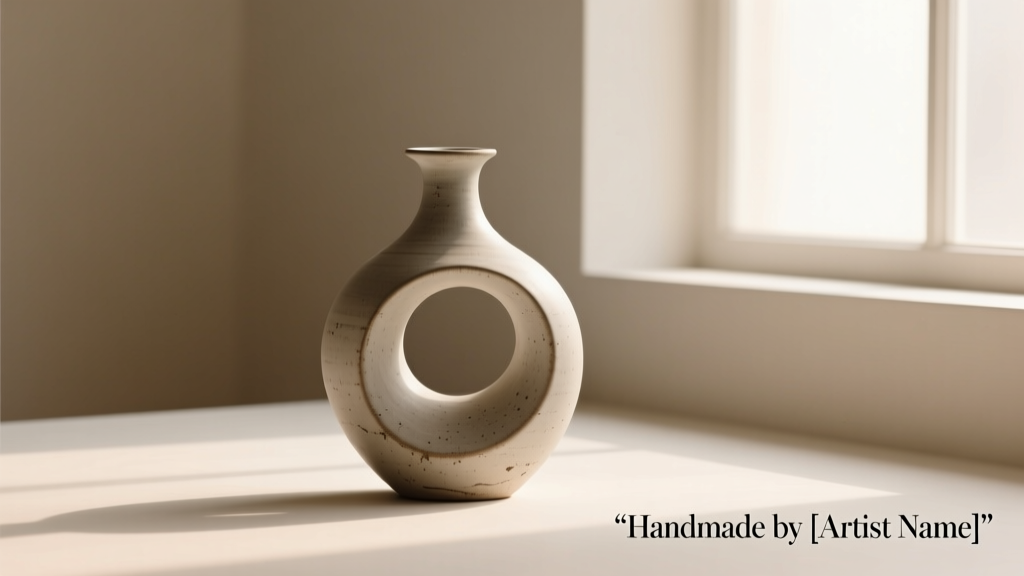
Types of Clay Decorative Terracotta Vases
Terracotta vases are timeless decorative elements crafted from natural clay, known for their warm, earthy tones and enduring appeal. Used for centuries across civilizations, these vases blend functionality with artistry, making them ideal for both indoor and outdoor decor. From rustic charm to modern minimalism, terracotta vases come in various styles to suit diverse design aesthetics. Below is a detailed breakdown of the most popular types of decorative terracotta vases available today.
Traditional Terracotta Vases
Crafted from unglazed, natural clay and often hand-fired, traditional terracotta vases embody a rustic, organic charm. Their porous texture and warm reddish-brown hue bring a sense of history and authenticity to any space.
Advantages
- Natural, earthy aesthetic
- Breathable material ideal for plants
- Biodegradable and eco-friendly
- Timeless appeal across design styles
Limitations
- Porous—can absorb moisture and stain
- Not ideal for indoor water arrangements without liners
- More fragile than glazed alternatives
Best for: Rustic interiors, Mediterranean decor, planters with drainage, farmhouse styling
Glazed Terracotta Vases
These vases combine the strength of terracotta with a smooth, glass-like finish achieved through a high-temperature glazing process. Available in vibrant colors, metallic finishes, and intricate patterns, they add elegance and sophistication to modern spaces.
Advantages
- Waterproof and stain-resistant
- Wide range of colors and designs
- Easy to clean and maintain
- Suitable for fresh flower arrangements
Limitations
- Higher cost than unglazed versions
- Less breathable—may require careful watering
- Glaze can chip if mishandled
Best for: Contemporary homes, indoor decor, luxury styling, decorative centerpieces
Carved Terracotta Vases
Hand-carved with intricate patterns, motifs, or cultural designs, these vases are true works of art. The detailing is often inspired by traditional craftsmanship, making each piece unique and highly collectible.
Advantages
- Unique, artisanal appearance
- Excellent focal point in any room
- Adds cultural or historical depth
- High decorative value
Limitations
- Delicate—requires careful handling
- Not ideal for heavy plants or outdoor use
- Premium pricing due to craftsmanship
Best for: Art collectors, statement decor, mantels, shelves, and entryways
Terracotta Planter Vases
Specially designed for gardening, these vases feature drainage holes and are optimized for plant health. Their porous clay helps regulate moisture and temperature, promoting strong root development.
Advantages
- Natural breathability for healthy plants
- Integrated drainage prevents root rot
- Durable for outdoor use
- Available in multiple sizes and shapes
Limitations
- Can crack in freezing temperatures
- May require saucers indoors
- Not waterproof—needs protection on wood surfaces
Best for: Indoor/outdoor gardening, succulents, herbs, medium to large plants
Terracotta Vases with Handles
Featuring one or two sturdy handles, these vases combine practicality with visual appeal. Often inspired by ancient amphorae or Mediterranean pottery, they offer easy portability and a bold silhouette.
Advantages
- Easier to move and handle
- Strong visual presence and symmetry
- Versatile for decorative or functional use
- Classic, timeless design
Limitations
- Handles may break if impacted
- Limited availability in modern designs
- Bulkier—requires more space
Best for: Large floral arrangements, outdoor patios, farmhouse kitchens, entryway accents
Modern Terracotta Vases
These vases reinterpret traditional earthenware with sleek silhouettes, geometric shapes, and minimalist finishes. Often featuring matte coatings or monochromatic tones, they align perfectly with contemporary and Scandinavian design principles.
Advantages
- Complements modern interiors
- Clean, uncluttered appearance
- Versatile for dried or fresh flowers
- Often stackable or modular
Limitations
- Less traditional charm
- Fewer handcrafted details
- May lack drainage for plants
Best for: Urban apartments, minimalist decor, office spaces, modern living rooms
| Type | Best Use | Indoor Suitability | Outdoor Suitability | Design Style |
|---|---|---|---|---|
| Traditional Terracotta | Planters, rustic decor | With liner | Excellent | Rustic, Farmhouse, Mediterranean |
| Glazed Terracotta | Decorative arrangements | Excellent | Good (frost-sensitive) | Contemporary, Luxe, Eclectic |
| Carved Terracotta | Artistic display | Excellent | Fair (protect from elements) | Artistic, Cultural, Vintage |
| Planter Vases | Gardening, plant display | With saucer | Excellent | Functional, Garden, Natural |
| Vases with Handles | Large arrangements, decor | Good | Good | Mediterranean, Rustic, Classic |
| Modern Terracotta | Minimalist decor | Excellent | Fair (check material) | Modern, Scandinavian, Urban |
Expert Tip: To extend the life of your terracotta vases outdoors, seal the interior with a waterproof terracotta sealer before planting—this helps prevent cracking during freeze-thaw cycles and enhances durability.
Design of Clay Decorative Terracotta Vases: Aesthetic and Functional Insights
The design of clay decorative terracotta vases plays a crucial role in enhancing interior spaces, blending natural charm with artistic expression. Revered for their earthy appeal and timeless beauty, terracotta vases are more than just plant holders—they are statement pieces that reflect cultural heritage and personal style. Thoughtful design ensures these vases complement various décor themes, from rustic farmhouse to modern minimalist interiors.
Key Design Elements of Terracotta Vases
Understanding the core design components of terracotta vases allows for smarter selection and placement in both residential and commercial environments. Below is an in-depth exploration of the essential elements that define their visual and functional impact.
Shape and Size
Terracotta vases come in a wide array of shapes—from classic round-bellied forms reminiscent of ancient pottery to sleek, contemporary geometric designs. The silhouette of a vase significantly influences its visual weight and role within a space.
Larger vases with broad bases serve as striking focal points in living rooms, entryways, or dining areas, often used as standalone art pieces or for displaying tall dried arrangements. Conversely, compact or medium-sized vases are ideal for shelves, window sills, or kitchen counters, adding subtle warmth without overwhelming smaller spaces.
When selecting a vase, consider proportion: a vase should be approximately one-third to one-half the length of the table or surface it occupies to maintain visual balance.
Color and Finish
The natural terracotta hue—characterized by warm reddish-brown tones—is derived from iron-rich clay and fired at high temperatures. This organic color palette brings a cozy, grounded feel to interiors, making it a favorite in rustic, Mediterranean, and bohemian styles.
For more diverse styling options, glazed terracotta vases offer a spectrum of colors and finishes. Glossy glazes create a polished, reflective surface that adds elegance and contrast, while matte or satin finishes preserve a more subdued, tactile quality. Metallic or ombre glazes can elevate the vase into a modern or luxury context.
Designers often mix glazed and unglazed vases for layered textures, enhancing depth and visual interest in curated vignettes or plant displays.
Patterns and Textures
Patterns and surface textures transform simple vases into intricate works of art. Traditional motifs such as tribal engravings, floral carvings, or rope detailing draw inspiration from global pottery traditions, including Moroccan, Indian, and Native American designs.
Modern interpretations may feature minimalist line work, abstract brushstrokes, or embossed geometric patterns. These decorative elements not only enhance visual appeal but also add tactile richness, inviting touch and interaction.
Texture variations—ranging from smooth, burnished surfaces to intentionally rough, chalky, or ribbed exteriors—contribute to the vase’s character. Textured vases perform exceptionally well in eclectic or organic interiors, where layered materials like wood, linen, and stone are emphasized.
Functional Elements
While aesthetics are important, functionality is equally vital—especially when vases double as planters. Thoughtful design includes practical features such as drainage holes, removable liners, or water reservoirs to support healthy plant growth and ease of maintenance.
Drainage holes prevent root rot by allowing excess water to escape, making them essential for indoor and outdoor potted plants. Some vases include plug-in stoppers or saucer attachments for flexible use in different environments.
In addition, deeper vases with stable bases are better suited for tall or heavy plants, while shallow designs work well for succulents or small herbs. Dual-purpose vases—designed to hold fresh flowers or serve as standalone décor—offer maximum versatility for dynamic living spaces.
| Design Element | Impact on Interior Style | Design Tips |
|---|---|---|
| Shape & Proportion | Defines spatial presence and visual balance | Use tall vases for vertical emphasis; round shapes soften angular furniture |
| Natural vs. Glazed Finish | Natural: rustic, earthy; Glazed: modern, vibrant | Pair glazed vases with monochrome interiors for contrast |
| Surface Texture | Adds tactile depth and artisanal charm | Combine smooth and textured vases for layered décor |
| Functional Features | Enhances usability and plant health | Choose vases with drainage for live plants; use liners for delicate surfaces |
Styling Tips for Maximum Impact
Important: Avoid prolonged exposure to moisture for unglazed terracotta, as it is porous and can crack in freezing conditions. For indoor use, consider sealing the interior with a waterproof liner or coating. Always check for structural integrity before placing heavy plants or using in high-traffic areas.
Scenarios of Clay Decorative Terracotta Vases
Clay decorative terracotta vases are timeless pieces that blend natural charm with functional elegance. Their earthy tones and organic textures make them ideal for a wide range of environments, from private homes to public spaces. Thoughtfully placed, these vases enhance aesthetics, evoke warmth, and create inviting atmospheres. Below are key scenarios where terracotta vases shine, along with practical tips for maximizing their impact.
Home Decor
Terracotta vases bring a sense of grounded warmth and artisanal beauty to residential interiors. Whether glazed or left in their natural state, they complement a variety of design styles—from minimalist Scandinavian to rustic farmhouse and bohemian chic.
- Dining & Living Areas: Place glazed terracotta vases with fresh floral arrangements on dining tables, coffee tables, or console tables to add color, texture, and life to the space.
- Entryways & Hallways: Use larger terracotta planters near entrances to create a welcoming first impression with greenery or dried botanicals.
- Bathroom & Bedroom Accents: Smaller vases with eucalyptus, lavender, or air plants introduce a spa-like serenity to personal spaces.
- Style Tip: Natural, unglazed vases work beautifully in minimalist rooms, where their raw texture becomes a focal point without overwhelming the décor.
Design Insight: Pair terracotta with neutral palettes (beige, white, gray) or warm woods to enhance cohesion and harmony in interior schemes.
Outdoor Settings
Terracotta vases are a classic choice for patios, balconies, gardens, and poolside areas. Their porous clay construction allows for natural breathability, benefiting many plants—though care must be taken in extreme weather conditions.
- Container Gardening: Ideal for herbs, succulents, Mediterranean plants (like lavender or rosemary), and seasonal flowers. Their breathability helps prevent root rot in well-drained soils.
- Elevated Displays: Use terracotta vases on tabletops, plant stands, or railing planters to add vertical interest and soften hardscapes.
- Frost Protection: In colder climates, choose frost-resistant terracotta or bring vases indoors during winter to prevent cracking from freeze-thaw cycles.
- Weather-Resistant Finishes: Opt for sealed or glazed vases in areas with heavy rain or humidity to prolong lifespan and reduce staining.
Pro Tip: Elevate vases slightly with pot feet or saucers to improve drainage and prevent water damage to surfaces.
Retail and Commercial Spaces
In commercial environments such as cafes, boutique hotels, restaurants, and retail stores, terracotta vases contribute to a warm, authentic, and approachable brand identity. Their handcrafted appeal supports narratives of sustainability and craftsmanship.
- Branding & Ambience: Use large clay plant holders in lobbies or dining areas to frame seating zones and promote a relaxed, nature-inspired atmosphere.
- Versatile Styling: Fill vases with fresh flowers, dried branches, pampas grass, or even decorative stones for low-maintenance yet stylish displays.
- Thematic Consistency: Terracotta aligns well with Mediterranean, rustic, farm-to-table, or eco-conscious themes, reinforcing the space’s aesthetic narrative.
- Customer Experience: Greenery in terracotta enhances biophilic design principles, reducing stress and improving perceived comfort for guests.
Interior Tip: Group vases in varying heights and sizes for a curated, organic look that feels intentional yet effortless.
Event Decor
Terracotta vases are increasingly popular in event styling for weddings, parties, corporate gatherings, and photo shoots. Their rustic elegance bridges casual and formal settings, offering timeless appeal with minimal effort.
- Wedding Centerpieces: Use medium-sized vases on guest tables with wildflowers, eucalyptus, or olive branches for a romantic, earthy vibe.
- Aisle & Entry Decor: Line pathways with terracotta vases holding candles, greenery, or seasonal blooms to guide guests with warmth and charm.
- Thematic Flexibility: Paint or wrap vases with ribbons to match color schemes—ideal for boho, garden, vintage, or Mediterranean-themed events.
- Sustainable Choice: Terracotta is biodegradable and reusable, making it an eco-friendly alternative to plastic or metal décor.
Event Hack: Pre-pot vases with floral foam or water tubes for easy transport and long-lasting arrangements on-site.
Professional Recommendation: When selecting terracotta vases for any setting, consider both form and function. Choose high-fired, well-crafted pieces for durability, and match the finish (glazed, matte, or natural) to the environment’s style and maintenance needs. For commercial or outdoor use, prioritize sealed or weather-resistant options to ensure longevity and reduce upkeep.
| Setting | Recommended Vase Type | Suggested Use | Key Benefit |
|---|---|---|---|
| Living Room / Home Interior | Glazed or painted terracotta | Floral arrangements, decorative branches | Color accent and texture enhancement |
| Patio / Garden | Frost-resistant, sealed terracotta | Herbs, succulents, flowering plants | Natural breathability and aesthetic warmth |
| Café / Hotel Lobby | Large clay plant holders (unglazed or matte) | Statement greenery, dried botanicals | Creates inviting, branded atmosphere |
| Wedding / Event | Uniform-sized, stackable terracotta | Centerpieces, aisle markers | Rustic charm with eco-friendly appeal |
Additional Considerations
- Maintenance: Wipe with a dry cloth; avoid soaking unsealed terracotta to prevent water absorption and staining.
- Customization: Paint, stain, or seal vases to match specific color schemes or branding requirements.
- Sustainability: Terracotta is made from natural clay and is fully recyclable, supporting eco-conscious design choices.
- Weight & Stability: Larger vases can be heavy when filled—ensure proper support on furniture or flooring.
- Lighting Pairing: Combine with string lights or LED candles inside hollow vases for enchanting evening displays.
Specification & Maintenance of Clay Decorative Terracotta Vases
Terracotta vases are timeless pieces that blend natural beauty with functional design. Crafted from porous, unglazed clay, these vases are prized for their earthy aesthetic and breathability, making them ideal for both decorative display and use as planters. However, to preserve their structural integrity and visual appeal, proper understanding of their specifications and consistent maintenance is essential. This guide provides detailed insights into the characteristics of terracotta vases and best practices for their long-term care.
Important Note: Terracotta is a porous and fragile material. Improper handling, exposure to moisture, or extreme temperatures can lead to cracking, staining, or structural failure. Always handle with care and consider environmental conditions when placing your vase.
Key Specifications of Terracotta Vases
- Material Quality and Authenticity
Terracotta vases are made from natural, iron-rich clay that is fired at relatively low temperatures (typically between 1,000°C and 1,080°C), resulting in a characteristic reddish-brown hue. Many high-quality vases are handcrafted, preserving traditional artisan techniques and enhancing their uniqueness. While traditional decorative vases often lack drainage holes, functional planter vases are typically designed with one or more drainage holes at the base to prevent water accumulation and root rot in potted plants. Always verify the presence of drainage holes before using a terracotta vase as a planter.
- Glazing Type and Surface Finish
Glazed terracotta vases are coated with a glass-like finish created by applying a mixture of silica, alumina, feldspar, and other minerals, which are then fused to the clay surface during a secondary firing process. This glaze not only enhances the vase’s visual appeal with glossy or matte finishes in various colors but also seals the pores of the clay, making it waterproof and more resistant to staining and moisture absorption. Unglazed terracotta remains porous, allowing air and moisture to pass through—ideal for plants that benefit from soil aeration but requiring more careful maintenance to prevent mineral buildup and cracking in freezing conditions.
- Size, Weight, and Structural Considerations
Terracotta vases come in a wide range of sizes—from small tabletop accents to large garden planters exceeding several feet in height. Larger vases are significantly heavier due to the density of fired clay, necessitating a sturdy, level base to prevent tipping or breakage. When selecting a location, ensure the surface can support the combined weight of the vase, soil, and plant. For outdoor installations, consider anchoring larger vases or placing them in sheltered areas to minimize risks from wind or accidental impact.
Essential Maintenance Tips for Longevity
- Cleaning and Surface Care
Due to their porous nature, unglazed terracotta vases can accumulate dust, mineral deposits (especially from hard water), and organic residue over time. Clean them gently using a dry microfiber cloth or a slightly damp sponge—avoid soaking or submerging unglazed vases, as excess moisture can weaken the structure. For stubborn stains, use a soft-bristled brush with a mild vinegar-water solution (1:1 ratio), then wipe dry immediately. Glazed vases can tolerate slightly more rigorous cleaning but should still be treated with care; avoid abrasive scrubbers or harsh chemicals that could scratch or dull the finish.
- Preventing Physical Damage
Terracotta is inherently brittle and susceptible to chipping or cracking upon impact. To minimize damage, place vases in low-traffic areas away from doors, hallways, or locations where they might be knocked over by pets or children. When moving a vase, always lift it—never drag it—as even minor friction can cause abrasions or fractures. For added protection, consider using rubber or felt pads on the base to reduce wear on both the vase and the surface it rests on.
- Outdoor and Environmental Protection
While terracotta is durable, prolonged exposure to harsh weather—particularly freeze-thaw cycles—can be detrimental. In cold climates, water absorbed into unglazed clay can freeze and expand, leading to cracks or spalling. During winter months or periods of heavy rain, it’s advisable to bring outdoor terracotta vases indoors or cover them with breathable, waterproof covers. If left outside, ensure they are elevated on pot feet or stands to promote drainage and reduce direct contact with wet surfaces.
- Planter-Specific Care and Moisture Management
When used as planters, terracotta vases offer excellent breathability, helping regulate soil moisture and prevent root rot. However, this same porosity means they absorb water from the soil, requiring more frequent watering than plastic or glazed containers. To reduce moisture loss, consider lining the interior with a waterproof barrier (such as a plastic insert) or sealing the inside with a terracotta sealer. Always use well-draining potting mix and avoid overwatering. For optimal plant health, consult a horticultural specialist to determine appropriate soil composition and drainage solutions based on the plant species.
| Aspect | Unglazed Terracotta | Glazed Terracotta | Recommended Care |
|---|---|---|---|
| Water Resistance | Porous – absorbs moisture | Non-porous – waterproof | Seal interior for planters; avoid prolonged soaking |
| Cleaning Method | Damp cloth, mild vinegar solution | Soft brush, gentle soap | Never use abrasives; dry thoroughly after cleaning |
| Frost Tolerance | Low – prone to cracking | Moderate – depends on glaze quality | Store indoors during winter in cold climates |
| Weight & Stability | Heavy – requires strong base | Heavy – similar to unglazed | Use pot feet or stands; avoid uneven surfaces |
| Aesthetic Maintenance | Natural aging; may develop patina | Retains color and shine | Clean regularly; protect from UV fading if outdoors |
Expert Tip: To extend the life of your terracotta vases, apply a clear, breathable sealer to the interior (and optionally the exterior) every 1–2 years. This helps reduce water absorption and prevents mineral buildup without compromising the natural look of the clay.
Additional Recommendations
- Inspect vases regularly for hairline cracks, especially after winter or outdoor exposure.
- Rotate vases periodically if displayed near windows to ensure even aging and prevent one-sided fading.
- Store unused vases in a dry, temperature-controlled environment to prevent moisture retention.
- Label planters with plant type and watering schedule to optimize care routines.
- Consider using saucers or trays to catch excess water and protect floors or furniture.
With proper attention to material properties and environmental factors, clay decorative terracotta vases can remain beautiful and functional for many years. Whether used as standalone art pieces or active planters, their charm lies in their natural imperfections and timeless appeal. By following these specifications and maintenance guidelines, you can preserve their quality and enjoy their rustic elegance across seasons and settings.
Frequently Asked Questions About Terracotta Vases
Q1: Can terracotta vases be used outdoors?Yes, clay pots for plants are a popular choice for outdoor use due to their natural aesthetic and breathability, which promotes healthy root growth. They work well on patios, gardens, and balconies. However, because terracotta is porous and can absorb moisture, it is vulnerable to cracking in freezing temperatures. When water trapped in the clay freezes, it expands and can cause the vase to split.
To safely use terracotta vases outdoors:
- Choose sealed or glazed terracotta pots for better weather resistance.
- Elevate the vase on pot feet or stands to improve drainage and reduce moisture absorption from the ground.
- Bring the vases indoors or cover them during winter months, especially in regions with frequent frost.
- Use frost-resistant terracotta variants if available in your area.
With proper care, terracotta vases can enhance your outdoor space for many seasons.
Q2: How do you prevent a terracotta vase from cracking?Preventing cracks in terracotta vases involves managing exposure to temperature extremes and moisture. The clay material is sensitive to thermal shock and water absorption, which are the main causes of cracking.
Here are effective prevention tips:
- Control Temperature Exposure: Avoid placing the vase in direct, intense sunlight for prolonged periods or near heat sources. Similarly, never leave it outdoors in freezing conditions.
- Seal the Surface: Apply a terracotta sealer or waterproofing agent to both the inside and outside of the vase. This reduces water absorption and protects against freeze-thaw cycles.
- Ensure Proper Drainage: If using as a planter, make sure excess water can escape easily to prevent pooling and internal moisture buildup.
- Store Properly in Winter: During cold seasons, store vases in a dry, sheltered area like a garage or shed.
- Avoid Sudden Changes: Don’t move a cold terracotta vase directly into a warm environment—allow it to acclimate gradually.
Regular inspection for small hairline cracks can help catch issues early before they worsen.
Q3: What is the best way to clean a terracotta vase?Cleaning terracotta vases properly helps maintain their appearance and longevity. The method varies slightly depending on whether the vase is glazed or unglazed.
- For Unglazed Terracotta: Wipe gently with a soft, dry cloth or a soft brush to remove dust and surface dirt. For deeper cleaning, rinse with warm water and use a mild dish soap. Avoid soaking, as prolonged water exposure can weaken the clay.
- For Glazed Terracotta: Use a damp cloth or sponge with mild soap. Rinse and dry thoroughly. The glazed surface is more resistant to stains and moisture.
- Removing Stains or Mineral Deposits: Mix equal parts water and white vinegar, apply with a cloth, and gently scrub. Rinse well and dry completely.
- Avoid: Harsh chemicals, abrasive sponges, or high-pressure water, as these can damage the finish or etch the surface.
For outdoor vases, clean seasonally to prevent mold, algae, or mineral buildup from rainwater and soil.
Q4: Do terracotta vases have drainage holes?It depends on the design and intended use. Most terracotta vases marketed as **planters** come with one or more drainage holes at the bottom to allow excess water to escape, preventing root rot and waterlogging. These are essential for healthy plant growth.
However, decorative terracotta vases—especially those used for floral arrangements or indoor display—often do not have drainage holes. These are typically manmade for aesthetic purposes and are not designed for direct planting.
If you need drainage in a solid-bottom vase:
- Use a plastic liner with drainage holes placed inside the terracotta vase.
- Drill a hole carefully using a masonry bit, but only if you have experience to avoid cracking the pot.
- Place a layer of pebbles or gravel at the bottom to improve drainage (though this is less effective than actual holes).
Always check product specifications or inspect the vase before use to determine if it has proper drainage.
Q5: Are terracotta vases suitable for all types of interior designs?Yes, natural clay pots are remarkably versatile and can complement a wide range of interior design styles. Their earthy, organic texture adds warmth and a touch of nature to any space.
Here’s how they fit into different decor themes:
| Interior Style | How Terracotta Fits In |
|---|---|
| Modern & Minimalist | Simple, clean-lined terracotta vases in neutral tones add subtle texture without clutter. |
| Rustic & Farmhouse | Natural, unglazed pots enhance the cozy, handcrafted feel of the space. |
| Bohemian | Pair with colorful plants or macramé hangers for a free-spirited, eclectic look. |
| Scandinavian | Complement light wood and white interiors with muted terracotta accents for warmth. |
| Mediterranean & Southwestern | Traditional terracotta aligns perfectly with warm color palettes and natural materials. |
Available in various shapes, sizes, and finishes—from matte to glossy—terracotta vases can be styled to match both traditional and contemporary aesthetics, making them a timeless choice for home decor.