The gentle chug of a miniature locomotive winding through snowy villages, past glowing cottages and tiny stations, is one of the most nostalgic sounds of the holiday season. A Christmas train set isn’t just a decoration—it’s a living centerpiece that brings motion, sound, and storytelling to your festive décor. But where you place it dramatically affects its impact. Should your train run beneath the twinkling branches of your Christmas tree, or does it deserve a dedicated standalone display? The answer depends on space, style, tradition, and how much holiday theater you want to create.
Both setups offer unique advantages and aesthetic opportunities. Understanding the strengths and limitations of each approach helps you design a display that not only looks impressive but also aligns with your home’s layout and family traditions.
Under-the-Tree Displays: Tradition Meets Magic
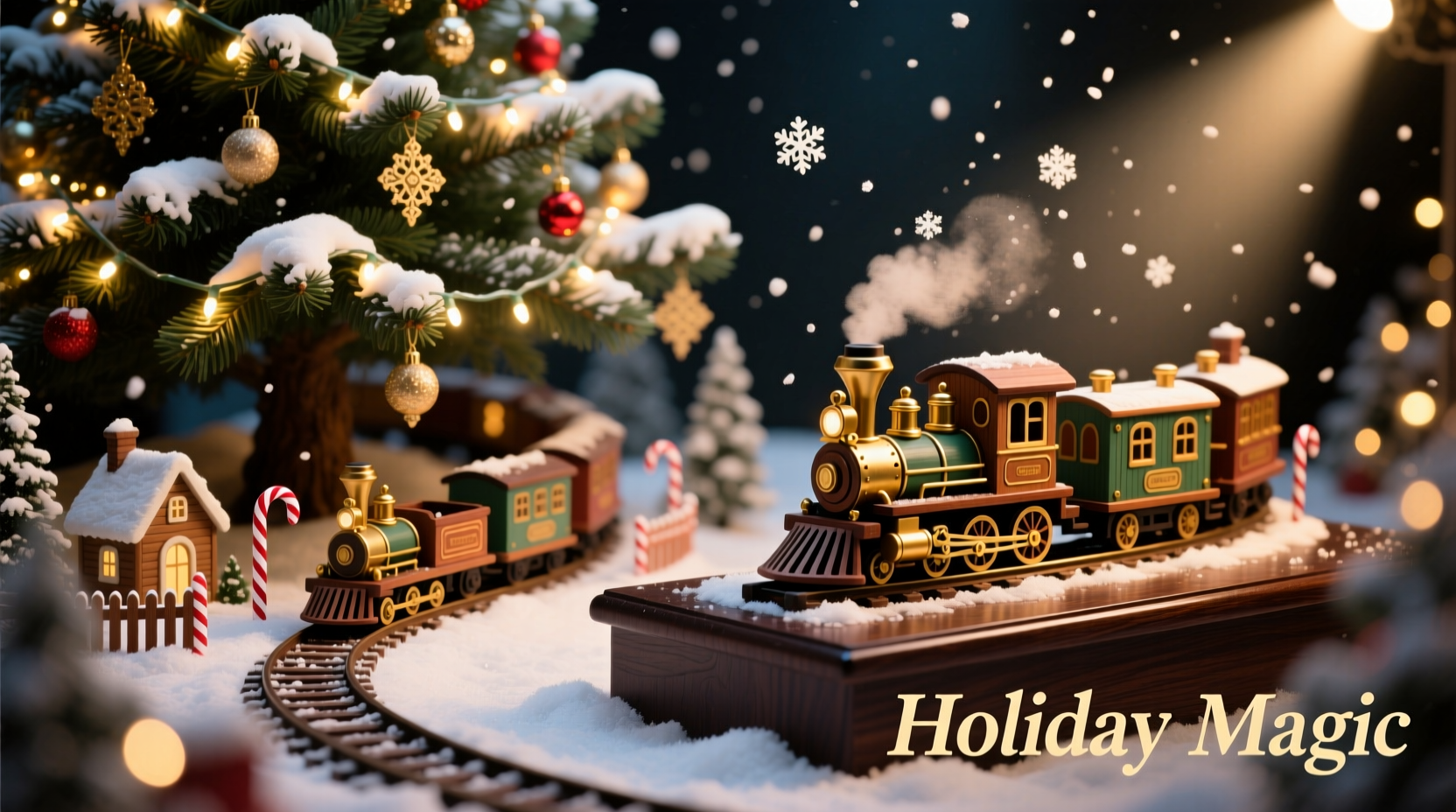
Placing a train set beneath the Christmas tree is a classic American holiday tradition, rooted in postwar suburban culture when electric model trains became affordable and widespread. This setup evokes nostalgia, often associated with childhood memories and intergenerational celebrations. The tree acts as a natural canopy, framing the train like a spotlighted stage.
When properly designed, an under-tree layout integrates seamlessly with other decorations. Gifts wrapped in red and green paper become part of the scenery. Tinsel mimics frost on miniature trees. Ornaments can dangle low enough to suggest treetops in a winter forest. With careful planning, the entire base of the tree transforms into a cohesive winter wonderland.
Tip: Use battery-powered LED tea lights or small fiber-optic trees around the track to enhance depth without creating heat near plastic components.However, space constraints are a real challenge. Most standard trees leave only 3–4 feet of clear floor space around the trunk—barely enough for a basic oval loop. Complex track configurations like figure-eights or multi-level designs rarely fit. Additionally, falling pine needles and sap can interfere with track conductivity and motor performance.
To maximize success under the tree:
- Choose a compact O-gauge or S-gauge starter set with minimal clearance needs.
- Elevate the track slightly using foam risers or thin wooden platforms to avoid debris contact.
- Avoid placing heavy gifts directly on or near the track.
- Use a skirtless tree or a custom tree collar that allows visibility around the base.
Standalone Layouts: Freedom, Scale, and Storytelling
For enthusiasts who want more creative control, a standalone train display offers unmatched flexibility. Freed from the spatial limits of a tree skirt, these layouts can sprawl across dining tables, hall consoles, or dedicated rooms. They allow for intricate detailing: tunnels carved into artificial mountains, working signals, animated figures, and even synchronized lighting effects timed to music.
One homeowner in Portland, Oregon, converted a spare bedroom into a seasonal “North Pole Express Room,” featuring a G-scale train circling a 6x10-foot layout complete with a rotating Ferris wheel, a snow-blanketed ski lodge, and a miniature town square with blinking streetlights. Guests enter through a faux-ice archway, instantly immersed in a whimsical world.
“Model railroading at Christmas is less about precision engineering and more about emotional resonance. The best displays tell stories.” — Daniel Reeves, Curator of Holiday Collections at the National Toy Museum
Standalone setups also accommodate larger scales like G or O gauge, which are easier to maintain and more visible from a distance. These models often feature realistic smoke effects, authentic whistle sounds, and remote-controlled speed adjustments—features that elevate the experience beyond passive viewing.
Design Principles for Standalone Success
A compelling standalone layout balances realism with holiday cheer. Consider these elements:
- Narrative Flow: Design a journey. Start at a bustling city station, move through a snowy countryside, pass a toy workshop, and end at Santa’s village.
- Layered Lighting: Combine warm white LEDs for buildings, cool blue for snowfields, and colored bulbs for signage. Dimmers allow mood shifts throughout the evening.
- Interactive Zones: Add push-button triggers for sound effects (carolers, reindeer bells) or moving parts (a turning windmill, opening garage doors).
- Seasonal Integration: Weave in traditional décor—mini wreaths on station walls, tiny presents stacked at depots, or a gingerbread house beside the tracks.
Comparing Both Approaches: Key Decision Factors
Choosing between under-tree and standalone isn’t just about preference—it’s a practical decision shaped by several factors. The table below outlines critical considerations:
| Factor | Under Tree | Standalone |
|---|---|---|
| Space Required | Low (fits within tree footprint) | High (needs dedicated surface or room) |
| Setup Time | Short (1–2 hours) | Moderate to long (several days for complex builds) |
| Visual Impact | Warm, intimate, nostalgic | Dramatic, immersive, theatrical |
| Child Accessibility | High (easy to view at floor level) | Variable (can be elevated or roped off) |
| Maintenance Needs | Moderate (clean debris daily) | Low (controlled environment) |
| Scalability | Low (limited by space) | High (expandable over time) |
| Ideal For | Families with young kids, traditionalists, small spaces | Enthusiasts, collectors, homes with extra space |
Hybrid Solutions: Best of Both Worlds
You don’t have to choose one or the other. Some homeowners blend both concepts creatively. Imagine a train emerging from beneath the tree, passing through a tunnel made of stacked gift boxes, then continuing onto a tabletop extension that loops around photo frames and candle displays. This hybrid approach maintains tradition while expanding narrative possibilities.
Another option: use the tree base for a simple, child-friendly loop with bright colors and musical cars, while placing a more detailed, adult-oriented layout elsewhere in the room. This dual-layer strategy caters to different audiences—kids enjoy the accessible under-tree action, while guests admire the craftsmanship of the main display.
Step-by-Step Guide to Building a Hybrid Display
- Assess Available Space: Measure the area under the tree and adjacent surfaces. Ensure at least 6 inches of clearance between track and furniture.
- Select Compatible Track Systems: Use the same scale and brand for seamless transitions. Avoid mixing voltages or gauges.
- Plan the Route: Sketch a path that starts under the tree and extends outward. Include curves with wide radii to prevent derailments.
- Build Elevated Sections: Use risers or books to bridge gaps between floor and table. Cover supports with fake rocks or gift-wrapped boxes.
- Test Before Decorating: Run the train for 30 minutes to check connections, power delivery, and smooth operation.
- Add Themed Elements: Place miniature snowmen along the route, position tiny shoppers near crossings, and install flickering lanterns.
- Secure Loose Wires: Tape cords flat against baseboards. Use cord covers painted white to resemble icy paths.
Common Pitfalls to Avoid
Even experienced decorators make mistakes that diminish the train’s appeal. Here’s what to watch for:
- Overcrowding: Too many buildings or figurines block views and disrupt flow. Leave open spaces to suggest vast winter landscapes.
- Poor Lighting Balance: Over-bright LEDs overpower subtle details. Use diffusers or lower-lumen bulbs inside structures.
- Ignoring Power Sources: Extension cords trailing across walkways are tripping hazards. Use floor-level outlets or recessed power strips.
- Static Displays: A train running in a plain oval feels repetitive. Introduce variety with sidings, turntables, or automated switching.
- Delayed Setup: Waiting until December 20th leaves little time for troubleshooting. Begin assembly by early December.
FAQ: Your Top Questions Answered
Can I run my train every day during the holidays?
Yes, most modern electric trains are designed for extended use. However, limit continuous operation to 8–10 hours per day to prevent motor overheating. Allow cooldown periods, especially in enclosed spaces.
What if I have pets or toddlers?
Under-tree layouts pose choking hazards from small parts. If safety is a concern, elevate the entire display onto a sturdy table or use a clear acrylic barrier. For pets, consider motion-activated deterrents or temporary fencing.
How do I store my train set after the holidays?
Disassemble carefully. Wrap locomotives in acid-free tissue and store in original boxes. Coils of track should be loosely arranged in bins with dividers. Keep everything in a climate-controlled area away from attics or basements.
Final Checklist: Building an Impressive Train Display
- ✅ Choose a consistent theme (e.g., alpine village, urban holiday scene)
- ✅ Match train scale to available space
- ✅ Test all electrical components before final placement
- ✅ Incorporate at least three types of lighting (ambient, building, accent)
- ✅ Add movement beyond the train (rotating trees, animated figures)
- ✅ Plan for easy access to power sources
- ✅ Schedule setup time at least two weeks before Christmas
- ✅ Take photos for reference during disassembly
Conclusion: Let Your Train Tell a Story
Whether nestled beneath the boughs of a fragrant fir or commanding attention on its own grand stage, a Christmas train set has the power to captivate. It moves—not just along rails, but through memory, imagination, and shared moments. The under-tree layout honors tradition and intimacy; the standalone display celebrates creativity and craftsmanship. And when thoughtfully executed, either—or both—can become the heart of your holiday home.
Don’t aim merely to decorate. Aim to enchant. Let your train carry more than cargo: let it transport everyone who sees it back to a place of wonder. Start planning now, experiment fearlessly, and this year, give your family the gift of motion, magic, and meaningful tradition.
💬 Share your favorite train display idea or photo in the comments—inspire others to build something unforgettable this season!








