In an era defined by minimalism and sleek, functional design, it’s surprising—yet telling—that more and more homes are embracing the ornate charm of Chinoiserie pillows. These intricately patterned, historically inspired cushions are showing up on sofas, beds, and even outdoor lounges, often nestled beside their ultra-modern counterparts. The contrast isn’t accidental. It reflects a deeper cultural shift: a yearning for storytelling, craftsmanship, and emotional resonance in spaces that once prioritized sterility over soul.
But what exactly is driving this revival? And how do Chinoiserie pillows differ from today’s minimalist modern designs? More importantly, can these two seemingly opposing styles coexist—or even enhance one another?
What Defines Chinoiserie Pillows?
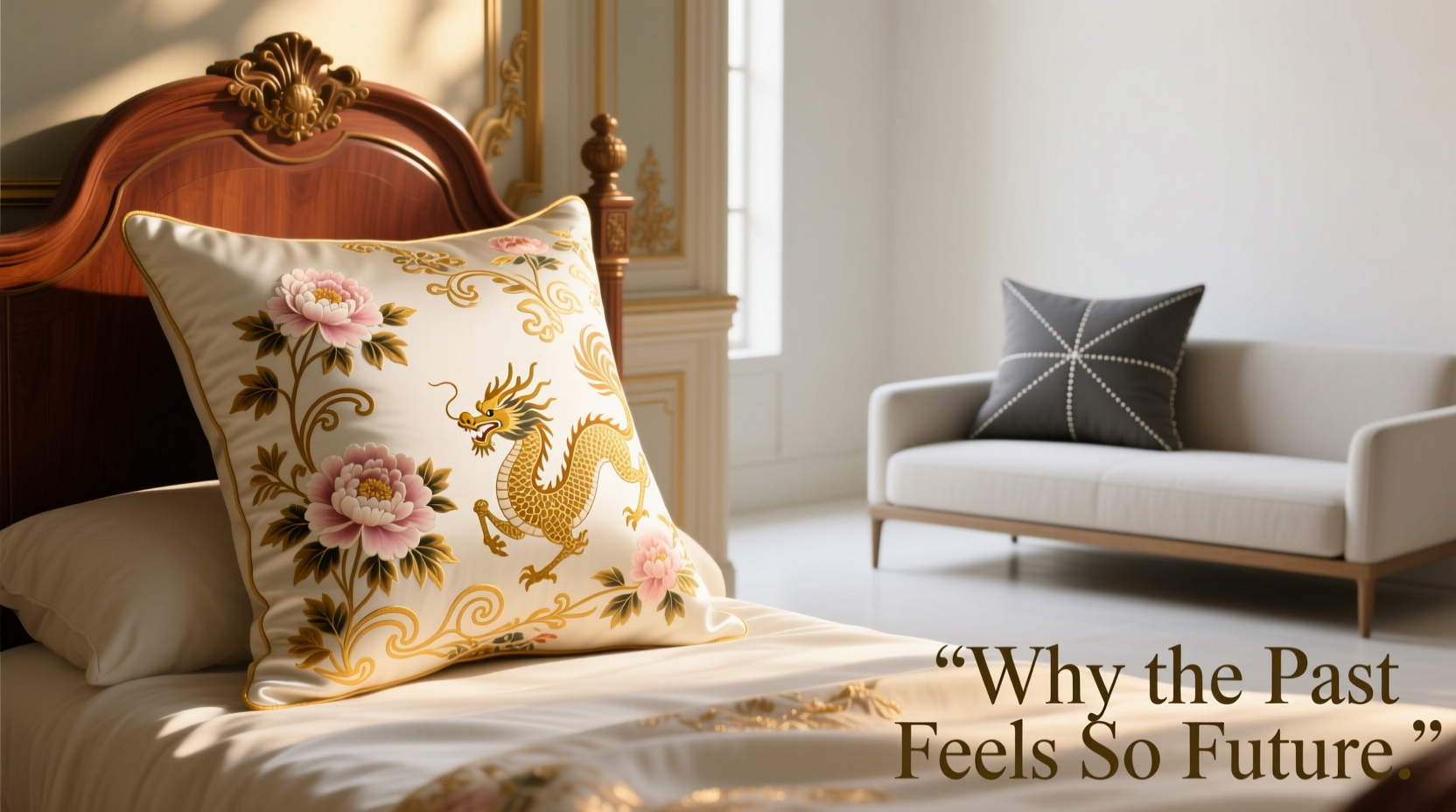
Chinoiserie—a French term meaning “Chinese-esque”—refers to a European interpretation of Chinese and East Asian artistic traditions, popularized in the 17th and 18th centuries. It emerged during a time when trade with Asia introduced exotic goods, textiles, and aesthetics to Western Europe. Designers and aristocrats, captivated by the mystery and beauty of the East, began reimagining Eastern motifs through a romantic, fantastical lens.
Chinoiserie pillows today reflect this legacy. They typically feature:
- Hand-painted or printed scenes of pagodas, bamboo groves, birds, and figures in traditional dress
- Vibrant yet balanced color palettes—deep cobalt blues, sage greens, crimson reds, and gold accents
- Intricate detailing, often bordered with delicate scrollwork or floral patterns
- Fabrics like silk, velvet, or cotton-linen blends with a tactile richness
These pillows aren’t just decorative; they’re conversation pieces. Each carries a sense of narrative, history, and artistry that transcends mere utility.
Tip: When styling Chinoiserie pillows, pair them with neutral textures like linen or wool to let their intricate details stand out without overwhelming the space.Modern Pillows: Function Meets Minimal Aesthetic
In contrast, modern pillows prioritize simplicity, comfort, and cohesion within a streamlined interior. Born from mid-century modernism and amplified by Scandinavian and Japanese design principles, these pillows favor:
- Solid colors or subtle geometric patterns
- Clean lines and understated textures
- Performance fabrics—stain-resistant, washable, durable
- Ergonomic shapes designed for support rather than ornamentation
They serve a clear purpose: enhancing comfort while maintaining visual calm. In a world saturated with digital noise, modern pillows offer a form of sensory relief—quiet, ordered, and unobtrusive.
Yet, for all their practicality, they often lack the emotional depth that comes with historical reference or artisanal detail. This may be precisely why Chinoiserie is resurging—not as a rejection of modern design, but as a necessary counterbalance.
Why the Sudden Obsession with Old-World Aesthetics?
The return of Chinoiserie isn’t isolated. It’s part of a broader trend toward \"maximalist nostalgia\"—a desire to surround ourselves with objects that feel meaningful, personal, and timeless. Interior designer Clara Nguyen observes:
“People are tired of cookie-cutter interiors. After years of beige walls and IKEA catalogs, they want spaces that reflect who they are. Chinoiserie offers drama, heritage, and a touch of whimsy—all things modern design often suppresses.” — Clara Nguyen, Principal Designer at Atelier Lumière
Several cultural forces are fueling this shift:
- Pandemic-Era Reevaluation: Lockdowns forced people to spend more time at home, prompting a deeper connection to personal spaces. Homes became sanctuaries, not just shelters.
- Social Media Influence: Platforms like Instagram and Pinterest celebrate unique, photogenic interiors. A single Chinoiserie pillow can become the focal point of a viral post.
- Slow Living Movement: There’s growing interest in craftsmanship, sustainability, and heirloom-quality items—values embedded in Chinoiserie’s handcrafted origins.
- Global Fusion Trends: As cultures blend, so do aesthetics. Chinoiserie, though historically Eurocentric, now resonates with audiences seeking cross-cultural elegance.
Case Study: The Brooklyn Brownstone Revival
Take Sarah Lin, a graphic designer in Brooklyn, who recently renovated her 1902 brownstone. She opted for a mostly modern layout—open kitchen, matte black fixtures, light oak floors—but deliberately chose a set of vintage-style Chinoiserie pillows for her living room sofa.
“I wanted the space to feel clean and current,” she explains, “but also warm and lived-in. The moment I added those blue-and-gold pillows with the cranes and cherry blossoms, the room came alive. My friends always comment on them. They’re not just decor—they feel like part of a story.”
Her approach exemplifies the new design ethos: balance. Modern structure provides clarity; Chinoiserie adds soul.
Chinoiserie vs. Modern Pillows: A Practical Comparison
| Feature | Chinoiserie Pillows | Modern Pillows |
|---|---|---|
| Aesthetic Focus | Ornamental, narrative-driven, historic | Minimal, functional, cohesive |
| Common Materials | Silk, velvet, brocade, cotton-linen blends | Polyester, microfiber, performance fabric |
| Color & Pattern | Rich hues, detailed illustrations, asymmetry | Neutrals, solids, subtle geometrics |
| Durability | Moderate (often dry-clean only) | High (machine-washable, fade-resistant) |
| Emotional Impact | Evokes wonder, luxury, storytelling | Calming, orderly, serene |
| Best For | Accent pieces, formal seating, statement decor | Daily use, family rooms, high-traffic areas |
How to Blend Chinoiserie and Modern Styles Successfully
The key to integrating Chinoiserie pillows into a modern space lies in intentionality. Here’s a step-by-step guide to achieving harmony:
- Start with a Neutral Base: Use modern furniture in soft grays, whites, or taupes to create a calm backdrop.
- Choose One Focal Pillow: Select a single Chinoiserie pillow as the centerpiece. Avoid overcrowding.
- Repeat One Color: Pull out a secondary color from the Chinoiserie design (e.g., gold or deep green) and echo it in a nearby throw, vase, or artwork.
- Balance Textures: Pair the smooth silk of a Chinoiserie pillow with a nubby wool throw or a leather armchair for contrast.
- Limit Quantity: Stick to one or two Chinoiserie pillows per seating area. Too many can feel cluttered or costumey.
Checklist: Styling Chinoiserie Pillows Like a Pro
- ☐ Assess your room’s existing color palette
- ☐ Identify a natural focal point (e.g., sofa, reading nook)
- ☐ Choose a Chinoiserie pillow with at least one color that complements your space
- ☐ Layer with a plain lumbar pillow or textured throw for contrast
- ☐ Style asymmetrically—one bold pillow on one end of the couch
- ☐ Keep surrounding decor simple to avoid visual competition
Frequently Asked Questions
Are Chinoiserie pillows outdated or culturally insensitive?
While Chinoiserie has roots in colonial-era romanticization, today’s designers are reinterpreting it with greater cultural awareness. Many brands now collaborate with Asian artists or source authentic patterns respectfully. When chosen thoughtfully, Chinoiserie can celebrate cross-cultural beauty without appropriation.
Can I mix Chinoiserie pillows with mid-century modern furniture?
Absolutely. The clean lines of mid-century pieces provide the perfect foil for the ornate detail of Chinoiserie. Try pairing a teak sofa with a cobalt-blue Chinoiserie pillow featuring golden phoenixes—it creates a striking dialogue between eras.
How do I care for Chinoiserie pillows?
Most require gentle handling. Check labels carefully—many are dry-clean only. Use a fabric protector spray to guard against spills, and store them flat or upright (never folded) when not in use to preserve shape and print integrity.
Conclusion: Embrace the Past to Elevate the Present
The resurgence of Chinoiserie pillows isn’t a passing fad—it’s a reflection of our collective craving for depth, beauty, and individuality in design. While modern pillows excel in comfort and practicality, Chinoiserie brings imagination, history, and artistry back into the home.
You don’t have to choose one over the other. The most compelling interiors today are those that blend the best of both worlds: the clarity of modern design with the soulfulness of old-world elegance. By thoughtfully incorporating Chinoiserie pillows into your space, you’re not just following a trend—you’re curating an environment rich with meaning, memory, and personal expression.
💬 Have a favorite Chinoiserie piece in your home? Share how you styled it—or what stopped you from trying it—in the comments below!








