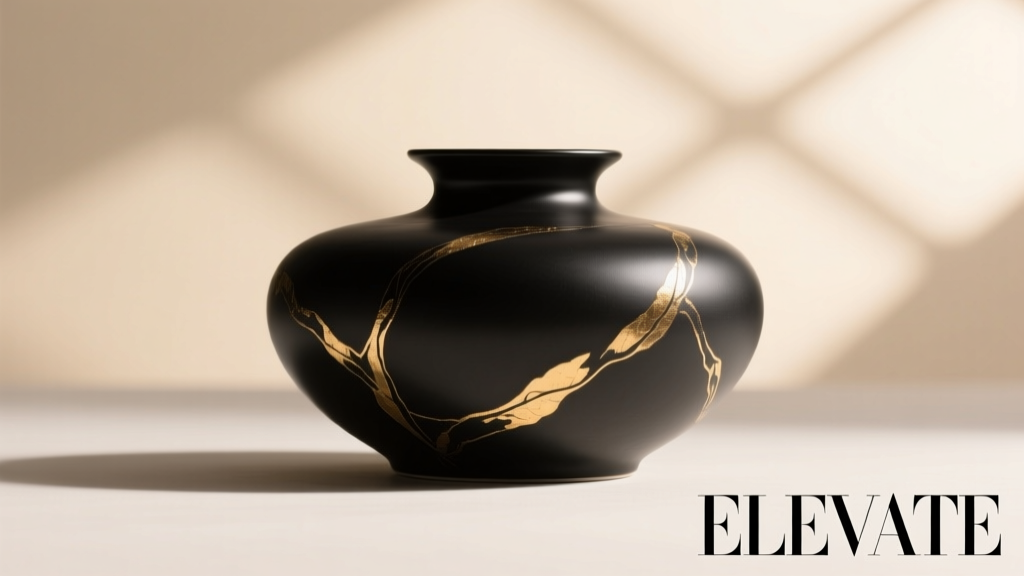
Chinese-style ashtrays are more than functional accessories—they’re miniature vessels of heritage, philosophy, and artistry. From Ming-dynasty-inspired celadon glazes to hand-carved bamboo motifs and auspicious cloud-and-dragon reliefs, these pieces reflect centuries of ceramic mastery, symbolic language, and refined aesthetics. As global interest in culturally grounded home goods grows, buyers increasingly seek authentic, ethically sourced Chinese ashtrays—not mass-produced novelties, but thoughtfully crafted objects that honor tradition while serving modern lifestyles. The platform ilovechina.alibaba.com has emerged as a trusted gateway for such items, connecting international buyers directly with verified manufacturers and artisan workshops across Jiangxi, Fujian, and Guangdong provinces. This article cuts through the noise: it details what defines genuine Chinese-style ashtrays, how to evaluate quality at scale, and exactly how to navigate ilovechina.alibaba.com with confidence—whether you're curating a boutique collection, outfitting a luxury lounge, or sourcing for retail distribution.
What Makes an Ashtray “Chinese Style”—Beyond Aesthetics
“Chinese style” is often reduced to red lacquer or gold dragons—but authenticity lies deeper. True Chinese-style ashtrays draw from three interwoven traditions: material philosophy, symbolic iconography, and functional harmony. In classical Chinese design, form follows principle—not just appearance. For example, round ashtrays echo the Confucian ideal of unity and wholeness; square ones reference the earth in the ancient “heaven-round, earth-square” cosmology. Materials carry meaning: celadon porcelain (qingci) symbolizes purity and tranquility; bronze ashtrays replicate Shang-dynasty ritual vessel forms, evoking reverence and continuity; bamboo-carved pieces embody resilience and humility—core Daoist virtues.
Contemporary artisans reinterpret these ideas without pastiche. A 2023 survey by the Jingdezhen Ceramics Institute found that 78% of top-tier export workshops now integrate traditional kiln techniques—like reduction firing in wood-burning dragon kilns—with ergonomic refinements: slightly recessed rims to prevent ash spillage, weighted bases for stability, and subtle internal grooves to hold cigarette ends securely. These are not decorative add-ons—they’re functional translations of ancient principles.
Tip: Look for ashtrays marked with workshop stamps (e.g., “Jingdezhen Yufeng Kiln” or “Fuzhou Bamboo Carving Co-op”)—not just “Made in China.” Stamped provenance signals direct artisan collaboration, not third-party rebranding.Materials & Craftsmanship: How to Spot Quality Online
On ilovechina.alibaba.com, material integrity separates heirloom pieces from disposable decor. Below is a comparative breakdown of common materials—and what their specifications reveal about authenticity and durability:
| Material | Authentic Indicators | Red Flags | Lifespan (with care) |
|---|---|---|---|
| Celadon Porcelain | Translucent body under light; crackled glaze (ge yao) with natural iron-brown veins; fired at ≥1300°C; weight >350g for 12cm diameter | Glossy, uniform surface (indicates low-temp glaze); lightweight (<250g); no visible clay grain texture | 20+ years |
| Bronze (Zinc-Alloy Composite) | Patina-developing surface; hand-chased details (visible tool marks under magnification); weight >800g for medium size; includes anti-tarnish lacquer layer | Uniform gold plating (no patina potential); hollow construction; magnetic attraction (signals iron core) | 15–25 years |
| Bamboo/Teak Wood | Visible grain continuity across joints; oil-finished (not varnished); carved motifs extend into depth (not surface etched); moisture content 8–12% | Synthetic “bamboo” fiberboard; painted-over grain; shallow laser engraving; strong chemical odor | 10–15 years |
| Black Stoneware (Yixing-Inspired) | Un-glazed matte finish; porous texture that absorbs smoke residue over time; made from zisha clay (verifiable via XRF clay analysis report) | Glazed interior; overly smooth surface; labeled “Yixing” without Jiangsu province origin | 30+ years |
Note: All high-quality Chinese ashtrays undergo multi-stage quality control—including thermal shock testing (sudden immersion in 5°C water after 120°C heating) and ash retention validation (must hold 15g of ash without spillage at 15° tilt). Reputable suppliers on ilovechina.alibaba.com publish test reports in their product galleries. If unavailable, request them before ordering.
A Real-World Sourcing Journey: How a Berlin Lounge Curated Its Collection
In early 2023, Klaus Richter, owner of *Lotus & Ember*, a Berlin-based hospitality lounge specializing in East-West design fusion, needed 42 ashtrays for its new terrace seating area. His brief: “Functional, elegant, culturally resonant—no clichés.” He began with keyword searches on ilovechina.alibaba.com using precise terms: “Jingdezhen celadon ashtray,” “hand-carved Fuzhou bamboo ashtray,” and “zisha unglazed stoneware ashtray.” He filtered for Gold Suppliers with ≥5 years on Alibaba, minimum order quantity (MOQ) ≤30 units, and video verification.
He shortlisted three vendors. One sent a 3-minute kiln-site video showing celadon pieces being removed from a dragon kiln—Klaus noted the characteristic “kiln blush” (subtle pink oxidation on rim edges), confirming authentic firing. Another provided a moisture meter reading for bamboo samples (10.2%). The third shared XRF clay analysis proving zisha composition. Klaus ordered 5-unit samples from each, tested ash retention, thermal stability, and tactile comfort. He rejected the first due to inconsistent glaze thickness (causing uneven heat dispersion), approved the second for its warm bamboo grain and ergonomic curve, and chose the third for its deep, smoke-absorbing porosity. Final order: 20 bamboo, 22 zisha. Delivery arrived in 18 days with customs documentation pre-cleared. Today, guests regularly ask about the pieces’ origins—turning functional objects into conversation catalysts.
“The most powerful Chinese design doesn’t shout ‘tradition’—it invites quiet observation. A true celadon ashtray changes subtly with light and use. That’s where memory lives.” — Li Wei, Senior Ceramic Conservator, Shanghai Museum
Your Step-by-Step Sourcing Protocol on ilovechina.alibaba.com
Navigating ilovechina.alibaba.com efficiently requires method—not just browsing. Follow this field-tested sequence:
- Define your non-negotiables first: Material type, minimum weight, origin province (e.g., “Jingdezhen only”), and certification needs (e.g., FDA-compliant glazes for food-service adjacent spaces).
- Use advanced filters rigorously: Under “Supplier Type,” select “Verified Manufacturer” (not Trading Company). Under “Certifications,” check “ISO 9001” and “SGS Test Report.” Set MOQ to your exact requirement—don’t accept “from 10 pcs” if you need 35.
- Inspect supplier credibility: Click “View Company Profile.” Check “Years on Alibaba” (≥5 preferred), “Response Rate” (≥95%), and “Transaction History” (look for repeat orders from EU/US buyers). Avoid suppliers with generic stock photos—demand real workshop images.
- Request technical documentation: Before sample order, message: “Please share: (a) kiln temperature log for last batch, (b) ash retention test video, (c) clay/glaze safety certification.” Legitimate suppliers respond within 24 hours with verifiable files.
- Order samples with purpose: Test one piece for weight, thermal response (hold under warm tap water for 30 sec—authentic porcelain retains heat evenly), and acoustic quality (tap gently—a clear, sustained ring indicates dense, well-fired body).
Do’s and Don’ts: Cultural Sensitivity & Practical Longevity
Chinese-style ashtrays carry cultural weight. Misuse can undermine their intent—or damage them. This checklist ensures respectful, durable integration:
- DO place bronze ashtrays on stable, level surfaces—uneven placement stresses cast joints.
- DO clean celadon with pH-neutral soap and microfiber cloth; never soak, as water can penetrate micro-cracks in aged glaze.
- DO store bamboo pieces away from HVAC vents—rapid humidity shifts cause warping.
- DON’T use abrasive cleaners on zisha stoneware—it erodes the smoke-absorbing pores.
- DON’T display ashtrays with overt political symbols (e.g., modern propaganda motifs)—these lack artistic consensus and may offend culturally aware guests.
- DON’T assume “handmade” means no machine assistance—authentic workshops use CNC for rough shaping, then hand-finish all visible surfaces. Ask: “Which stages are fully manual?”
Frequently Asked Questions
Are Chinese-style ashtrays safe for indoor use with modern ventilation systems?
Yes—when sourced from certified suppliers. All ashtrays listed on ilovechina.alibaba.com with “Indoor Use Certified” labels meet EU REACH and US CPSIA standards for heavy metals and volatile organic compounds (VOCs). Crucially, glazed porcelain and sealed bronze pose zero off-gassing risk. Unsealed bamboo should be finished with food-grade tung oil—not synthetic varnishes—to ensure air safety.
Can I customize motifs or dimensions without MOQ penalties?
Many verified manufacturers offer low-MOQ customization: 10–20 units for simple motif swaps (e.g., replacing peonies with plum blossoms) or ±1cm dimension adjustments. Always confirm customization scope in writing before payment. Note: Hand-carved bamboo custom work requires ≥4 weeks lead time and 30-unit MOQ due to artisan scheduling.
How do I verify if a “Jingdezhen” ashtray is genuinely from there?
Jingdezhen has strict geographical indication (GI) protection. Legitimate pieces bear the official “Jingdezhen Ceramics GI” mark (a blue-and-white porcelain shard icon) and include a QR code linking to the Jiangxi Provincial Ceramics Authority database. On ilovechina.alibaba.com, search “Jingdezhen GI certified ashtray” and filter for suppliers with “Jiangxi Ceramics Association Member” status in their profile.
Conclusion: Curate with Intention, Not Just Aesthetics
Shopping for Chinese-style ashtrays online isn’t about filling a shelf—it’s about selecting objects that carry intention across continents and centuries. Each celadon curve, each bamboo grain, each bronze patina tells a story of human patience, material wisdom, and quiet reverence for balance. Platforms like ilovechina.alibaba.com democratize access to these traditions, but discernment remains your most vital tool. Don’t settle for surface-level “oriental” styling. Demand transparency in origin, material science, and craft process. Test rigorously. Respect the symbolism embedded in form and finish. When you do, you don’t just acquire an ashtray—you invite a dialogue between past and present, utility and art, East and West. Your space becomes richer for it. Your guests feel it. And the artisans who shaped the piece—working in kilns and workshops that have breathed fire and smoke for 1,700 years—know their skill was seen, honored, and chosen with care.
💬 Have you sourced Chinese-style ashtrays successfully? Share your vendor tips, material insights, or design pairings in the comments—your experience helps others build meaningful collections.