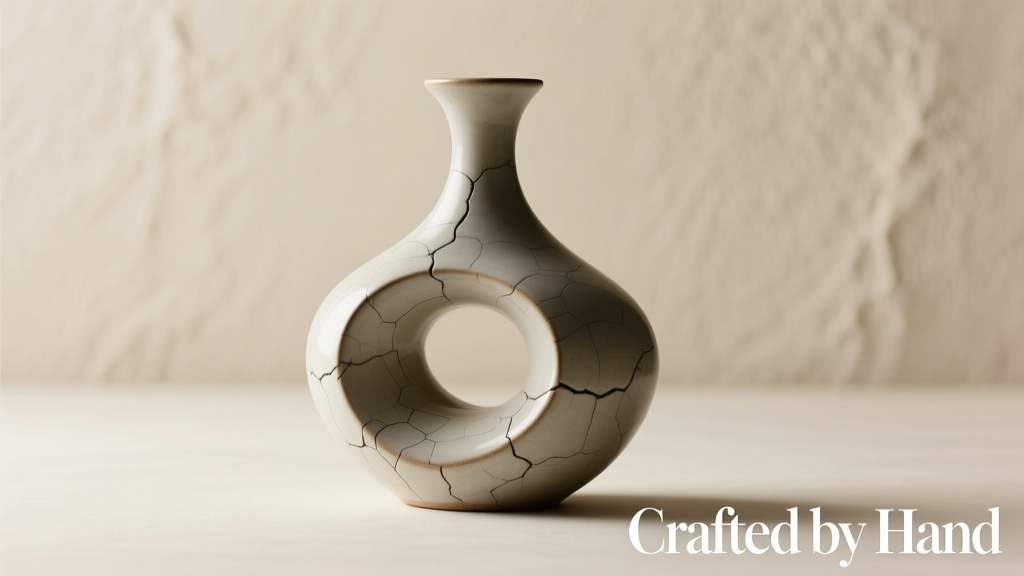
Types of China-Decorated Aroma Humidifiers
A China-decorated aroma humidifier is an elegant electronic device that enhances indoor air quality by releasing a fine mist infused with essential oils, creating a soothing and aromatic atmosphere. Beyond its functional benefits—such as improving moisture levels and promoting relaxation—these humidifiers are prized for their artistic designs, often featuring traditional Chinese motifs like porcelain finishes, hand-painted patterns, and oriental craftsmanship, making them attractive decorative pieces for homes, offices, and wellness spaces.
Available in various technologies, each type of aroma humidifier offers unique advantages in terms of performance, safety, noise level, and ease of maintenance. Below is a detailed breakdown of the most common types found in modern China-style decorative models.
Ultrasonic Humidifiers
Utilize high-frequency sound vibrations to break water into micro-droplets, producing a cool, fine mist. Most China-decorated models use this technology due to its quiet operation and compatibility with essential oils.
Advantages
- Nearly silent operation
- Energy efficient
- Can diffuse essential oils effectively
- Creates a soft, visible mist ideal for ambiance
- Compact and stylish design options
Limitations
- Requires distilled water to prevent white dust
- Regular cleaning needed to prevent mold
- Sensitive to hard water minerals
Best for: Bedrooms, living rooms, yoga studios, and spaces where quietness and aesthetics matter
Evaporative Humidifiers
Use a fan to draw air through a wet wick or filter, naturally evaporating water into the air. This self-regulating process prevents over-humidification.
Advantages
- Automatic humidity regulation
- No white dust regardless of water type
- Lower risk of over-humidifying
- Effective for larger rooms
- Inherently hygienic due to wick filtration
Limitations
- Noticeable fan noise
- Wick filters require periodic replacement
- Larger size may not suit decorative placement
- Less compatible with essential oils (can damage wick)
Best for: Larger spaces, allergy sufferers, homes needing consistent humidity control
Steam Vaporizers
Boil water to produce warm steam, which is released into the air. The heating process kills bacteria and mold, offering a germ-free mist.
Advantages
- Disinfects water during use
- No need for frequent deep cleaning
- Safe for use with tap water
- Provides warm moisture, soothing in cold weather
Limitations
- Higher energy consumption
- Hot surfaces pose burn risks
- Not ideal for homes with children or pets
- Generally noisier due to boiling sounds
Best for: Use during cold/flu season, bathrooms, and short-term therapeutic use
Impeller Humidifiers
Use a rotating disk (impeller) to fling water at a diffuser, which breaks it into fine droplets released as cool mist. Common in kid-friendly or budget-friendly decorative units.
Advantages
- Safe cool mist output
- No heating elements (child-safe)
- Low-cost operation
- Simple mechanical design
Limitations
- Can produce splashing if not properly designed
- May require distilled water to avoid mineral buildup
- Limited aroma diffusion capability
- Less efficient in large spaces
Best for: Children's rooms, nurseries, and small spaces needing safe, cool mist
Traditional (Legacy) Humidifiers
Refer to older or basic models that use simple mechanisms to increase air moisture. While less technologically advanced, they remain popular for their durability and ease of use.
Advantages
- Simple to operate and maintain
- Sturdy construction
- Lower price point
- Fewer electronic components to fail
Limitations
- Less precise humidity control
- Limited or no essential oil compatibility
- Often bulkier and less stylish
- May lack modern safety features
Best for: Basic humidification needs, budget-conscious buyers, secondary rooms
Hybrid Humidifiers
Combine two or more technologies (e.g., ultrasonic + evaporative or smart sensors with aroma diffusion) to offer enhanced performance, versatility, and user control.
Advantages
- Adaptive performance in various environments
- Advanced features like auto-humidity sensing
- Superior aroma diffusion systems
- Often include LED lighting, timers, and remote controls
Limitations
- Higher purchase cost
- More complex maintenance
- Potential compatibility issues with water types
- May require regular software/firmware updates (smart models)
Best for: Tech-savvy users, luxury interiors, multi-functional wellness environments
| Type | Noise Level | Energy Use | Aroma Support | Best For |
|---|---|---|---|---|
| Ultrasonic | Very Low | Low | Excellent | Bedrooms, decor-focused spaces |
| Evaporative | Moderate | Medium | Fair (may damage wick) | Allergy relief, large rooms |
| Steam Vaporizer | Low-Moderate | High | Good (heat-safe oils) | Cold season, germ-sensitive areas |
| Impeller | Low | Low | Fair | Children’s rooms, safety-focused use |
| Traditional | Variable | Medium | Poor | Basic humidification, budget use |
| Hybrid | Low | Medium | Excellent | Luxury, smart homes, multi-functional use |
Expert Tip: For China-decorated aroma humidifiers, especially ultrasonic models, always use distilled water and clean the tank daily to preserve the intricate design and prevent mineral buildup that can clog the nebulizer and dull the appearance over time.
Features of China Decoration Aroma Humidifier
China decoration aroma humidifiers combine functionality with elegant design, making them popular choices for homes, offices, and wellness spaces. These devices not only improve indoor air quality by adding moisture but also enhance ambiance through fragrance diffusion and aesthetic lighting. Below is a detailed breakdown of the key features commonly found in modern aroma humidifiers manufactured in China.
Core Functional Features
Oscillating or Fixed Nozzle Design
Most aroma humidifiers come with either oscillating or fixed mist nozzles. Oscillating models rotate the mist output across a wide angle (typically 30°–60°), ensuring even distribution of moisture and fragrance throughout the room. This is ideal for larger spaces where consistent humidity is desired.
Fixed nozzle models emit a steady stream in one direction, offering targeted humidification—perfect for bedside use or small rooms. While less versatile, fixed nozzles are often quieter and more energy-efficient.
Vapor & Aroma Diffusing Technology
These humidifiers utilize ultrasonic nebulization to create a fine, cool mist that carries both water vapor and essential oil aromas into the air. The integration of an aroma tray or dedicated oil pad allows users to add natural essential oils such as lavender, eucalyptus, or citrus for aromatherapy benefits.
This dual functionality supports respiratory health, stress reduction, and mood enhancement, transforming the device into a holistic wellness tool beyond simple humidification.
Automatic Humidity Sensing (Smart Mode)
Advanced models feature built-in hygrometers that continuously monitor ambient humidity levels. When the air reaches the desired humidity (usually between 40%–60%), the humidifier automatically reduces or stops mist output to prevent over-humidification.
This intelligent control improves energy efficiency, prolongs water tank life, and maintains optimal indoor air quality—especially beneficial in climates with fluctuating humidity or during seasonal changes.
Water Tank Capacity & Runtime
Water tank size directly impacts operational duration. Standard models typically have 200ml to 500ml capacities, providing 6–12 hours of continuous use. Larger premium units may hold up to 800ml or more, suitable for all-night operation or spacious rooms.
Tanks are often detachable and wide-necked for easy filling and cleaning. Some include water level indicators to prevent dry running and ensure safe operation.
Design & User Experience Features
Quiet Operation (Low Sound Levels)
Designed for use during sleep or concentration, most China-made aroma humidifiers operate at noise levels below 35 dB—comparable to a whisper. The ultrasonic technology ensures silent performance, making them ideal for bedrooms, nurseries, and offices.
Lower vibration components and insulated bases further reduce operational noise, contributing to a peaceful environment without disruptive humming or gurgling sounds.
LED Light Features & Decorative Design
Many models incorporate multi-color LED lighting with soft, color-changing effects that cycle through the spectrum or allow selection of a single hue. These lights serve both decorative and functional purposes—acting as nightlights or mood enhancers.
The humidifiers are often crafted in artistic ceramic or porcelain styles inspired by traditional Chinese design, featuring motifs like cherry blossoms, dragons, or pagodas. This fusion of modern tech and cultural artistry makes them attractive decorative pieces even when not in use.
| Feature | Benefit | Ideal For |
|---|---|---|
| Oscillating Nozzle | Wider mist coverage | Large rooms, living areas |
| Aroma Diffusion | Stress relief & air purification | Bedrooms, spas, meditation rooms |
| Auto Humidity Control | Energy-efficient, prevents overuse | All climates, smart homes |
| Large Water Tank (500ml+) | Longer runtime, fewer refills | Nurseries, overnight use |
| Color-Changing LEDs | Ambiance enhancement | Decorative spaces, night use |
| Quiet Operation (<35 dB) | Non-disruptive use | Sleeping areas, offices |
Additional Considerations
- Easy Maintenance: Most units are designed for hassle-free cleaning with removable parts and accessible tanks to prevent mold and mineral buildup.
- Auto-Shutoff Safety: Devices automatically power off when water levels are low, protecting internal components and enhancing safety.
- Essential Oil Compatibility: Ensure the model is designed for essential oils—some units may require water-soluble oils or diffuser pads to avoid damage.
- Energy Efficiency: Low power consumption (typically 10–15W) makes these humidifiers cost-effective for daily use.
Important: Always use distilled or demineralized water to reduce mineral dust and extend the lifespan of your humidifier. Avoid overfilling, and clean the unit every 3–5 days to prevent bacterial growth. For best results, pair with high-quality, pure essential oils and follow manufacturer guidelines for usage and maintenance.
How to Choose a China Decoration Aroma Humidifier
Selecting the perfect China decoration aroma humidifier goes beyond functionality—it's about enhancing ambiance, promoting well-being, and complementing interior design. These elegant devices combine essential oil diffusion with moisture control to create soothing environments in homes, offices, and wellness spaces. Understanding key selection criteria ensures you find a model that delivers both aesthetic appeal and optimal performance.
Room Size & Coverage Capacity
The effectiveness of an aroma humidifier depends heavily on matching its output capacity to the room size. Choosing the right scale ensures consistent humidity and fragrance dispersion without overworking the unit.
- Small rooms (10–15 m²): Ideal for bedrooms or home offices; compact models with 100–200 ml tanks provide 4–6 hours of continuous mist
- Medium spaces (15–30 m²): Suitable for living rooms or studios; look for 300–500 ml tanks with adjustable mist settings
- Large areas (30+ m²): Opt for high-capacity humidifiers (500+ ml) with dual nozzles or smart sensors for even coverage
- Consider ceiling height—taller rooms may require stronger output due to increased air volume
Pro tip: For multi-room use, portable models with battery options offer flexibility
Humidifier Type & Technology
Different technologies offer distinct advantages in noise level, maintenance, and air quality. Selecting the right type aligns with your customer’s lifestyle and environmental priorities.
- Ultrasonic: Most popular for quiet operation and fine mist; ideal for bedrooms and meditation spaces; often features LED mood lighting and essential oil compatibility
- Evaporative: Self-regulating humidity output; uses wick filters to prevent over-humidification; excellent for allergy sufferers and long-term use
- Steam (Warm Mist): Boils water before release, killing bacteria and mold; best for cold climates or germ-sensitive environments like nurseries
- Hybrid models: Combine ultrasonic diffusion with aroma trays for enhanced fragrance delivery
Key insight: Ultrasonic models dominate the decorative market due to their sleek designs and whisper-quiet performance
Design & Decor Compatibility
China-made aroma humidifiers are renowned for their artistic craftsmanship, blending traditional motifs with modern minimalism. The design should harmonize with existing décor while serving as a standalone centerpiece.
- Porcelain and ceramic finishes mimic classic Chinese vases, perfect for Zen, feng shui, or Eastern-inspired interiors
- Wood-grain and bamboo accents add warmth to Scandinavian or natural-themed rooms
- Modern geometric shapes in matte white or black suit contemporary urban lofts
- LED color-changing options enhance relaxation and create ambient lighting effects
Style note: Look for hand-painted details or engraved patterns that reflect authentic Chinese artistry
Essential Oil Integration
The aroma function is a key differentiator—many models include dedicated oil trays or diffuser compartments that safely blend fragrance with mist.
- Ensure compatibility with common essential oils (eucalyptus, lavender, tea tree, etc.)
- Models with separate oil chambers prevent residue buildup and extend device life
- Adjustable fragrance intensity controls allow personalized scent experiences
- Some premium units feature timer-based diffusion cycles (e.g., 30 min on / 30 min off)
Wellness benefit: Properly diffused essential oils can support stress reduction, focus, and respiratory comfort
Professional Recommendation: For customers seeking both beauty and function, recommend mid-range ultrasonic humidifiers from reputable Chinese manufacturers that combine elegant porcelain designs with quiet operation and essential oil compatibility. These models typically offer the best balance of aesthetic value, performance, and durability. Always advise regular cleaning to prevent mineral buildup and ensure longevity, especially when using tap water.
| Use Case | Recommended Type | Design Features | Key Benefits |
|---|---|---|---|
| Bedroom / Meditation Space | Ultrasonic with LED lighting | Ceramic vase design, soft glow | Quiet operation, calming ambiance |
| Living Room / Office | High-capacity ultrasonic | Bamboo finish, large water tank | Long runtime, strong fragrance spread |
| Nursery / Allergy Sensitive | Steam or evaporative | Simple white design, filter indicator | Germ-free mist, auto humidity control |
| Luxury Gift / Décor Statement | Handcrafted porcelain ultrasonic | Traditional Chinese painting, gold trim | Artistic centerpiece, premium feel |
Additional Considerations
- Noise Level: Check decibel ratings—models under 30 dB are virtually silent, ideal for sleep or concentration
- Auto Shut-Off: Ensures safety when water runs low; a must-have feature for peace of mind
- Water Tank Ease: Top-fill designs simplify refilling and reduce spill risk
- Material Quality: High-grade ABS plastic or food-safe ceramics resist cracking and staining
- Smart Features: Some models offer app control, voice integration, or humidity sensors for advanced automation
- Sourcing: Alibaba.com offers diverse OEM/ODM options from verified Chinese suppliers with customization for bulk buyers
5+ Benefits and Uses of Aroma Humidifiers for Health, Wellness & Home
Aroma humidifiers are more than just decorative home appliances—they are powerful tools for enhancing indoor air quality, emotional well-being, and physical comfort. By combining the functions of a humidifier and an essential oil diffuser, these devices offer a multi-functional solution for modern living spaces. Whether you're looking to improve sleep, support respiratory health, or create a soothing atmosphere, an aroma humidifier can be tailored to meet a wide range of needs. Below are five key ways to use your aroma humidifier effectively and safely.
Safety Note: Always use pet-safe essential oils when operating a humidifier around animals. Some oils (like tea tree, eucalyptus, and citrus) can be toxic to pets. Consult your veterinarian before using any essential oils in shared pet spaces.
1. Creating a Calming or Invigorating Ambiance
When placed centrally in a room—such as a living room, bedroom, or home office—an aroma humidifier disperses a fine, scented mist that enhances the sensory environment. The combination of moisture and fragrance can transform the mood of a space:
- Lavender, sandalwood, or chamomile create a relaxing, spa-like atmosphere ideal for unwinding.
- Citrus, peppermint, or rosemary offer an uplifting, energizing effect perfect for morning routines or workspaces.
- The gentle glow of many humidifiers also adds soft lighting, contributing to a cozy and inviting aesthetic.
2. Supporting Skin and Respiratory Health
Dry indoor air—especially during winter or in air-conditioned environments—can lead to dry skin, irritated sinuses, and worsened respiratory conditions. Aroma humidifiers help by:
- Adding moisture to the air, which helps maintain skin hydration and reduces flakiness or tightness.
- Alleviating symptoms of dry throat, nasal congestion, and coughing caused by low humidity.
- Enhancing the effects of essential oils like eucalyptus or tea tree (when used safely), which have natural decongestant and antimicrobial properties.
This makes them particularly beneficial during cold and flu season or for individuals with allergies or asthma.
3. Promoting Relaxation and Better Sleep
One of the most popular uses of aroma humidifiers is to support restful sleep and relaxation. The diffusion of calming essential oils has been shown to influence the nervous system positively:
- Lavender oil is widely studied for its ability to reduce anxiety and improve sleep quality.
- Chamomile and cedarwood also have sedative-like effects that help quiet the mind before bedtime.
- Running the humidifier 30–60 minutes before sleep creates an optimal environment for winding down.
This dual action of humidification and aromatherapy makes the device ideal for nighttime routines, meditation, or yoga sessions.
4. Enhancing Pet-Friendly Spaces (With Caution)
Aroma humidifiers can be used in pet areas to improve comfort and reduce odors, but with important precautions:
- Use only pet-safe essential oils in very low concentrations, or opt for fragrance-free humidification.
- Oils like lavender (in small amounts) may help calm anxious pets, while others can be harmful.
- Choose humidifiers with automatic shut-off and cool mist technology to prevent burns or overheating.
- Adorable designs—such as cat-shaped or dog-themed humidifiers—not only function well but also make thoughtful gifts for pet lovers.
5. Practicing Aromatherapy for Holistic Wellness
Aromatherapy is the therapeutic use of essential oils to support physical and emotional health. Aroma humidifiers serve as excellent tools for this practice:
- Add a few drops of high-quality essential oil to the water reservoir to disperse healing compounds into the air.
- Peppermint can help with mental clarity and headache relief.
- Tea tree or eucalyptus may support immune function and purify the air (avoid around pets).
- Custom blends can be created based on mood, health goals, or seasonal needs.
Unlike synthetic air fresheners, this method provides natural, chemical-free fragrance with potential health benefits.
| Use Case | Recommended Oils | Best Time to Use | Tips for Optimal Results |
|---|---|---|---|
| Ambiance Enhancement | Lavender, Citrus, Sandalwood | Evening or daytime | Pair with dim lighting for a spa-like feel |
| Skin & Respiratory Support | Eucalyptus, Tea Tree, Frankincense | Night or during illness | Use distilled water to prevent mineral buildup |
| Sleep & Relaxation | Lavender, Chamomile, Cedarwood | 30–60 min before bed | Run on low setting for continuous diffusion |
| Pet Areas (Caution Advised) | Lavender (diluted), Unscented | When pets are present (briefly) | Avoid continuous use; ensure proper ventilation |
| Aromatherapy Sessions | Peppermint, Rosemary, Ylang-Ylang | Morning or midday | Limit to 30–60 minutes at a time |
Expert Tip: Clean your aroma humidifier every 2–3 days to prevent mold and bacterial growth. Use a mixture of white vinegar and water for descaling and disinfecting. This ensures optimal performance and safe, healthy mist output.
Additional Tips for Safe and Effective Use
- Always follow the manufacturer’s instructions for water levels and oil usage.
- Use distilled or demineralized water to extend the life of your device and reduce white dust.
- Never leave the humidifier running unattended for long periods.
- Keep the device out of reach of children and pets to prevent spills or burns (even with cool mist models).
- Experiment with oil blends to find combinations that suit your mood and health goals.
Incorporating an aroma humidifier into your daily routine can significantly enhance your home environment and personal well-being. From improving sleep and skin health to creating a serene atmosphere or supporting holistic aromatherapy practices, these versatile devices offer far more than just moisture. With mindful use and proper maintenance, your aroma humidifier can become an essential part of a healthier, more balanced lifestyle.
Frequently Asked Questions About Aroma Humidifiers
Q1: How do you know when it's time to clean an aroma humidifier?Most modern aroma humidifiers available on platforms like Alibaba.com are equipped with built-in cleaning indicators—such as LED alerts or app notifications—that notify users when maintenance is due. These smart features help prevent mineral buildup and microbial growth, ensuring optimal performance and air quality.
If your model does not have an automatic indicator, follow these practical cleaning guidelines:
- Every Third Refill: Perform a thorough cleaning after every three water refills to prevent the accumulation of mold, bacteria, and mineral deposits.
- Daily Use = Daily Cleaning: If the humidifier runs daily, especially in hard water areas, it should be rinsed and wiped down each day, with a deep clean at least once a week.
- Visible Buildup: Any sign of white dust, slimy residue, or musty odor is a clear signal that immediate cleaning is necessary.
Regular cleaning extends the lifespan of the device and ensures safer, healthier mist output for your indoor environment.
Q2: Can the strength of the aroma be adjusted in an aroma humidifier?Yes, absolutely. One of the key advantages of using an aroma humidifier is the ability to customize the fragrance intensity based on personal preference and room size.
To control the scent level:
- Adjust Oil Quantity: Add fewer drops of essential oil for a subtle aroma, or increase the amount for a stronger fragrance. A typical range is 3–10 drops per session, depending on the tank size and oil potency.
- Diffusion Settings: Some advanced models offer adjustable mist output (low/medium/high), which directly affects how quickly the scent disperses into the air.
- Room Ventilation: Larger or well-ventilated rooms may require more oil or longer runtime to achieve the desired effect.
Keep in mind that essential oils are highly concentrated—start with a small amount and gradually increase until you find your ideal balance. Overuse can lead to headaches or irritation, especially for sensitive individuals.
Q3: Is it safe to use fragrance oils instead of essential oils in an aroma humidifier?No, it is generally not recommended to use synthetic fragrance oils in aroma humidifiers designed for essential oils.
Here’s why:
- Potential Damage: Fragrance oils often contain alcohol, synthetic solvents, and artificial additives that can degrade internal components like seals, sensors, and plastic parts, leading to leaks or malfunction.
- Health Concerns: When aerosolized, synthetic fragrances may release volatile organic compounds (VOCs) that can irritate the respiratory system, trigger allergies, or worsen asthma symptoms.
- Reduced Benefits: Unlike natural essential oils—which offer aromatherapy benefits such as stress relief, improved focus, or better sleep��fragrance oils provide only scent without therapeutic value.
For best results and long-term safety, always use 100% pure, natural essential oils from reputable sources. Check your user manual to confirm compatibility and recommended oil types.
Q4: Should an aroma humidifier be left on all night?While it's not strictly necessary, running an aroma humidifier overnight can offer several health and wellness benefits—especially during dry seasons or in air-conditioned environments.
Potential advantages include:
- Relief from Dryness: Adds moisture to the air, helping soothe dry skin, chapped lips, irritated nasal passages, and sore throats.
- Better Sleep Quality: Aromatherapy with calming oils like lavender or chamomile may promote relaxation and deeper sleep.
- Improved Breathing: Moist air can ease congestion and reduce snoring caused by dry airways.
However, safety is important:
- Choose a model with automatic shut-off when the water tank is empty.
- Clean the unit regularly to prevent mold and bacteria from being released into the air.
- Avoid over-humidifying—ideal indoor humidity levels are between 30% and 50%.
If you prefer not to run it overnight, consider using it for 2–4 hours before bedtime or during daytime relaxation periods under supervision.
Q5: Can aroma humidifiers cause harm if used improperly?When used correctly, aroma humidifiers are safe and beneficial. However, improper use or poor maintenance can lead to health risks and equipment damage.
Potential concerns include:
- Mold and Bacteria Growth: Stagnant water or infrequent cleaning can turn the humidifier into a breeding ground for harmful microorganisms, which are then dispersed into the air.
- Over-Humidification: Excess moisture can encourage dust mites, mildew, and structural damage to walls and furniture.
- Allergic Reactions: Some essential oils (e.g., eucalyptus, peppermint) may irritate children, pets, or individuals with respiratory conditions.
- Improper Oils: Using non-recommended oils can release toxic particles or damage the device.
To minimize risks:
- Use distilled or demineralized water to reduce mineral dust.
- Clean the tank and components every 1–3 days.
- Follow manufacturer instructions for oil usage and maintenance.
- Consult a healthcare provider before use if you have asthma, allergies, or other respiratory conditions.
With proper care, an aroma humidifier can safely enhance comfort, air quality, and well-being in your home or office.









