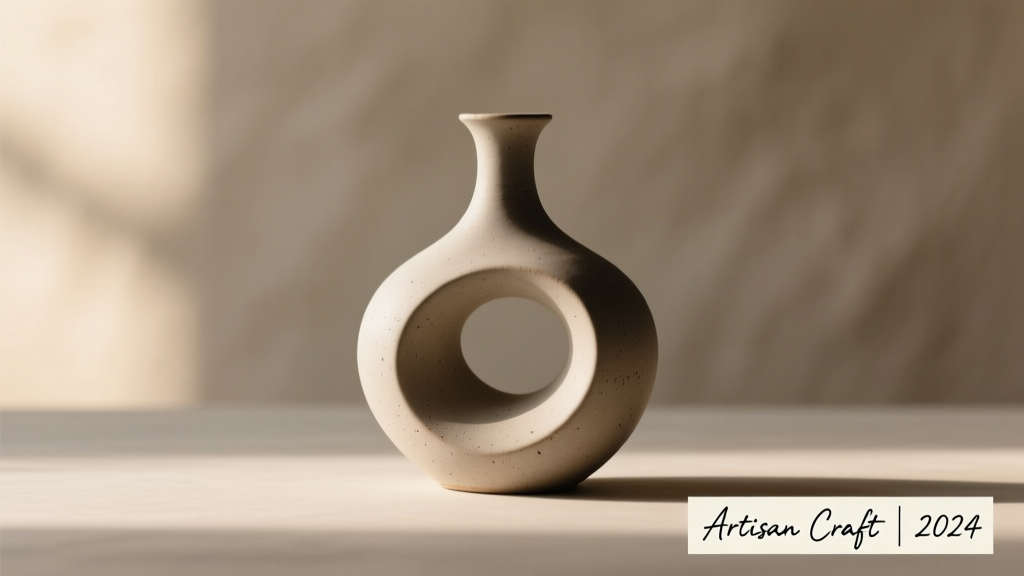
Types of CD Pottery
CD pottery refers to a unique fusion of traditional ceramic artistry and modern digital media, where compact discs are designed to mimic the aesthetic and tactile qualities of various pottery styles. These specialized CDs are often used for premium music releases, limited-edition software, or artistic collectibles. They combine functionality with visual appeal, making them ideal for niche markets and creative packaging solutions.
Ceramic-Inspired CDs
Designed to emulate the rich textures and finishes of handcrafted ceramic, stoneware, and porcelain pottery, these CDs offer a luxurious feel and striking visual presence.
Advantages
- Vibrant, high-end appearance
- Durable surface coatings protect against scratches
- Unique branding opportunity for artists and labels
- Enhanced shelf appeal and collectibility
Limitations
- Higher production cost than standard discs
- May require special handling to avoid damage
- Limited compatibility with some disc drives
Best for: Limited editions, art albums, gift sets, and promotional merchandise
Surface Finishes in Ceramic-Style CDs
The finish applied to a CD significantly affects its look, feel, and durability. Suppliers can offer a range of finishes that mirror those found in traditional pottery:
- Glossy Finish: A high-gloss coating that enhances color vibrancy and gives the disc a polished, reflective surface. This finish not only makes artwork pop but also provides an extra layer of protection against fingerprints and minor abrasions, making it ideal for visually striking designs.
- Matte Finish: Offers a soft, non-reflective surface that provides a sophisticated, modern aesthetic. While it reduces glare and improves grip, it may slightly mute bright colors. However, this subtle look is often preferred for minimalist or high-end branding applications.
- Metallic Finish: Infuses the disc with a shimmering, lustrous surface that mimics precious metals like gold, silver, or copper. This eye-catching finish is perfect for premium releases, anniversary editions, or products aiming to stand out on shelves.
Raku-Style CDs
Inspired by the ancient Japanese Raku pottery technique—known for its unpredictable, organic results—Raku-style CDs feature one-of-a-kind visual effects achieved through specialized metallization and reactive finishes.
Advantages
- Each disc is uniquely patterned and colored
- Highly artistic and collectible appearance
- Iridescent and reflective surfaces attract attention
- Available in a spectrum of colors: deep reds, blues, silvers, and golds
Limitations
- More fragile due to stress from rapid thermal-like processing
- Higher defect rate during manufacturing
- Increased cost due to artisanal production methods
Best for: Artistic releases, hand-numbered editions, gallery collaborations, and cultural projects
Low-Fire vs. High-Fire Inspired CDs
Just as traditional pottery is categorized by firing temperature, CD designs can be inspired by low-fire and high-fire ceramic techniques—each influencing the final product's durability, color depth, and texture.
Low-Fire Inspired CDs
Modeled after low-temperature ceramics, these discs often feature bright, bold colors and a slightly porous or textured appearance. The design mimics earthenware with vibrant glazes and artistic imperfections.
Advantages
- Bright, vivid color reproduction
- Artistic, handcrafted aesthetic
- Lower production energy requirements
Limitations
- Less durable surface
- More prone to fading or chipping over time
- Not ideal for high-use environments
Best for: Short-run artistic projects, decorative use, and seasonal releases
High-Fire Inspired CDs
Reflecting the strength and refinement of high-fire stoneware or porcelain, these discs use dense, resilient coatings that simulate vitrified ceramics. The result is a sleek, durable finish with deep color saturation and a glass-like sheen.
Advantages
- Exceptional durability and scratch resistance
- Deep, rich color depth and clarity
- Professional, premium appearance
- Suitable for long-term archival use
Limitations
- Higher manufacturing cost
- More complex production process
- Less variation between units (less "organic" look)
Best for: Archival recordings, professional releases, corporate presentations, and museum-quality editions
| Type | Aesthetic | Durability | Cost | Best Use Case |
|---|---|---|---|---|
| Ceramic Glossy | Vibrant, reflective | High | Medium | Premium music releases |
| Ceramic Matte | Subtle, elegant | Medium | Medium | Branding & corporate gifts |
| Raku-Style | Unique, iridescent | Low | High | Artistic & limited editions |
| Low-Fire Inspired | Bright, textured | Medium | Low-Medium | Seasonal or decorative use |
| High-Fire Inspired | Sleek, glassy | Very High | High | Archival & professional media |
Expert Tip: When ordering custom CD pottery, request physical samples first—especially for Raku or metallic finishes—to ensure color accuracy and compatibility with your packaging and playback devices.
Artistic Designs of Pottery-Themed CDs
Despite the digital age, physical media like CDs continue to hold nostalgic and artistic value—especially when creatively fused with traditional craftsmanship. One of the most unique and visually captivating trends is the integration of pottery aesthetics into CD design. These "pottery CDs" are not functional ceramic discs, but rather CDs that feature artwork inspired by pottery, potters, and ancient vessels. The fusion of music and artisanal visuals creates a collectible art form that appeals to audiophiles and art enthusiasts alike.
Traditional Pottery Patterns
Rooted in centuries-old ceramic traditions, these designs bring a timeless, handcrafted feel to CD artwork. Inspired by real pottery techniques and glazing methods, they evoke authenticity and cultural heritage.
Geometric Shapes
Reflecting ancient pottery from civilizations like the Greeks, Native Americans, and Mesopotamians, geometric patterns are both symbolic and decorative. On CDs, these designs often feature symmetrical lines, spirals, zigzags, and concentric circles rendered in earthy tones like terracotta, ochre, and charcoal.
These patterns not only honor historical craftsmanship but also provide a balanced, rhythmic visual that complements musical structure—making them ideal for folk, classical, or world music albums.
Floral Motifs
Floral designs have long been a staple in pottery decoration, from delicate Chinese porcelain to rustic Mediterranean ceramics. When applied to CD art, these motifs range from hand-painted blossoms to intricate botanical engravings.
Common elements include peonies, lotuses, vines, and wildflowers, often arranged in circular borders reminiscent of ceramic plates. These designs are especially popular for ambient, acoustic, or nature-inspired music, enhancing the sensory experience of listening.
Textured Glazes
One of the most distinctive features of pottery is its surface texture—glossy, matte, crackled, or iridescent finishes that catch light in unique ways. CD designs emulate these effects through digital rendering or embossed printing techniques.
For example, a CD cover might mimic the look of celadon glaze with soft green hues and a subtle crackle pattern, or replicate raku firing with smoky black and metallic sheens. This tactile illusion adds depth and luxury to the physical album.
Nature-Inspired Designs
Just as potters have drawn inspiration from the natural world, so too do designers of pottery-themed CDs. These designs emphasize harmony, balance, and organic beauty—perfect for music that celebrates the environment, mindfulness, or acoustic simplicity.
Animal Prints & Motifs
From tribal pottery adorned with animal totems to modern interpretations of wildlife, animal-inspired designs bring a primal energy to CD art. Common motifs include stylized birds, deer, snakes, and feline prints like leopard or tiger stripes.
These elements are often abstracted into flowing patterns that wrap around the CD like a ceramic band, symbolizing movement and rhythm—ideal for genres such as tribal electronica, ambient soundscapes, or indigenous music.
Landscape Scenes
Imagine a CD cover that looks like a painted ceramic tile depicting a serene mountain range, a misty forest, or a sunlit lake. These landscape scenes are inspired by traditional mural pottery and Eastern scroll art.
Using soft brushstrokes and layered colors, designers create immersive visuals that invite the listener into a meditative state. Such designs are frequently used for new age, meditation, or acoustic folk albums where atmosphere is key.
Earth Tones Palette
The color scheme is central to the pottery aesthetic. Earth tones—such as burnt sienna, olive green, sandy beige, deep umber, and slate gray—dominate these designs, reflecting soil, clay, and natural pigments used in real ceramics.
This palette evokes calmness and grounding, making it perfect for music intended for relaxation, introspection, or connection with nature. It also ensures the artwork remains timeless and versatile across different visual contexts.
Abstract Art Designs
For a more contemporary twist, many artists blend pottery inspiration with abstract expressionism. These designs push the boundaries of traditional form, using the essence of clay and fire as a metaphor for creativity and transformation.
Bold Patterns
Influenced by modern ceramic art and studio pottery movements, bold abstract patterns feature dynamic shapes, sharp contrasts, and vibrant colors like cobalt blue, cadmium red, and sulfur yellow.
These designs often resemble the spontaneous brushwork seen in Rorschach-like glaze effects or experimental kiln burns. They’re particularly effective for avant-garde, experimental, or progressive rock genres where innovation is celebrated.
Color Gradients
Mimicking the way glazes flow and blend during firing, gradient designs transition smoothly between hues—such as from deep indigo to golden amber, or moss green to cream.
When printed with high-quality finishes, these gradients create a luminous, almost liquid effect on the CD surface, enhancing the perception of movement and emotion in the music. They’re widely used in electronic, synthwave, and cinematic music releases.
Minimalist Abstracts
Simplicity meets sophistication in minimalist designs. These often feature a single abstract shape—like a curved line, a dot, or an off-center spiral—rendered in muted tones on a neutral background.
Inspired by Japanese wabi-sabi pottery and Scandinavian design, these covers emphasize imperfection, asymmetry, and quiet beauty. They suit minimalist composers, ambient artists, or anyone aiming for a refined, understated aesthetic.
| Design Style | Key Features | Best Suited For |
|---|---|---|
| Traditional Pottery | Geometric patterns, floral motifs, textured glazes | Folk, world music, classical, cultural albums |
| Nature-Inspired | Landscapes, animal prints, earth tones | Meditation, acoustic, environmental themes |
| Abstract Art | Bold shapes, gradients, minimalist forms | Electronic, experimental, modern compositions |
| Hybrid Designs | Mix of handcrafted textures with digital effects | Indie, art pop, multimedia projects |
Note: While "pottery CDs" are not actual ceramic objects (which would be unplayable), their artistic value lies in the fusion of tactile craftsmanship with digital media. When producing such designs, consider using textured paper, spot UV coating, or embossing to enhance the pottery-like feel. Always ensure the artwork aligns with the musical theme to create a cohesive and immersive experience for the listener.
Specifications and Maintenance of Ceramic CDs
In an era dominated by cloud storage and solid-state drives, ceramic CDs stand out as a unique and enduring medium for data preservation. While digital trends continue to evolve, ceramic optical discs are gaining attention for their exceptional durability and archival qualities. Unlike conventional plastic-based CDs and DVDs, ceramic CDs are engineered for long-term data integrity, making them ideal for museums, libraries, and collectors who value both functionality and aesthetic appeal.
Despite the rise of streaming and online storage, ceramic CDs offer a physical, tamper-resistant format that resists degradation over time—bridging the gap between traditional media and modern archival needs. Their visually appealing design also makes them popular for limited-edition music releases, art projects, and commemorative gifts.
Storage Capacity
Ceramic CDs maintain compatibility with standard optical disc formats, offering reliable storage for audio, video, and data files.
- Standard CD Capacity: Up to 700 MB of data, sufficient for approximately 80 minutes of high-quality audio.
- DVD Equivalent: Ceramic DVDs can store up to 4.7 GB (single-layer) or 8.5 GB (dual-layer), ideal for high-definition video or large software archives.
- Compatibility: Designed to work with most CD/DVD drives, ensuring broad accessibility without requiring specialized hardware.
Note: While capacity matches traditional discs, the ceramic substrate enhances data layer protection against environmental damage.
Durability & Longevity
One of the most compelling advantages of ceramic CDs is their extraordinary lifespan, far surpassing conventional media.
- Lifespan: Engineered to last over 1,000 years under proper conditions, making them ideal for archival use in institutions and personal legacy projects.
- Material Stability: The inorganic ceramic layer resists oxidation, humidity, and chemical degradation—common causes of data loss in metal-coated plastic discs.
- Scratch Resistance: Harder surface reduces vulnerability to surface scratches that can interfere with laser readability.
Key benefit: Ideal for preserving family histories, cultural records, or critical documents where long-term reliability is essential.
Heat and UV Resistance
Constructed from thermally stable materials, ceramic CDs offer superior resistance to environmental stressors.
- High-Temperature Tolerance: Can withstand temperatures exceeding 500°C (932°F), preventing warping or melting in extreme conditions.
- UV Radiation Resistance: Unlike polycarbonate discs that degrade under sunlight, ceramic coatings protect against ultraviolet damage.
- Data Etching: Information is often laser-etched into the ceramic layer, creating a permanent, non-magnetic record immune to electromagnetic interference.
Practical application: Suitable for outdoor installations, time capsules, or regions with high ambient temperatures.
Environmental and Chemical Resistance
Beyond heat and light, ceramic CDs resist a wide range of environmental hazards.
- Moisture Resistance: Impervious to water damage, mold, and mildew—common issues in humid storage environments.
- Chemical Inertness: Resistant to solvents, acids, and cleaning agents that could damage standard discs.
- Fire Survival: Proven to survive building fires where plastic media would melt or combust.
Ideal for: Disaster recovery backups, military applications, and historical preservation efforts.
Maintenance and Care Tips for Ceramic CDs
While ceramic CDs are highly resilient, proper handling and storage ensure optimal performance and preserve their visual and functional integrity over centuries.
Proper Storage Techniques
Correct storage prevents physical damage and maintains disc readability.
- Always store ceramic CDs in rigid, protective cases made of inert materials to prevent edge chipping.
- Store discs vertically in climate-controlled environments (18–22°C, 40–50% RH) to minimize stress on the substrate.
- Avoid stacking discs horizontally for extended periods to prevent pressure-induced microfractures.
- Use archival-quality sleeves or containers free from PVC and sulfur compounds.
Best practice: Label cases instead of writing directly on the disc surface to avoid surface abrasion.
Cleaning Methods
Occasional cleaning removes contaminants without damaging the ceramic layer.
- Use a soft, lint-free microfiber cloth to gently wipe from the center outward in a straight line (not circular motions).
- If needed, dampen the cloth slightly with distilled water or isopropyl alcohol (90%+ purity).
- Avoid commercial cleaners containing ammonia or abrasives that could etch the surface.
- Allow the disc to air dry completely before reinserting into a drive.
Caution: Never submerge ceramic CDs in liquid; surface moisture only should be used when necessary.
Handling and Usage
Proper handling preserves both data integrity and aesthetic value.
- Always hold the disc by its outer edges or center hole to prevent fingerprints on the reading surface.
- Limit frequent playback to reduce mechanical wear, especially on older drives with less precise lasers.
- Avoid exposure to direct sunlight or fluorescent lighting for prolonged periods to prevent gradual pigment fading (in decorative editions).
- Use in clean environments to minimize dust accumulation on the surface.
Pro tip: For display purposes, consider using a replica or digital copy while keeping the original stored securely.
Environmental Protection
Shielding from external elements maximizes longevity.
- Store away from windows, radiators, or HVAC vents to avoid thermal cycling.
- Keep in low-UV environments; UV-filtering display cases are recommended for exhibition.
- Protect from salt air in coastal areas and industrial pollutants that may corrode metallic components (e.g., reflective layers).
- Monitor for signs of delamination or edge chipping, especially in older ceramic composite designs.
Long-term strategy: Periodically inspect and migrate data to new media every few decades as drive technology evolves.
Expert Recommendation: For archival purposes, pair ceramic CDs with checksum verification and metadata tagging to ensure data authenticity over time. Consider using them as "master copies" while distributing digital or standard disc duplicates for everyday use. This approach balances preservation with practicality, leveraging the ceramic disc's strength where it matters most—long-term, secure data retention.
| Feature | Ceramic CD | Standard Plastic CD | Blu-ray Disc |
|---|---|---|---|
| Storage Capacity | 700 MB – 8.5 GB | 700 MB | 25 – 128 GB |
| Estimated Lifespan | 1,000+ years | 20–100 years | 50–100 years |
| Heat Resistance | Up to 500°C | 70–100°C (melts) | 80–120°C (deforms) |
| UV Resistance | Excellent | Poor (degrades) | Fair (with coating) |
| Scratch Resistance | High | Low to Moderate | Moderate (with Durabis) |
| Best Use Case | Archival, Art, Legacy Data | Music, Software Distribution | HD Video, Large Files |
Additional Considerations
- Cost vs. Value: Higher initial cost is offset by unparalleled longevity, making ceramic CDs cost-effective for permanent records.
- Compatibility: Ensure your optical drive can read the specific format (CD-R, DVD-R, etc.) even if the substrate is ceramic.
- Artistic Value: Many ceramic CDs feature handcrafted designs, making them collectible art pieces as well as data carriers.
- Sustainability: Made from natural minerals, ceramic discs are more environmentally friendly than petroleum-based plastics.
- Future-Proofing: As optical drives become less common, store ceramic CDs with documentation on data retrieval methods for future generations.
How to Choose Pottery CDs: A Complete Buyer’s Guide
Selecting the right pottery CDs—creative fusion items combining music media with ceramic artistry—requires careful consideration of both aesthetic and functional qualities. Whether you're a collector, reseller, or craft enthusiast, this comprehensive guide walks you through the essential criteria for choosing high-quality, durable, and legally compliant pottery CDs from reliable suppliers.
Important Note: The term "pottery CD" refers to decorative CDs embedded in or designed with ceramic elements, not CDs used in the pottery-making process. These are often collectible art pieces, musical keepsakes, or handmade gifts combining audio content with ceramic craftsmanship.
Key Factors When Choosing Pottery CDs
- Product Quality: High-quality pottery CDs should feature premium-grade polycarbonate discs with scratch-resistant coatings and error-free digital recordings. The ceramic components must be well-fired, free of cracks or warping, and seamlessly integrated with the CD. Look for smooth edges, precise alignment, and vibrant, long-lasting glazes that enhance both visual appeal and structural integrity.
- Design Variety: A reputable supplier should offer a diverse portfolio of artistic styles to suit various tastes and markets. This includes floral motifs, geometric patterns, animal illustrations, abstract art, and cultural themes. Surface finishes should vary across glossy, matte, metallic, and textured options. Custom design capabilities are a strong plus for businesses seeking unique product lines.
- Durability: Since pottery CDs are often displayed or handled frequently, durability is crucial. The ceramic portion should be made from stoneware or porcelain, known for their strength and longevity. CDs should be protected from UV exposure and physical impact. Properly manufactured ceramic-embedded CDs can last for decades—even centuries—when cared for properly, with some archival-grade ceramics lasting over 1,000 years.
- Pricing and Bulk Options: Buyers should prioritize suppliers offering competitive wholesale pricing, especially for larger orders. Volume discounts, seasonal promotions, and bundled packages can significantly reduce per-unit costs. Compare unit prices across vendors and request sample pricing tiers to evaluate cost-efficiency for your intended order size.
- Supplier Reputation: Research potential suppliers thoroughly by checking customer reviews on trusted platforms, examining response times, and evaluating return policies. Look for certifications, participation in craft fairs, or partnerships with galleries. A supplier with consistent positive feedback likely offers reliable quality and responsive customer service.
- Shipping and Handling: Due to the fragile nature of ceramic-CD hybrids, secure packaging is essential. Choose suppliers who use double-boxing, foam inserts, or custom molds to prevent breakage. Evaluate shipping costs, delivery timelines, insurance options, and international compliance. Fast, tracked shipping with damage protection adds value, especially for time-sensitive or gift-based orders.
- MOQs and Negotiation Flexibility: Minimum Order Quantities (MOQs) vary widely among suppliers. Some may require 50+ units, while others accommodate smaller trial orders. Don’t hesitate to negotiate terms—many suppliers are open to adjusting MOQs or offering sample packs for evaluation. Long-term buyers can often secure better pricing, flexible payment terms, or co-branded packaging options.
- Legal and Copyright Compliance: Ensure all music content on the CDs is properly licensed for reproduction and distribution. Unauthorized recordings can lead to legal issues, especially in international trade. Verify that the supplier holds rights to the audio content or offers royalty-free music. For export/import, confirm adherence to customs regulations, material safety standards, and intellectual property laws in your target market.
| Selection Criteria | What to Look For | Risks of Poor Selection | Recommended Verification Steps |
|---|---|---|---|
| Product Quality | Flawless glaze, secure CD attachment, clear audio | Cracked ceramics, unreadable discs, customer returns | Request product samples, inspect under light |
| Design Variety | Multiple themes, finishes, and customization options | Limited market appeal, low repeat sales | Review full catalog, ask about new releases |
| Durability | Thick ceramic base, UV-protected CD layer | Fragility, fading, short product lifespan | Ask for material specs, test drop resistance (if possible) |
| Pricing & MOQ | Volume discounts, low entry thresholds | High startup costs, low profit margins | Negotiate terms, compare with 3+ suppliers |
| Legal Compliance | Valid music licenses, export documentation | Seizure of goods, legal penalties | Request license copies, consult legal advisor if needed |
Expert Tip: Always request a physical sample before placing a large order. This allows you to assess build quality, packaging, and audio performance firsthand. It also helps build trust with the supplier and opens the door for future customization discussions.
Additional Recommendations for Buyers
- Consider eco-friendly suppliers who use sustainable clay sources and recyclable packaging.
- Inquire about limited edition or seasonal designs to create urgency in your marketing.
- Ask if the supplier offers drop-shipping services for e-commerce businesses.
- Verify compatibility: Ensure the CDs are playable in standard CD players or include digital download codes.
- Maintain a relationship with at least two suppliers to avoid supply chain disruptions.
Choosing the right pottery CDs involves balancing artistic appeal, technical quality, and business practicality. By focusing on certified suppliers, verified materials, and legal compliance, you can build a trusted product line that delights customers and stands the test of time. Whether for retail, gifting, or artistic display, a well-chosen pottery CD is more than an object—it's a lasting fusion of sound and sculpture.
Frequently Asked Questions About Ceramic CDs
Q1: What are ceramic CDs?Ceramic CDs are a unique fusion of traditional pottery and modern data storage technology. Unlike standard plastic compact discs, ceramic CDs are crafted from a specialized type of refined clay known as slip, which is shaped, fired, and glazed to create a durable, long-lasting medium capable of storing audio or digital data. These discs combine the acoustic qualities of vintage recordings with the resilience of ceramic materials, making them a novel option for archivists, audiophiles, and art collectors alike.
- Material Composition: Made from liquid clay (slip), which is molded and kiln-fired to achieve structural integrity.
- Surface Encoding: Data is etched or embedded using precision laser or mechanical methods compatible with ceramic substrates.
- Hybrid Nature: Blends ancient ceramic craftsmanship with contemporary digital storage principles.
The manufacturing process of ceramic CDs is both an art and a science, involving traditional pottery techniques adapted for precision audio engineering. The process begins with preparing a smooth mixture of clay slip and water, which is poured into a flat, circular wooden mold to form a uniform disc shape. After initial drying, the disc is carefully removed and undergoes several stages of refinement:
- Molding: Slip is poured into a circular frame and allowed to set until semi-solid.
- Shaping: The disc is trimmed to precise dimensions using lathe tools to ensure balance and flatness.
- Drying & Firing: Air-dried slowly to prevent cracking, then fired in a kiln at high temperatures (typically 1000–1300°C) to harden the structure.
- Glazing & Coating: A thin, smooth glaze is applied to the surface, followed by a data-encoding layer compatible with laser reading.
- Data Encoding: Audio or digital information is inscribed using specialized equipment that adapts to the ceramic surface’s texture and hardness.
This meticulous process ensures each ceramic CD is not only functional but also a handcrafted work of art.
Q3: Are ceramic CDs worth the hype and trouble?Yes, ceramic CDs offer compelling advantages that justify their growing popularity despite the complexity and cost of production. While not yet mainstream, they represent a revolutionary step toward permanent digital preservation. Key benefits include:
- Exceptional Durability: Resistant to heat, moisture, UV radiation, and physical wear—unlike plastic CDs that degrade over time.
- Longevity: Estimated lifespan exceeds 500 years under proper conditions, far outlasting conventional optical media (which typically last 25–100 years).
- Aesthetic Value: Each disc is uniquely textured and glazed, making it a collectible art object as well as a storage device.
- Environmental Stability: Inert ceramic materials do not off-gas or decompose, making them ideal for archival storage in museums or libraries.
Though more expensive and technically challenging to produce than plastic CDs, their potential for cultural and historical preservation makes them a worthwhile innovation.
Q4: Can CDs used in pottery recording materials also be used as decorative items?Absolutely. One of the most appealing aspects of ceramic CDs is their dual functionality—they serve as both high-fidelity data storage devices and striking decorative pieces. Once encoded with music, spoken word, or digital archives, these discs can be framed, mounted, or displayed like fine art. Their artistic value is enhanced by:
- Hand-Glazed Finishes: Available in a variety of colors, textures, and metallic finishes that catch light beautifully.
- Custom Engravings: Titles, artwork, or personal messages can be etched into the surface before firing.
- Display Flexibility: Can be mounted on stands, hung on walls, or integrated into sculptures and installations.
- Collector Appeal: Limited editions or artist-signed ceramic CDs are increasingly sought after in niche markets.
This blend of utility and beauty makes ceramic CDs ideal for gifts, memorials, or museum exhibits where form and function coexist.
Q5: How to store and keep ceramic CDs?Proper storage is essential to preserve both the structural integrity and data fidelity of ceramic CDs. While far more robust than plastic discs, they still require careful handling to avoid chipping or surface damage. Follow these best practices:
- Use Protective Cases: Store in padded jewel cases or custom CD sleeves lined with soft fabric to prevent scratches.
- Store Vertically: Like traditional CDs, keep them upright in shelves to avoid warping or pressure on the edges.
- Avoid Extreme Temperatures: Although heat-resistant, sudden thermal shocks (e.g., moving from cold to hot environments) can cause cracking.
- Control Humidity: Keep in dry environments to prevent moisture absorption, especially if unglazed areas are present.
- Handle with Care: Always hold by the edges to avoid smudging the data surface or transferring oils from skin.
- Clean Gently: Use a soft, lint-free cloth slightly dampened with water; avoid harsh chemicals.
With appropriate care, ceramic CDs can remain pristine and playable for generations, serving as both functional media and enduring heirlooms.









