
When choosing a crossbody bag, durability is often just as important as style. Two of the most common materials—canvas and PU (polyurethane) leather—offer different advantages in terms of longevity, resistance to wear, and maintenance needs. While canvas has long been associated with rugged practicality, PU leather mimics the look of genuine leather at a fraction of the cost. But which truly holds up better over time? The answer depends on how you use your bag, where you take it, and how well you care for it.
This guide breaks down both materials from a longevity perspective, offering real-world insights, care strategies, and expert-backed comparisons to help you decide which option will serve you best for years to come.
Durability Face-Off: Canvas vs. PU Leather
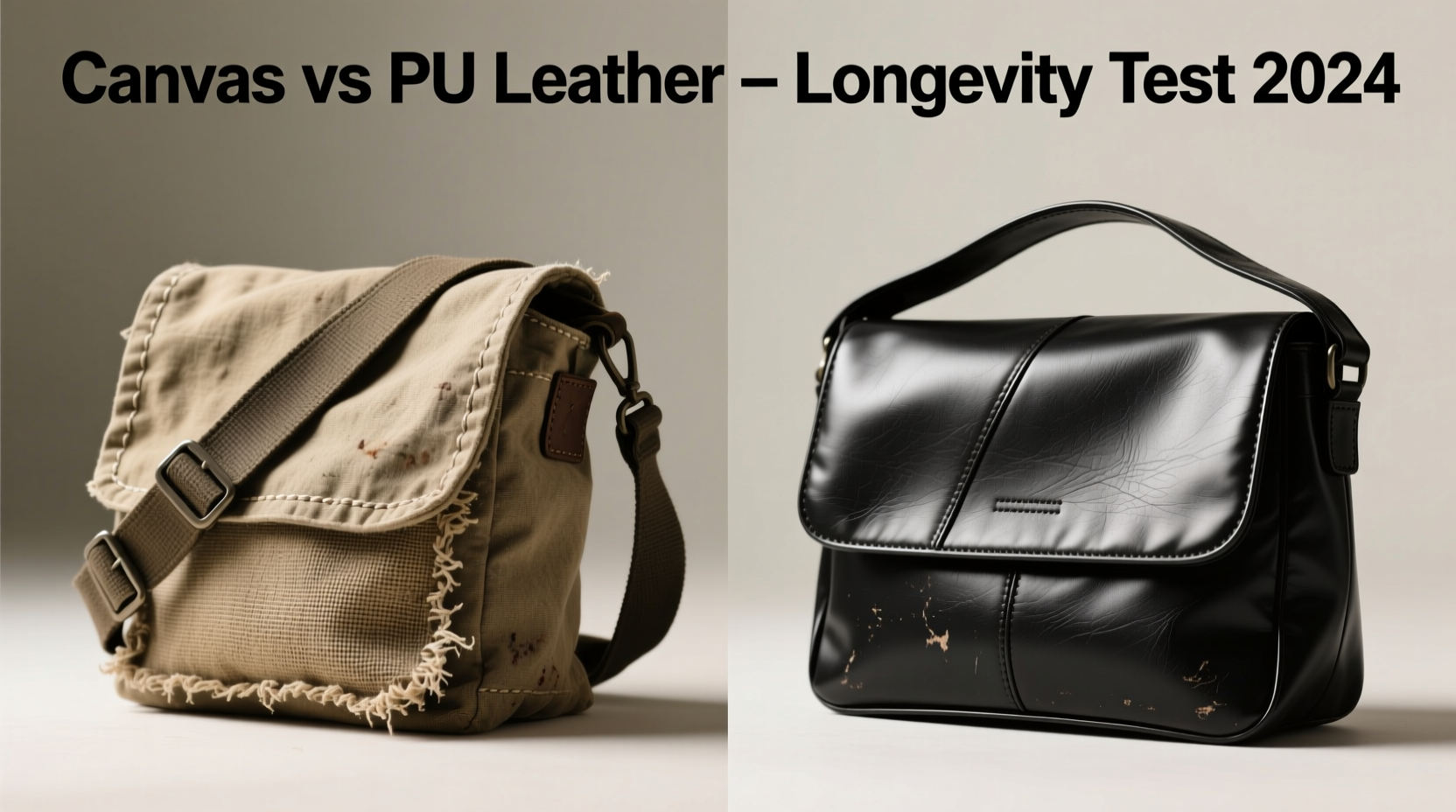
Durability isn’t just about strength—it includes resistance to abrasion, water, UV exposure, and structural breakdown over time. Let’s examine how each material performs under daily stress.
Canvas is a tightly woven cotton fabric known for its toughness. Originally used in sails and military gear, heavy-duty canvas can withstand rough handling, frequent use, and even mild weather exposure. It resists tearing and fraying better than many synthetic fabrics, especially when treated with water-resistant coatings. However, untreated canvas can absorb moisture, leading to mildew or staining if not dried properly.
PU leather, on the other hand, is a synthetic material made by coating a fabric backing with polyurethane. It’s designed to replicate the texture and appearance of real leather without the high cost. While it starts off looking sleek and polished, PU leather tends to degrade faster under prolonged exposure to sunlight, heat, and friction. Over time, it may crack, peel, or lose its luster—especially along edges and high-flex zones like strap attachments.
Tip: If you live in a rainy climate or frequently commute outdoors, opt for waxed or coated canvas—it handles moisture far better than untreated PU leather.Real-World Longevity: A Side-by-Side Comparison
To understand how these materials age, consider two users with identical usage patterns—one using a canvas crossbody, the other a PU leather version.
Case Study: Six-Month Wear Test
Sarah uses her navy canvas crossbody daily for work commutes, weekend errands, and travel. After six months, the bag shows light scuffing on the corners but no tears. The fabric remains intact, and the color has faded only slightly. She wipes it down monthly with a damp cloth and stores it in a breathable cotton pouch.
Meanwhile, James uses a black PU leather crossbody in similar conditions. By month four, fine cracks appear near the zipper pull and along the bottom edge. The surface develops a sticky feel after being left in a hot car. By month six, the finish is peeling in two spots, and the shoulder strap shows visible creasing.
The difference? Canvas fibers resist micro-tears from daily rubbing; PU leather’s plastic-like surface degrades when flexed repeatedly or exposed to heat. In this scenario, canvas clearly outperforms PU leather in long-term resilience.
“While PU leather offers aesthetic appeal initially, its lifespan is limited by environmental stressors. Canvas, especially when treated, provides superior mechanical durability.” — Lena Patel, Textile Durability Analyst
Material Performance Comparison Table
| Feature | Canvas | PU Leather |
|---|---|---|
| Tear Resistance | High – tightly woven fibers resist ripping | Moderate – prone to splitting at seams over time |
| Water Resistance | Good (if waxed/coated); absorbs moisture if untreated | Fair – repels water short-term but traps moisture underneath |
| UV & Heat Resistance | High – minimal fading or degradation in sun | Poor – yellows, cracks, and becomes brittle |
| Flex & Fold Endurance | Excellent – maintains integrity after repeated bending | Low – develops cracks at stress points |
| Maintenance Needs | Low – spot clean, air dry | Moderate – requires conditioning sprays, dust protection |
| Average Lifespan (with care) | 5–7+ years | 2–3 years |
Care Practices That Extend Bag Life
No material lasts forever, but proper care significantly extends usability. Here’s how to protect each type:
For Canvas Bags
- Spot clean with mild soap and a soft brush; avoid soaking.
- Allow wet bags to air dry away from direct heat.
- Apply fabric protector spray annually to boost water resistance.
- Rotate usage to prevent excessive strain on one bag.
For PU Leather Bags
- Wipe gently with a dry or slightly damp cloth; never use alcohol-based cleaners.
- Store in a dust bag, away from sunlight and heat sources.
- Condition every 3–4 months with a PU-safe moisturizing wipe.
- Never fold or compress during storage—maintain shape with stuffing.
Step-by-Step: Building a Longevity-Focused Bag Routine
Follow this monthly routine to maximize the life of any crossbody bag:
- Week 1: Inspect – Check for loose threads, stains, or weak seams.
- Week 2: Clean – Use appropriate method based on material (damp cloth for PU, mild soap for canvas).
- Week 3: Condition (PU only) – Apply a PU-specific conditioner to prevent cracking.
- Week 4: Rotate & Rest – Switch to another bag to reduce wear on one item.
- End of Month: Store Properly – Keep in a cool, dry place with moderate airflow.
This rhythm prevents buildup of dirt and stress, helping both materials last closer to their maximum potential.
FAQ: Common Questions About Bag Material Longevity
Is PU leather waterproof?
PU leather is water-resistant in the short term—it can handle light rain—but prolonged exposure causes the coating to blister or delaminate. Unlike genuine leather or treated canvas, it doesn’t breathe, so trapped moisture can lead to mold or adhesive failure underneath.
Can I repair peeling PU leather?
Limited repairs are possible using specialized recoloring kits that re-coat damaged areas. However, these are temporary fixes. Once peeling begins, full restoration is unlikely, and continued degradation is expected within months.
Does canvas sag over time?
Lower-thread-count canvas may stretch slightly with heavy loads, but high-density canvas used in quality crossbodies retains shape well. Reinforced linings and structured panels minimize sagging. Avoid overloading to preserve form.
Final Verdict: Which Holds Up Better?
If longevity is your priority, **canvas wins**—especially when constructed with reinforced stitching, water-resistant treatment, and sturdy hardware. Its natural fiber composition resists the types of damage most common in daily use: abrasion, flex fatigue, and environmental exposure.
PU leather may win on aesthetics, offering a sleek, polished look that elevates casual outfits. But its vulnerability to heat, UV light, and mechanical stress makes it less suitable for long-term, high-use scenarios. Unless meticulously maintained and protected from extreme conditions, PU leather typically shows significant wear within two to three years.
That said, advancements in synthetic coatings have improved PU leather’s resilience. Look for brands using thicker, dual-layer PU with UV inhibitors if you prefer the leather-like finish. Still, even premium PU rarely matches the decade-long endurance of a well-made canvas bag.
Make the Smart Choice for Your Lifestyle
Your ideal bag depends on how you plan to use it. For travelers, urban commuters, or anyone who values function and endurance, canvas is the more reliable investment. For occasional wear, fashion-focused settings, or budget-conscious buyers wanting a leather-like appearance, PU leather can be a viable short-to-mid-term option—if cared for diligently.
💬 Ready to upgrade your accessory game? Choose durability over trendiness when it matters most. Share your go-to crossbody brand or care tip in the comments below—we’d love to hear what’s stood the test of time in your wardrobe.








