The holiday season brings joy, warmth, and festive decor—but for some dogs, it also introduces unexpected stress. As homes fill with twinkling lights, flashing displays, and glowing wreaths, pet owners may notice subtle or sudden changes in their dog’s behavior. While humans often enjoy the visual spectacle of Christmas lighting, dogs experience these stimuli differently. Their heightened senses, particularly vision and hearing, make them more sensitive to environmental shifts. The flickering, pulsing, and reflective nature of holiday lights can indeed affect a dog’s nervous system, sometimes leading to anxiety or discomfort.
Dogs don’t perceive light exactly as humans do. They have fewer cone cells, which means they see colors less vividly, but they possess more rod cells—making them more attuned to movement and changes in brightness, especially in low-light conditions. This biological advantage, evolved for dawn and dusk hunting, becomes a vulnerability when exposed to artificial, erratic lighting. When Christmas lights blink, shimmer, or strobe, they create visual noise that can be disorienting or even frightening to a dog.
How Dogs Perceive Light Differently Than Humans
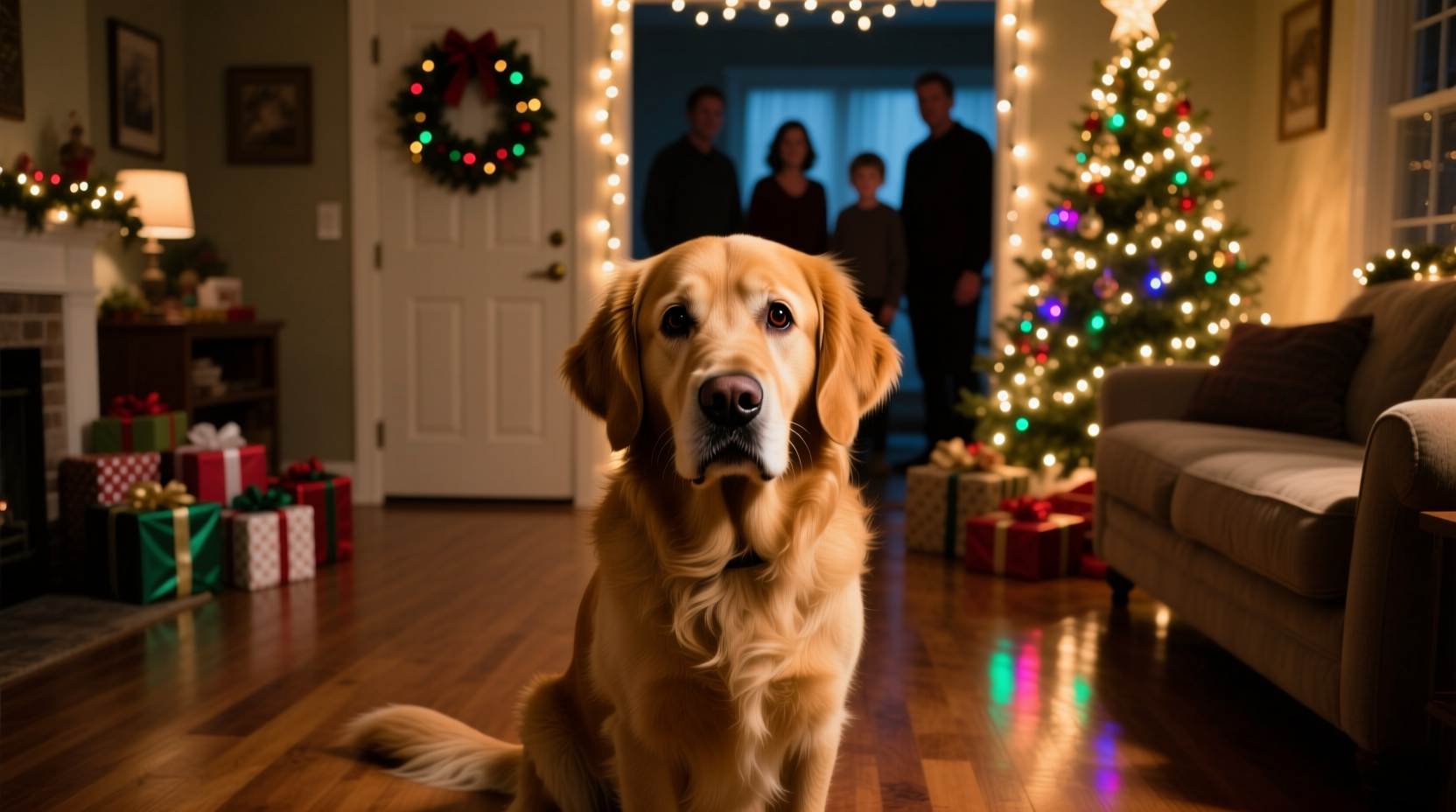
A dog’s vision is optimized for detecting motion and navigating dim environments. Research shows that dogs have a higher flicker fusion threshold than humans—meaning they can detect rapid flashes of light that appear constant to us. A string of LED Christmas lights that seems smoothly blinking to human eyes might appear as a rapid, jarring strobe effect to a dog. This discrepancy can lead to confusion, agitation, or avoidance behaviors.
In addition, dogs are more sensitive to contrast and sudden changes in illumination. Turning on a brightly lit tree in a dark room, or walking past a window adorned with reflective ornaments, can trigger a startle response. Some breeds, particularly herding dogs like Border Collies or Australian Shepherds, are naturally more alert and reactive to movement, making them especially prone to distress from flickering lights.
It’s not just the visual aspect. Many modern light displays are synchronized with music or sound effects. Even if the audio is low, dogs hear frequencies beyond the human range and may pick up on electronic hums or high-pitched tones emitted by transformers and power adapters. These auditory cues, combined with unpredictable lighting patterns, compound sensory overload.
Tip: Observe your dog’s reaction when turning on holiday lights for the first time. Signs of discomfort include pacing, panting, hiding, or refusing to enter a room.Signs Your Dog May Be Anxious Due to Lighting Changes
Anxiety in dogs isn’t always obvious. Unlike humans, dogs can’t verbalize their discomfort, so they communicate through body language and behavioral shifts. Recognizing early signs of stress allows pet owners to intervene before anxiety escalates.
- Restlessness: Pacing, inability to settle, or frequent position changes near decorated areas.
- Hyper-vigilance: Staring at lights, following their movement, or reacting to each flash.
- Avoidance: Refusing to enter rooms with decorations or choosing sleeping spots far from lit areas.
- Physical symptoms: Panting, trembling, drooling, or lowered tail carriage without an obvious cause.
- Vocalizations: Whining, whimpers, or low growls when near illuminated displays.
- Increased reactivity: Startling easily, barking at shadows, or overreacting to normal household sounds.
Some dogs may also exhibit regression in house training or increased clinginess. These behaviors indicate that the dog is seeking comfort and security in a confusing environment.
Do’s and Don’ts: Managing Holiday Lighting Around Dogs
Maintaining festive cheer doesn’t require sacrificing your dog’s well-being. With thoughtful planning, you can balance celebration and calm. The table below outlines practical do’s and don’ts for introducing Christmas lights around dogs.
| Do | Don’t |
|---|---|
| Use steady, non-blinking lights instead of flashing or rotating ones. | Install strobe-like or rapidly pulsing displays near common dog areas. |
| Introduce lights gradually over several days, allowing your dog to acclimate. | Turn on all decorations at once without monitoring your dog’s reaction. |
| Place lights out of reach and secure cords to prevent chewing or tripping. | Leave loose wires accessible or use fragile bulbs within paw range. |
| Keep one or more rooms decoration-free as safe zones for your dog. | Decorate every room, leaving no quiet retreats. |
| Use warm white LEDs, which are less harsh than cool blue or multicolor flashing sets. | Use high-contrast, rainbow-colored blinking lights near sleeping or feeding areas. |
Step-by-Step: Creating a Dog-Friendly Holiday Environment
Preparing your home for both festivities and canine comfort requires a proactive approach. Follow this timeline to ensure a smooth transition into the holiday season.
- Week 1: Assess your dog’s baseline behavior. Note how your dog reacts to current lighting, sounds, and household routines. This helps identify subtle changes later.
- Week 2: Choose pet-safe decorations. Opt for shatterproof ornaments, non-toxic materials, and steady-glow LED lights. Avoid tinsel, which is attractive but dangerous if ingested.
- Week 3: Introduce lights incrementally. Turn on one small section of lights for short periods. Pair the experience with treats, play, or calm interaction to build positive associations.
- Week 4: Designate a quiet space. Set up a cozy area away from decorations—equipped with bedding, toys, and familiar scents. Use white noise or calming music if needed.
- Ongoing: Monitor and adjust. If your dog shows signs of stress, reduce lighting intensity, switch to static modes, or limit exposure duration.
“Dogs thrive on predictability. Sudden sensory changes—especially unpredictable lights—can trigger fear responses similar to thunderstorms or fireworks.” — Dr. Laura Bennett, Veterinary Behaviorist
Real-Life Example: How One Family Helped Their Rescue Dog Adjust
The Thompson family adopted Max, a mixed-breed rescue, six months before their first holiday together. Max had shown mild anxiety during storms but otherwise seemed confident. When they installed their usual outdoor light display and indoor tree, Max began avoiding the living room entirely. He started pacing at night and refused to sleep in his usual bed near the hallway.
After ruling out medical issues, the family consulted a veterinary behaviorist. They discovered that the new RGB LED tree lights, set to “twinkle rainbow” mode, were likely overwhelming Max. The rapid color shifts and flickering created a disorienting effect he couldn’t ignore—even from adjacent rooms.
The solution was simple: they switched the lights to a steady warm white setting and limited their use to two hours per evening. They also created a den-like space in the basement with soft lighting and background music. Within three days, Max returned to his normal routine. By Christmas Eve, he was napping peacefully just down the hall from the tree.
This case illustrates how seemingly minor environmental changes can have major impacts on sensitive dogs—and how small adjustments can restore balance.
Expert Tips for Reducing Sensory Overload
Beyond lighting, the entire holiday atmosphere contributes to a dog’s stress levels. Consider these additional strategies to support your pet:
Tip: Use blackout curtains in your dog’s resting area to block external light displays from neighbors’ homes.- Use pheromone diffusers: Products like Adaptil release synthetic calming signals that mimic maternal pheromones, helping reduce anxiety.
- Maintain routine: Stick to regular feeding, walking, and bedtime schedules as much as possible. Predictability reduces stress.
- Provide mental stimulation: Puzzle toys or scent games can redirect focus away from unsettling stimuli.
- Consider calming wearables: Thundershirts apply gentle pressure that can have a soothing effect on anxious dogs.
- Limit guest interactions: Holiday visitors increase noise and unpredictability. Allow your dog to opt out of socializing.
Frequently Asked Questions
Can dogs see colors in Christmas lights?
Dogs have dichromatic vision, meaning they primarily see shades of blue and yellow. Red and green lights—which appear vibrant to humans—may look muted or grayish to dogs. However, brightness and flicker matter more than color when it comes to triggering anxiety.
Are certain dog breeds more sensitive to light changes?
Yes. Herding breeds (e.g., Border Collies, Shetland Sheepdogs), working dogs (e.g., German Shepherds), and dogs with a history of trauma or reactivity tend to be more visually sensitive. Puppies and senior dogs may also struggle to adapt due to developmental or cognitive factors.
Should I turn off Christmas lights when I’m not home?
It’s advisable, especially if your dog is left alone. Unsupervised exposure to flashing lights without your calming presence can heighten anxiety. If you want lights on while away, use a timer to limit duration and choose steady, low-intensity settings.
Conclusion: Celebrating Mindfully With Your Dog
The holidays are a time of connection—not just among people, but between pets and their families. Recognizing that dogs can sense and react to changes in lighting from Christmas decorations is the first step toward inclusive celebration. Anxiety isn’t a behavioral flaw; it’s a signal that the environment has exceeded a dog’s coping threshold. By observing, adjusting, and responding with empathy, you can preserve both festive spirit and your dog’s peace of mind.
You don’t need to eliminate decorations to protect your dog. Instead, make informed choices: favor steady over flashing lights, create safe spaces, and prioritize your pet’s comfort alongside tradition. A calm, confident dog is more likely to enjoy the season in their own way—whether curled beside the tree or retreating to their quiet corner.
💬 Have your dog reacted unexpectedly to holiday lights? Share your story or tips in the comments—your experience could help another pet owner navigate the season with confidence.