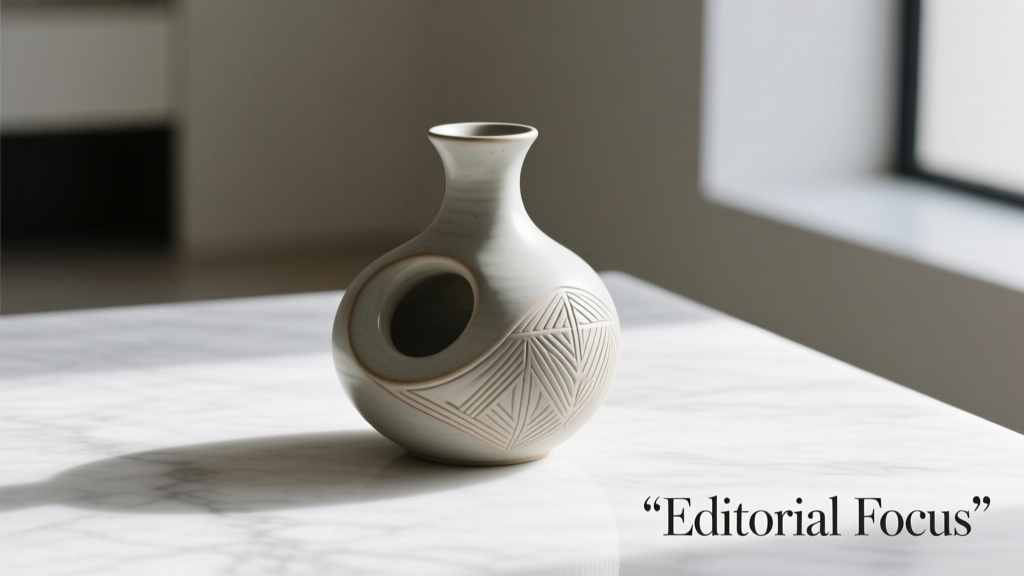
Types of Decorative Bowls
A decorative bowl (often referred to as a boule) is more than just a functional vessel—it's a statement piece that enhances the aesthetic of any room. Whether used as a centerpiece, accent object, or functional container, decorative bowls come in a wide variety of materials, each offering unique visual appeal, texture, and durability. Below is a detailed breakdown of the most popular types of decorative bowls and their characteristics.
Wooden Boules
Crafted from solid hardwoods like oak, walnut, maple, and cherry, wooden boules are turned on a lathe and polished to a smooth, lustrous finish. Their natural grain patterns and warm tones bring a rustic elegance to interiors.
Advantages
- Warm, organic aesthetic
- Natural variation in grain and color
- Durable with proper care
- Complements both modern and traditional decor
Limitations
- Sensitive to moisture and humidity
- May require occasional oiling
- Not ideal for holding liquids or food
Best for: Dining tables, coffee tables, entryway displays, and rustic or farmhouse-style interiors
Glass Boules
Available in clear, tinted, etched, or patterned finishes, glass boules offer a light, airy, and contemporary look. Some are designed as "fish bowls" or display orbs, perfect for showcasing sand, pebbles, candles, or fresh flowers.
Advantages
- Transparency allows for creative layering and visibility
- Reflects and refracts light beautifully
- Easy to clean and maintain
- Versatile in styling—works in modern, minimalist, and eclectic spaces
Limitations
- Fragile and prone to breakage
- Shows fingerprints and dust easily
- Heavier when made from thick glass or crystal
Best for: Centerpieces, decorative displays, candle holders, and modern interiors
Ceramic Boules
Handcrafted or molded, ceramic boules are celebrated for their artistic versatility. They often feature hand-painted designs, glossy glazes, or textured finishes, making each piece a unique work of art.
Advantages
- Wide range of colors, patterns, and finishes
- Can be oven- or food-safe (depending on glaze)
- Adds warmth and coziness to a space
- Excellent for seasonal or thematic decor
Limitations
- Can chip or crack if dropped
- Some glazes may not be food-safe
- Heavier than plastic or lightweight alternatives
Best for: Kitchen counters, bathroom vanities, holiday decor, and artisanal home styling
Metal Boules
Forged from iron, bronze, stainless steel, or aluminum, metal boules deliver a sleek, industrial, or minimalist aesthetic. They can feature polished, brushed, or matte finishes, including intricate etching or hammered textures.
Advantages
- Highly durable and long-lasting
- Resistant to moisture and wear
- Adds a modern or luxurious touch
- Suitable for both indoor and outdoor use (depending on material)
Limitations
- Can be heavy and difficult to move
- May oxidize or tarnish over time (especially untreated metals)
- Less warmth compared to wood or ceramic
Best for: Contemporary living rooms, luxury entryways, outdoor patios, and minimalist design schemes
Stone Boules
Carved from natural stone such as marble, granite, or soapstone, these boules are substantial, elegant, and timeless. Each piece features unique veining and coloration, making it a one-of-a-kind centerpiece.
Advantages
- Exceptional durability and weight
- Natural beauty with unique patterns
- Excellent heat retention (ideal for candles or warm displays)
- Adds a sense of permanence and luxury
Limitations
- Very heavy—difficult to move or reposition
- Expensive compared to other materials
- Porous stones may require sealing
Best for: Formal dining tables, foyers, spa-like bathrooms, and high-end interior design
| Type | Durability | Aesthetic Appeal | Versatility | Best Use Case |
|---|---|---|---|---|
| Wooden | Good | Warm, Natural | High | Rustic, farmhouse, or traditional interiors |
| Glass | Fair | Modern, Elegant | Very High | Centerpieces, light-filled spaces |
| Ceramic | Good | Artistic, Cozy | High | Seasonal decor, artisanal styling |
| Metal | Excellent | Sleek, Contemporary | Medium | Modern, industrial, or minimalist spaces |
| Stone | Excellent | Luxurious, Timeless | Medium | Formal settings, high-end interiors |
Design Tip: When styling decorative bowls, consider layering with natural elements like dried flowers, pinecones, or crystals. For glass or stone bowls, placing a tea light or LED candle inside can create a stunning ambient glow, especially in the evening.
Designs for Decorative Bowls: Aesthetic Trends and Interior Applications
Decorative bowls are more than just functional accessories—they are expressive design elements that enhance the visual appeal of any space. From minimalist elegance to bold sculptural statements, the right bowl can anchor a room’s theme, add texture, or serve as a centerpiece. Understanding the various design styles helps in selecting a piece that complements both personal taste and interior decor.
Popular Decorative Bowl Design Styles
Minimalist Design
The minimalist approach to decorative bowls emphasizes clean lines, simple silhouettes, and understated elegance. Stripped of ornamental details, these bowls focus on form and function, allowing the purity of shape to take center stage.
Typically available in neutral tones such as white, black, or soft pastels, minimalist bowls blend seamlessly into modern, Scandinavian, or Japandi interiors. Their subtle presence adds sophistication without overwhelming the space, making them ideal for curated shelves, coffee tables, or dining settings where less is truly more.
Bohemian Style
Bohemian-inspired bowls celebrate individuality, cultural richness, and artistic flair. Characterized by intricate patterns, hand-painted motifs, irregular edges, and vibrant color palettes, these pieces bring a sense of warmth and eclecticism to any environment.
Often crafted from ceramic, terracotta, or enamel with artisanal finishes, boho bowls are perfect for adding character to bohemian, global, or vintage-themed spaces. They pair beautifully with textiles, plants, and layered decor, creating a lived-in, soulful atmosphere that feels both personal and inviting.
Sculptural Bowls
Sculptural bowls transcend traditional utility, functioning more as standalone art pieces than mere containers. Inspired by abstract forms, natural phenomena, or avant-garde design, they often mimic melting waves, crumpled paper, or organic folds.
Crafted from materials like hand-blown glass, resin, eco-polymers, or polished metal, these bowls command attention and serve as focal points in contemporary or gallery-style interiors. While some retain limited functionality, their primary purpose is aesthetic—elevating a shelf, mantel, or console into a curated art display.
Natural & Organic Shapes
Bowls that emulate elements of the natural world—such as river stones, seashells, leaves, or tree bark—bring an earthy, grounding energy to modern interiors. Made from sustainable materials like solid wood, stone, unglazed clay, or bamboo, these designs emphasize texture, asymmetry, and authenticity.
Perfect for rustic, farmhouse, or biophilic design schemes, organic-shaped bowls foster a connection to nature. They work well in living rooms, entryways, or bathrooms, adding warmth and tactile interest while promoting a calm, balanced ambiance.
Geometric Patterns
Geometric bowls feature structured shapes—such as hexagons, triangles, concentric circles, or angular facets—that reflect precision and modernity. These designs are staples in contemporary, mid-century modern, and industrial interiors.
Often constructed from ceramic, metal, or composite materials with high-gloss or matte finishes, geometric bowls offer visual rhythm and symmetry. Their repetitive patterns and clean lines make them versatile accents that can harmonize with other angular furniture or contrast beautifully with soft, curved decor elements.
Material & Finish Considerations
The material of a decorative bowl significantly influences its style and suitability. Glass and crystal provide elegance and light reflection, ideal for formal spaces. Ceramics offer versatility across styles—from matte earthenware to glossy glazes.
Metals like brass, copper, or stainless steel add industrial or luxe touches, while natural materials like wood or stone enhance organic themes. Finishes such as hammered, brushed, or mirrored surfaces further define the bowl’s character and interaction with light.
| Design Style | Best For | Recommended Materials | Interior Compatibility |
|---|---|---|---|
| Minimalist | Clean, clutter-free spaces | Porcelain, ceramic, matte resin | Modern, Scandi, Urban Lofts |
| Bohemian | Eclectic, colorful rooms | Enamel, terracotta, hand-painted ceramic | Boho, Vintage, Global |
| Sculptural | Artistic focal points | Blown glass, resin, metal | Contemporary, Gallery, Luxe |
| Natural/Organic | Warm, earthy aesthetics | Wood, stone, clay, rattan | Rustic, Farmhouse, Biophilic |
| Geometric | Structured, modern decor | Metal, ceramic, acrylic | MCM, Industrial, Minimalist |
Tips for Choosing the Right Decorative Bowl
Note: While decorative bowls are primarily aesthetic, avoid placing fragile or valuable pieces in high-traffic areas or within reach of children and pets. Always consider durability and placement to ensure both safety and longevity. With thoughtful selection, a decorative bowl becomes not just an accessory, but a meaningful extension of your interior identity.
How to Choose Decorative Bowls
Selecting the perfect decorative bowls for your clients involves more than just aesthetics—it’s about harmonizing form, function, and style with the space they’ll inhabit. Whether used as centerpieces, functional accents, or artistic statements, decorative bowls can elevate interior design when chosen thoughtfully. Below are key considerations to guide your recommendations and ensure client satisfaction.
Material & Aesthetic Appeal
The material of a decorative bowl significantly influences its visual impact and suitability for different interior styles. Each material brings unique texture, weight, and finish that can either complement or contrast with the room’s design language.
- Glass: Ideal for modern, minimalist, or Scandinavian interiors. Offers transparency and light reflection, creating an airy feel. Consider blown glass for artisanal elegance.
- Ceramics & Pottery: Versatile for rustic, bohemian, or farmhouse styles. Hand-glazed finishes add character and warmth. Matte finishes suit earthy palettes; glossy finishes enhance contemporary spaces.
- Metals (brass, copper, stainless steel): Add sophistication and industrial flair. Polished metals work well in luxe or Art Deco settings; brushed finishes fit modern industrial themes.
- Wood: Brings natural warmth to traditional, cottage, or Japandi designs. Reclaimed or live-edge wood pieces offer organic charm and sustainability appeal.
- Stone (marble, soapstone, onyx): Conveys luxury and timelessness. Marble is excellent for formal spaces but requires sealing; onyx offers translucent beauty when backlit.
Pro tip: Suggest mixing materials (e.g., wooden bowl on a metal tray) to add depth and visual interest.
Size & Proportion
Choosing the right size ensures the bowl enhances—not overwhelms—the space. Proportion is key to achieving visual balance in any room layout.
- Large bowls (12+ inches): Perfect as centerpieces on dining tables, console tables, or mantels. Can hold fruit, decorative branches, or candles for dramatic effect.
- Medium bowls (8–12 inches): Ideal for coffee tables, bathroom vanities, or kitchen islands. Great for holding soaps, small plants, or jewelry.
- Small bowls (under 8 inches): Best for shelves, nightstands, or entryway tables. Use for keys, coins, or perfume bottles—functional yet stylish.
Design rule: The bowl should occupy no more than 1/3 of the surface area to maintain spatial harmony.
Functionality & Practical Use
While decorative, many bowls serve dual purposes—blending beauty with everyday utility. Understanding your client’s lifestyle helps match form to function.
- Entryway: Choose sturdy, shallow bowls for keys, wallets, and sunglasses. Materials like ceramic or metal resist wear.
- Kitchen: Opt for food-safe ceramics or glass bowls to display fruit, nuts, or bread. Avoid porous materials like untreated wood for edibles.
- Bathroom: Use non-porous, moisture-resistant materials (glass, glazed ceramic) for holding cotton balls, soaps, or bath salts.
- Living areas: Select versatile bowls that can transition from holding remotes to serving snacks during gatherings.
Smart insight: Highlight multi-functional bowls as space-saving solutions in compact homes.
Color & Pattern Coordination
A well-chosen bowl can act as a focal point or a subtle accent, depending on its color and pattern. Thoughtful selection enhances the room’s color scheme and design cohesion.
- Neutral tones (white, beige, gray, black): Blend seamlessly into any décor. Ideal for minimalist or monochromatic spaces.
- Vibrant hues (emerald, cobalt, terracotta): Serve as bold accents in neutral rooms. Use to echo accent colors in artwork or upholstery.
- Patterns (geometric, floral, tribal): Introduce cultural or thematic elements. Geometric prints suit modern interiors; florals enhance shabby chic or vintage styles.
- Metallic finishes: Add subtle glamour. Gold accents warm up cool palettes; silver complements modern gray schemes.
Designer tip: Recommend bowls that pick up secondary colors in the room for a curated, intentional look.
Interior Style Alignment
The bowl’s design should reflect and reinforce the overall interior style. Matching the bowl to the décor theme creates a cohesive and polished environment.
- Modern/Contemporary: Clean lines, minimalist shapes, and monochrome finishes. Think geometric glass or matte black ceramic.
- Traditional: Ornate details, classic shapes (urns, pedestal bowls), and rich finishes like porcelain or brass.
- Rustic/Farmhouse: Natural materials, handcrafted textures, and earthy tones. Wooden bowls or stoneware with crackle glaze are perfect.
- Bohemian: Eclectic patterns, vibrant colors, and mixed materials. Look for Moroccan tagines or hand-painted ceramic pieces.
- Scandinavian: Light woods, soft curves, and functional simplicity. White ceramic or birch wood bowls fit seamlessly.
Key advice: Encourage clients to choose one statement bowl per room to avoid visual clutter.
Seasonal & Thematic Flexibility
Decorative bowls can be rotated seasonally to keep interiors feeling fresh and dynamic. This versatility adds long-term value for clients.
- Spring/Summer: Use light-colored bowls filled with citrus, seashells, or dried flowers.
- Fall/Winter: Switch to deeper tones with pinecones, cinnamon sticks, or holiday ornaments.
- Special occasions: Offer themed bowls (e.g., wedding favors, holiday centerpieces) for event styling.
- Rotational styling: Suggest keeping 2–3 bowls on hand to rotate with the seasons or moods.
Creative idea: Recommend filling bowls with seasonal scents (e.g., lavender in summer, cloves in winter) for sensory appeal.
Professional Recommendation: When in doubt, suggest neutral-toned, medium-sized ceramic or glass bowls with subtle texture. These offer maximum versatility across styles and uses. For clients seeking bolder statements, pair a vibrant or uniquely shaped bowl with minimalist surroundings to let it shine. Always consider ease of cleaning—especially in high-traffic areas—to ensure long-term satisfaction.
| Interior Style | Recommended Material | Suggested Color/Finish | Ideal Use Case |
|---|---|---|---|
| Modern Minimalist | Tempered glass, matte ceramic | Black, white, clear | Dining table centerpiece |
| Bohemian | Hand-painted ceramic, brass | Vibrant, patterned | Living room accent |
| Rustic Farmhouse | Reclaimed wood, stoneware | Natural, earthy tones | Kitchen fruit display |
| Luxury Traditional | Marble, porcelain, gold-trimmed | Cream, gold, deep jewel tones | Entryway or vanity |
Additional Considerations
- Weight & Stability: Heavier bowls (stone, metal) are less likely to tip—ideal for homes with children or pets.
- Sustainability: Eco-conscious clients may prefer recycled glass, FSC-certified wood, or artisan-made pieces.
- Brand & Craftsmanship: Handmade or designer bowls add exclusivity and storytelling value to a space.
- Layering: Combine bowls of varying heights and materials on trays for curated vignettes.
- Light Interaction: Transparent or reflective bowls enhance lighting effects—great for dimly lit areas.
The Multifaceted Benefits of Decorative Bowls in Home Design
Decorative bowls are far more than simple accessories—they are dynamic elements that blend beauty, function, and personal expression in interior spaces. From enhancing visual appeal to serving as meaningful gifts, these versatile pieces offer a range of benefits that make them indispensable in thoughtful home styling. Whether you're curating a minimalist aesthetic or embracing maximalist charm, decorative bowls provide an effortless way to elevate your environment.
Key Benefits of Incorporating Decorative Bowls
- Aesthetic Appeal
Ornamental bowls play a pivotal role in enhancing interior decor by adding texture, color, and dimension to a space. Placed on a coffee table, mantelpiece, console, or sunlit windowsill, they become instant style enhancers. For instance, a sculptural glass bowl can catch and refract natural light, creating captivating patterns across walls and floors, while a hand-painted ceramic bowl can serve as a vibrant focal point that reflects cultural artistry or personal taste. Materials like crystal, wood, metal, and ceramic each bring unique visual qualities—matte, glossy, translucent, or metallic—that contribute to the overall ambiance of a room.
- Versatility in Function and Design
One of the greatest strengths of decorative bowls is their adaptability. Available in an extensive range of sizes, shapes, materials, and finishes—from rustic terracotta to sleek modern metals—they can seamlessly integrate into any décor theme, including farmhouse, bohemian, contemporary, or traditional. Beyond their visual impact, they are highly functional: use them to display fresh fruit on a kitchen island, hold cut flowers in the entryway, organize keys and jewelry on a hallway table, or store potpourri for a subtle fragrance boost. This dual role as both art and utility makes decorative bowls a smart, space-efficient addition to any home.
- Creating Focal Points and Visual Harmony
Strategically placed decorative bowls naturally draw the eye and anchor a space. When centered on a dining table or nestled among coffee table books, they act as intentional design elements that guide visual flow and balance the composition of a room. A striking bowl can unify a color scheme, echo a design motif (like Moroccan patterns or Scandinavian minimalism), or introduce contrast to a neutral palette. Interior designers often use them to break up flat surfaces and add layers of interest, transforming otherwise static areas into curated vignettes.
- Seasonal Decorating and Thematic Flexibility
Decorative bowls are ideal for seasonal styling, allowing homeowners to refresh their interiors without major changes. With a simple swap of contents, the same bowl can evolve with the calendar: fill it with lemons and limes in summer for a fresh, citrusy vibe; add pinecones, acorns, and dried leaves in autumn for a rustic harvest feel; decorate with cranberries, evergreen sprigs, and ornaments during the winter holidays; or arrange pastel eggs and faux flowers in spring. This adaptability supports a living, breathing home aesthetic that celebrates time, tradition, and nature’s rhythms.
- Thoughtful and Personalized Gifting
A decorative bowl makes a sophisticated, practical, and deeply personal gift for a wide range of occasions—birthdays, housewarmings, anniversaries, or hostess presents. Its usefulness ensures it will be used and appreciated, while its beauty makes it a lasting keepsake. Pair it with complementary items like scented candles, artisan chocolates, bath salts, or seasonal florals to create a custom gift basket. Because bowls come in so many styles, you can select one that reflects the recipient’s personality—whether it’s a modern geometric design for a design enthusiast or a vintage-inspired porcelain piece for someone who loves classic elegance. This thoughtful selection transforms a simple object into a meaningful gesture.
| Benefit | Design Applications | Material Examples | Ideal Placement |
|---|---|---|---|
| Aesthetic Appeal | Color accent, light reflection, artistic statement | Glass, ceramic, metal, resin | Mantel, console table, entryway |
| Versatility | Storage, display, organization | Wood, stone, woven fibers, enamel | Kitchen, bathroom, bedroom, office |
| Focal Point Creation | Centerpiece, visual anchor, theme reinforcement | Handcrafted pottery, mirrored finishes, bold colors | Dining table, coffee table, shelf display |
| Seasonal Decorating | Thematic styling, holiday accents | Clear glass, natural materials, metallic finishes | Living room, dining area, porch |
| Thoughtful Gifting | Personalized presentation, gift baskets | Custom-engraved, artisan-made, limited edition | N/A (Gift context) |
Expert Tip: When styling a decorative bowl, consider the rule of threes—group it with two complementary items (like a candle and a small plant) to create a balanced, visually appealing arrangement. Also, rotate your bowls seasonally to keep your décor feeling fresh and intentional.
Additional Styling Recommendations
- Choose bowl sizes proportionate to their surface—larger tables can accommodate big statement bowls, while smaller surfaces suit petite designs.
- Use liners (like fabric, moss, or tissue paper) to protect delicate surfaces or enhance visual texture.
- Regularly dust and clean decorative bowls to maintain their luster and prevent buildup.
- Support local artisans by selecting handcrafted bowls that add uniqueness and ethical value to your home.
- Experiment with nesting sets or varying heights to create depth in shelf or table displays.
Decorative bowls are more than just containers—they are expressions of style, tools for organization, and catalysts for seasonal joy. By thoughtfully integrating them into your space, you enhance both the functionality and emotional resonance of your home. Whether used daily or reserved for special occasions, these timeless pieces continue to inspire beauty and purpose in everyday living.
Frequently Asked Questions About Decorative Bowls in Interior Design
Q1: How can the right decorative bowl be chosen to both enhance a space and serve a practical purpose?Selecting the perfect decorative bowl involves balancing aesthetics with functionality. To make an informed choice, consider the following key factors:
- Style Compatibility: Match the bowl’s design—modern, rustic, minimalist, or vintage—to the existing décor theme of the room for visual harmony.
- Size & Proportion: Choose a size that complements the surface it will occupy. A large centerpiece bowl works well on dining tables or console tables, while smaller bowls suit shelves or bathroom counters.
- Material Selection: Materials like ceramic, glass, metal, wood, or stone each bring unique textures and durability. For example, ceramic adds elegance, while woven seagrass brings a natural, organic feel.
- Functionality: Decide if the bowl will be purely decorative or used for holding keys, jewelry, potpourri, or fresh fruit. Functional bowls should be durable and easy to clean.
- Placement: Consider where the bowl will go—entryway (for keys), coffee table (for coasters or remotes), or bathroom (for soaps and cotton balls)—and select accordingly.
By aligning style, size, material, and purpose, you can choose a decorative bowl that enhances beauty while adding everyday utility.
Q2: What impact do decorative bowls have on interior design?Decorative bowls are more than just accessories—they are dynamic design elements that significantly influence the atmosphere and layout of a space. Their impact includes:
- Visual Balance: Bowls help fill empty surfaces, reducing visual voids on tables, mantels, or shelves, creating a curated and lived-in look.
- Focus & Framing: Placed strategically, a bowl can act as a focal point or anchor a vignette, drawing attention to a specific area or complementing surrounding décor.
- Texture & Dimension: A metallic or hammered copper bowl adds tactile contrast to smooth surfaces, enriching the room’s sensory appeal.
- Color Accents: A vibrantly colored or patterned bowl can introduce a pop of color that ties into the room’s palette or seasonal theme.
- Functional Elegance: Unlike purely ornamental items, many bowls serve dual roles—displaying beauty while organizing small essentials, thus maintaining functionality without clutter.
When thoughtfully integrated, decorative bowls elevate a room’s aesthetic, adding cohesion, warmth, and intentionality to the design.
Q3: Can decorative bowls be adapted for different seasons or special occasions?Absolutely! One of the greatest advantages of decorative bowls is their versatility across seasons and events. With simple content changes, they can reflect holidays, weather, or moods:
- Spring: Fill with fresh flowers, pastel eggs, or decorative stones for a fresh, rejuvenating vibe.
- Summer: Use seashells, sand, or lemons for a coastal or citrus-inspired centerpiece.
- Fall: Layer with mini pumpkins, pinecones, dried leaves, or cinnamon sticks for a cozy, autumnal feel.
- Winter & Holidays: Add pine sprigs, ornaments, cranberries, or holiday-themed figurines for festive charm.
- Special Occasions: Customize for birthdays, weddings, or dinner parties—think rose petals, candles, or themed trinkets.
This adaptability makes decorative bowls a cost-effective and sustainable décor solution, allowing you to refresh your space without purchasing new items.
Q4: Are decorative bowls suitable as gifts?Yes, decorative bowls make excellent gifts for a wide range of occasions due to their blend of beauty, usefulness, and emotional resonance:
- Thoughtful & Practical: Unlike purely decorative items, a bowl can be used daily—holding jewelry, fruit, or office supplies—making it both meaningful and functional.
- Universally Appealing: Available in countless styles and price ranges, there’s a bowl to suit every taste, from bohemian to contemporary.
- Personalizable: Pair the bowl with custom contents—a favorite candle, gourmet treats, or bath products—for a personalized touch.
- Occasion-Ready: Ideal for housewarmings, birthdays, Mother’s Day, anniversaries, or hostess gifts. They convey warmth and appreciation without being overly extravagant.
- Eco-Friendly Option: Choose sustainable materials like bamboo, recycled glass, or handmade ceramics to appeal to environmentally conscious recipients.
A well-chosen decorative bowl shows thoughtfulness and attention to detail, making it a memorable and cherished present.
Q5: How do decorative bowls enhance the overall capabilities of interior design?Decorative bowls are multifunctional tools in interior design, contributing to both form and function in several impactful ways:
| Design Benefit | Description |
|---|---|
| Focal Points | Bowls draw the eye and serve as anchors in tablescapes or shelf displays, helping to organize visual flow. |
| Color & Texture Layering | They introduce new materials and hues, adding depth and contrast to neutral spaces. |
| Space Optimization | Help organize small items while keeping surfaces clean and stylish—especially in entryways or bathrooms. |
| Seasonal Flexibility | Enable easy décor rotation without major changes, supporting dynamic, evolving interiors. |
| Emotional Warmth | Well-curated bowls create a sense of care and intention, making spaces feel welcoming and lived-in. |
In essence, decorative bowls are small but powerful design elements that combine artistry with utility. They help create balanced, expressive, and adaptable interiors that reflect personal style and enhance everyday living.