Cushion covers are more than just decorative accents—they’re powerful tools in shaping the mood and identity of a room. Among the most popular styles today are boho and modern, each representing distinct aesthetics, values, and lifestyles. Choosing between them isn’t just about preference; it’s about aligning your interior design with how you live, relax, and express yourself. Understanding the nuances of boho versus modern cushion covers can help you make intentional choices that elevate both comfort and cohesion in your home.
Defining the Styles: Boho and Modern
Before diving into comparisons, it’s essential to understand what defines each style at its core.
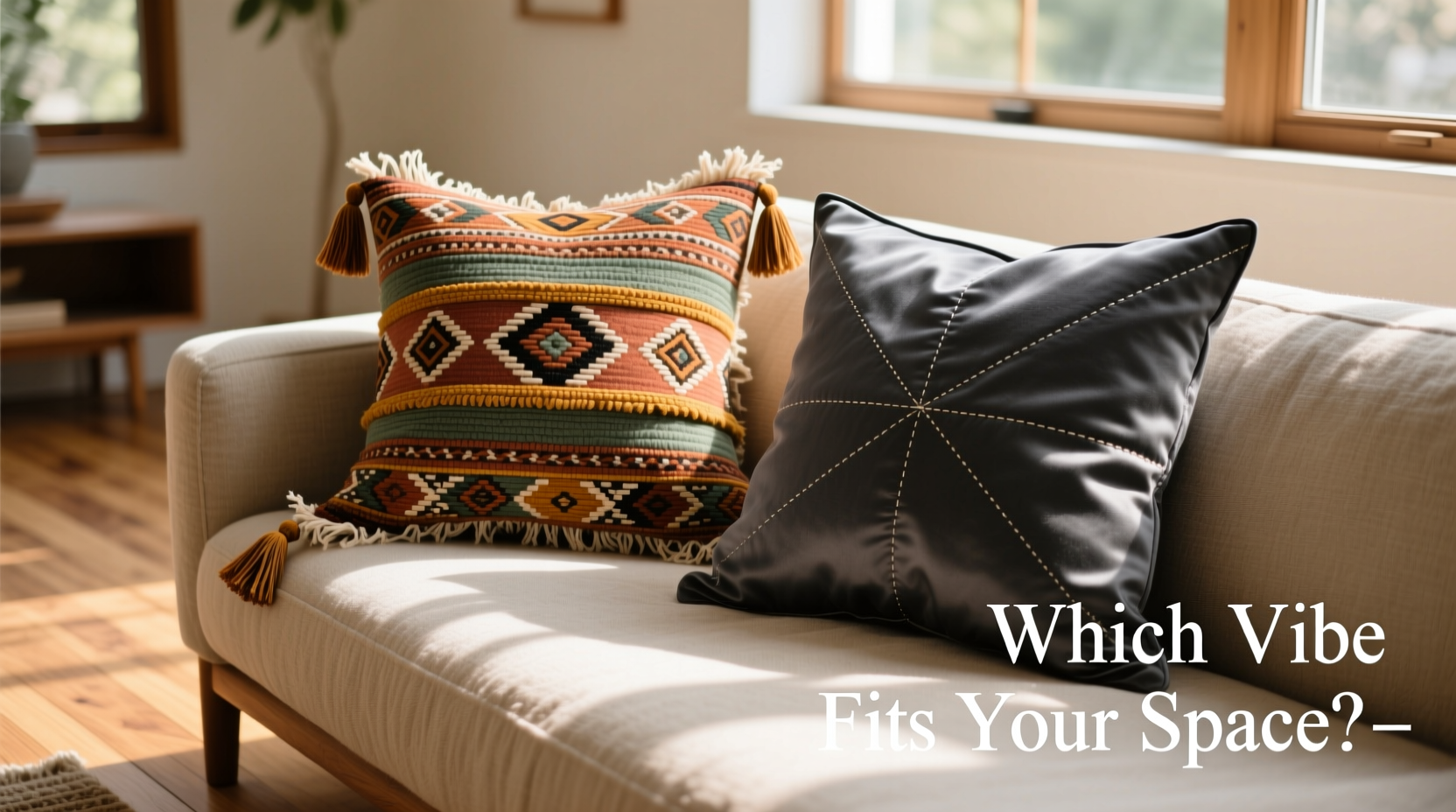
Boho (short for bohemian) draws inspiration from global cultures, vintage finds, and artistic expression. It embraces eclecticism, layering textures like macramé, tassels, and embroidery, and favors rich, earthy tones or vibrant jewel colors. The boho aesthetic celebrates imperfection, individuality, and a free-spirited approach to living. Think Moroccan rugs, rattan furniture, and cushions adorned with ethnic patterns or handwoven details.
Modern design, by contrast, is rooted in minimalism, functionality, and clean lines. Originating from early 20th-century movements like Bauhaus and Scandinavian design, modern interiors prioritize simplicity, neutral palettes, and high-quality materials. Cushion covers in this style often feature solid colors, geometric prints, or subtle tonal variations. Fabrics tend to be sleek—linen, cotton canvas, or wool blends—with little to no embellishment.
“Style isn’t just about how a room looks—it’s about how it feels when you walk into it. Boho invites you to linger; modern helps you breathe.” — Lila Chen, Interior Stylist & Author of *Living With Intention*
Visual and Textural Differences
The tactile experience of cushion covers plays a major role in defining a space’s character. Here’s how boho and modern differ across key sensory dimensions:
| Feature | Boho Cushion Covers | Modern Cushion Covers |
|---|---|---|
| Color Palette | Earthy reds, greens, indigo, mustard; often mixed | Neutrals: white, gray, black, beige; occasional bold accent |
| Patterns | Floral, tribal, paisley, ikat, mandala | Geometric, abstract, striped, or solid |
| Textures | Fringe, tassels, embroidery, woven fabrics | Sleek, smooth, matte finishes |
| Materials | Cotton, jute, wool, hemp, recycled textiles | Linen, cotton canvas, performance synthetics |
| Vibe | Warm, inviting, layered, expressive | Calm, structured, uncluttered, serene |
Choosing Based on Your Space and Lifestyle
Your choice shouldn’t be dictated solely by trends but by how you use and feel in your space. Consider these real-life factors:
- Room size: Smaller spaces often benefit from modern cushion covers, which reduce visual clutter and create an airy feel. Larger rooms with high ceilings can handle the layered look of boho without feeling cramped.
- Natural light: Rooms with abundant sunlight can support deeper boho tones without feeling dark. North-facing or dimly lit rooms may feel cozier with lighter modern hues.
- Lifestyle: Families with kids or pets might lean toward modern covers made from durable, stain-resistant fabrics. Those who entertain frequently or value self-expression may enjoy the storytelling potential of boho designs.
- Existing furniture: Mid-century modern sofas pair naturally with minimalist cushions, while wicker chairs or vintage daybeds call for boho flair.
Mini Case Study: Sarah’s Sunroom Transformation
Sarah, a graphic designer living in Portland, wanted to turn her underused sunroom into a creative retreat. Initially, she leaned toward boho—she loved the idea of hanging plants, patterned pillows, and global textiles. But after placing a few heavily embroidered cushions on her sleek teak sofa, the space felt chaotic. “It looked like a thrift store exploded,” she admitted.
She reevaluated. Her architecture was mid-century modern, with large windows and clean woodwork. Instead of abandoning boho entirely, she adopted a modern boho hybrid: neutral linen base cushions accented with one boldly patterned cover in terracotta and navy. She added texture through a single macramé wall hanging and a jute rug. The result? A balanced space that felt personal, calm, and inspiring—proof that blending elements thoughtfully can yield the best of both worlds.
How to Combine Both Styles Thoughtfully
You don’t have to choose sides. Many contemporary homes successfully merge boho warmth with modern clarity. The key is intentionality.
- Start with a modern foundation: Choose furniture and primary cushion covers in neutral tones and simple shapes.
- Add boho accents sparingly: Introduce one or two statement cushions with ethnic prints or tassels to serve as focal points.
- Maintain a cohesive color story: Even if patterns vary, keep hues within the same family—e.g., rust, olive, and cream—to avoid visual noise.
- Balance scale and proportion: Pair a large, busy print with smaller, subtler textures to prevent overwhelm.
- Edit ruthlessly: If the arrangement feels too busy, remove one piece. Less is often more, even in boho.
Practical Checklist: Which Vibe Fits Your Home?
Answer these questions to determine your ideal direction:
- ✅ Do you prefer clutter-free surfaces and streamlined decor? → Lean modern.
- ✅ Do you collect travel souvenirs, art, or handmade goods? → Boho may suit you better.
- ✅ Is your furniture primarily neutral or monochrome? → Modern cushions will complement it.
- ✅ Do you enjoy changing decor often and mixing eras? → Boho offers more flexibility.
- ✅ Are you drawn to nature-inspired materials like rattan, clay, or raw wood? → Boho aligns with that ethos.
- ✅ Do you value low-maintenance, easy-to-clean fabrics? → Modern performance textiles are ideal.
Frequently Asked Questions
Can I mix boho and modern cushion covers in the same room?
Absolutely—many designers do. The trick is anchoring the space in one dominant style and using the other as an accent. For instance, use modern sofa cushions as a base and add boho lumbar pillows for warmth and personality.
Are boho cushion covers harder to maintain?
Some are. Handmade or intricately detailed covers may require dry cleaning or spot treatment. Always check care labels. For easier upkeep, look for boho-style prints on machine-washable cotton-linen blends.
Will modern cushion covers go out of style?
Unlikely. Modern design emphasizes timelessness over trendiness. While specific colors or micro-trends may shift, the principles of simplicity and function ensure longevity. Investing in quality modern covers often means fewer replacements over time.
Final Thoughts: Let Your Space Reflect You
The decision between boho and modern cushion covers ultimately comes down to authenticity. A modern space isn’t superior because it’s minimalist, nor is a boho room more “interesting” simply because it’s colorful. What matters is alignment—with your lifestyle, your values, and the energy you want to cultivate at home.
If you crave calm, order, and a sense of spaciousness, modern cushion covers will support that vision. If you thrive in environments that feel lived-in, expressive, and full of soul, boho is likely your natural fit. And if you resonate with both, don’t be afraid to blend them with purpose.
💬 Which vibe speaks to you—boho warmth or modern serenity? Share your favorite cushion combinations or tag us in your styling wins. Let’s inspire each other to create spaces that truly feel like home.








