For many, the holiday season is a joyful time of giving, but it also brings a unique challenge: keeping gifts out of sight. In spacious homes, hiding presents might be as simple as tucking them into a spare closet or attic. But when you live in a studio apartment, a compact urban flat, or share a home with curious children or observant family members, finding discreet yet accessible places to store wrapped surprises can feel like a logistical puzzle.
The key isn’t just about secrecy—it’s about smart space utilization. With creativity and strategic planning, even the smallest nooks can become perfect gift vaults. From overlooked household items to clever furniture hacks, this guide explores practical, realistic ways to conceal your holiday haul without sacrificing daily functionality or risking accidental discovery.
Why Gift Hiding Matters in Compact Homes
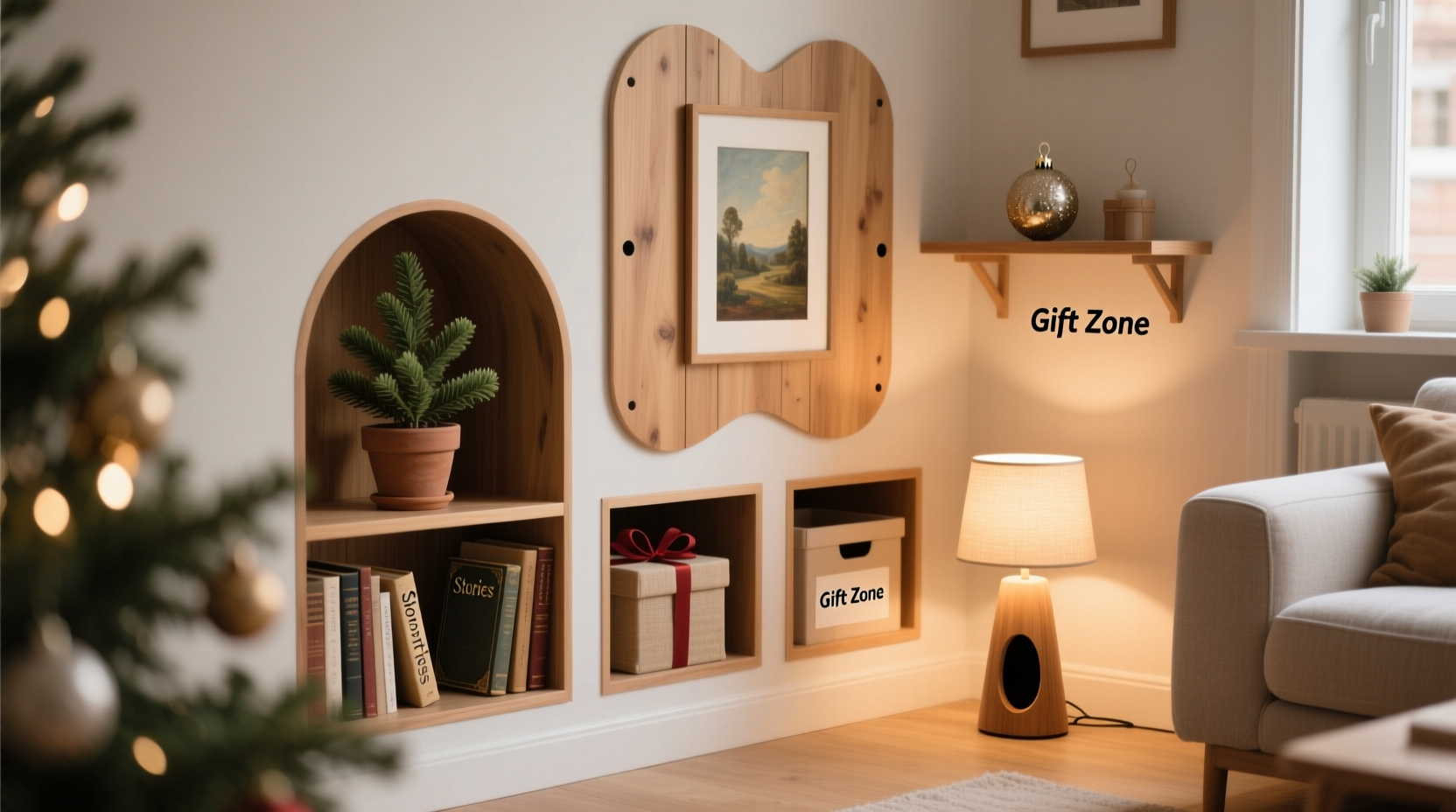
In small living environments, privacy is limited. Open-concept layouts, shared bedrooms, and multifunctional furniture mean that every corner is visible—or within reach. The risk of early discovery increases when guests linger in common areas or kids explore during playtime. A prematurely found gift doesn’t just spoil the surprise; it can disrupt the rhythm of holiday anticipation.
More than aesthetics, effective gift stashing supports emotional intentionality. The act of unwrapping on Christmas morning carries meaning—a moment of joy built on patience and preparation. Protecting that moment requires more than luck; it demands strategy.
“Maintaining the magic of Christmas often comes down to logistics, not just sentiment. In tight spaces, thoughtful storage preserves both the surprise and the spirit.” — Lena Torres, Lifestyle Organizer & Author of *Small Space, Big Holidays*
Top 7 Hidden Spots for Christmas Gifts in Small Spaces
When square footage is limited, vertical space, dual-purpose furniture, and everyday objects become your allies. Below are seven underused locations where gifts can stay concealed until December 25th.
1. Inside False-Bottom Storage Bins
Many households use decorative baskets or fabric bins to organize blankets, toys, or seasonal decor. These can double as covert gift containers with a simple modification: adding a false bottom.
Using cardboard, foam board, or thin plywood cut to size, create a shelf inside the bin that sits 4–6 inches from the top. Place lightweight, non-suspicious items (like scarves or throw pillows) above the divider. The real gifts go underneath, invisible during casual glances.
Tip: Label the bin with something mundane like “Winter Coats” or “Extra Linens” to deter curiosity.2. Behind or Inside Unusual Furniture
Furniture often goes overlooked as storage—not because it lacks capacity, but because its design distracts from function. Consider these options:
- Bench seats with lift-up lids: Common in entryways or at the foot of beds, these often contain deep cavities ideal for medium-sized boxes.
- Headboard compartments: Some platform beds include built-in shelves or cubbies behind the headboard—perfect for flat or slim packages.
- Inside ottomans: Lift-top storage ottomans offer up to 12 inches of depth. Wrap gifts in neutral paper and place them beneath blankets or magazines.
3. Within Seasonal Decorations
Decorative items naturally draw attention—but rarely inspection. Use this to your advantage by integrating gifts into your holiday display.
Large wreaths, fake trees, and light strands attract eyes but not hands. Conceal small, flat gifts (like books, gift cards, or jewelry) inside hollow ornaments, behind garland bundles, or tucked into tree stands. Just ensure they’re secured so they don’t fall during handling.
“In one client’s 450-square-foot apartment, we hid six gifts inside oversized pinecone decorations. They stayed undetected for three weeks—even during a family visit.” — Diego Mendez, Urban Home Strategist
4. High, Out-of-the-Way Shelves
Vertical space is the most underutilized resource in small homes. If you have access to high kitchen cabinets, bookshelves, or closet tops, use them strategically.
Stack flat or narrow gifts behind existing items (like cookware, photo albums, or stored luggage). For extra camouflage, cover them with a piece of matching fabric or an old table runner. Avoid placing anything heavy overhead unless securely balanced.
5. Inside Laundry Appliances (When Not in Use)
This method works best in the final week before Christmas when laundry routines slow down. Clean, dry washing machines and dryers can temporarily house small to medium gifts—if precautions are taken.
Wrap items in plastic bags or ziplock covers to protect against moisture or accidental cycles. Only use this spot if you’re certain no one will need the machine during the hiding period. Remove all gifts at least 24 hours before planned use.
6. Underneath Floor-Length Furniture Skirts
Dining tables, buffets, or dressers with long cloths provide excellent visual cover. The area beneath a floor-length tablecloth can hide several medium-sized boxes, especially if placed toward the center where movement is minimal.
To avoid suspicion, place non-gift items (like serving platters or unused chargers) nearby to justify occasional access. Rotate the contents subtly every few days to mimic regular use.
7. In Plain Sight—But Misclassified
Sometimes the best hiding place is in view but mislabeled. This psychological trick relies on assumption rather than concealment.
Label a box “Tax Documents – Do Not Open Until 2025” or “Old Photos – Fragile.” Place it on a shelf among other storage boxes. Most people avoid touching anything marked administrative or emotionally sensitive. Include a decoy item (like printed forms or blank DVDs) to reinforce authenticity.
Step-by-Step Guide: Securely Stash Gifts Over 10 Days
Timing matters. Hide too early, and curiosity grows. Hide too late, and you run out of safe options. Follow this timeline to maximize secrecy and minimize stress.
- Day 1–3: Assess Your Space
Walk through each room and identify potential zones: high shelves, dual-use furniture, decorative areas. Rule out spots near heating vents, damp areas, or direct sunlight. - Day 4–5: Prepare Containers
Modify bins with false bottoms, clean appliance interiors, or assemble decoy labels. Test-fit sample boxes to confirm dimensions. - Day 6–7: Begin Strategic Placement
Start with less obvious spots first (e.g., high shelves). Avoid clustering all gifts in one area. Distribute across multiple zones. - Day 8–9: Camouflage & Monitor
Add surface items (books, linens, decor) to blend hidden gifts into surroundings. Observe traffic patterns—does someone frequently open that cabinet? - Day 10: Final Check
Ensure all hiding spots remain secure. Confirm no wrapping paper scraps or tags are visible. Remove any gifts from appliances if laundering resumes.
Do’s and Don’ts: Gift Hiding Best Practices
| Do | Don’t |
|---|---|
| Use neutral-colored wrapping under visible layers | Store gifts in children’s toy bins or play areas |
| Rotate access to hiding spots to avoid suspicion | Leave price tags or retailer labels exposed |
| Choose spots requiring deliberate effort to access | Hide sharp or fragile items where they could be knocked over |
| Label decoy boxes with boring, official-sounding names | Use freezers or fridges unless food-safe sealed |
| Keep a mental or written log of gift locations | Forget to retrieve gifts before last-minute cleaning |
Real Example: Hiding Gifts in a Studio Apartment
Maria, a graphic designer in Brooklyn, lives in a 380-square-foot studio with her partner and two young nieces who visit weekly. With no closets and minimal storage, she needed a stealthy system.
She began by purchasing two large wicker baskets labeled “Winter Knits” and added false bottoms using craft foam. She stored smaller gifts beneath, covering them with old sweaters. A third gift—a board game—was disassembled, flattened, and slipped behind a framed holiday poster mounted on the wall.
The largest item, a pair of boots, was placed inside a tall rubber planter near the door, disguised under artificial ivy. She accessed the planter only during “gardening checks,” which seemed routine.
All gifts remained undiscovered until Christmas morning. Her secret? “I made sure nothing required sudden movements or looked out of place. If it felt risky, I moved it.”
Checklist: Pre-Hide Preparation
Before placing any gift into hiding, complete this checklist to ensure safety, accessibility, and discretion:
- ✅ Remove all price tags and receipts
- ✅ Rewrap in plain or themed paper (avoid shiny or noisy materials)
- ✅ Confirm the hiding spot is dry, pest-free, and temperature-stable
- ✅ Test fit: Can the gift enter and exit easily without damage?
- ✅ Add a tracking note (e.g., “Aunt Lisa – scarf – under bed bin”)
- ✅ Ensure the location won’t be disturbed by cleaning, repairs, or guests
- ✅ Plan retrieval timing—don’t leave gifts longer than necessary
Frequently Asked Questions
Can I hide gifts in the freezer?
Only if the item is food-related or safely sealed in waterproof packaging. Avoid freezing electronics, books, or wrapped paper goods, as condensation can cause damage. Even then, label clearly to prevent accidental defrosting.
What if I run out of space indoors?
Consider off-site options: a trusted friend’s garage, a rented storage locker, or the trunk of your car (in mild climates). Always wrap items in protective layers and avoid leaving them overnight in extreme temperatures.
How do I hide large gifts in a small space?
Break them down when possible. Disassemble furniture, roll up rugs, or remove packaging. Use tall, narrow gaps—like between the refrigerator and wall—or suspend items from ceiling hooks in closets (if structurally safe). Prioritize concealment over convenience.
Conclusion: Make Space Work for the Season
Hiding Christmas gifts in a small living space isn’t about deception—it’s about preservation. You’re protecting more than paper and ribbons; you’re safeguarding moments of delight, the quiet buildup of holiday wonder, and the personal effort behind each present.
With thoughtful placement, everyday objects transform into secret keepers. A laundry basket becomes a vault. A bookshelf turns into a fortress. And in the end, the success isn’t measured by how well you hid—but by the look on their face when they finally see what was there all along.
💬 Have a genius hiding spot we didn’t mention? Share your best small-space gift stashing trick in the comments—help others keep the magic alive, no matter their square footage.








