For dog owners, a home should be more than just comfortable—it must be safe. One of the most overlooked safety concerns is flooring that lacks sufficient traction for pets. Dogs with arthritis, senior animals, or breeds with short legs and long bodies—like Dachshunds and Corgis—are especially prone to slipping on smooth surfaces such as hardwood, tile, or laminate. Repeated slips can lead to joint strain, muscle injuries, or even fear of movement. The right flooring choice, combined with smart traction enhancements, can transform your home into a secure environment where your dog moves freely and confidently.
Why Floor Traction Matters for Dogs
Dogs rely on grip to maintain balance, especially during quick turns, sudden stops, or when getting up from a lying position. Smooth floors like polished hardwood, glazed ceramic tile, or vinyl planks may look elegant but often provide minimal friction for paw pads. When a dog’s feet slide out from under them, it triggers an instinctive panic response. Over time, this can result in behavioral changes—some dogs begin avoiding certain rooms altogether, which limits their activity and quality of life.
Poor traction doesn’t just affect mobility; it exacerbates existing health issues. Veterinarians frequently observe that dogs with hip dysplasia, degenerative myelopathy, or recovering from orthopedic surgery are at higher risk on slippery surfaces. Dr. Laura Chen, a veterinary rehabilitation specialist, explains:
“Every uncontrolled slip places undue stress on joints and ligaments. In older dogs, this can accelerate the progression of osteoarthritis. Preventing slips isn’t just about comfort—it’s a critical part of pain management and mobility preservation.” — Dr. Laura Chen, DVM, Certified Canine Rehabilitation Practitioner
The solution lies not only in choosing better flooring but also in layering practical modifications that improve grip without compromising aesthetics.
Best Flooring Options for Dogs That Slip
Selecting the right flooring starts with understanding how different materials interact with canine paws. Texture, finish, and maintenance all play a role in slip resistance. Below is a comparison of common flooring types based on traction performance, durability, and ease of cleaning.
| Flooring Type | Traction Rating (1–5) | Durability | Water Resistance | Best For |
|---|---|---|---|---|
| Textured Porcelain Tile | 4 | High | Excellent | Kitchens, mudrooms, high-traffic areas |
| Engineered Wood (Matte Finish) | 3 | Moderate | Fair | Living rooms, bedrooms |
| Luxury Vinyl Plank (LVP) – Embossed | 4 | High | Excellent | Basements, bathrooms, multi-pet homes |
| Cork | 5 | Moderate | Fair (sealed) | Senior dog zones, quiet areas |
| Polished Hardwood | 1 | High | Poor | Avoid for homes with slipping dogs |
| Rubber Flooring (Interlocking Mats) | 5 | Very High | Excellent | Laundry rooms, dog runs, rehab areas |
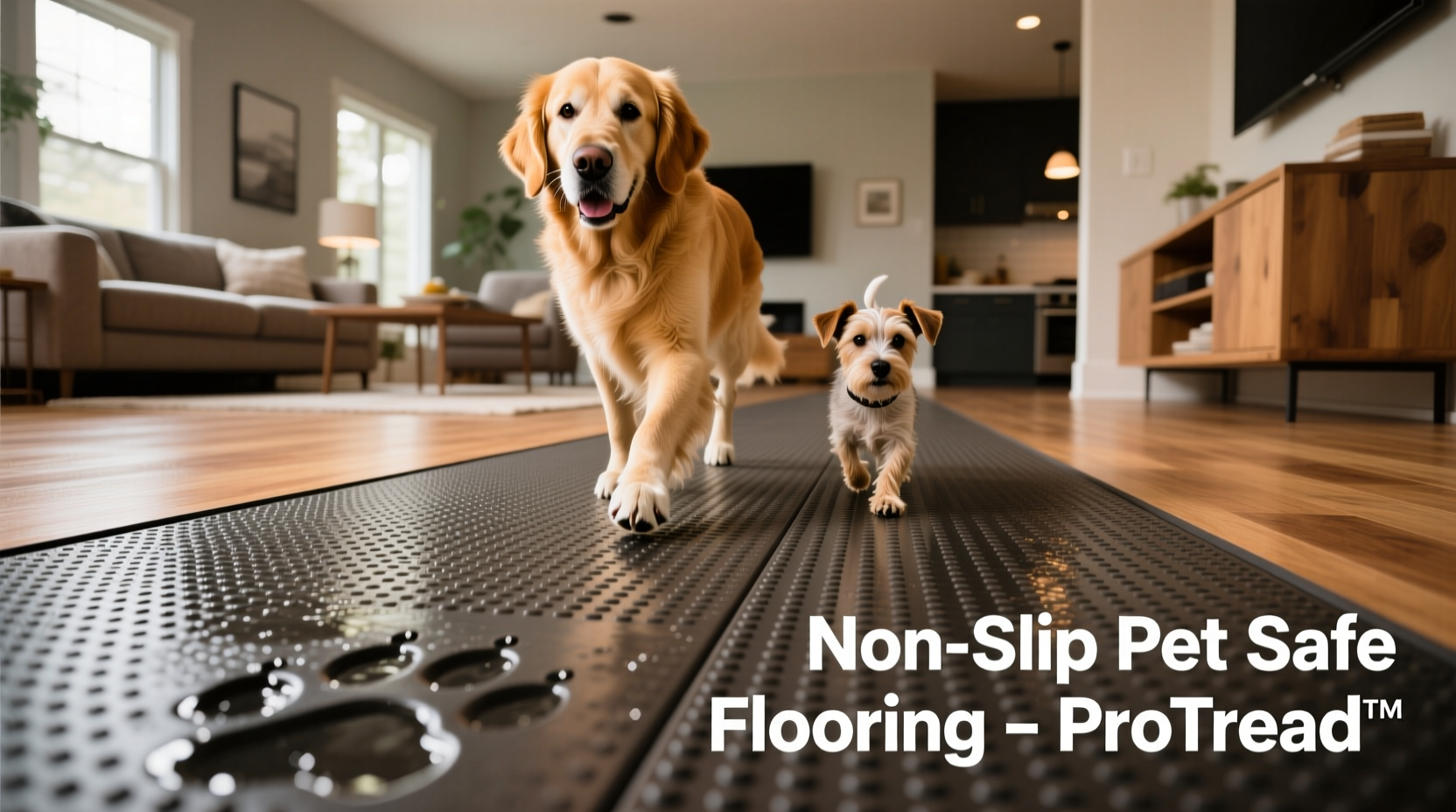
Among these, cork and textured rubber stand out for natural cushioning and superior grip. Cork is warm underfoot and slightly compressible, reducing joint impact. Rubber mats, particularly those with a pebbled or waffle surface, offer excellent non-slip properties and are ideal for areas where dogs spend significant time standing or lying down.
Tip: When selecting luxury vinyl plank (LVP), opt for products labeled “embossed” or “textured” rather than smooth or glossy finishes. These mimic the feel of real wood while providing much-needed traction.Easy Traction Solutions You Can Apply Today
Replacing flooring isn’t always feasible. Fortunately, several low-cost, non-permanent solutions can dramatically improve traction. These are especially useful for renters or homeowners who aren’t ready for a renovation.
1. Area Rugs and Non-Slip Pads
Placing washable rugs in key areas—such as near food bowls, entryways, and favorite resting spots—provides immediate grip. Choose flat-weave or low-pile rugs to prevent tripping. Crucially, pair every rug with a non-slip backing or pad. Look for pads made from natural rubber or felt-rubber composites that grip both floor and rug.
2. Adhesive Anti-Slip Treads
Similar to stair treads, these peel-and-stick strips can be applied directly to problem areas. Transparent versions blend into tile or hardwood while adding texture. Ideal locations include hallways, kitchen entrances, and bathroom thresholds—places where dogs often rush or hesitate.
3. Paw Balm and Toe Grips
Dry paw pads lack natural stickiness. Regular use of a vet-approved paw balm keeps pads hydrated and improves traction. Additionally, silicone toe grips—small caps glued onto nails—can provide temporary stability. These are especially helpful for older dogs with worn-down nails.
4. Strategic Furniture Placement
Positioning dog beds, ramps, or low furniture near slippery zones gives dogs something to brace against. A sturdy ottoman beside a sofa allows a small dog to push off securely when jumping down.
5. Clean Floors Properly
Even high-traction floors become slippery when coated with dust, wax, or cleaning residue. Avoid oil-based cleaners on tile or wood. Instead, use pH-neutral pet-safe sprays and mop regularly with a microfiber cloth that removes film buildup.
“Simple changes like adding a runner rug or using a non-slip mat under food bowls can reduce slipping incidents by over 70% in our clinical observations.” — Dr. Mark Thompson, Veterinary Physical Therapist
Step-by-Step Guide to Creating a Slip-Resistant Home
Follow this actionable plan to assess and upgrade your home’s safety for a slipping-prone dog:
- Identify Problem Zones: Observe where your dog hesitates, slides, or struggles to stand. Common areas include kitchens, bathrooms, hallways, and entries with tile or hardwood.
- Test Floor Grip: Try walking barefoot on the floor. If your feet slide easily, so will your dog’s paws. Alternatively, place a rubber-soled shoe on the floor and gently tilt it—any sliding indicates poor traction.
- Map High-Use Areas: Note where your dog eats, sleeps, drinks water, or waits by the door. Prioritize these for traction improvements.
- Install Immediate Fixes: Lay down non-slip rugs, apply adhesive treads, or use interlocking foam tiles in critical zones.
- Evaluate Long-Term Options: If renovations are possible, consider replacing one or two high-risk rooms with cork, textured LVP, or rubber flooring.
- Maintain Consistently: Clean floors weekly with appropriate products and inspect rugs/pads monthly for wear or shifting.
Real-Life Example: Helping Daisy the Senior Dachshund
Daisy, a 12-year-old Dachshund from Portland, began showing signs of hesitation on her family’s hardwood floors. Her owner, Sarah, noticed she would “bunny hop” instead of walking normally and avoided going downstairs entirely. A vet visit confirmed mild disc disease, worsened by repeated slips.
Sarah implemented a three-phase solution:
- She placed washable jute runners in the hallway and near the kitchen island.
- Added a non-slip rubber mat under Daisy’s bed and food station.
- Applied transparent anti-slip treads to each step of the staircase.
Within two weeks, Daisy regained confidence. She resumed using the stairs with assistance and stopped limping after short walks. Her vet noted improved muscle tone during follow-up exams, attributing progress to reduced fear of falling.
This case illustrates how targeted, affordable interventions can significantly enhance a dog’s mobility and well-being—even without major renovations.
Checklist: Dog-Safe Flooring Action Plan
Use this checklist to ensure your home supports your dog’s stability:
- ✅ Identify at least three high-risk flooring areas
- ✅ Purchase non-slip rugs or mats with rubber backing
- ✅ Install adhesive treads on stairs or slick thresholds
- ✅ Switch to a non-glossy, textured flooring in upcoming remodels
- ✅ Apply paw balm 2–3 times per week if pads are dry
- ✅ Clean floors with residue-free, pet-safe cleaner weekly
- ✅ Monitor your dog’s gait and adjust solutions as needed
Frequently Asked Questions
Can I make my existing hardwood floor safer without replacing it?
Yes. Use area rugs with non-slip pads, apply anti-slip coatings designed for hardwood, or place interlocking foam tiles in high-traffic zones. Avoid waxing the floor, as this increases slipperiness.
Are there specific dog booties that help with traction?
Yes. Look for booties with rubberized soles or grippy tread patterns. Brands like Ruffwear and PawZ offer durable options. Introduce them gradually with positive reinforcement, as some dogs resist wearing footwear.
How do I know if my dog is slipping too much?
Signs include skidding feet, wide-legged stance, reluctance to walk on certain floors, audible nail clicking, or sudden sitting due to loss of balance. Video your dog walking across the floor—if their back legs slide sideways, traction is insufficient.
Final Thoughts and Next Steps
A dog’s ability to move safely through their home is fundamental to their physical health and emotional security. While aesthetic appeal matters, nothing outweighs the importance of a stable, supportive environment—especially for aging or physically compromised pets. Whether you choose to upgrade flooring or implement simple traction aids, every improvement counts.
Start today by observing your dog’s movements. Identify just one slippery zone and apply a basic fix, like a non-slip mat or rug. Small actions create lasting change. Share your experience with other pet owners, and encourage them to evaluate their own homes. Together, we can build safer spaces where every dog walks with confidence.
💬 Have a slipping dog? Share your solution or ask a question below—your insight could help another pet parent avoid a fall.