As summer nights grow hotter and sleep quality becomes harder to maintain, many people are turning to specialized bedding for relief. Two popular solutions have emerged: bamboo fiber blankets and modern cooling blankets designed with advanced synthetic fabrics. But a critical question remains—does bamboo actually keep you cooler, or is it just marketing hype? The answer isn’t straightforward, but understanding the science behind both materials reveals important differences in performance, comfort, and long-term value.
The Science of Sleep Temperature Regulation
Your body naturally lowers its core temperature during the onset of sleep. When ambient heat or insulating bedding interferes with this process, rest becomes fragmented and less restorative. Effective bedding should support thermoregulation by wicking moisture, allowing airflow, and minimizing heat retention.
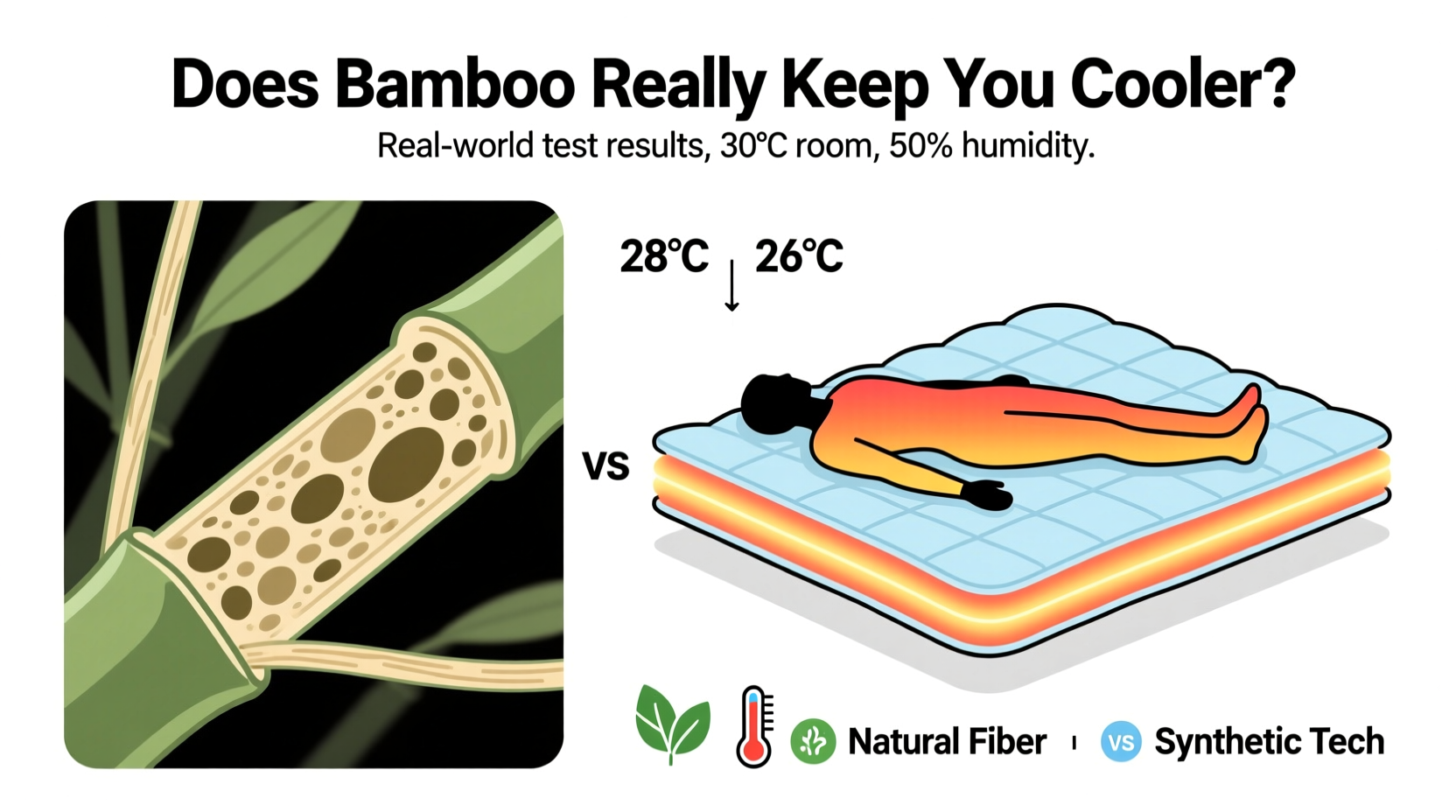
Natural fibers like cotton and bamboo are often praised for breathability, while engineered cooling blankets use phase-change materials (PCMs), moisture-wicking polymers, or conductive fibers to actively draw heat away from the body. The key difference lies in passive versus active cooling mechanisms.
“Thermal comfort in bedding depends on moisture management more than raw conductivity. A fabric that feels cool initially may not sustain comfort if it traps sweat.” — Dr. Lena Torres, Textile Scientist at the Institute of Sleep and Material Research
Bamboo Fiber: Natural Cooling Properties Explained
Bamboo fabric is derived from cellulose extracted from bamboo plants. Most commercially available bamboo textiles are made through a viscose process, resulting in a soft, silky material often marketed as eco-friendly and hypoallergenic.
Bamboo fiber possesses several characteristics that contribute to perceived coolness:
- Moderate moisture wicking: Bamboo can absorb up to 60% more moisture than cotton, helping to pull sweat away from the skin.
- Natural breathability: The structure of bamboo fibers allows for better air circulation compared to dense synthetics.
- Soft thermal neutrality: It doesn’t cling to the skin or generate static, reducing the sensation of overheating.
However, bamboo’s cooling effect is largely passive. It doesn’t actively lower temperature but rather prevents excessive heat buildup by facilitating evaporation and airflow.
Tip: Look for blends labeled “bamboo viscose” or “bamboo rayon” with at least 70% bamboo content for optimal softness and breathability.Cooling Blankets: How Technology Enhances Thermal Comfort
Cooling blankets represent a newer category of bedding engineered specifically for temperature control. These products incorporate one or more of the following technologies:
- Phase-change materials (PCMs): Microcapsules embedded in fibers absorb excess body heat when you're warm and release it when you cool down, stabilizing microclimate temperature.
- Moisture-wicking synthetics: Fabrics like TENCEL™ Lyocell, Coolmax®, or Outlast® enhance evaporation and reduce dampness.
- Conductive elements: Some premium models include silver or ceramic-infused threads that disperse heat more efficiently.
- Aerated weave patterns: Knits or mesh zones increase ventilation in high-heat areas like the torso and feet.
Unlike bamboo, which relies on inherent fiber properties, cooling blankets are designed to respond dynamically to changes in body temperature. This makes them particularly effective for individuals who experience night sweats, hot flashes, or live in humid climates.
Direct Comparison: Bamboo Fiber vs Cooling Blanket
| Feature | Bamboo Fiber Blanket | Cooling Blanket (Tech-Enhanced) |
|---|---|---|
| Cooling Mechanism | Passive (breathability & moisture absorption) | Active (heat dissipation, PCMs, wicking) |
| Initial Feel | Soft, smooth, slightly cool to touch | Noticeably cool upon contact |
| Durability | Moderate; prone to pilling over time | High; reinforced fibers resist wear |
| Eco-Friendliness | High (renewable source, biodegradable) | Variable (often includes synthetic components) |
| Price Range | $30–$80 | $80–$200+ |
| Best For | Mild climate sleepers, sensitive skin, eco-conscious users | Hot sleepers, menopausal women, humid environments |
Real-World Example: Sarah’s Summer Sleep Struggle
Sarah, a 45-year-old teacher from Atlanta, struggled with disrupted sleep during summer months due to frequent night sweats. She first tried a 100% bamboo fiber blanket, appreciating its softness and light weight. While it felt cooler than her old cotton throw, she still woke up damp and uncomfortable around 2 a.m.
After researching alternatives, she invested in a cooling blanket with Outlast® technology. Within two nights, her sleep improved significantly. The blanket didn’t feel wet, and she reported fewer awakenings. “It’s not that the bamboo blanket was bad,” she said, “but the cooling one actually managed my heat instead of just letting it build up.”
This case illustrates a common pattern: bamboo provides baseline comfort, while tech-enhanced blankets offer targeted thermal regulation.
How to Choose the Right Option for Your Needs
Selecting between bamboo fiber and a cooling blanket depends on your specific sleep environment and physiology. Consider the following checklist before purchasing:
- Assess your sweating level: Do you wake up drenched, or just slightly warm?
- Evaluate your climate: High humidity reduces evaporative cooling, making active tech more valuable.
- Check sensitivity: Bamboo is naturally hypoallergenic and gentle on sensitive skin.
- Review maintenance needs: Bamboo requires gentle washing; some cooling blankets are machine-washable but lose effectiveness over time.
- Consider sustainability: If environmental impact matters, bamboo scores higher than most synthetic-cooled options.
Frequently Asked Questions
Does bamboo really cool you down, or is it just marketing?
Bamboo doesn’t actively cool like refrigeration, but its breathability and moisture absorption create a cooler sleeping surface compared to cotton or polyester. It excels at preventing heat buildup rather than lowering temperature.
Are cooling blankets worth the extra cost?
For individuals with chronic overheating, night sweats, or those living in hot climates, yes. The investment pays off in improved sleep continuity and comfort. For mild warmth, a bamboo blanket may suffice at a lower price point.
Can I wash bamboo fiber blankets regularly without damage?
Yes, but care is essential. Use cold water, gentle cycle, and mild detergent. Avoid bleach and high-heat drying, which can degrade fibers and reduce softness over time.
Conclusion: Making an Informed Decision for Cooler Sleep
Bamboo fiber offers a naturally breathable, eco-friendly option that improves sleep comfort for many. However, it doesn’t match the active heat-regulating power of engineered cooling blankets. The truth is, bamboo keeps you cooler than traditional fabrics—but not necessarily cooler than advanced textile technology.
If your priority is sustainability and gentle comfort, bamboo is an excellent choice. If you battle intense heat or night sweats, a dedicated cooling blanket will likely deliver superior results. The best approach may be combining both: using bamboo sheets for softness and a cooling top layer for temperature control.
🚀 Ready to transform your sleep experience? Evaluate your nighttime habits, try a sample swatch, and invest in the solution that aligns with your comfort needs—not just the claims on the label.