In recent years, the accessories attached to handbags have shifted dramatically in purpose and design. What was once a modest collection of functional add-ons—like key clips and strap protectors—has evolved into a booming market for decorative bag charms, plush pendants, and limited-edition designer trinkets. While these embellishments bring personality and flair, they raise an important question: are we sacrificing utility for visual appeal? As consumers increasingly prioritize Instagram-worthy aesthetics, the humble key organizer risks fading into obscurity. This article explores the growing divide between form and function in bag accessories, examining trends, user behavior, and long-term implications.
The Rise of the Bag Charm Culture
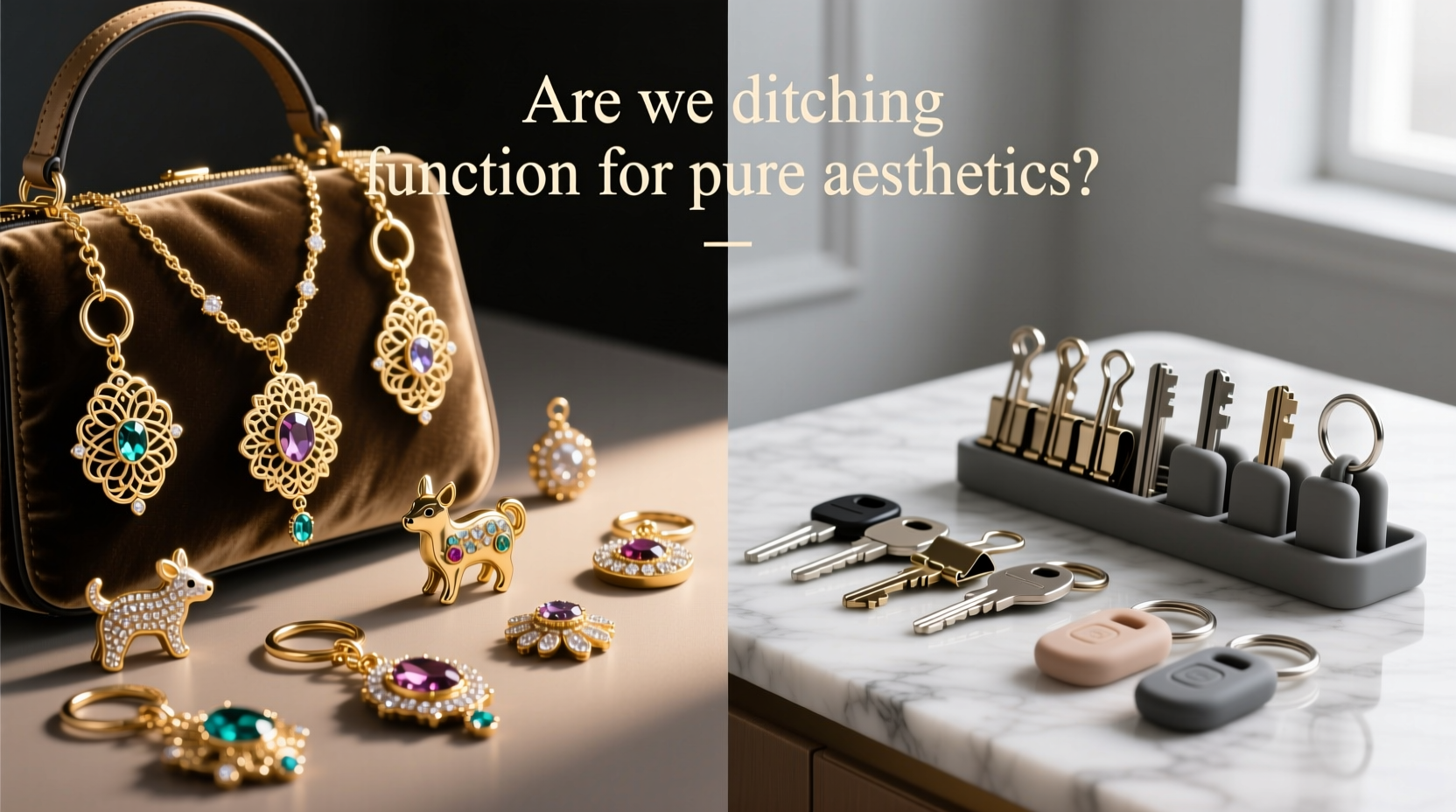
Bag charms have transformed from niche luxury extras into mainstream must-haves. Major fashion houses like Gucci, Chanel, and Saint Laurent now release seasonal charm collections, often priced in the hundreds of dollars. Social media platforms, particularly TikTok and Instagram, have amplified their popularity. Influencers showcase elaborate \"charm stacks,\" layering multiple trinkets on their bags to create a curated, personalized look. The appeal lies in self-expression—each charm tells a story, reflects a mood, or signals brand allegiance.
But beyond branding and personalization, many modern charms serve no practical role. Some are purely ornamental; others double as small mirrors or bottle openers but are rarely used for those purposes. Their primary function has become aesthetic enhancement rather than utility. In fact, some high-end bags now come pre-attached with signature charms, reinforcing the idea that decoration is part of the product’s identity.
Tip: If you love charms, rotate them seasonally to keep your bag looking fresh without overcrowding it.The Forgotten Utility: Key Organizers
Long before charms dominated accessory culture, key organizers were the go-to solution for managing daily essentials. These compact tools—often made of leather or metal—allow users to consolidate keys onto a single clip or fob, preventing jangling, scratching inside bags, and time wasted searching. They’re especially useful for professionals, parents, and frequent travelers who carry multiple keys, USB drives, or access cards.
Despite their usefulness, key organizers are losing ground. A 2023 retail report from Fashion Analytics Group noted a 22% decline in standalone key organizer sales over three years, while decorative charm sales rose by 47%. Many consumers now opt for slim cardholders or wristlets that include key loops, but even these often lack the structured organization that dedicated key holders provide.
“Functionality doesn’t have to be boring. A well-designed key organizer can be both elegant and efficient.” — Marcus Lin, Product Designer at Tote & Co.
Charm vs Organizer: A Practical Comparison
| Feature | Bag Charms | Key Organizers |
|---|---|---|
| Primary Purpose | Decoration, brand expression | Organization, quick access |
| Average Price | $30–$300+ | $15–$80 |
| Daily Use Value | Low (cosmetic) | High (functional) |
| Bulk/Weight Impact | Can add noticeable weight | Minimal, streamlined |
| Lifespan | Moderate (prone to loss or damage) | Long (durable materials) |
| Trend Relevance | High (social media driven) | Low (understated) |
This comparison reveals a clear trade-off: charm wearers gain visibility and style but may lose efficiency and convenience. Meanwhile, key organizer users benefit from reliability and order—but without the social currency that comes with a flashy accessory.
Real-World Scenario: The Commuter’s Dilemma
Consider Sarah, a marketing executive in Chicago who carries a designer tote daily. She loves rotating her bag charms—a zodiac lion for summer, a holiday snowflake in December. Her bag turns heads in the office elevator. But every morning, she spends nearly two minutes fishing for her car key buried beneath receipts, lip balm, and a laptop charger. One rainy Tuesday, she drops her entire set trying to unlock her vehicle, sending keys into a puddle. Frustrated, she buys a minimalist key organizer the next day. It fits neatly on her bag’s interior hook, keeps her keys silent and secure, and even includes a small flashlight. She keeps one small charm for personality—but admits she values the organizer far more.
Sarah’s experience reflects a broader pattern: emotional satisfaction from aesthetics often conflicts with real-world usability. When functionality fails, even the most stylish accessory loses its luster.
When Style Undermines Function
The issue isn’t that bag charms are inherently bad—they can be joyful, meaningful, and beautifully crafted. The problem arises when they displace essential tools in the name of trendiness. Overloading a bag with heavy charms can strain straps, cause hardware wear, or make zippers harder to close. Some users report that dangling trinkets catch on clothing or seat belts. Others admit they avoid certain bags altogether because the charms make them feel “too loud” or impractical for work or travel.
Moreover, the disposable nature of fast-fashion charms—plastic-based, mass-produced items meant to match seasonal trends—raises sustainability concerns. Unlike durable key organizers designed to last years, many charms are discarded after a few months, contributing to accessory waste.
Tip: Limit yourself to one or two lightweight charms per bag to maintain balance between style and function.How to Strike the Right Balance
It’s possible to enjoy both aesthetics and efficiency. The key is intentional curation. Instead of treating bag accessories as afterthoughts, approach them as part of your daily system. Here’s a step-by-step guide to optimizing your setup:
- Assess your daily needs: Do you carry house, car, and office keys? A key organizer will save time and reduce clutter.
- Prioritize placement: Attach organizers inside the bag or on a discreet D-ring. Reserve external hooks for lighter charms.
- Choose multifunctional pieces: Some brands offer charms with built-in bottle openers, mini flashlights, or even QR code tags for lost bags.
- Rotate seasonally: Keep one signature charm year-round, and swap others to reflect moods or occasions.
- Evaluate regularly: Every few months, remove all accessories and ask: which ones do I actually use?
Checklist: Functional Yet Stylish Accessory Strategy
- ✅ Use a compact key organizer for daily essentials
- ✅ Choose one lightweight charm for personality
- ✅ Avoid charms heavier than 2 oz
- ✅ Store off-season charms properly (in soft pouches)
- ✅ Inspect bag hardware monthly for strain or wear
Frequently Asked Questions
Can I use a bag charm and a key organizer together?
Yes—many users attach a key organizer inside the bag or on a separate ring, reserving external D-rings for decorative charms. Just ensure neither adds excessive weight or interferes with closure mechanisms.
Are key organizers outdated?
No. While less visible in trend-driven spaces, key organizers remain popular among professionals, travelers, and minimalists. Their practical value ensures lasting relevance, even if they don’t trend on social media.
Do bag charms damage handbags?
Potentially. Heavy or abrasive charms can scratch hardware, fray straps, or stress stitching over time. To prevent damage, opt for padded attachments or silicone guards, and avoid swinging charms during movement.
Conclusion: Style Shouldn’t Cost You Function
The rise of bag charms reflects a cultural shift toward personalization and visual storytelling. There’s nothing wrong with wanting your accessories to express who you are. But when form consistently overrides function, we risk making our lives harder for the sake of a photo. True sophistication lies not in what you carry, but in how effortlessly you move through your day.
Instead of choosing between charm and utility, integrate both thoughtfully. Let your bag reflect your style—but also support your life. A well-organized interior with a single meaningful charm strikes the perfect balance: quiet efficiency paired with subtle delight. In a world obsessed with appearances, being quietly prepared might just be the most stylish choice of all.
💬 What’s your take? Do you lean toward charm or function? Share your accessory philosophy in the comments and help others find their ideal balance.








