
For many travelers, a carry-on isn’t complete without a plush U-shaped cushion wrapped around their neck. Travel neck pillows have become almost as standard as headphones or eye masks on planes. But when it comes to short-haul flights—those under three hours—is this accessory truly essential, or is it just another item taking up space in an already overstuffed bag?
The answer depends on more than flight duration. It hinges on individual needs, seating comfort, sleep habits, and even long-term spinal health. While some passengers swear by their neck pillow for even brief trips, others find them bulky, ineffective, or simply unnecessary. This article examines the real value of travel neck pillows on short flights, weighing benefits against drawbacks, and offering practical advice for making an informed decision.
Understanding the Purpose of Travel Neck Pillows
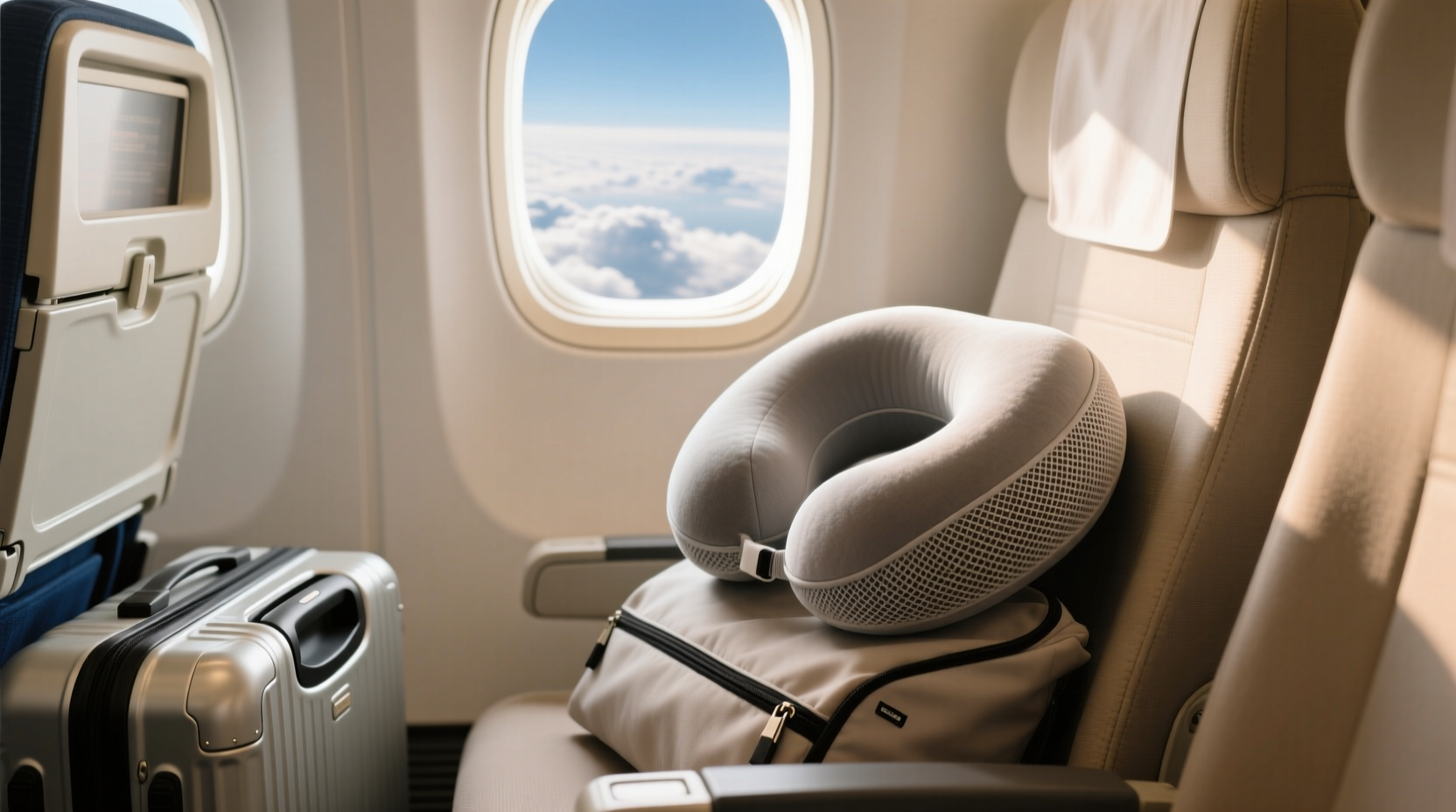
At their core, travel neck pillows are designed to support the head and neck during periods of sitting upright, especially when reclining fully isn't possible. On airplanes, where seats often have limited recline and headrests aren't always adjustable, maintaining proper spinal alignment can be difficult. Without support, the head tends to tilt forward, backward, or sideways, leading to muscle strain, stiffness, and discomfort upon landing.
The most common design—the U-shape—wraps around the back and sides of the neck, preventing lateral movement and reducing the \"bobble effect\" that occurs when dozing off mid-flight. Materials range from memory foam to inflatable options, each with trade-offs in comfort, portability, and durability.
However, not all travelers experience the same level of discomfort. Some naturally sit comfortably for hours, while others feel neck tension after just 30 minutes. The necessity of a neck pillow ultimately varies by individual physiology and sensitivity to posture-related strain.
Tip: If you frequently wake up with a stiff neck after napping in chairs or cars, you’re likely to benefit from a neck pillow—even on short flights.When Short Flights Still Warrant Neck Support
While three hours might seem too brief to require dedicated neck support, several factors can make those minutes count. Consider the following scenarios where a neck pillow adds tangible value:
- Early morning or red-eye flights: When flying during your natural sleep window, even a short trip may involve trying to rest. A pillow increases the chances of falling asleep and reduces fatigue upon arrival.
- Tight connections or packed schedules: If you’re flying multiple legs in one day, cumulative discomfort from poor posture can impact energy levels and focus. Preventing strain early helps maintain stamina.
- Poor seat ergonomics: Economy class seats vary widely across airlines. Some have rigid headrests, minimal padding, or fixed positions that push the head forward. In such cases, external support becomes critical.
- Pre-existing neck or shoulder issues: Individuals with chronic pain, arthritis, or past injuries may need consistent support to avoid flare-ups during travel.
A study published in the *Journal of Physical Therapy Science* found that prolonged sitting in suboptimal postures—common on aircraft—can lead to increased cervical spine stress. Even brief exposure contributes to cumulative strain, particularly when repeated over time. For frequent flyers, investing in preventive measures like a neck pillow may reduce long-term musculoskeletal risks.
“Short durations don’t eliminate biomechanical stress. Supporting the neck during any seated travel helps maintain neutral alignment and prevents micro-injuries.” — Dr. Lena Torres, Chiropractic Specialist in Travel Ergonomics
Practical Trade-offs: Comfort vs. Convenience
Despite their potential benefits, travel neck pillows come with real logistical costs. They take up space, add weight, and can be awkward to carry when not in use. This section compares key considerations using a structured overview.
| Factor | Pros | Cons |
|---|---|---|
| Comfort & Health | Reduces neck strain, supports better sleep posture | Only beneficial if used; ineffective if poorly fitted |
| Portability | Inflatable models compress to small sizes | Bulkier memory foam versions take significant bag space |
| Hygiene | Personal item avoids contact with shared surfaces | Can trap sweat and odors if not cleaned regularly |
| Cost | Affordable options start under $15 | Premium models exceed $50 with questionable added value |
| Alternative Uses | Doubles as lumbar support or nap aid in cars/trains | Limited versatility depending on design |
The table illustrates that while neck pillows offer measurable comfort advantages, their utility must be weighed against practical constraints. For infrequent travelers, the cost-benefit ratio may lean toward skipping the pillow. However, for those who fly weekly or monthly, the investment in comfort and injury prevention often justifies the minor inconvenience.
Real-World Example: Two Travelers, One Flight
Consider two colleagues, Sarah and James, both boarding a 2-hour evening flight from Chicago to Atlanta.
Sarah, a project manager, flies at least twice a month. She has mild cervical disc degeneration diagnosed two years ago. Without support, she often experiences headaches and neck tightness after flights. On this trip, she uses her compact memory foam neck pillow. She reclines slightly, rests her head comfortably, and dozes off for 45 minutes. Upon landing, she feels refreshed and reports no physical discomfort.
James, a sales associate, flies only a few times a year. He finds neck pillows awkward and prefers leaning against the window. During the same flight, he shifts positions repeatedly, eventually slumping forward with his chin on his chest. He wakes up with a stiff neck and spends the next hour stretching and massaging his shoulders.
This scenario highlights how personal physiology and travel frequency influence the usefulness of a neck pillow. What seems excessive to one person may be a necessary tool for another.
Tip: Test your neck pillow at home first. Sit in a dining chair or office seat for 30 minutes to see if it genuinely improves your posture and comfort.Smart Alternatives to Traditional Neck Pillows
If you're unsure about committing to a dedicated neck pillow, several lightweight or multipurpose alternatives exist:
- Wearable scarves with hidden support: Brands now offer fashion scarves with built-in inflatable or foam collars that deploy when needed. These double as regular accessories and eliminate bulk.
- Roll-up towels or clothing: A tightly rolled sweater or jacket placed behind the neck can provide temporary support. Not as effective, but useful in a pinch.
- Adjustable headrest techniques: Some airline seats allow manipulation of headrest wings. Positioning them to cradle the sides of your head can mimic a pillow’s stabilizing effect.
- Posture-focused seating: Sitting upright with shoulders relaxed and chin slightly tucked minimizes strain. Avoid crossing arms or hunching forward.
For ultra-minimalist travelers, these substitutes offer a middle ground—support without permanent gear. However, they lack the consistency and ergonomic precision of purpose-built pillows.
Step-by-Step Guide: Should You Bring a Neck Pillow on a Short Flight?
Follow this decision-making process before packing your next trip:
- Evaluate your flight conditions: Is it early morning, late night, or during your usual nap time? High chance of drowsiness = higher need for support.
- Check your seat assignment: Window seats allow head leaning; middle or aisle seats increase instability. No window? A pillow becomes more valuable.
- Assess your physical history: Do you wake up sore after sitting in movie theaters or long car rides? That’s a strong indicator you’ll benefit mid-flight.
- Weigh luggage capacity: If you’re carrying a tight carry-on, consider an inflatable model (under 6 oz) instead of a bulky foam version.
- Test and adjust: Try a rental or loaner pillow on one flight. If you notice reduced stiffness or improved rest, it’s likely worth owning one.
This approach removes guesswork and tailors the decision to your unique circumstances rather than general trends.
Frequently Asked Questions
Can a neck pillow prevent motion sickness?
Not directly, but stabilizing the head may reduce sensory confusion that contributes to nausea. Passengers prone to motion sickness sometimes report fewer symptoms when their posture is supported, especially during turbulence.
Are inflatable neck pillows comfortable enough for sleeping?
Modern inflatable models with dual-chamber designs offer surprisingly good support. They won’t match high-density memory foam, but many users find them sufficient for light napping. Look for ones with soft fleece covers and adjustable firmness.
How do I clean a travel neck pillow?
Most come with removable, machine-washable covers. For non-removable types, spot-clean with mild soap and water, then air dry completely to prevent mold. Inflatable pillows should be deflated before cleaning to avoid seam damage.
Final Verdict: Necessity or Luxury?
Travel neck pillows are neither universally essential nor entirely superfluous. Their value lies in context. For the occasional traveler on a smooth, daytime flight with ample legroom and a window seat, a neck pillow may indeed be extra baggage—something packed out of habit rather than need.
But for frequent flyers, those with physical sensitivities, or anyone boarding during rest hours, the pillow serves as a small yet meaningful tool for preserving comfort and spinal health. It’s less about flight duration and more about personal risk tolerance for discomfort.
Think of it like noise-canceling headphones: not required, but transformative for those who need them. The goal isn’t to convince everyone to buy one, but to empower travelers with the knowledge to decide based on evidence, not marketing.
💬 What’s your take? Do you bring a neck pillow on short flights? Share your experience in the comments and help others decide whether it's a must-have or just clutter.








