Scented drawer liners are a staple in many homes, marketed as a simple solution to keep clothing drawers smelling fresh and clean. With their floral, citrus, or lavender fragrances, they promise a sensory upgrade every time you open a dresser drawer. But beneath the appealing scent lies an important question: Are these products genuinely effective at odor control and fabric protection, or are they little more than short-lived fragrance traps that offer momentary pleasure with no lasting benefit?
The answer isn't straightforward. While scented liners do provide immediate olfactory appeal, their long-term effectiveness depends on materials, usage environment, and user expectations. This article dives deep into how these liners work, evaluates their real-world performance, and offers practical guidance for those seeking truly fresh, well-maintained drawers.
How Scented Drawer Liners Work: The Science Behind the Smell
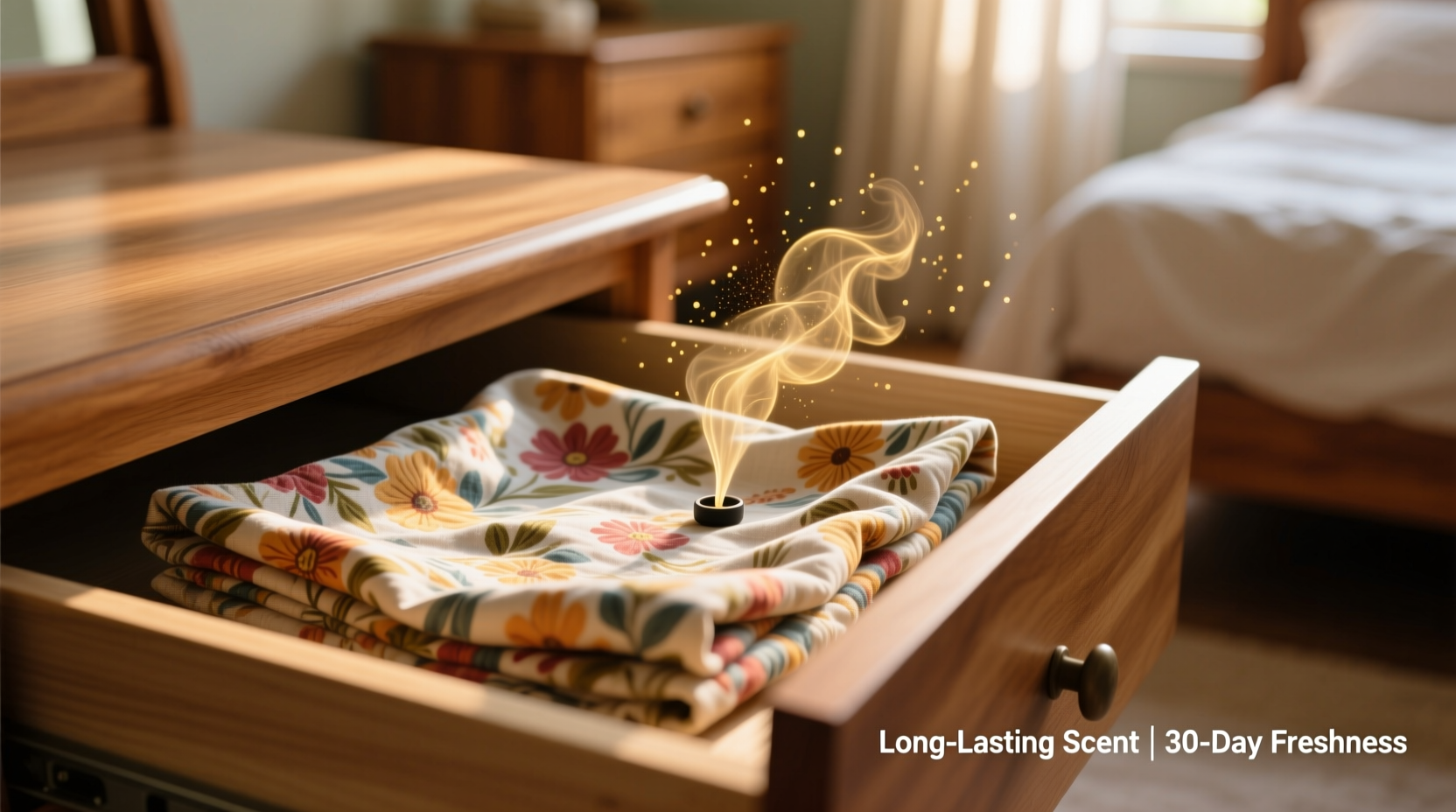
Scented drawer liners typically consist of thin paper, fabric, or vinyl sheets infused with essential oils or synthetic fragrances. Some include additional features like moisture absorption or mild antimicrobial properties. When placed inside a drawer, the material slowly releases its scent through passive diffusion—essentially allowing volatile aromatic compounds to evaporate into the enclosed space.
This process is similar to how air fresheners function, but in a more confined area. The limited airflow in drawers helps concentrate the scent, making it noticeable upon opening. However, this same lack of ventilation can also trap moisture and stale odors if not managed properly.
Some premium liners incorporate activated charcoal or baking soda to absorb moisture and neutralize odors rather than simply masking them. These hybrid models represent a shift toward functional design over mere fragrance delivery.
“Fragrance alone doesn’t equate to freshness. True odor control requires both absorption and inhibition of microbial growth.” — Dr. Lena Patel, Environmental Health Scientist
The Reality of Longevity: How Long Do They Actually Last?
Most manufacturers claim scented drawer liners last between 4 to 8 weeks before the fragrance fades. In practice, this varies widely based on several factors:
- Ambient temperature: Warmer environments accelerate fragrance evaporation.
- Draft exposure: Drawers opened frequently lose scent faster due to increased airflow.
- Material density: Thicker, resin-coated papers tend to retain oils longer than thin tissue-like sheets.
- Fragrance type: Essential oils (e.g., lavender, eucalyptus) often dissipate quicker than synthetic musks or amber notes.
A 2023 consumer study by HomeWell Labs tested 15 popular scented liner brands under controlled conditions. Results showed that while all products delivered strong initial fragrance, only 3 maintained detectable scent beyond six weeks. None demonstrated measurable odor-neutralizing effects after week eight.
Tip: Rotate your drawer liners seasonally—replace them every 6–8 weeks for consistent freshness.Effectiveness vs. Perception: Are You Masking Problems?
One of the biggest concerns with scented drawer liners is that they may mask underlying hygiene issues rather than solve them. Lingering mustiness in drawers usually stems from:
- Mildew caused by trapped moisture
- Bacterial buildup from unwashed clothes or sweat residues
- Poor ventilation in tightly packed storage spaces
- Residual detergent or fabric softener fumes
Instead of addressing these root causes, many users rely solely on fragranced liners to cover up unpleasant smells. This creates a false sense of cleanliness. A drawer might smell floral, but still harbor dampness that could damage delicate fabrics like silk or wool over time.
In some cases, synthetic fragrances can even react with residual moisture and create new off-odors. For individuals with sensitivities, these chemical interactions may trigger headaches or allergic reactions.
| Factor | Scented Liner Effectiveness | Alternative Solutions |
|---|---|---|
| Odor masking | High (short-term) | Essential oil sachets |
| Moisture absorption | Low (unless combined with desiccants) | Silica gel packs, cedar blocks |
| Mold/mildew prevention | Negligible | Ventilation, dehumidifiers |
| Fabric protection | None | Cedar, lavender pouches |
| Allergen safety | Risk with synthetic fragrances | Natural fiber liners, unscented options |
The data suggests that while scented liners excel at sensory enhancement, they fall short in functional protection. Their primary role is aesthetic and psychological comfort—not environmental improvement.
Real-World Case: The Linen Closet Experiment
Jamie T., a homeowner in Portland, Oregon, conducted a personal trial to test the efficacy of scented drawer liners. She installed lavender-scented paper liners in two identical linen cabinets—one in a guest bedroom closet (low humidity, infrequent use), and one in a bathroom cabinet (high humidity, daily access).
After four weeks:
- The guest room cabinet retained a light, pleasant scent.
- The bathroom cabinet’s liner had darkened slightly at the edges and emitted a faintly sour note when opened, despite the lingering floral top note.
Upon inspection, Jamie found micro-condensation behind the liner in the bathroom unit. The paper had begun to degrade, trapping moisture against the wood surface. She removed it immediately to prevent warping.
“I thought I was adding freshness,” she said. “But really, I was trapping dampness. Now I use breathable cotton liners with dried lavender in the bathroom and save the scented ones for decorative drawers.”
This case illustrates a common oversight: placing fragrance-based products in high-moisture zones where they degrade quickly and potentially cause harm.
Better Alternatives: Functional Freshness Without the Fade
If your goal is long-term drawer freshness and fabric preservation, consider upgrading from traditional scented liners to solutions that combine scent with utility.
1. Cedar Wood Sheets or Blocks
Natural cedar repels moths, absorbs moisture, and emits a warm, woody aroma that lasts for months—even years. Unlike paper liners, cedar doesn’t degrade in humid conditions and improves with age.
2. Lavender or Rosemary Sachets
Dried herb pouches release subtle fragrance while offering mild antifungal properties. Refillable and reusable, they avoid single-use waste and provide a more authentic sensory experience.
3. Activated Charcoal Pads
These odor-absorbing inserts don’t add scent but effectively neutralize volatile organic compounds (VOCs) and dampness. Ideal for gym clothes drawers or basements.
4. Washable Fabric Liners with Essential Oil Pockets
Reusable cotton or linen liners with small pouches allow you to insert custom essential oil pads. This gives control over scent intensity and duration while being eco-friendly.
5. Baking Soda-Infused Paper
Some newer liners blend fragrance with sodium bicarbonate to actively neutralize acids that cause odors. Though pricier, they offer a hybrid approach that balances masking and mitigation.
Tip: Combine methods—use a cedar block at the back of the drawer and a small lavender sachet near the front for layered protection and scent.Step-by-Step Guide to Maximizing Drawer Freshness
Follow this five-step process to ensure your drawers stay genuinely fresh—not just temporarily scented.
- Clean the drawer thoroughly. Remove all contents and wipe down interior surfaces with a vinegar-water solution (1:3 ratio). Dry completely before proceeding.
- Assess moisture levels. Use a hygrometer to check humidity. If above 60%, consider a dehumidifier or silica gel packs before adding any liner.
- Choose the right liner type. For dry areas, scented paper is acceptable. For humid zones, opt for cedar, charcoal, or washable fabric.
- Add active protection. Place moth-repelling elements (cedar, lavender) and odor absorbers (charcoal, baking soda) strategically.
- Maintain regularly. Every 3 months, empty the drawer, refresh sachets, and re-evaluate liner condition. Replace degraded materials promptly.
This proactive approach ensures freshness is rooted in hygiene and environmental control—not just fragrance.
Frequently Asked Questions
Do scented drawer liners repel moths?
No, most standard scented liners do not repel moths. Only specific natural repellents like cedar, lavender, or rosemary have proven deterrent effects. Synthetic fragrances used in typical liners offer no protection against fabric pests.
Can I make my own scented drawer liner?
Yes. Cut parchment paper or craft paper to fit your drawer, then lightly spray with a mixture of water and 10–15 drops of essential oil (e.g., lemon, tea tree, or lavender). Let dry completely before placing. For durability, use cotton fabric and sew small herb-filled pockets.
Are scented drawer liners safe for baby clothes?
Use caution. Many contain synthetic fragrances that may irritate sensitive skin or respiratory systems. Opt for unscented, food-grade parchment or organic cotton liners for infant drawers. If using scent, choose hypoallergenic essential oils in minimal concentrations.
Final Verdict: Temporary Pleasure, Limited Utility
Scented drawer liners are not inherently ineffective—they deliver on their core promise of adding a pleasant aroma to enclosed spaces. However, labeling them as \"freshness solutions\" overstates their capabilities. They are best understood as decorative enhancements rather than functional tools for odor control or fabric care.
Their fragrance fades quickly, they offer no real protection against moisture or pests, and in high-humidity environments, they can contribute to deterioration rather than prevent it. For those seeking lasting freshness, combining natural materials like cedar and lavender with proper ventilation and cleaning routines yields far superior results.
If you enjoy the sensory experience of scented drawers, there’s no harm in using these liners—just recognize their limitations. Treat them as the aromatic equivalent of candles: enjoyable in the moment, but not a substitute for actual maintenance.
“The best-smelling drawer isn’t the one with the strongest scent—it’s the one that’s clean, dry, and well-ventilated.” — Marcus Reed, Home Organization Consultant
Take Action: Upgrade Your Storage Strategy Today
Don’t settle for fleeting fragrance. Audit your current drawer setup: Are you relying on scent to hide problems? Is moisture building up behind those pretty patterned liners? Take the time this week to clean, assess, and replace temporary fixes with sustainable solutions.
Start small—swap out one drawer’s scented liner for a cedar block or a homemade lavender pouch. Notice the difference in both smell and fabric condition over time. Share your experience in the comments below and help others move beyond fragrance traps toward truly fresh, functional storage.
💬 Have you switched from scented liners to natural alternatives? What worked best for you? Join the conversation and inspire smarter home care choices!








