Pet owners know the struggle: no matter how much you love your furry companions, their shedding can turn your home into a constant battle zone of loose fur, dander, and tracked-in debris. Traditional vacuuming often feels like a never-ending chore, which is why many are turning to robot vacuums as a potential solution. But with prices ranging from $200 to over $1,000, a critical question arises — are these devices truly capable of handling pet hair, or are they just expensive gimmicks disguised as convenience?
The answer isn’t a simple yes or no. While some robot vacuums deliver impressive results on pet hair, others fall short due to weak suction, poor brush design, or navigation flaws. The key lies in understanding what makes a robot vacuum effective for pet owners — and knowing which models are engineered to meet those demands.
How Robot Vacuums Handle Pet Hair: The Mechanics Behind the Clean
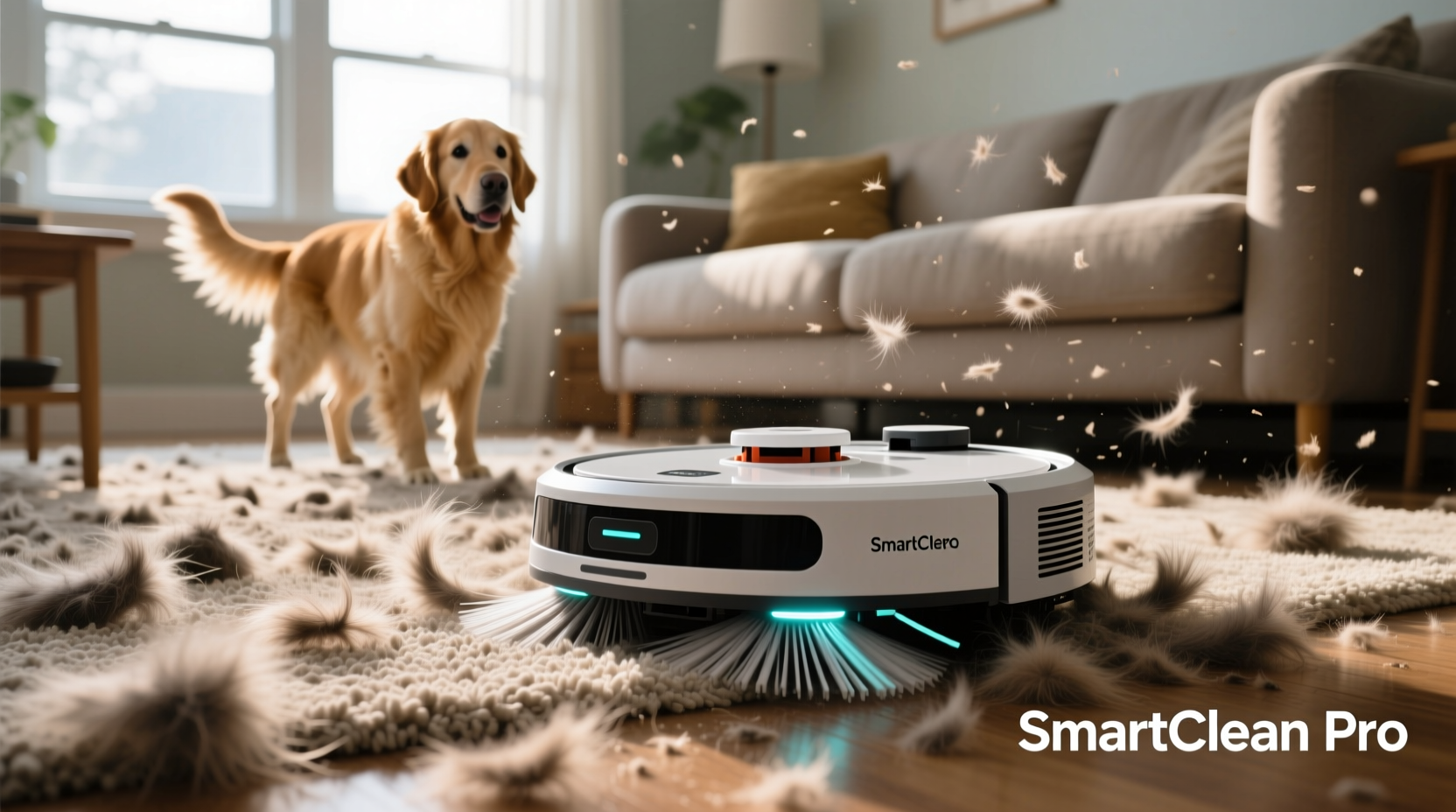
Pet hair poses unique challenges. Unlike dust or crumbs, it’s fibrous, clingy, and tends to wrap around brushes or clog filters. To effectively manage it, a robot vacuum must excel in three areas: suction power, brush roll design, and filtration.
High-efficiency motors generate strong suction (measured in Pascals or air watts), allowing the device to lift embedded fur from carpets and pull fine particles from hard floors. However, suction alone isn’t enough. Tangle-resistant brush rolls — especially rubberized or dual-brush systems — prevent hair from wrapping around the mechanism, reducing maintenance and downtime.
Filtration is equally important. A high-efficiency particulate air (HEPA) filter captures microscopic allergens like dander, making these vacuums valuable for allergy sufferers. Without proper filtration, a robot might redistribute allergens instead of removing them.
Tip: Look for models with tangle-free brush rolls made of rubber or hybrid silicone — they resist hair wrap far better than traditional bristle brushes.Smart Navigation: Can Robots Really Adapt to Real Homes?
A robot vacuum’s intelligence hinges on its navigation system. Early models relied on random bump-and-turn patterns, often missing spots or getting stuck. Today’s advanced units use LiDAR (Light Detection and Ranging), camera-based mapping, or sensor fusion to create accurate floor plans, remember room layouts, and clean methodically.
This precision matters for pet owners. Pets track dirt from specific zones — near food bowls, litter boxes, or doorways. A smart robot can be programmed to focus extra attention on these high-traffic areas. Some even allow users to set virtual “no-go” zones to keep the robot away from pet beds or water bowls.
However, not all navigation systems are equal. Camera-based models may struggle in low light, while LiDAR excels in consistent mapping but can misread transparent obstacles like glass doors. Sensor quality also affects edge cleaning — crucial for pulling fur out of corners where it accumulates.
“Modern robot vacuums with LiDAR and multi-surface adaptability perform within 15% of upright vacuums on pet hair removal — provided they’re maintained properly.” — Dr. Alan Reeves, Robotics Engineer at HomeTech Labs
Performance Comparison: Top Features That Matter for Pet Owners
Not all robot vacuums are built for heavy shedding. The following table compares essential features across different tiers of robot vacuums to help identify which ones genuinely handle pet hair versus those that merely claim to.
| Feature | Budget Models ($200–$400) | Mid-Range ($400–$700) | Premium ($700+) |
|---|---|---|---|
| Suction Power | 1,000–1,500 Pa (often insufficient for deep carpet) | 2,000–3,000 Pa (effective on most surfaces) | 4,000–10,000+ Pa (excellent for embedded pet hair) |
| Brush Roll Type | Standard bristle (prone to tangling) | Rubber or hybrid (tangle-resistant) | Self-cleaning or anti-tangle advanced designs |
| Navigation | Random or basic infrared | Camera-assisted or basic LiDAR | Advanced LiDAR + AI obstacle recognition |
| Filtration | Basic filter (may recirculate allergens) | HEPA-like or mid-tier sealed system | True HEPA with sealed airflow |
| Daily Maintenance | Brush cleaning required every 1–2 days | Weekly brush check; monthly filter clean | Minimal intervention; auto-empty docks available |
| Best For | Light shedding, hard floors only | Moderate shedding, mixed flooring | Heavy shedders, carpets, allergy concerns |
The data shows a clear trend: higher-priced models offer significant improvements in suction, brush technology, and smart features that directly impact pet hair cleanup. But price alone doesn’t guarantee success — brand reputation, software updates, and user reviews are equally important.
Real-World Test: One Household’s Experience with Two Cats and a Robot Vacuum
Jamie Thompson, a graphic designer in Portland, adopted two long-haired Maine Coons two years ago. Within months, her apartment was covered in fur, especially on her medium-pile rugs. She tried several cleaning methods before investing in a premium robot vacuum with 5,000 Pa suction, rubberized tangle-free brushes, and a self-emptying base.
Initially skeptical, she programmed the robot to run daily at noon while she worked. After one week, she noticed a visible reduction in fur accumulation. After a month, she reduced manual vacuuming from twice a week to once every three weeks. The robot consistently avoided her cats’ feeding area (set as a no-go zone) and returned to its dock without issue.
Her only complaint? The robot occasionally got stuck under a low ottoman — a problem resolved by adjusting the virtual boundaries in the app. “It’s not perfect,” she said, “but it handles 80% of the mess I used to deal with. For someone who works from home, that’s huge.”
This case illustrates a growing reality: when matched to the right environment and maintained regularly, high-end robot vacuums can significantly reduce the burden of pet hair cleanup.
What to Look for When Buying a Robot Vacuum for Pet Hair
Choosing the right model requires more than reading marketing claims. Focus on these proven indicators of performance:
- Suction power of at least 2,500 Pa — essential for lifting fur from carpets.
- Tangle-free brush rolls — rubber or hybrid designs minimize hair wrap.
- HEPA filtration — non-negotiable if allergies are a concern.
- Smart mapping and zoning — allows targeted cleaning of pet-heavy areas.
- Large dustbin and auto-empty compatibility — reduces frequency of emptying, especially helpful with heavy shedding.
- App control and scheduling — enables daily runs without manual intervention.
Step-by-Step Guide to Maximizing Your Robot Vacuum’s Effectiveness
Even the best robot vacuum won’t perform well without proper setup and maintenance. Follow this timeline to get the most out of your device:
- Week 1: Map Your Home — Run the robot in mapping mode. Let it complete full passes so it learns furniture layout and identifies trouble spots.
- Day 7: Set Cleaning Zones — Use the app to designate high-traffic pet areas (e.g., living room, entryway) for extra passes.
- Weekly: Clean Brushes and Filters — Remove tangled hair from the brush roll and rinse the filter (if washable). Let it dry completely before reinserting.
- Monthly: Check Sensors and Wheels — Wipe down cliff sensors and wheel tracks to prevent navigation errors.
- Every 3 Months: Replace Filters (if needed) — Even washable filters degrade over time. Keep spares on hand.
- Ongoing: Monitor Performance — If cleaning efficiency drops, recalibrate the map or check for firmware updates.
This routine ensures long-term reliability and peak performance — especially important in homes where pet hair accumulates rapidly.
Common Pitfalls: Why Some Robot Vacuums Fail with Pet Hair
Despite advances, many robot vacuums disappoint pet owners. The reasons often stem from mismatched expectations or overlooked limitations:
- Underpowered suction on thick carpets — Many robots struggle with high-pile rugs where pet hair embeds deeply.
- Poor edge cleaning — Gaps between walls and baseboards become fur traps if side brushes are ineffective.
- Lack of maintenance — Owners forget to clean brushes, leading to clogs and reduced suction.
- Obstacle confusion — Toys, cords, or low furniture can trap robots, interrupting cleaning cycles.
- No auto-empty feature — Frequent emptying becomes a chore, discouraging daily use.
These issues don’t mean robot vacuums are gimmicks — they highlight the importance of choosing the right model and using it correctly.
FAQ: Answering Common Questions About Robot Vacuums and Pet Hair
Can robot vacuums pick up cat litter?
Yes, but with caveats. Most can handle clumping litter on hard floors, but fine颗粒 (like silica gel) may scratch sensors or damage wheels. Avoid running the robot immediately after litter box use to prevent tracking wet clumps. Regular cleaning of wheels and brushes is essential in litter-prone homes.
Do robot vacuums work on dark-colored carpets?
Some early models struggled because optical cliff sensors misinterpreted dark surfaces as drop-offs. Newer models use multi-sensor fusion to overcome this. If you have dark carpet, check user reviews specifically mentioning performance on black or navy rugs.
How often should I replace the filter or brush?
Filters typically last 6–12 months with regular cleaning. Brush rolls can last 12–18 months, but inspect them monthly for wear or deformation. Replacement parts are usually available through the manufacturer.
Final Verdict: Gimmick or Game-Changer?
Robot vacuums are neither universally miraculous nor entirely overrated. Their value depends on your needs, expectations, and the specific model you choose. For pet owners dealing with moderate to heavy shedding, a well-chosen robot vacuum with strong suction, tangle-free brushes, and smart navigation can drastically reduce daily cleaning effort.
They won’t replace a deep-cleaning session with an upright vacuum every few months — especially on carpets — but they excel at maintenance cleaning. By running daily or every other day, they prevent fur buildup, minimize allergens, and keep floors visibly cleaner with minimal effort.
The real cost isn’t just the purchase price; it’s the time saved and the consistency achieved. For busy households, allergy sufferers, or anyone tired of chasing fur bunnies across the floor, a capable robot vacuum isn’t a gimmick — it’s a practical tool that delivers measurable benefits.
💬 Have a pet-friendly robot vacuum that works wonders? Share your experience in the comments — your insight could help another pet owner make a smarter choice.








