In recent years, holiday decor has undergone a quiet but unmistakable shift. As modern interior design embraces clean lines, neutral palettes, and intentional living, the traditional lush, ornament-laden Christmas tree is being reimagined. Homeowners and designers alike are opting for minimalist alternatives—trees that prioritize space, simplicity, and sustainability over excess. This isn’t about skipping the holidays; it’s about celebrating them with more meaning and less clutter. The question isn't just whether minimalist Christmas trees are trending—it's why they're resonating so deeply in today’s homes.
The Rise of Minimalist Holiday Aesthetics
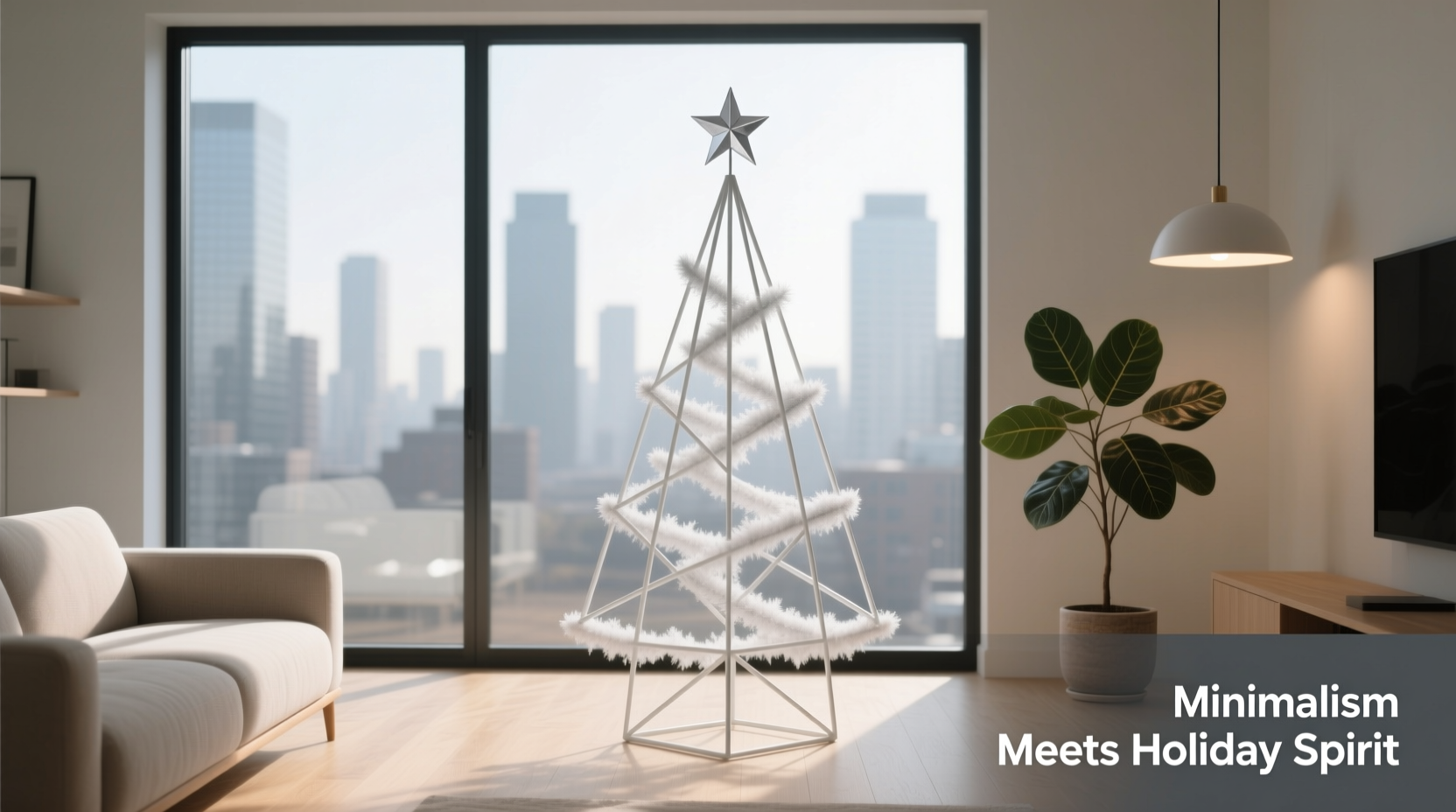
Minimalism as a lifestyle has long influenced home design, but its infiltration into seasonal traditions marks a cultural evolution. Where once garlands dripped from every doorway and trees groaned under layers of tinsel, many now seek restraint. The appeal lies not in deprivation but in curation. A minimalist Christmas tree becomes a focal point not because of its size or sparkle, but because of its thoughtful presence.
This shift aligns with broader movements toward mindful consumption and sustainable living. With growing awareness of waste generated during the holidays—from discarded wrapping paper to plastic ornaments—the minimalist tree offers an elegant solution. It encourages quality over quantity, reuse over replacement, and personal significance over mass-produced decor.
Interior designers have taken note. “Clients are asking for holiday setups that feel integrated into their homes, not like a temporary takeover,” says Laura Chen, a Los Angeles-based interior stylist specializing in contemporary residential spaces. “They want warmth without chaos. A slender white oak tree with three handmade ornaments achieves that better than a 9-foot pre-lit monstrosity.”
“Holiday decor should enhance your space, not hijack it. Minimalist trees reflect a mature approach to celebration—one rooted in calm, clarity, and authenticity.” — Marcus Reed, Design Director at Form & Season Studio
What Defines a Minimalist Christmas Tree?
A minimalist Christmas tree isn’t defined solely by size or lack of color. Instead, it embodies a philosophy of selective expression. Key characteristics include:
- Reduced scale: Often under 6 feet, sometimes tabletop-sized, fitting naturally into compact urban apartments or open-plan living areas.
- Neutral or monochrome palette: White, black, natural wood tones, or muted earth shades replace bright reds and greens.
- Limited ornamentation: Fewer decorations, often handmade, vintage, or symbolic (e.g., family heirlooms).
- Natural materials: Wood, linen, dried citrus, wool, and ceramic take precedence over plastic or metallic finishes.
- Intentional lighting: Soft white fairy lights only, if any. Some trees go unlit, relying on ambient room light.
These trees often double as sculptural elements. A single branch arrangement in a concrete planter, a geometric wire frame dusted with faux snow, or a potted small evergreen placed near a reading nook—all serve as subtle nods to the season without overwhelming the space.
Tip: Choose one meaningful ornament as the centerpiece—a child’s first Christmas bauble, a travel souvenir, or a hand-blown glass sphere—and build quietly around it.Why Minimalist Trees Fit Modern Interiors
Modern interiors favor openness, functionality, and visual calm. Clutter disrupts flow, and overly festive decor can clash with sleek cabinetry, muted walls, or industrial accents. Minimalist Christmas trees integrate seamlessly because they respect the existing design language.
Consider the typical Scandinavian-inspired apartment: light wood floors, white walls, modular furniture, and carefully placed greenery. A full traditional tree would dominate such a space. But a narrow Nordmann fir in a woven basket, adorned with twine-wrapped pinecones and two brass stars, enhances rather than interrupts.
Similarly, minimalist trees suit multifunctional rooms. In studio apartments or homes where the living area doubles as a workspace, a large tree can feel impractical. A compact alternative preserves usable floor space while still acknowledging the season.
Moreover, minimalism supports inclusivity. Not all households celebrate Christmas in a religious sense, yet many appreciate seasonal rituals. A minimalist tree can be a secular symbol of winter reflection, gratitude, or renewal—accessible without dogma.
How to Style a Minimalist Christmas Tree: A Step-by-Step Guide
Creating a minimalist tree requires deliberate choices. Follow this sequence to craft one that feels authentic and harmonious with your space.
- Assess your space. Measure height and footprint. Consider traffic flow. Will the tree block a window or door? Opt for vertical slimline models or tabletop versions if space is tight.
- Select your tree type. Real or artificial? If real, consider species like pencil pines or Alberta spruces known for their narrow profiles. If artificial, choose one with natural-looking branches and no built-in lights.
- Choose a container or stand. Avoid flashy stands. Instead, use a ceramic pot, wooden crate, or galvanized bucket lined with moss. This adds texture while keeping focus on form.
- Limit your color palette. Stick to two or three tones maximum. Popular combinations: cream + walnut, charcoal + gold leaf, sage + ivory.
- Pick 3–7 ornaments max. Hang them asymmetrically for visual interest. Prioritize tactile variety—matte, glossy, rough, smooth.
- Add soft lighting sparingly. Use warm-white micro LED string lights (battery-powered for safety). Wrap once around the trunk or highlight only the lower third.
- Include a grounding element. Place a linen runner beneath, add a stack of art books nearby, or position a single candle at its base.
“A minimalist tree should feel like it belongs year-round. If you wouldn’t display the structure in January, reconsider the design.” — Lena Torres, Sustainable Home Stylist
Comparison: Traditional vs. Minimalist Christmas Trees
| Feature | Traditional Tree | Minimalist Tree |
|---|---|---|
| Size | Large (7–9 ft), wide profile | Small to medium (3–6 ft), narrow or slender |
| Ornaments | Dozens, often themed or colorful | Few (3–7), curated, symbolic |
| Lighting | Heavy string lights, possibly multicolor | Subtle fairy lights or none |
| Materials | Plastic, tinsel, synthetic snow | Wood, ceramic, linen, natural fibers |
| Setup Time | Several hours | Under 1 hour |
| Storage | Bulky boxes, multiple containers | Compact, often reusable packaging |
Real-Life Example: A Brooklyn Brownstone Reimagined
Sophie Kim, a graphic designer in Brooklyn, used to dedicate her entire front parlor to a towering Fraser fir covered in decades of accumulated ornaments. After moving into a smaller brownstone apartment with her partner, she realized the traditional setup no longer fit—physically or emotionally.
“We didn’t have the space, and honestly, unpacking those boxes felt more like a chore than a joy,” she recalls. Last year, she opted for a 4.5-foot pencil pine in a terracotta pot, decorated with seven handmade paper stars representing each member of her extended family. She added a single strand of warm-white LEDs and placed a stack of poetry books beneath it.
The result was transformative. “People commented on how peaceful it felt. My nephew said it looked like ‘a tree from a dream.’ We kept it up until January 10th because it didn’t feel like clutter. It felt like part of the home.”
Her experience reflects a growing sentiment: holiday joy doesn’t require volume. It thrives in attention, presence, and aesthetic harmony.
Essential Checklist for Your Minimalist Tree
Before setting up, ensure you have everything needed to create a cohesive, low-effort display.
- ✔ Measured your ceiling height and floor space
- ✔ Chosen a tree that fits proportionally
- ✔ Selected a neutral-toned stand or pot
- ✔ Limited ornament selection to 7 items or fewer
- ✔ Prepared battery-operated warm-white lights (optional)
- ✔ Gathered natural embellishments (dried citrus, cinnamon sticks, pine sprigs)
- ✔ Planned a simple cleanup strategy (e.g., compost real greenery, store ornaments in cloth bags)
Frequently Asked Questions
Can a minimalist tree still feel festive?
Absolutely. Festivity comes from atmosphere, not ornament count. Pair your tree with soft lighting, seasonal scents (like cedar or clove), and background music to create warmth. A minimalist tree often feels more intimate and personal, enhancing emotional connection to the season.
Are artificial minimalist trees more sustainable?
It depends on usage. A high-quality artificial tree used for 10+ years can have a lower environmental impact than buying a real tree annually. However, real trees are biodegradable and support forestry jobs. For minimalists, the key is longevity—buy once, use for many seasons, and dispose responsibly.
How do I make a small tree look intentional, not unfinished?
Focus on balance and detail. Use asymmetry deliberately—place one ornament higher on the left, another low on the right. Incorporate texture through materials like burlap ribbons or carved wood shapes. Add context: place the tree near a window with falling snow visible, or beside a steaming mug in a photo. Intentionality reads as confidence, not incompleteness.
Conclusion: Embracing Less During the Holidays
The rise of minimalist Christmas trees isn’t a passing fad—it’s a reflection of evolving values. As people seek calm in chaotic times, reclaim control over consumer habits, and honor design integrity, the understated tree emerges as a powerful symbol. It proves that beauty doesn’t require abundance, and celebration doesn’t demand excess.
Whether you live in a high-rise condo, a cozy cottage, or a shared house with limited storage, a minimalist tree offers a realistic, elegant way to observe the season. It invites slowness, mindfulness, and authenticity—qualities often lost in the holiday rush.
🚀 Ready to simplify your holiday decor? Start small: clear a corner, choose one meaningful piece, and let silence speak. Share your minimalist tree journey online with #LessTreeMoreMeaning and inspire others to celebrate with purpose.








