
As holiday seasons approach, homes transform into warm, inviting spaces with twinkling lights, draped fabrics, and flickering candlelight. Traditional wax candles have long been a centerpiece of seasonal decor, but their open flames pose risks—especially near curtains, tablecloths, or upholstered furniture. In response, many households have turned to LED Christmas candles as a safer alternative. But just how safe are they when placed close to fabric decorations? The answer involves understanding not only the technology behind LED candles but also real-world conditions like heat output, electrical safety, and placement practices.
Unlike real flames, LED candles produce light through light-emitting diodes powered by batteries or low-voltage electricity. They mimic the gentle flicker of real candles without combustion, making them inherently less hazardous. Still, safety isn’t guaranteed simply because there’s no flame. Factors such as battery quality, duration of use, proximity to flammable materials, and product design all influence risk levels. This article examines the safety of using LED Christmas candles around fabric decor, backed by fire safety guidelines, expert insights, and practical recommendations.
How LED Candles Work and Why They’re Safer Than Real Flames
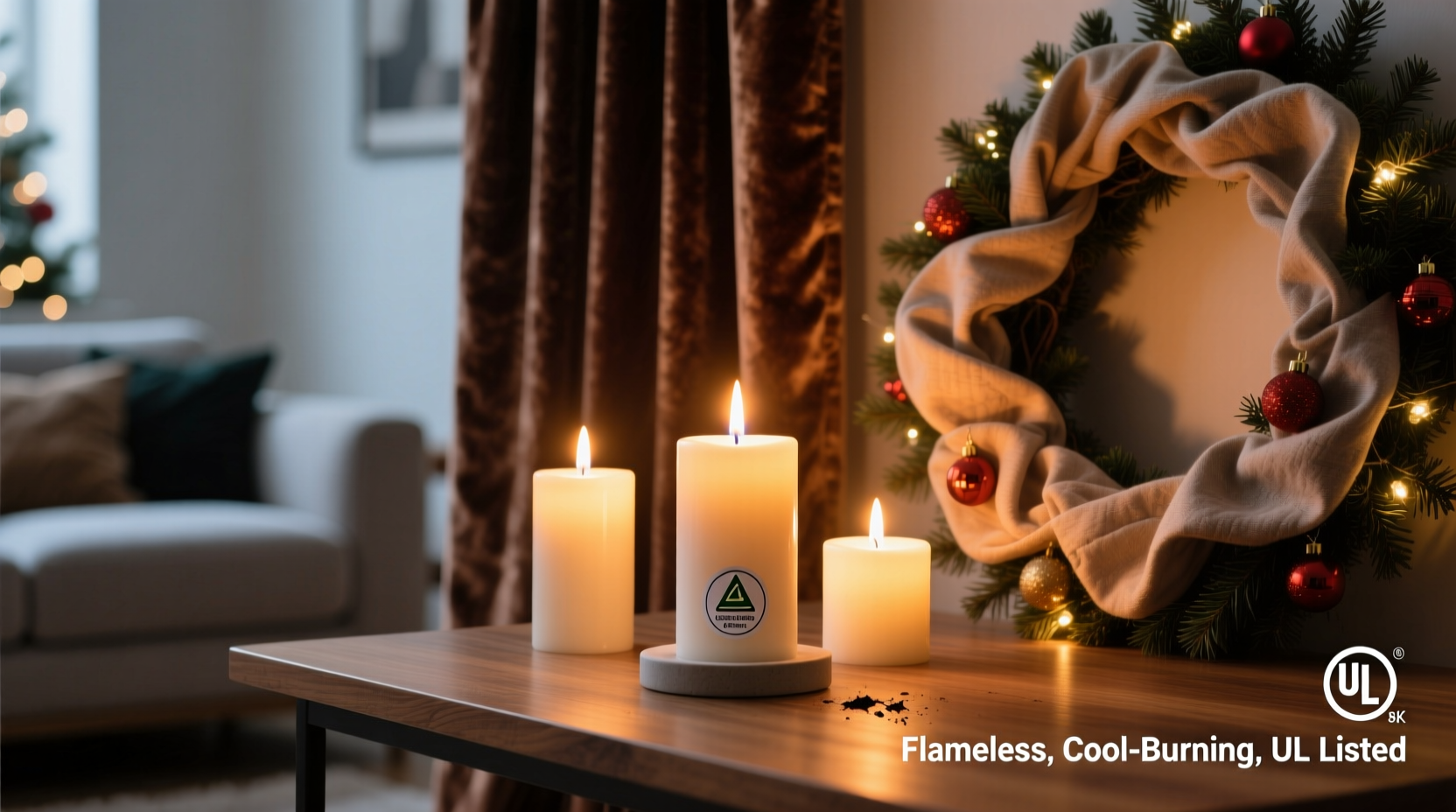
LED candles simulate candlelight using small semiconductor diodes that emit light when an electric current passes through them. Most models include a built-in microchip that creates a realistic flickering effect, enhancing ambiance without fire. These candles are typically powered by replaceable or rechargeable batteries, though some plug directly into USB or wall outlets using low-voltage adapters.
The absence of combustion eliminates several major hazards associated with traditional candles:
- No open flame means no ignition source for nearby fabrics.
- No smoke or soot production protects indoor air quality and prevents staining on drapes or linens.
- No hot wax spillage reduces cleanup needs and burn risks.
According to the National Fire Protection Association (NFPA), candles cause an estimated 7,000 home fires annually in the U.S., resulting in dozens of deaths and millions in property damage. Over half of these incidents involve decorations, gifts, or window coverings catching fire. Switching to LED alternatives significantly reduces this risk profile.
“LED candles offer a dramatic improvement in fire safety during the holidays. Their low heat output and lack of flame make them ideal for use near textiles.” — Dr. Laura Simmons, Home Fire Safety Researcher, NFPA Contributor
Heat Output: Can LED Candles Still Pose a Risk?
While LED candles don’t produce flames, they do generate a small amount of heat—primarily from the battery compartment and circuitry. However, this heat is minimal compared to wax candles, which can reach temperatures over 140°F (60°C) at the wick and even higher on glass holders.
A typical LED candle produces surface temperatures between 85°F and 100°F (29–38°C) after several hours of continuous use. For comparison, human body temperature is about 98.6°F (37°C). This warmth is generally not enough to ignite common household fabrics like cotton, polyester, or silk, which require sustained exposure to temperatures above 400°F (204°C) to catch fire.
That said, poor-quality LED candles with defective batteries or inadequate ventilation may overheat. Lithium coin cells or alkaline batteries can leak or swell if left in devices too long, potentially damaging internal components and increasing thermal risk. Extended use—especially in enclosed spaces or under piled fabrics—can also trap heat, raising surface temperatures beyond normal levels.
Tip: Always check the manufacturer’s recommended usage time. Avoid leaving LED candles on for more than 8–12 hours continuously, especially near soft furnishings.Safe Placement Around Fabric Decor: A Practical Guide
Fabric decor—including lace runners, velvet stockings, sheer curtains, and embroidered napkins—is often used to enhance holiday aesthetics. While beautiful, these materials are lightweight and can drape close to light sources. To ensure safety with LED candles, follow these best practices:
- Maintain a clearance zone: Keep at least 3 inches (7.5 cm) of space between the LED candle and any fabric. Avoid placing candles directly beneath hanging ribbons or tinsel garlands.
- Use stable, non-flammable bases: Place LED candles on ceramic, metal, or glass surfaces rather than wooden trays covered with fabric cloths.
- Avoid enclosing the unit: Never cover LED candles with fabric, paper, or glass domes while in use. Even low heat can build up in confined spaces.
- Inspect regularly: Check for signs of overheating, such as discoloration, melting plastic, or a burning smell. Discontinue use immediately if detected.
- Choose reputable brands: Opt for LED candles certified by recognized testing laboratories like UL, ETL, or CE. These meet strict electrical and thermal safety standards.
Do’s and Don’ts When Using LED Candles Near Fabrics
| Do | Don't |
|---|---|
| Place on non-combustible surfaces | Set directly on fabric-covered tables |
| Use timers or remote controls to limit runtime | Leave unattended for days without turning off |
| Check for certification labels (UL, ETL) | Buy unbranded, no-name LEDs from discount bins |
| Group candles with spacing to prevent heat stacking | Cluster multiple units tightly under a fabric canopy |
| Replace old or corroded batteries promptly | Leave dead batteries inside the device |
Real-World Scenario: A Close Call During Holiday Decorating
In December 2022, a family in Vermont decorated their living room mantel with burlap runners, pine garlands, and a set of five battery-operated LED candles. The candles were positioned upright on a wooden tray, but due to the arrangement, two of them rested partially on folded fabric edges. The display was left on overnight using a timer that failed to shut off after eight hours.
By morning, one candle had developed a slight bulge in its plastic casing. Upon inspection, the family noticed a faint smoky odor and minor scorching on the fabric beneath. Fortunately, no fire occurred, but the incident prompted them to contact the manufacturer and file a safety report. Testing revealed that a low-quality alkaline battery had leaked, causing internal resistance and overheating. Though the LED itself remained cool, the battery compartment reached nearly 120°F (49°C)—hot enough to degrade nearby material over time.
This case underscores that even flameless candles require careful handling. Product quality, maintenance, and proper setup matter just as much as the absence of fire.
Step-by-Step: How to Safely Use LED Candles Around Fabric Decor
To enjoy the cozy glow of LED candles without compromising safety, follow this step-by-step process:
- Assess Your Display Area: Identify where fabrics are located—curtains, runners, upholstery—and plan candle placement away from direct contact.
- Select Certified Products: Purchase LED candles with safety certifications. Look for marks like UL Listed or ETL Verified.
- Prepare the Base: Use a non-flammable platform such as slate, ceramic tile, or metal tray. Avoid wood or fabric-covered surfaces.
- Install Batteries Correctly: Insert fresh, high-quality batteries. Ensure polarity matches the diagram inside the compartment.
- Test Before Final Setup: Turn on the candles and let them run for 30 minutes. Touch the base and battery area to check for unusual warmth.
- Position with Clearance: Arrange candles at least 3 inches from any fabric edge. Use stands or risers to elevate them above textile layers.
- Set Usage Limits: Use built-in timers or smart plugs to turn off candles automatically after 6–8 hours.
- Monitor Daily: During extended displays, inspect each unit daily for damage, heat buildup, or battery leakage.
- Turn Off When Unattended: Always switch off LED candles when leaving the house or going to sleep.
- Store Properly After Use: Remove batteries before storing. Keep in a dry, cool place away from direct sunlight.
Expert Recommendations and Industry Standards
The Consumer Product Safety Commission (CPSC) does not currently regulate LED candles specifically, but general electrical safety standards apply. Reputable manufacturers adhere to IEC 60598 (luminaire safety) and IEC 62133 (battery safety) guidelines. Third-party certifications provide assurance that products have undergone rigorous testing.
Fire departments across North America now recommend LED candles as part of their holiday safety campaigns. The Boston Fire Department advises: “Switch to battery-operated candles. They give you the same warm look without the danger of fire.”
“Even small heat sources can become hazards when combined with oxygen-rich environments and combustible materials. LED candles are far safer—but not risk-free. Smart placement is key.” — Captain Marcus Reed, Public Education Officer, Austin Fire Department
FAQ: Common Questions About LED Candles and Fabric Safety
Can LED candles melt fabric?
Under normal operating conditions, LED candles do not get hot enough to melt most fabrics. However, prolonged contact with a malfunctioning unit—especially one with a leaking or swollen battery—could potentially cause scorching or degradation of synthetic materials like polyester or nylon.
Are flameless candles safe on Christmas trees?
Yes, LED candles are considered safe for use on artificial Christmas trees, provided they are securely fastened and not touching branches for extended periods. Avoid placing them deep within dense foliage where heat could accumulate. Never use real candles on any type of Christmas tree.
How long can I leave LED candles on?
Most high-quality LED candles are designed for 6–10 hours of continuous use. If the product includes a timer, use it to prevent accidental overuse. For maximum safety, turn them off when leaving the room or going to bed.
Final Checklist: Ensuring Safe Holiday Lighting
Safety Checklist for Using LED Candles Near Fabric:
- ✅ Choose UL/ETL-certified LED candles
- ✅ Place on non-flammable surfaces
- ✅ Maintain at least 3 inches from fabric
- ✅ Avoid enclosing or covering the light source
- ✅ Use timers to limit runtime
- ✅ Inspect weekly for damage or overheating
- ✅ Replace batteries before they expire
- ✅ Turn off when unattended or sleeping
Conclusion: Enjoy the Glow Without the Risk
LED Christmas candles are a safe and stylish alternative to traditional flames, especially when used thoughtfully around fabric decor. Their low heat output, lack of combustion, and availability in realistic designs make them ideal for creating a festive atmosphere without endangering your home. However, safety depends not just on the technology but on how you use it. From selecting quality products to maintaining proper clearance and monitoring for wear, every detail contributes to a hazard-free holiday season.
By following expert guidance, adhering to best practices, and staying vigilant, you can enjoy the warm flicker of candlelight without fear. Let your home shine with holiday spirit—responsibly and beautifully.
💬 Have a tip or experience with LED candle safety? Share your story in the comments to help others celebrate safely this season.








