For athletes, fitness enthusiasts, and anyone dealing with chronic muscle soreness or joint discomfort, recovery is just as important as the workout itself. In recent years, infrared saunas have gained traction as a tool for accelerating muscle repair, reducing inflammation, and enhancing overall well-being. But with units costing anywhere from $1,500 to over $6,000, many are asking: Is bringing an infrared sauna into the home truly worth the investment for muscle recovery?
The answer isn’t one-size-fits-all. While clinical research and anecdotal evidence point to significant benefits, personal needs, usage frequency, and budget all play a role in determining value. This article breaks down the science, cost-benefit analysis, practical considerations, and real-world outcomes to help you make an informed decision.
How Infrared Saunas Work Differently Than Traditional Saunas
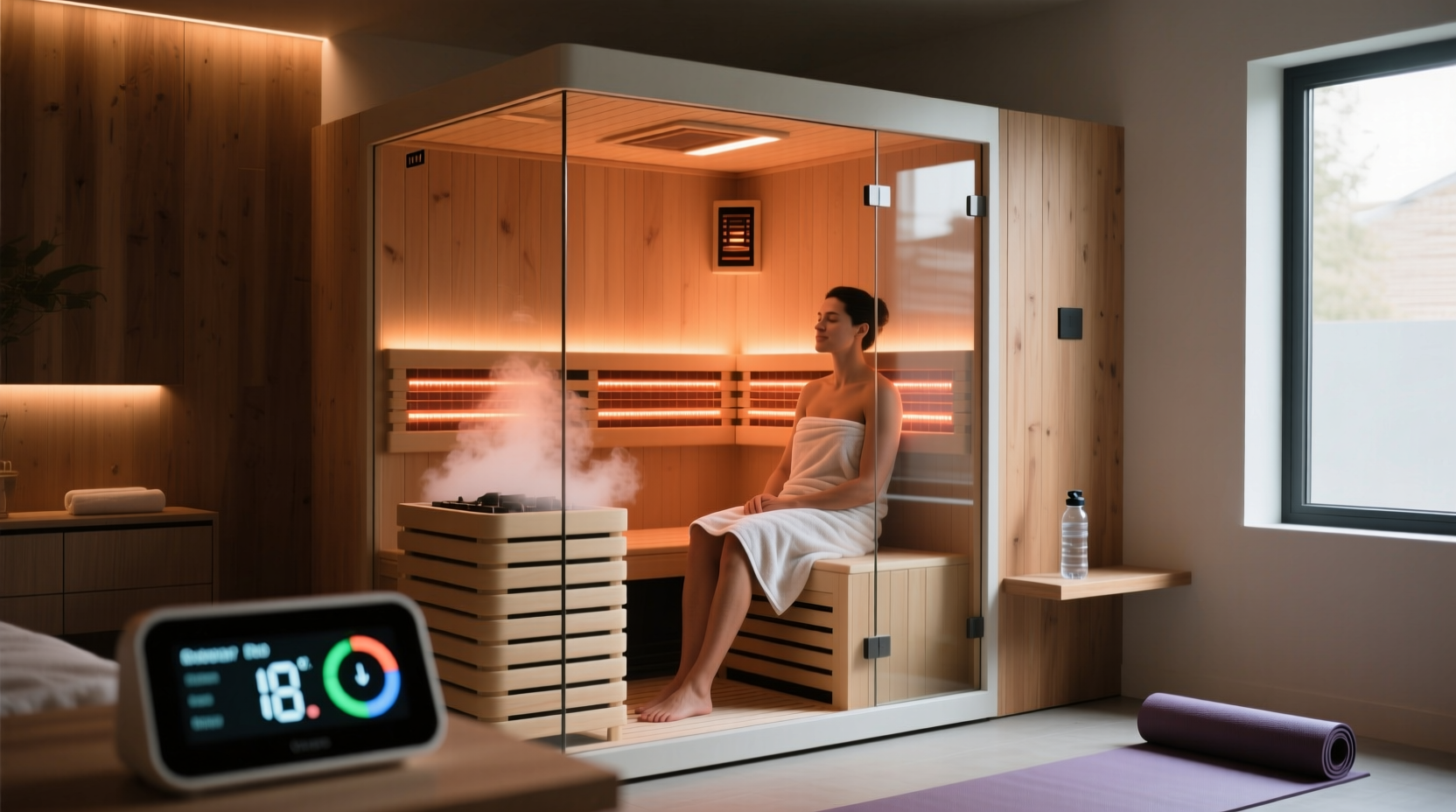
Traditional saunas heat the air around you—often reaching temperatures of 150–195°F (65–90°C)—to induce sweating and increase circulation. In contrast, infrared saunas use electromagnetic radiation in the form of infrared light to directly heat your body at a cellular level, typically operating between 120–140°F (49–60°C). This lower ambient temperature makes sessions more tolerable for longer durations, while still delivering deep tissue warmth.
Infrared wavelengths are categorized into three types:
- Near-infrared (NIR): Penetrates the surface layers of skin, supporting cell health and wound healing.
- Mid-infrared (MIR): Reaches deeper into soft tissue, improving circulation and oxygen flow.
- Far-infrared (FIR): Most commonly used in saunas; penetrates deepest into fat and muscle tissue, promoting detoxification and relaxation.
This targeted heating mechanism is believed to stimulate mitochondria, reduce oxidative stress, and accelerate the removal of metabolic waste like lactic acid—key factors in post-exercise recovery.
Tip: Look for full-spectrum infrared saunas that include near, mid, and far-infrared emitters for comprehensive recovery benefits.Scientific Evidence on Muscle Recovery and Inflammation Reduction
Several peer-reviewed studies support the role of infrared sauna therapy in enhancing recovery after physical exertion. A 2018 study published in the Journal of the American College of Sports Medicine found that participants who used infrared saunas post-exercise reported significantly reduced delayed onset muscle soreness (DOMS) and faster restoration of muscle function compared to controls.
Another trial involving endurance cyclists showed that regular infrared sauna use increased plasma volume and red blood cell count—both contributing to improved cardiovascular efficiency and oxygen delivery during workouts.
“Repeated thermal therapy via infrared saunas can mimic some effects of exercise by stimulating heat shock proteins, which protect cells and aid in tissue repair.” — Dr. Roger Hirsh, Integrative Sports Medicine Researcher
Heat shock proteins (HSPs), activated by elevated body temperature, play a critical role in repairing damaged proteins within muscle fibers. By boosting HSP production, infrared saunas may help the body recover more efficiently after intense training.
Additionally, infrared therapy has been linked to reductions in inflammatory markers such as C-reactive protein (CRP) and interleukin-6 (IL-6). Chronic inflammation impedes recovery and increases injury risk, so modulating these pathways offers long-term advantages beyond immediate soreness relief.
Cost vs. Benefit: Is a Home Unit Justified?
Purchasing a home infrared sauna involves a substantial upfront investment. Entry-level models start around $1,500, while premium cabin-style units with advanced features (chromotherapy lighting, Bluetooth speakers, low-EMF heaters) can exceed $5,000. Installation, electrical requirements, and ongoing maintenance add further costs.
However, when compared to recurring expenses for alternative recovery methods, the long-term value becomes clearer.
| Recovery Method | Average Cost (Annual) | Frequency Limitations | Convenience Factor |
|---|---|---|---|
| Infrared Sauna (Home Unit) | $1,800 (amortized over 3 years) | Unlimited access | High – available anytime |
| Commercial Sauna Sessions | $900–$1,500 | Limited by gym/club hours | Medium – travel required |
| Massage Therapy (Monthly) | $1,200–$2,400 | Typically once per month | Low – appointment-based |
| Cryotherapy Chambers | $1,800+ | Weekly max due to intensity | Low – limited locations |
As shown, even at a conservative estimate, a home infrared sauna pays for itself within 2–3 years if you're regularly using recovery services. More importantly, having on-demand access encourages consistent use, which is essential for cumulative benefits.
Tip: Consider financing options or off-season sales (late summer, early winter) to purchase high-end models at discounted rates.Real-World Example: A Weekend Athlete’s Recovery Transformation
Take Mark T., a 42-year-old software engineer and recreational triathlete from Portland, OR. After completing his first half-Ironman, he struggled with persistent knee pain and prolonged fatigue. Despite foam rolling and stretching, recovery lagged, affecting both performance and motivation.
He invested in a mid-range two-person infrared sauna ($3,200 installed) and began using it three times per week for 30 minutes, ideally within two hours of training. Within four weeks, he noticed reduced stiffness, better sleep quality, and improved energy levels. Over six months, his race times dropped by 7%, and he reported zero injury-related downtime.
“It’s not magic,” Mark said. “But consistency matters. Being able to hop in right after a run or before bed made recovery part of my routine—not something I had to schedule or drive to.”
His experience reflects a growing trend among amateur athletes who prioritize recovery infrastructure at home, similar to how they might invest in quality running shoes or fitness trackers.
Step-by-Step Guide to Maximizing Recovery Benefits
To get the most out of an infrared sauna for muscle recovery, follow this structured approach:
- Hydrate before and after: Drink 16–20 oz of water 30 minutes prior to your session. Replenish with electrolytes afterward, especially if you sweat heavily.
- Time your session strategically: Use the sauna within 1–2 hours post-workout to enhance blood flow and clear metabolic byproducts.
- Start slow: Begin with 15–20 minutes at 120–125°F. Gradually increase duration to 30–45 minutes and temperature as tolerated.
- Combine with active recovery: Follow your session with light stretching or mobility work to maintain flexibility gains.
- Track progress: Keep a log of soreness levels, sleep quality, and workout performance to assess impact over time.
- Stay consistent: Aim for 3–5 sessions per week for optimal physiological adaptation.
“Thermal therapy works cumulatively. One session feels good, but the real benefits emerge after several weeks of regular use.” — Dr. Lena Patel, Sports Rehabilitation Specialist
What to Look for When Buying a Home Infrared Sauna
Not all saunas deliver equal results. To ensure safety, efficacy, and durability, consider these key features:
- Low-EMF heaters: Electromagnetic fields emitted by poor-quality heaters may pose long-term health risks. Choose models certified as low- or no-EMF.
- Wood type: Solid hemlock, basswood, or cedar are non-toxic, durable, and resistant to warping from heat.
- Carbon vs. ceramic heaters: Carbon panels provide more even heat distribution and last longer than ceramic rods.
- Ventilation system: Proper airflow prevents stuffiness and ensures comfortable breathing during sessions.
- Warranty and customer support: Look for at least a 5-year warranty on heaters and structure.
Frequently Asked Questions
Can infrared saunas replace other recovery methods?
No single method replaces the full spectrum of recovery. Infrared saunas complement hydration, nutrition, sleep, and mobility work. They should be integrated into a holistic routine rather than seen as a standalone solution.
Are there any risks associated with daily use?
For healthy individuals, daily use is generally safe. However, those with cardiovascular conditions, low blood pressure, or pregnancy should consult a physician. Overuse may lead to dehydration or overheating—always listen to your body and exit if dizzy or nauseous.
How soon will I notice improvements in muscle recovery?
Most users report feeling less stiff and sleeping better within the first 1–2 weeks. Significant changes in soreness reduction and performance enhancement typically appear after 4–6 weeks of consistent use.
Checklist: Is a Home Infrared Sauna Right for You?
Before purchasing, ask yourself the following:
- ✅ Do I engage in intense physical activity 3+ times per week?
- ✅ Have I struggled with slow recovery or recurring soreness?
- ✅ Am I currently spending $50+ monthly on recovery services (massage, cryo, etc.)?
- ✅ Do I have space (approx. 3' x 5') and a grounded electrical outlet?
- ✅ Am I committed to using it consistently for at least 3 months?
If you answered yes to most of these, a home infrared sauna is likely a sound investment.
Final Verdict: A Strategic Investment in Long-Term Health
An infrared sauna isn’t a luxury reserved for celebrities or elite athletes—it’s becoming a practical tool for anyone serious about maintaining physical resilience. For individuals focused on muscle recovery, reducing inflammation, and optimizing performance, the long-term benefits often outweigh the initial cost.
Unlike temporary fixes, a home unit offers privacy, convenience, and control over your recovery environment. When paired with good nutrition, sleep, and movement habits, it becomes part of a proactive health strategy that pays dividends for years.
🚀 Ready to take recovery into your own hands? Evaluate your current routine, calculate potential savings, and explore trusted brands today. Your future self—and your muscles—will thank you.








